John Fucillo: Laying foundations for MIT’s Department of Biology

The Building 68 manager’s leadership, innovation, and laid-back attitude have helped to build a strong culture of community.

Samantha Edelen | Department of Biology
June 6, 2024

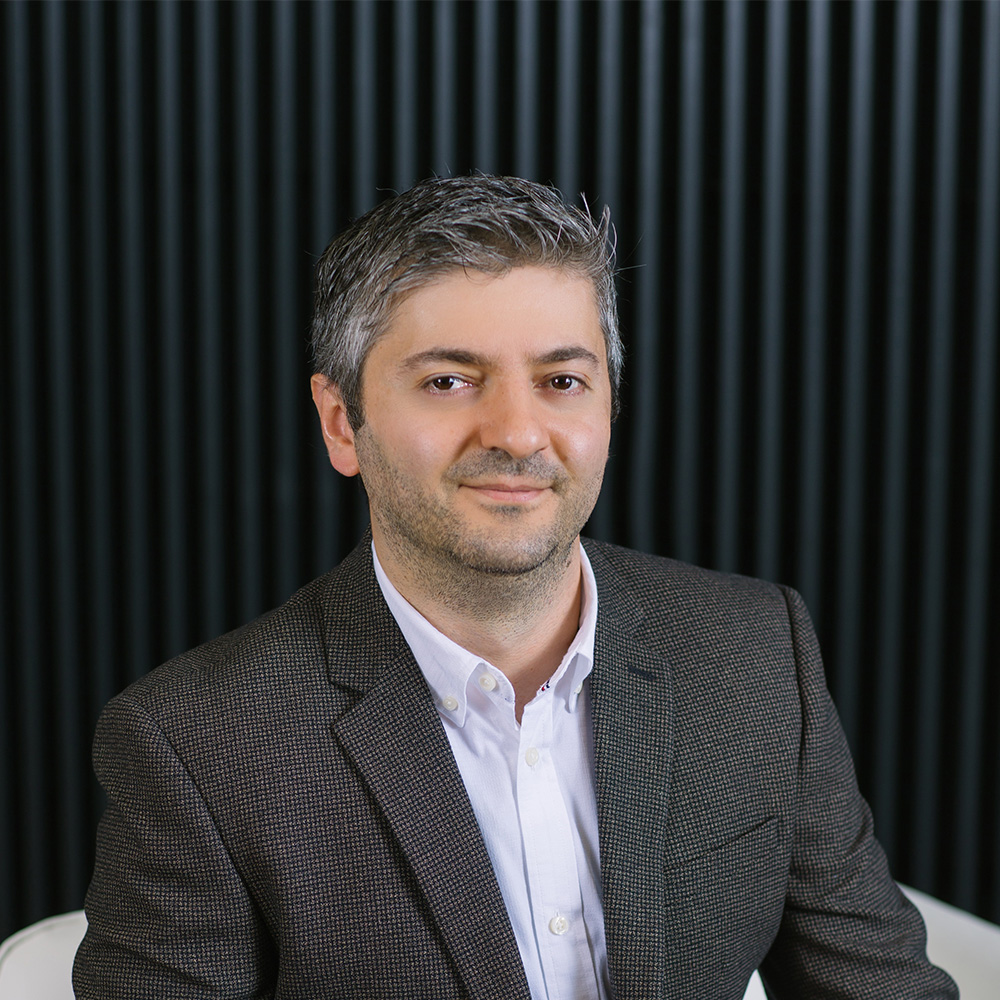
When you enter John Fucillo’s office at MIT, you will likely be greeted with an amiable nose boop and wagging tail from Shadow, a 4-year-old black lab, followed by a warm welcome from the office’s human occupant. Fucillo, manager of Building 68 — home to the MIT Department of Biology — is an animal lover, and Shadow is the gentlest of roughly nine dogs and one Siamese cat he’s taken care of throughout his life. Fortunately for the department, Shadow is not the only lab Fucillo cares for.

Fucillo came to MIT Biology in 1989 and says he couldn’t be happier. A Boston-area local, Fucillo previously spent two years working at Revere Beach, then learned skills as an auto mechanic, and later completed an apprenticeship with the International Brotherhood of Electrical Workers. As Building 68’s manager; environment, health, and safety coordinator; and chemical hygiene officer, Fucillo’s goal is to make workflows “easier, less expensive, more desirable, and more comfortable.” According to Mitchell Galanek, MIT radiation protection officer and Fucillo’s colleague for over 30 years, Fucillo was key for the department’s successful move into its new home when Building 68 was completed in 1994.

Throughout his time as a building manager, Fucillo has decreased routine spending and increased sustainability. He lowered the cost of lab coats by a whopping 92 percent — from $2,600 to $200 — with just one phone call to North Star, the building’s uniform/linens provider. Auditing the building’s plastic waste generation inspired the institute-wide MIT Lab Plastics Recycling Program, which now serves over 200 labs across campus. More than 50,000 pounds of plastic have been recycled in the last four years alone.

“John is not a cog in the wheel, but an integral part of the whole system,” says Anthony Fuccione, technical instructor and manager of the Biology Teaching lab.

Connecting and leading

Fucillo says one of his favorite parts of the job is chatting with researchers and helping them achieve their goals. He reportedly clocks about 10,000 steps per day on campus, responding to requests from labs, collaborating with colleagues, and connecting Biology to the Institute’s Environment, Health, and Safety (EHS) office.

“John is called upon — literally and figuratively — morning, noon, and night,” says Whitehead Professor of Molecular Genetics Monty Krieger. “He has had to become an expert in so very many areas to support staff, faculty, and students. His enormous success is due in part to his technical talents, in part to his genuine care for the welfare of his colleagues, and in part to his very special and caring personality.”

When MIT needed to comply with the Environmental Protection Agency’s decree to improve safety standards across campus, Fucillo sat on the committees tasked with meeting those standards while avoiding undue burden on researchers, establishing the Environmental Health and Safety Management system in 2002.

“From a safety perspective, that was one of the most challenging things MIT had to go through — but it came out at the end a better, safer, place,” says John Collins, EHS project technician and friend and colleague to Fucillo for over 20 years.

Fucillo later co-led the initiative for a 2011 overhaul of MIT’s management of regulated medical waste (RMW), such as Petri dishes, blood, and needles. Fucillo volunteered to pilot a new approach in Building 68 — despite a lukewarm response to the proposal from other biology EHS representatives, according to Galanek. This abundantly successful management system is now used by all MIT departments that generate RMW. It’s not only less expensive, but also does a better job at decontaminating waste than the previous management system.

“Anyone who has worked with John during his MIT career understands it is truly a privilege to partner with him,” Galanek says. “Not only does the work get done and done well, but you also gain a friend along the way.”

After consolidating a disparate group of individual lab assistants, Fucillo took on a supervisory role for the centralized staff tasked with cleaning glassware, preparing media, and ensuring consistency and sterility across Building 68 labs.

According to maintenance mechanic James (Jimmy) Carr, “you can’t find a better boss.”

“He’s just an easy-going guy,” says Karen O’Leary, who has worked with Fucillo for over 30 years. “My voice matters — I feel heard and respected by him.”

Looking forward

Although there are still many updates Fucillo hopes to see in Building 68, which will soon celebrate its 30th birthday, he is taking steps to cut back on his workload. He recently began passing on his knowledge to Facilities Manager and EHS Coordinator Cesar Duarte, who joined the department in 2023.

“It’s been a pleasure working alongside John and learning about the substantial role and responsibility he’s had in the biology department for the last three decades,” Duarte says. “Not only is John’s knowledge of Building 68 and the department’s history unparalleled, but his dedication to MIT and continued care and commitment to the health and well-being of the biology community throughout his career are truly remarkable.”

As he winds down his time at MIT, Fucillo hopes to spend more time on music, one of his earliest passions, which began when he picked up an accordion in first grade. He still plays guitar and bass nearly every day. When he rocks out at home more often, he’ll be leaving behind the foundations of innovation, leadership, and respect in Building 68.

Taking RNAi from interesting science to impactful new treatments

Alnylam Pharmaceuticals is translating the promise of RNA interference (RNAi) research into a new class of powerful, gene-based therapies. These days Alnylam is not the only company developing RNAi-based medicines, but it is still a pioneer in the field. The company’s founders — MIT Institute Professor Phil Sharp, Professor David Bartel, Professor Emeritus Paul Schimmel, and former MIT postdocs Thomas Tuschl and Phillip Zamore — see Alnylam as a champion for the field more broadly.

Zach Winn | MIT News
May 13, 2024

There are many hurdles to clear before a research discovery becomes a life-changing treatment for patients. That’s especially true when the treatments being developed represent an entirely new class of medicines. But overcoming those obstacles can revolutionize our ability to treat diseases.

Few companies exemplify that process better than Alnylam Pharmaceuticals. Alnylam was founded by a group of MIT-affiliated researchers who believed in the promise of a technology — RNA interference, or RNAi.

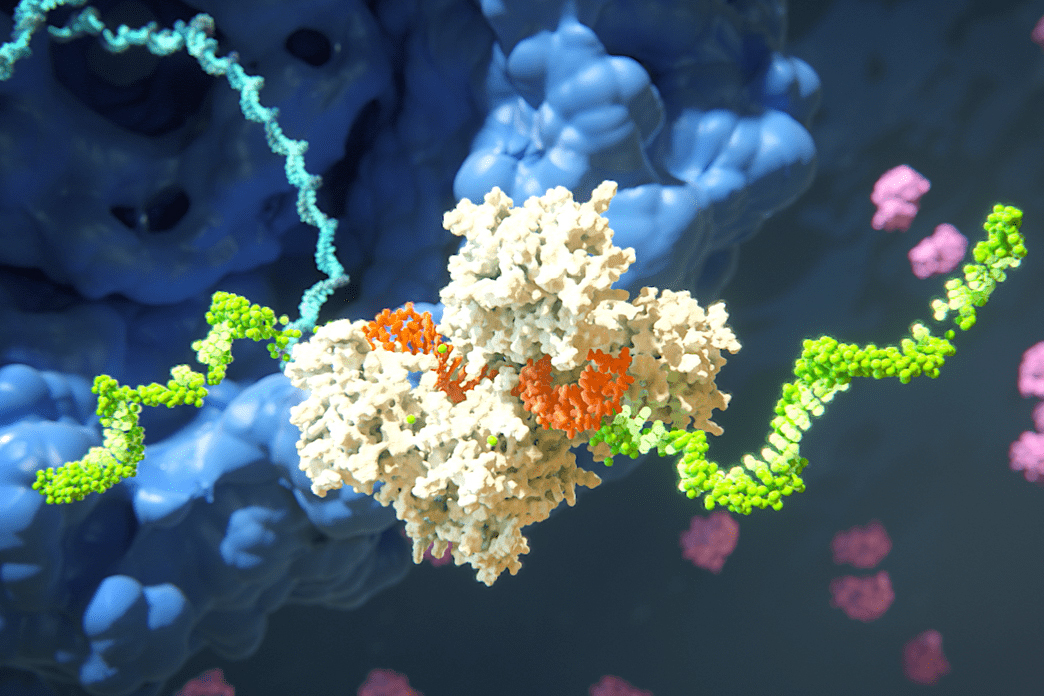
The researchers had done foundational work to understand how RNAi, which is a naturally occurring process, works to silence genes through the degradation of messenger RNA. But it was their decision to found Alnylam in 2002 that attracted the funding and expertise necessary to turn their discoveries into a new class of medicines. Since that decision, Alnylam has made remarkable progress taking RNAi from an interesting scientific discovery to an impactful new treatment pathway.

Today Alnylam has five medicines approved by the U.S. Food and Drug Administration (one Alnylam-discovered RNAi therapeutic is licensed to Novartis) and a rapidly expanding clinical pipeline. The company’s approved medicines are for debilitating, sometimes fatal conditions that many patients have grappled with for decades with few other options.

The company estimates its treatments helped more than 5,000 patients in 2023 alone. Behind that number are patient stories that illustrate how Alnylam has changed lives. A mother of three says Alnylam’s treatments helped her take back control of her life after being bed-ridden with attacks associated with the rare genetic disease acute intermittent porphyria (AIP). Another patient reported that one of the company’s treatments helped her attend her daughter’s wedding. A third patient, who had left college due to frequent AIP attacks, was able to return to school.

These days Alnylam is not the only company developing RNAi-based medicines. But it is still a pioneer in the field, and the company’s founders — MIT Institute Professor Phil Sharp, Professor David Bartel, Professor Emeritus Paul Schimmel, and former MIT postdocs Thomas Tuschl and Phillip Zamore — see Alnylam as a champion for the field more broadly.

“Alnylam has published more than 250 scientific papers over 20 years,” says Sharp, who currently serves as chair of Alnylam’s scientific advisory board. “Not only did we do the science, not only did we translate it to benefit patients, but we also described every step. We established this as a modality to treat patients, and I’m very proud of that record.”

Pioneering RNAi development

MIT’s involvement in RNAi dates back to its discovery. Before Andrew Fire PhD ’83 shared a Nobel Prize for the discovery of RNAi in 1998, he worked on understanding how DNA was transcribed into RNA, as a graduate student in Sharp’s lab.

After leaving MIT, Fire and collaborators showed that double-stranded RNA could be used to silence specific genes in worms. But the biochemical mechanisms that allowed double-stranded RNA to work were unknown until MIT professors Sharp, Bartel, and Ruth Lehmann, along with Zamore and Tuschl, published foundational papers explaining the process. The researchers developed a system for studying RNAi and showed how RNAi can be controlled using different genetic sequences. Soon after Tuschl left MIT, he showed that a similar process could also be used to silence specific genes in human cells, opening up a new frontier in studying genes and ultimately treating diseases.

“Tom showed you could synthesize these small RNAs, transfect them into cells, and get a very specific knockdown of the gene that corresponded to that the small RNAs,” Bartel explains. “That discovery transformed biological research. The ability to specifically knockdown a mammalian gene was huge. You could suddenly study the function of any gene you were interested in by knocking it down and seeing what happens. … The research community immediately started using that approach to study the function of their favorite genes in mammalian cells.”

Beyond illuminating gene function, another application came to mind.

“Because almost all diseases are related to genes, could we take these small RNAs and silence genes to treat patients?” Sharp remembers wondering.

To answer the question, the researchers founded Alnylam in 2002. (They recruited Schimmel, a biotech veteran, around the same time.) But there was a lot of work to be done before the technology could be tried in patients. The main challenge was getting RNAi into the cytoplasm of the patients’ cells.

“Through work in Dave Bartel and Phil Sharp’s lab, among others, it became evident that to make RNAi into therapies, there were three problems to solve: delivery, delivery, and delivery,” says Alnylam Chief Scientific Officer Kevin Fitzgerald, who has been with the company since 2005.

Early on, Alnylam collaborated with MIT drug delivery expert and Institute Professor Bob Langer. Eventually, Alnylam developed the first lipid nanoparticles (LNPs) that could be used to encase RNA and deliver it into patient cells. LNPs were later used in the mRNA vaccines for Covid-19.

“Alnylam has invested over 20 years and more than $4 billion in RNAi to develop these new therapeutics,” Sharp says. “That is the means by which innovations can be translated to the benefit of society.”

From scientific breakthrough to patient bedside

Alnylam received its first FDA approval in 2018 for treatment of the polyneuropathy of hereditary transthyretin-mediated amyloidosis, a rare and fatal disease. It doubled as the first RNAi therapeutic to reach the market and the first drug approved to treat that condition in the United States.

“What I keep in mind is, at the end of the day for certain patients, two months is everything,” Fitzgerald says. “The diseases that we’re trying to treat progress month by month, day by day, and patients can get to a point where nothing is helping them. If you can move their disease by a stage, that’s huge.”

Since that first treatment, Alnylam has updated its RNAi delivery system — including by conjugating small interfering RNAs to molecules that help them gain entry to cells — and earned approvals to treat other rare genetic diseases along with high cholesterol (the treatment licensed to Novartis). All of those treatments primarily work by silencing genes that encode for the production of proteins in the liver, which has proven to be the easiest place to deliver RNAi molecules. But Alnylam’s team is confident they can deliver RNAi to other areas of the body, which would unlock a new world of treatment possibilities. The company has reported promising early results in the central nervous system and says a phase one study last year was the first RNAi therapeutic to demonstrate gene silencing in the human brain.

“There’s a lot of work being done at Alnylam and other companies to deliver these RNAis to other tissues: muscles, immune cells, lung cells, etc.,” Sharp says. “But to me the most interesting application is delivery to the brain. We think we have a therapeutic modality that can very specifically control the activity of certain genes in the nervous system. I think that’s extraordinarily important, for diseases from Alzheimer’s to schizophrenia and depression.”

The central nervous system work is particularly significant for Fitzgerald, who watched his father struggle with Parkinson’s.

“Our goal is to be in every organ in the human body, and then combinations of organs, and then combinations of targets within individual organs, and then combinations of targets within multi-organs,” Fitzgerald says. “We’re really at the very beginning of what this technology is going do for human health.”

It’s an exciting time for the RNAi scientific community, including many who continue to study it at MIT. Still, Alnylam will need to continue executing in its drug development efforts to deliver on that promise and help an expanding pool of patients.

“I think this is a real frontier,” Sharp says. “There’s major therapeutic need, and I think this technology could have a huge impact. But we have to prove it. That’s why Alnylam exists: to pursue new science that unlocks new possibilities and discover if they can be made to work. That, of course, also why MIT is here: to improve lives.”

Taking students across South Africa to learn the real-world impact of HIV and COVID-19

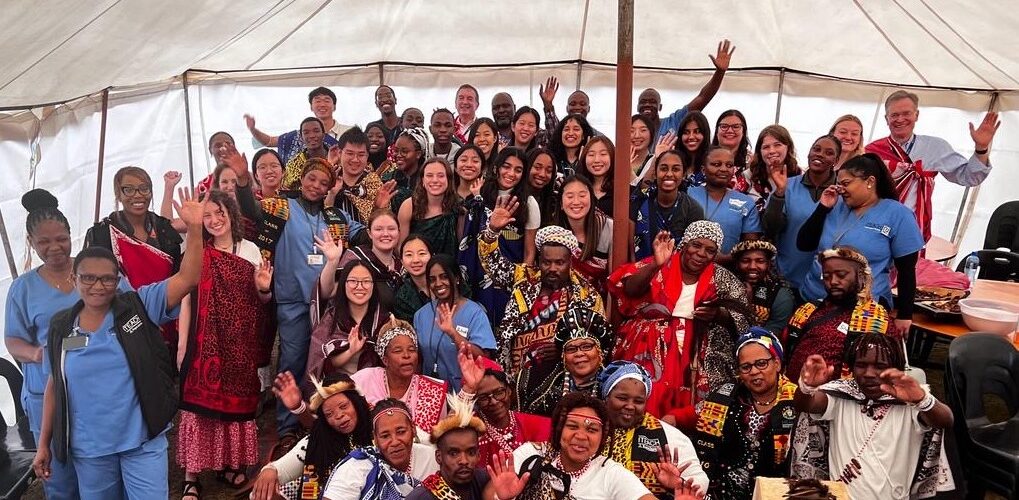
After three years off, the Ragon-MIT course HST.434 returned this January to provide 24 students a once in a lifetime learning experience.

Nick Kolev | Ragon Institute
April 1, 2024
Unusual Labmates: Nature’s Peter Pans

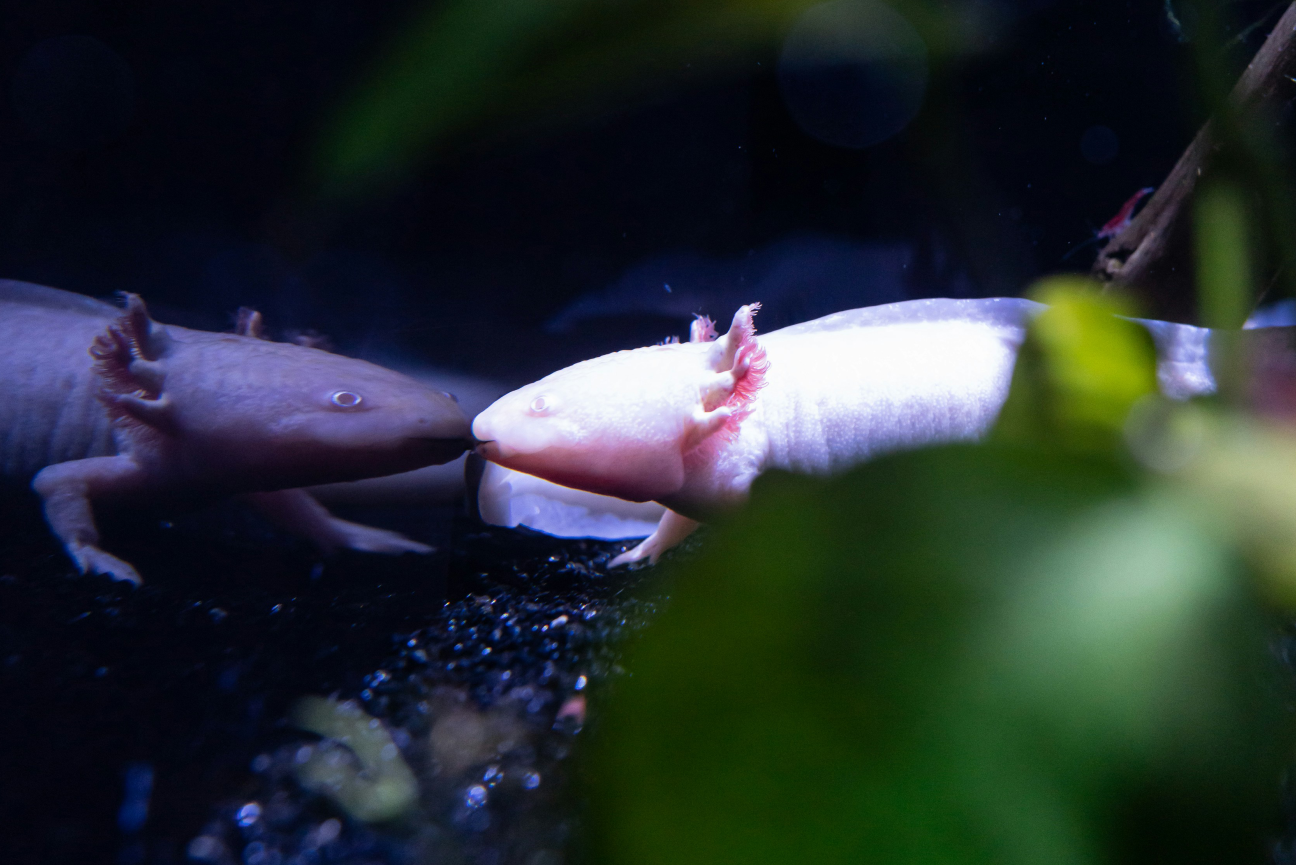
Axolotls can regrow whole body parts, from tails and limbs to even parts of their brain and spine, making them fascinating research subjects, and their unique looks have been captured in art and culture in their native Mexico and beyond. Recently, Peter Reddien’s lab has added axolotls to their list of regenerative specimens with a research project led by graduate student Conor McMann.

April 4, 2024
Endowed Chairs fuel pioneering Whitehead Institute Science

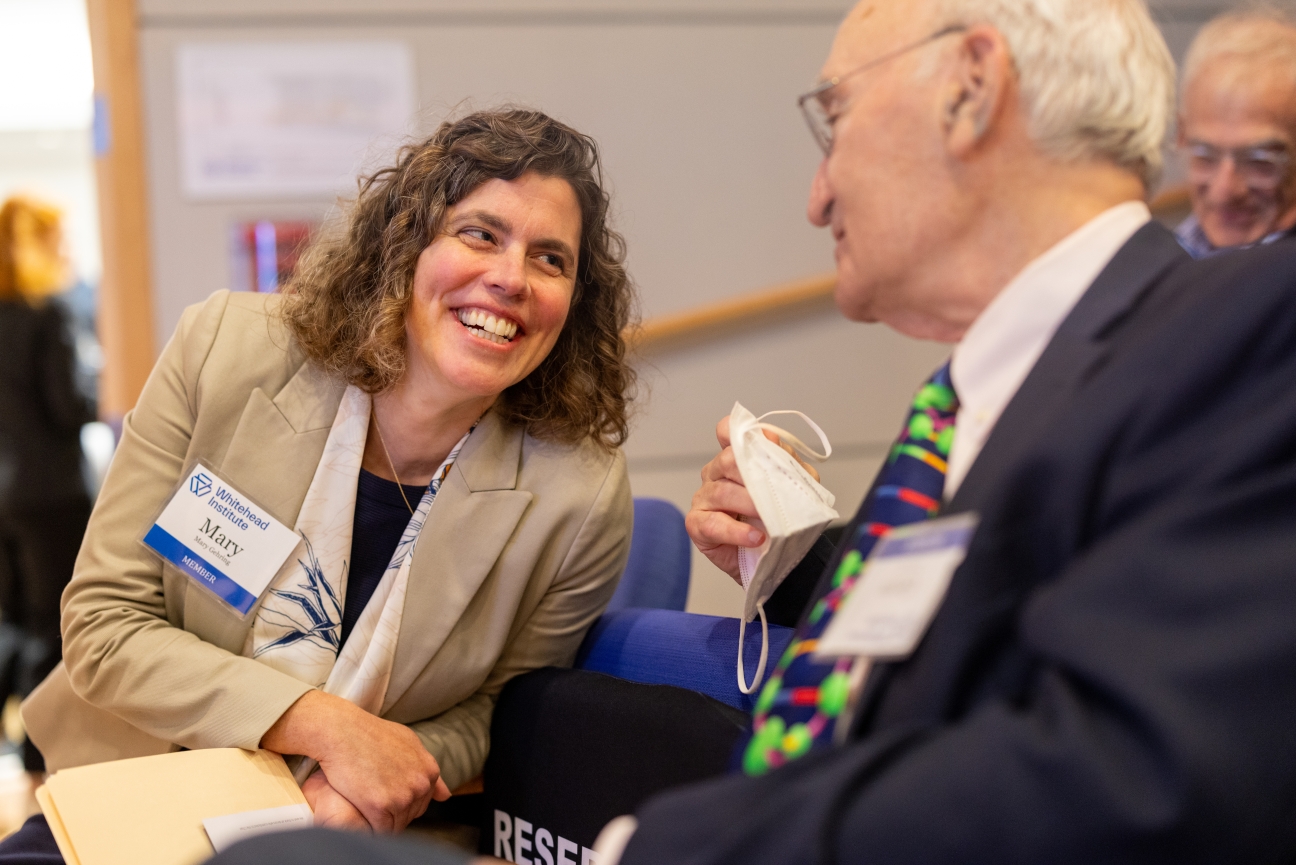
Endowed chairs are generally created through philanthropic gifts from individual donors, organizations, or groups of donors honoring a specific person. The chairs — of which the Institute currently has five — provide steady, predictable funding to support investigations in Members’ labs, including: Whitehead Institute Member Iain Cheeseman, who — in addition to being a professor of biology at Massachusetts Institute of Technology (MIT) — holds the Margaret and Herman Sokol Chair in Biomedical Research; Yukiko Yamashita — Whitehead Institute Member, professor of biology at MIT, and Howard Hughes Medical Institute Investigator — the inaugural incumbent of the Susan Lindquist Chair for Women in Science; Jonathan Weissman — Professor of Biology and Whitehead Institute Core Member and HHMI Investigator — is the inaugural holder of the Landon T. Clay Professor of Biology Chair. In 2020, Mary Gehring — Professor of Biology, Graduate Officer, and Core Member of the whitehead Institute Core Member and David Baltimore Chair in Biomedical Research, Whitehead Institute was named the inaugural holder of the Clay Career Development Chair. In 2023, Gehring was succeeded by Sebastian Lourido, associate professor of Biology and Core Member of the Whitehead Institute.

April 2, 2024
Fascination with regeneration led to summer program at MIT

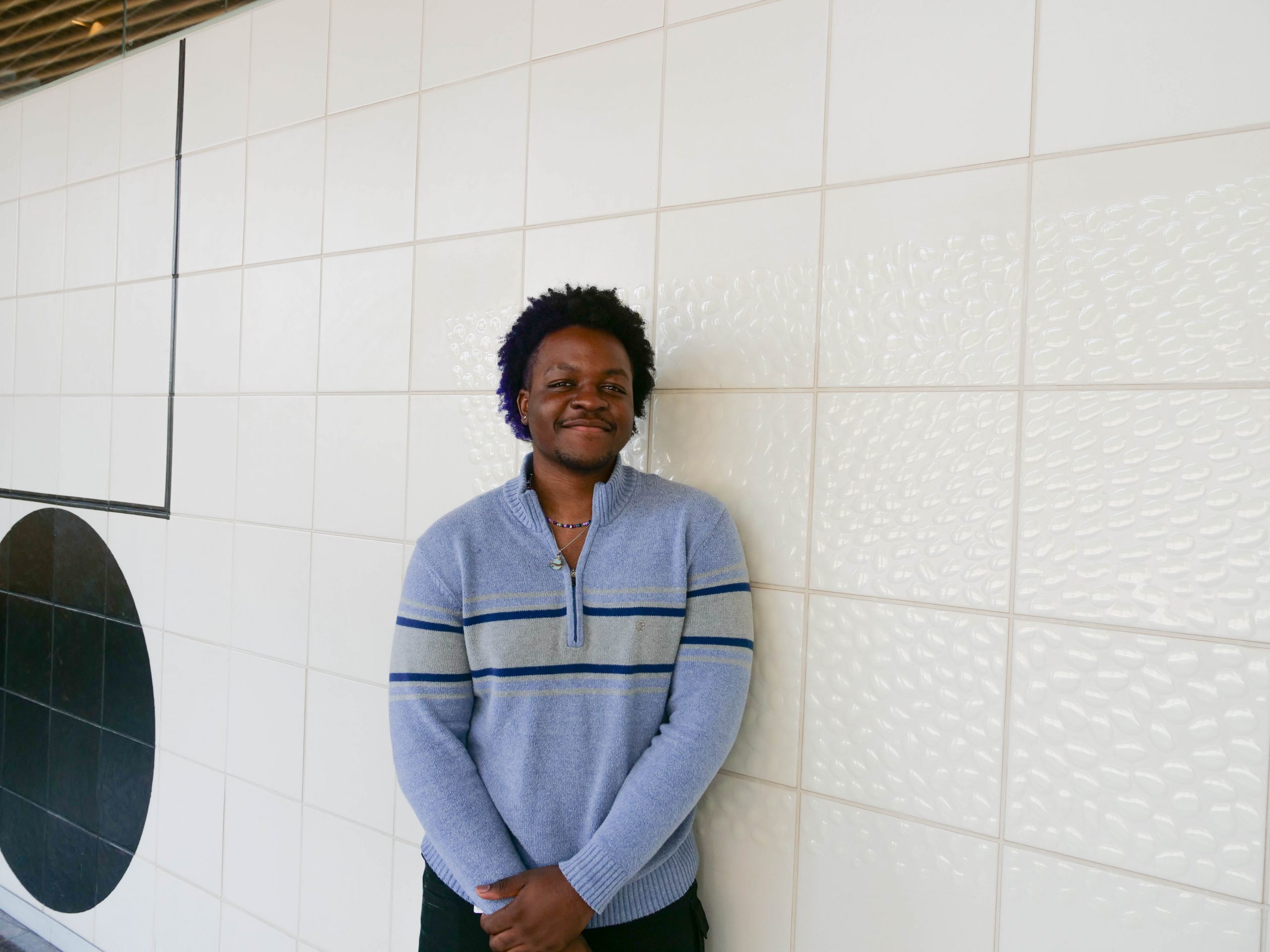
Cryille Teforlack spent the summer investigating eye regeneration in flatworms as part of the BSG-MSRP-Bio program.

Lillian Eden | Department of Biology
September 15, 2023

Cyrille Teforlack first stumbled across the work of MIT Professor of Biology Peter Reddien on YouTube while Teforlack was taking a cell biology class at Bethune-Cookman University, where he is now a rising senior. Teforlack became fascinated by Reddien’s work on regeneration in planarians, freshwater flatworms. 

“That was how I figured out what kind of science I was interested in. I remember watching the video over and over,” Teforlack recalls. “I was like, ‘I have to figure out where this guy works.'”

The answer was, of course, at the Whitehead Institute, where Reddien is a Core Member and Associate Director. Teforlack spent the summer working in Reddien’s lab as part of the Bernard S. and Sophie G. Gould MIT Summer Research Program in Biology (BSG-MSRP-Bio). The program offers students the opportunity to work on cutting-edge research that isn’t available at their home institutions. 

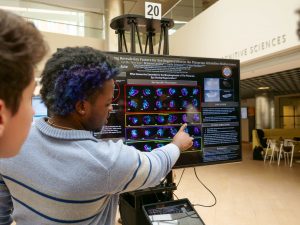
Teforlack showed a small sampling of regenerated eye traits at the 2023 BSG-MSRP-Bio poster session at the beginning of August

During the summer, Teforlack was working on eye regeneration and how different proteins and secreted factors affect the planarian’s cartoon-like crossed eyes. To understand the underlying requirements for regeneration, Teforlack used a technique called RNA interface (RNAi) to silence genes and see how it affected the planarian’s morphology when they regenerated. 

The phenotypes Teforlack saw—he had a list of more than 100 candidate genes to work with—ranged from barely noticeable to strikingly defective. He studied regeneration by slicing off the head of the worm to see how the head regenerated and removing the eyes from the intact head to see how just that organ regrew. 

“The eye has some connections to the brain and the rest of the body,” Teforlack explains. “But when you cut off their head, there’s no brain—but they can still regrow everything. It’s a no-brainer.”

However, some gene changes proved fatal or didn’t result in regeneration—the flatworms died and melted away. Teforlack didn’t realize that at first, however. There was one instance early in the program when he went to feed some worms—and was shocked to find they were missing. 

“It was a really scary day for me in the lab,” Teforlack jokes. “I lost 12 worms, somehow. But I remember feeding them yesterday. How do you lose worms?” 

Other phenotypes were more successful—showing atypical structures in the regenerated head or eyes. The optic cup of the eye regenerated in the wrong shape, for example, or separated in the middle as it regenerated. 

Teforlack has been surprised by how much is still unknown about planarian regeneration. For example, a particular gene is expressed when the worm needs to regenerate wounded tissue on the half of the body facing the head, as opposed to the tail; it is unclear, however, how the planarian body detects which side the wound is on. . 

“Even though it’s basic science, it’s still so intricate, and there’s so many little things that can build up to culminate in a bigger question,” Teforlack says. 

Teforlack became known as “the worm guy” among his fellow students.

“Having a cool organism to talk about makes talking about it more exciting for myself, and for everyone else that’s listening,” he says. “This is something I never thought I would be a part of. It feels really great to be at a cutting-edge place doing really cool research.” 

In addition to hands-on lab work, MSRP-Bio students often meet to discuss their work and do activities together. Teforlack says the program created plenty of opportunities to find community in his cohort, from arts and crafts to dodgeball.

The program also offers professional development activities like presentations from faculty including with the undergraduate and graduate officers Adam Martin and Mary Gehring to answer questions about applying for graduate school. Teforlack says he also found that faculty, despite their busy schedules, are always willing to take time out of their day for a chat.

“It’s been cool to meet all these different people and see the diversity of science that goes on and how many of them collaborate together on a variety of different projects,” Teforlack says. “This experience has helped me think like a scientist and value my own opinions. Being in an environment where your ideas are accepted, and you can learn from these scientists, has been really exciting.”  

Teforlack worked closely with HHMI staff scientist Lucila Simone and graduate student Bryanna Canales. Canales herself participated in the program. As an MSRP-Bio student, Canales worked on metastasis in zebrafish in the lab of Daniel K. Ludwig Professor for Cancer Research, and Koch Institute Intramural Faculty Richard O. Hynes

Canales says explaining her work to her peers during her time in MSRP-Bio was invaluable because it was more like teaching—she had to explain things in simple terms and found she was not the only one who sometimes struggled to do that. 

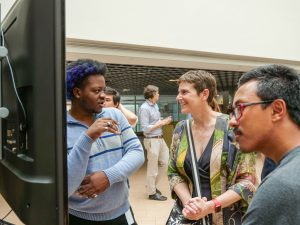
Cyrille Teforlack, left, discussing his project on flatworm eye regeneration with attendees of the 2023 BSG-MSRP-Bio Poster session, including Department of Biology Head Amy Keating.

“The program made me feel more comfortable talking to people that I could learn from,” Canales recalls. “The MSRP-Bio experience humanized the institution and the people here. Everyone here is really smart, but going through the process with the students in my cohort, it feels like less of a big deal if you don’t know something.” 

Canales says she’s seen Teforlack’s confidence grow this summer, taking the initiative and staying one step ahead instead of asking what he should be doing. 

“It’s been nice to know that I can do science by myself—more or less—and still feel accomplished and know that everything I’m doing is the correct step, and if it’s not, I know how to troubleshoot things,” Teforlack says.

Teforlack’s work culminated in a poster session in August for MSRP-Bio students, where he showed some of the defective phenotypes he was characterizing and a short movie of the planarians eating the RNAi delivery system: liver. 

“Cyrille showed a captivating movie of the small worms eating liver laced with double-stranded RNA that can downregulate specific genes,” says MIT Biology Department Head Amy Keating. “He also had beautiful images of the resulting phenotypes, which included disrupted optic cup structure. I always learn something new at the MSRP poster session!”

Long term, Teforlack plans to pursue a PhD in stem cell biology, and he says the program has reinforced that desire. 

“It’s been cool to be around so many scientists,” Teforlack says. “Ten weeks isn’t enough time for anyone to learn anything perfectly. I’m excited to grow as a researcher.” 

Although the MSRP-Bio program has come to a close for 2023, Teforlack’s time isn’t done in Reddien’s lab: he will return to continue his work in 2024. 

“The MSRP program is a great opportunity for students to directly immerse in research here at MIT and to learn new concepts and methods,” Reddien says. “Cyrille was a terrific student and contributed a lot over the summer. I look forward to seeing his next steps with research into regeneration.”