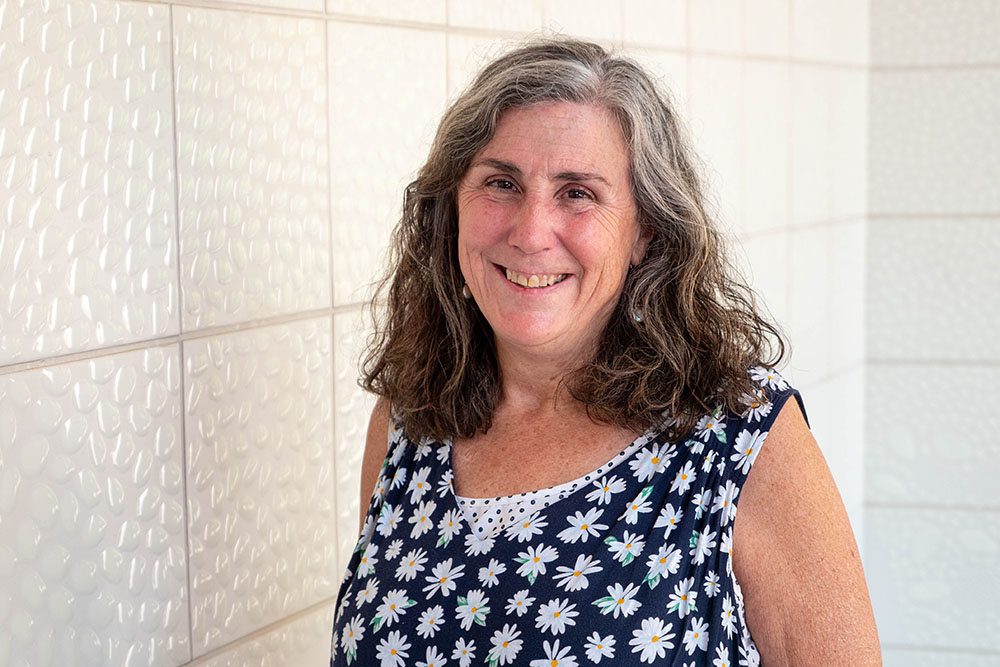
Harriet having it all

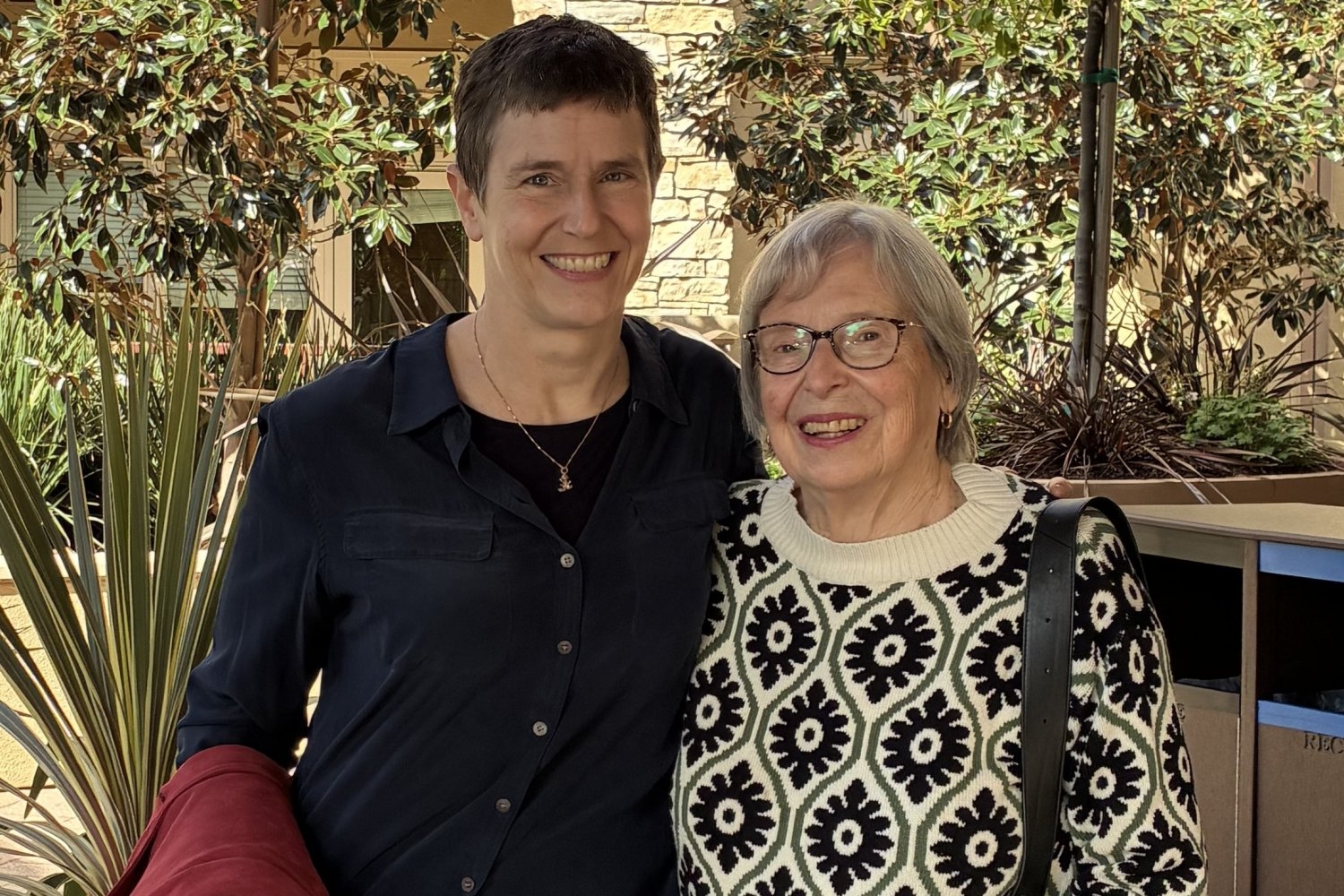
From Boston to Moscow and across the U.S., Harriet Latham Robinson SM ’61, PhD ’65 has balanced an exciting career at the forefront of molecular biology with family, friends, and adventure.

Lillian Eden | Department of Biology
June 12, 2026

In winter 1997, at age 60, when many researchers might be looking forward to retirement, Harriet Latham Robinson SM ’61, PhD ’65 was pursuing a faculty position as the chief of microbiology and immunology at the Yerkes National Primate Research Center at Emory University in Atlanta, Georgia.

She got the job.

There, she would also co-found GeoVax, a biotechnology company, based on her preclinical research, including work on developing an HIV-1 vaccine.

Often, as the only woman in a room throughout much of her career, and in the still-developing and male-dominated field of molecular biology, her colleagues were referred to as “doctor” or “professor” at scientific symposia and committee meetings.

“In contrast,” she recalls, “I was Harriet.”

Becoming a scientist

Robinson was born in 1938, the second of four children, to a mother, Ruth, and a father, Allen, from Ohio and Connecticut, respectively. After finishing grammar school, she attended the Girls’ Latin School, a public magnet school for college-bound young women. Although the school offered only two classes in science — one semester of chemistry and a health class — Robinson credits her time there for inspiring a lifelong love of learning, especially history and languages.

“At our 50th and 60th high school reunions, I was struck by what my Girls’ Latin school classmates had done with their lives,” she says. “We had become not only wives, mothers, teachers, and nurses we were supposed to become, but also physicians, lawyers, professors, politicians, and businesswomen.”

Robinson pursued her undergraduate studies at Swarthmore College, where she intended to study political science. After an introductory biology course, however, she switched her major. Despite the shift, a love of languages persisted: Robinson took Russian and, the summer after her senior year of college, served as a Russian-English speaking guide at the 1959 American National Exhibition in Moscow. Despite mounting tensions between the United States and the Soviet Union, she served again in a similar role from September 1961 to January 1962 for a traveling transportation exhibition in Russia and Ukraine, where she was stationed by a Ford Thunderbird, wearing a TWA stewardess uniform.

“We were true entertainment, as well as education, and I worked to do my best to answer questions about America,” she says. “I was most surprised by the pride the Russian people took in the post-World War II accomplishments of their country.”

Robinson might not have had a career in science at all had it not been for a dean at Radcliffe College who recognized Robinson’s interest in science. Robinson had thought it appropriate, as a young lady, to pursue marriage and to only further her education to become a teacher or nurse. Seeking permission to take chemistry instead of education courses to fulfill requirements for getting a teaching degree, she was referred to a dean who considered it perfectly appropriate for a young woman to pursue another career. Robinson recalls that the dean declared, “My dear, you want to be a scientist.”

The foundation for a career

Robinson was soon accepted at MIT and was offered a fellowship to teach in an introductory biology lab to help pay her way. She returned from Moscow just five days before the start of a master’s program in biochemistry. In the Department of Biology at MIT, there were only a handful of women, no female faculty, and few ladies’ rooms in 1959.

It was there that she met Walter “Wally” J.K. Tannenberg, a onetime partner but lifelong friend and companion, an MD taking courses at MIT. He wasn’t “at all taken aback by my becoming an educated woman,” Robinson says. He taught her to ski, and they sailed his lightening, the Ondine, in circles around Robinson’s parents’ comparatively slow motor sailor, the Palometa.

Their breakup just before the winter holidays in 1963 precipitated her reentry to graduate school, to pursue her thesis work in the lab of Jim Darnell; she threw herself into studies to sit a qualifying exam less than a month after reentry.

“A Bell Labs physicist who had just joined the Darnell Lab opined that any concept in biology could be mastered in two weeks,” Robinson says. “Much to everyone’s amazement, I not only passed my qualifying exam, but did much better than expected.”

It was at the University of California at Berkeley during her postdoctoral work that she met her husband. Although the marriage would not last the test of time, Robinson and her husband were blessed with three boys, each 13 months apart.

Robinson knew that she wanted to take time away from her career to stay home with her children before they entered primary school. As a graduate student at MIT, to prepare for both having a career and pursuing motherhood, Robinson hired a housekeeper and committed to being in the lab for only a typical 9 a.m. to 5 p.m. workday. If she were to compete with her male counterparts and be with her children, she needed to be able to get things done while working short hours.

Robinson successfully completed her thesis work in just over two years.

“The difference between bearing children and rising up professional ladders is that you can start up the professional ladder after you are 40,” she advises. “Such is more problematic for having children.”

Robinson’s thesis work at MIT concerned how DNA, which is identical in all cells of an organism, produces different cell types from the same genetic blueprint. She explored this question through the lens of messenger RNA, a gene product that determines which DNA sequences are expressed in a cell. Later, her work on cancer-causing viruses in chickens would help lay the groundwork for gaining insight into genes that can cause tumors to form.

“In contrast to becoming a wife, becoming a PhD from MIT did not falter, but rather provided me with the foundations for a career I loved in which I used molecular biology and chickens to study the genetic basis of cancer and pioneered the use of DNA as a new method of vaccination,” Robinson says.

Cancer-causing viruses

Robinson, supported by an National Science Foundation fellowship, pursued postdoc training at the University of California at Berkeley, in the lab of Harry Rubin. The Rubin Lab specialized in work on a virus known to cause cancer: the Rous sarcoma virus, which causes rapid tumor onset when introduced into chickens. RNA, it had recently been discovered, was the underlying genetic cause of tumors developing in chickens exposed to the Rous sarcoma virus. It cannot, however, do this deadly work without co-infection with something called a helper virus — in this case, avian leukosis virus.

Both Rous sarcoma virus and its helper viruses were retroviruses, which can make DNA copies from RNA sequences, a departure from the previously accepted dogma that DNA is only transcribed into RNA, and not the other way around.

Robinson joined the Worcester Foundation for Biomedical Research in 1977, where she continued research on Rous helper viruses and had the opportunity to run her own lab for the first time. In 1998, she was recruited to be a professor of pathology at the University of Massachusetts Medical Center. While there, she conducted pioneering studies on the use of DNA for vaccination and worked on developing an AIDS vaccine.

In 1999, she moved again, this time to step into the role of chief of microbiology and immunology at the Yerkes National Primate Research Center at Emory University, where she began testing her candidate HIV vaccines in primates. While at the University of Massachusetts and Emory, Robinson and her lab used DNA vaccines, both with and without a poxvirus booster vaccine provided by Bernie Moss at the National Institutes of Health, to immunize animals against influenza, HIV, measles, and Ebola.

“From the early days of DNA vaccines, I had wanted to start a company to help move DNA vaccines from bench to bedside,” she says.

Thus, GeoVax, short for “Georgia Vaccines,” was born. Robinson co-founded it with Don Hildebrand in 2001 after her move to Yerkes; Robinson would serve as chief scientific officer and a member of the board of directors during her tenure at the company.

GeoVax successfully moved Robinson’s candidate AIDS vaccine into human clinical trials. These trials were stopped due to the generally poor performance of HIV vaccines in clinical trials, compared to the outstanding therapeutic potential of more recently developed anti-HIV drugs. GeoVax, however, continues to work on vaccines for Mpox, Covid-19, and Ebola, and has expanded its scope to include a cancer treatment.

A well-deserved retirement 

After rounds of good-natured roasting from colleagues at Emory University and GeoVax, Robinson retired and has been enjoying returning to Palo Alto, California, where her oldest son, Bill, and his wife now live.

Ultimately, Robinson hopes that her story can encourage everyone, especially young women, not to let pursuing a challenging and enriching career prevent them from realizing the dream of having a family.

“I have had a wonderful life, far exceeding what I ever could have anticipated,” Robinson says. “I have had international adventure, the romance of a man who truly loved me, the joy of motherhood, and the warmth, wonder, and adventure of family and friends, and last, but not least, the exhilaration of a career in molecular biology.”

Advancing stem cell research and building the next generation of biologists

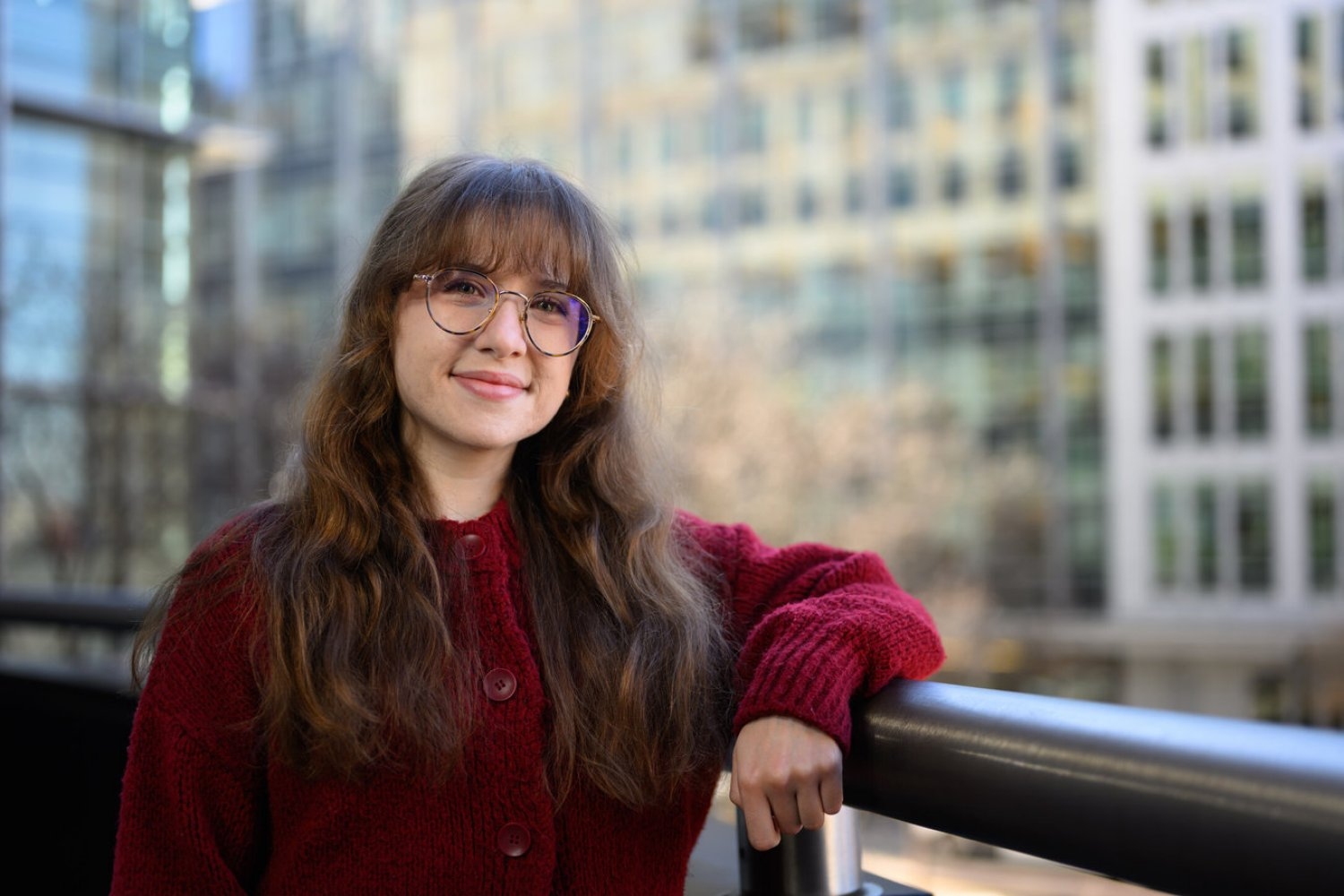
Biology PhD student Giselle Valdes (Reddien Lab) studies stem cell regeneration while encouraging aspiring students and researchers.

Stefanie Koperniak | Division of Graduate and Undergraduate Education
June 11, 2026

As an undergraduate at Florida International University, Giselle Valdes tackled rigorous studies in the school’s Honors College while simultaneously caring for family members with medical needs.

“I think that the choice to pursue any field in the space of biology and medical research was entirely shaped by having to be there for my family,” says Valdes.

As a McNair Scholar and biomedical engineering major who also did extensive research in biochemistry, she leaned more toward undergraduate courses in mechanical and electrical engineering that were geared primarily toward equipping students to build medical devices. She began to shift her research interests more firmly into biology, however, the summer before her senior year in 2018. She spent 10 weeks on the MIT campus as a participant in the Bernard S. and Sophie G. Gould MIT Summer Research Program in Biology (BSG-MSRP-Bio), working in the lab of Associate Professor Eliezer Calo PhD ’11, also a former BSG-MSRP-Bio participant. The Calo Lab focuses on ribosomes, small cellular particles that translate RNA into proteins, and looks at how mutations in ribosome development can lead to disorders.

After working in Calo’s lab, she could see herself as a biology graduate student at MIT. In January 2019, she attended the MIT biology department’s Quantitative Methods Workshop, a weeklong, intensive workshop designed to introduce non-MIT undergraduates to tools and programming languages used to analyze experimental data in biology and neuroscience. While there, she was elated to receive an email from the department inviting her to interview for the PhD program. She was accepted and began her doctoral studies in the fall of that year.

“When I think about my experiences at MIT, both as an undergraduate in MIT programs and as a PhD candidate in biology, I think about all the great mentors who have helped me along the way,” says Valdes. “I’ve also really valued the richly collaborative community, and being able to take a lot of risks in how I address the questions I have the opportunity to pursue.”

Researching stem cell regeneration

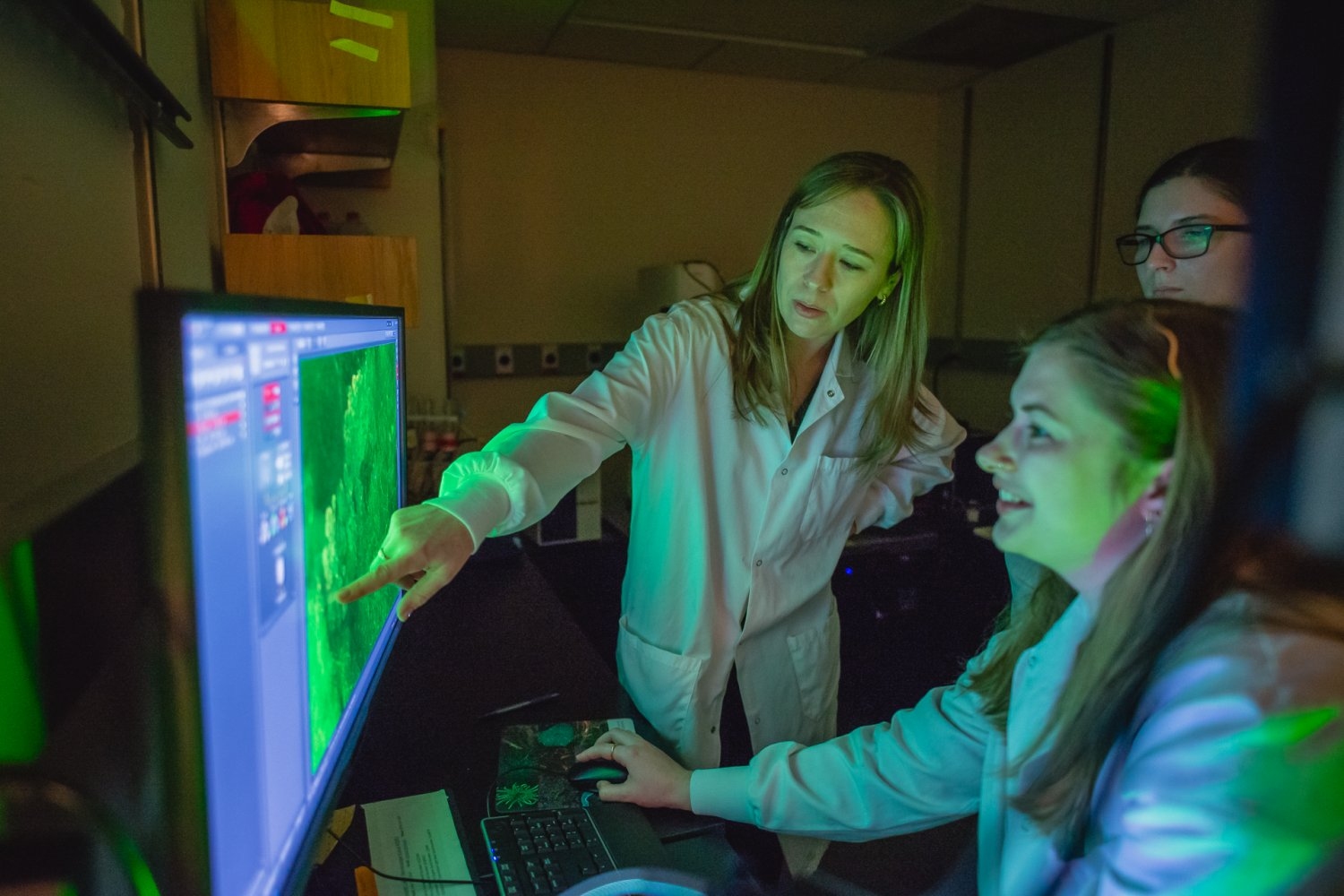
Since she came from a biomedical engineering background, Valdes spent the first year of the biology doctoral program taking foundational biology courses and working in different labs to decide which type of research she wanted to do. She gravitated toward cell and developmental biology and joined the lab of Professor Peter Reddien, associate director of the Whitehead Institute for Biomedical Research. Valdes was awarded an MIT Fund for the Future of Science Fellowship to support her research.

“Giselle is doing terrific work on a fundamental problem related to adult stem cells and regeneration — how do progenitor cells choose what cell types to make? Fate choice in progenitors is typically studied in embryogenesis, and how it occurs in the context of adult regeneration is poorly understood and very important to address,” says Reddien.

Valdes has worked extensively with stem cells in highly regenerative flatworms, called planaria. analyzing the process of “cell fate choice,” or how cells determine which specific cell types and functions to develop. To date, Valdes, Reddien, and other researchers have studied “neighborhoods” of neoblasts (adult stem cells) and their fate choices, finding that different neighboring stem cells often chose different fate options — suggesting that cell fate choices are largely made by processes autonomous to individual cells.

Her current research aims to better understand the driving mechanism for cell fate choice, both within planaria and an additional model system: the evolutionarily distant acoel Hofstenia miamia.

“A lot of the things I’m doing in my current project have involved developing techniques that didn’t previously exist in our model organism,” says Valdes.

Working on model systems with limitations in the toolkit traditionally available to more well-established systems, such as transgenics, has allowed her to be creative in the techniques she applies to determine how stem cells choose what to become. It has also opened doors to collaborations, such as one with Ye Zhang of the Manalis Lab in the biological engineering department (now an assistant professor of biomedical engineering at Virginia Tech), that have allowed Valdes and team to sort neoblasts in novel ways based on their morphology, and better relate that to their dynamic state.

In summer 2024, Valdes mentored a BSG-MSRP-Bio student who now works with her on a current research project.

“She’s been with me as a technical assistant in the lab now for over a year, and we’ve been able to work on one of my projects together,” says Valdes. “It’s been exciting to come full circle in this way.”

Teaching and mentoring, near and far

In addition to her research, Valdes devotes a lot of her time to teaching and mentoring, both for MIT biology students and younger students discovering an interest in STEM.

“It’s been so rewarding to have a lot of opportunities to do for others what has been done for me,” she says.

Valdes has worked with secondary students both locally and abroad. She participates in the biology department’s developmental biology lab for high-school students and teaches in an annual biology lecture series for high schoolers. She has worked with the Enroot program from Cambridge Community Services, acting as a direct mentor to local high-school and community college students. At the Whitehead Institute’s Expedition: Bio program, for middle- and high-school students, she runs a planarian workshop. And she gives lab tours through the Whitehead Discovery Lab initiative, engaging in discussion with local high-school students.

Valdes has also assisted with a hackathon for Sprouting, a social impact venture providing STEM education opportunities to under-resourced communities in Puerto Rico. Sprouting was launched by Taylor Baum, a doctoral student in MIT’s Department of Electrical Engineering and Computer Science. Valdes taught coding essentials to Spanish-speaking middle- and high-school students in Puerto Rico.

“That was really emotional,” says Valdes. “The parents were so grateful, and there were kids who were clearly brilliant and gifted. They were able to really take off with the tools that we gave them.”

In her department, Valdes has been a teaching assistant for classes 7.003 (Applied Molecular Biology Laboratory) and 7.03 (Genetics). She is also a teaching assistant for the Quantitative Methods Workshop and teaches a Python module to students in the program.

“Giselle may be quite small in physical stature, yet she dominates the room when she speaks, and commands the full attention of an audience of 80 students when giving a lecture,” says Mandana Sassanfar, a biology senior lecturer and director of outreach who runs the Quantitative Methods Workshop. “She is highly respected both for her knowledge and the way she interacts with people. She is extremely approachable, very generous with her time, and always very supportive and encouraging. She is a wonderful mentor, teacher, and scientist.”

Valdes says she is always happy to help mentor undergrads and graduate students. She is co-founder and coordinator of the MIT Biology Application Assistance Program (BAAP), which aims to demystify the graduate school application process and offer interested applicants the tools and direct mentorship necessary for putting together a successful application. She also helped to coordinate, and has been an active participant in, the MIT BioPals Program, a student-organized peer mentorship initiative within the department that connects incoming first-year graduate students with senior graduate students. During the Covid-19 pandemic, this program provided critical support and social connection for new students navigating remote learning and social distancing.

After she completes her doctoral program, she envisions pursuing a postdoc and, ultimately, a faculty role, citing her passion for both academic research and teaching.

“My goal is to stay in academia in some way,” says Valdes. “I love mentorship and curiosity-driven science.”

Biologist Joey Davis explores how cells build complex structures

His studies have shed light on the assembly instructions that govern ribosomes, the critical protein-building machines of the cell.

Anne Trafton | MIT News
May 5, 2026

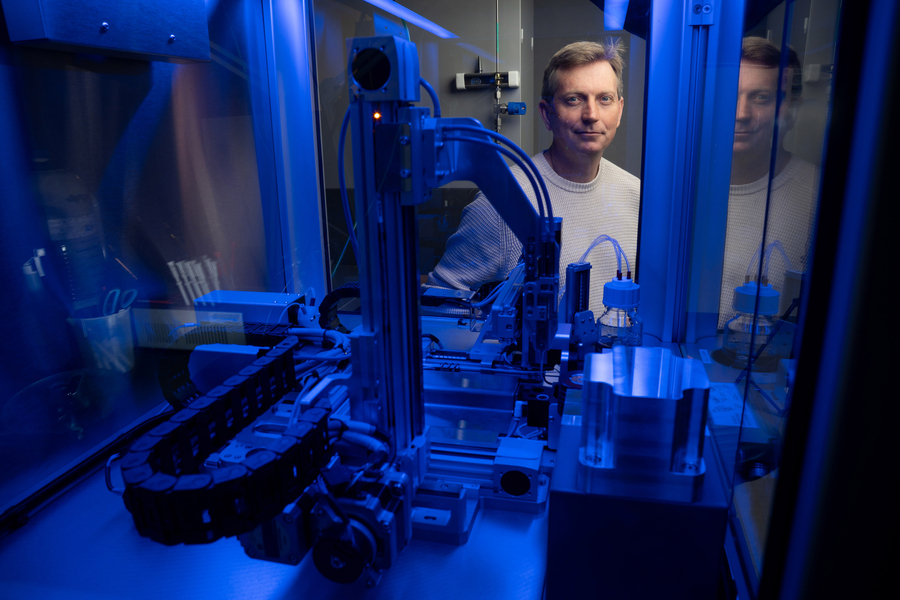
Ribosomes, the cellular machines that assemble proteins, are made from dozens of proteins and RNA molecules. Putting all of those pieces together is a complex puzzle — one that MIT Associate Professor Joey Davis PhD ’10 revels in trying to solve.

Understanding how these structures form and later break down could help researchers learn more about how disruptions of these fundamental processes can lead to disease. But, as Davis points out, it’s also an interesting biological question.

“Our long-term goal is to really understand how the natural world assembles these huge complexes rapidly and efficiently. It’s a fundamentally interesting question to think about how these things get put together,” he says.

His work has helped reveal that unlike building a house, which happens in a prescribed sequence of steps — pouring the foundation, building the frame, putting on the roof, then doing electrical and plumbing work — ribosomes can be assembled in a more flexible way. Cells can even skip an assembly step and then come back to it later.

“In these natural systems, it seems like the assembly pathways are much more dynamic and flexible,” he says. “It appears that evolution has selected pathways that aren’t strictly ordered in the way we would think about an assembly line, where you always put in one component, then the next, and then the next. We’re excited to understand the selective advantages of such approaches.”

A love of discovery

Davis’ interest in how things are put together developed early in life, inspired by his father, a carpenter who framed houses. During the mid-1980s, the family moved from Colorado to Southern California, where his father worked in construction during a housing boom there.

“I was always interested in building things, which I think probably came from being around my dad and other builders,” Davis says.

As an undergraduate at the University of California at Berkeley, where he majored in computer science and biological engineering, Davis’ interests turned toward smaller scales, in the realm of cells and molecules. During his junior year, he started working in the lab of chemistry professor Michael Marletta, who studies molecular-level biological interactions.

In the lab, Davis investigated how enzymes that contain heme are able to preferentially bind to either oxygen or nitric oxide, two gases that are very similar in structure. That work kindled a love of studying the natural world and pursuing discoveries in fundamental science.

“Being in the Marletta lab and seeing students and postdocs that were really passionate about these problems had a big impact on me,” Davis says. “The goal was to understand the fundamentals of how molecular discrimination works, and the idea of discovery for the sake of discovery was thrilling.”

After graduating from Berkeley, Davis spent another year working in Marletta’s lab, and then a year working odd jobs, before heading to MIT to pursue a PhD in biology. There, he worked with Professor Bob Sauer, now emeritus, who studied the relationship between protein structure and function, with a particular focus on the molecular machines that degrade or remodel proteins.

Davis’ thesis research centered on enzymes called AAA proteases, which remove damaged proteins from cellular membranes and send them to cell organelles that break them down. In addition to studying the structure and function of the proteases, Davis worked on ways to engineer them to tag specific proteins for destruction.

That work led him into synthetic biology, which he used to develop genetic parts that drive production of proteins of interest. Some of those parts ended up being used by the biotech startup Ginkgo Bioworks, where Davis took a job as a senior scientist after graduating.

Working at Ginkgo Bioworks allowed Davis to stay in Boston while his partner finished her PhD. The couple then moved back to California, where Davis worked as a postdoc at Scripps Research, which was home to one of the first direct electron detection cameras for cryo-electron microscopy (cryo-EM). These detectors allow researchers to generate structures with near atomic resolution. At Scripps, Davis began using them to study ribosomes as they were being assembled.

Peering into the ribosome

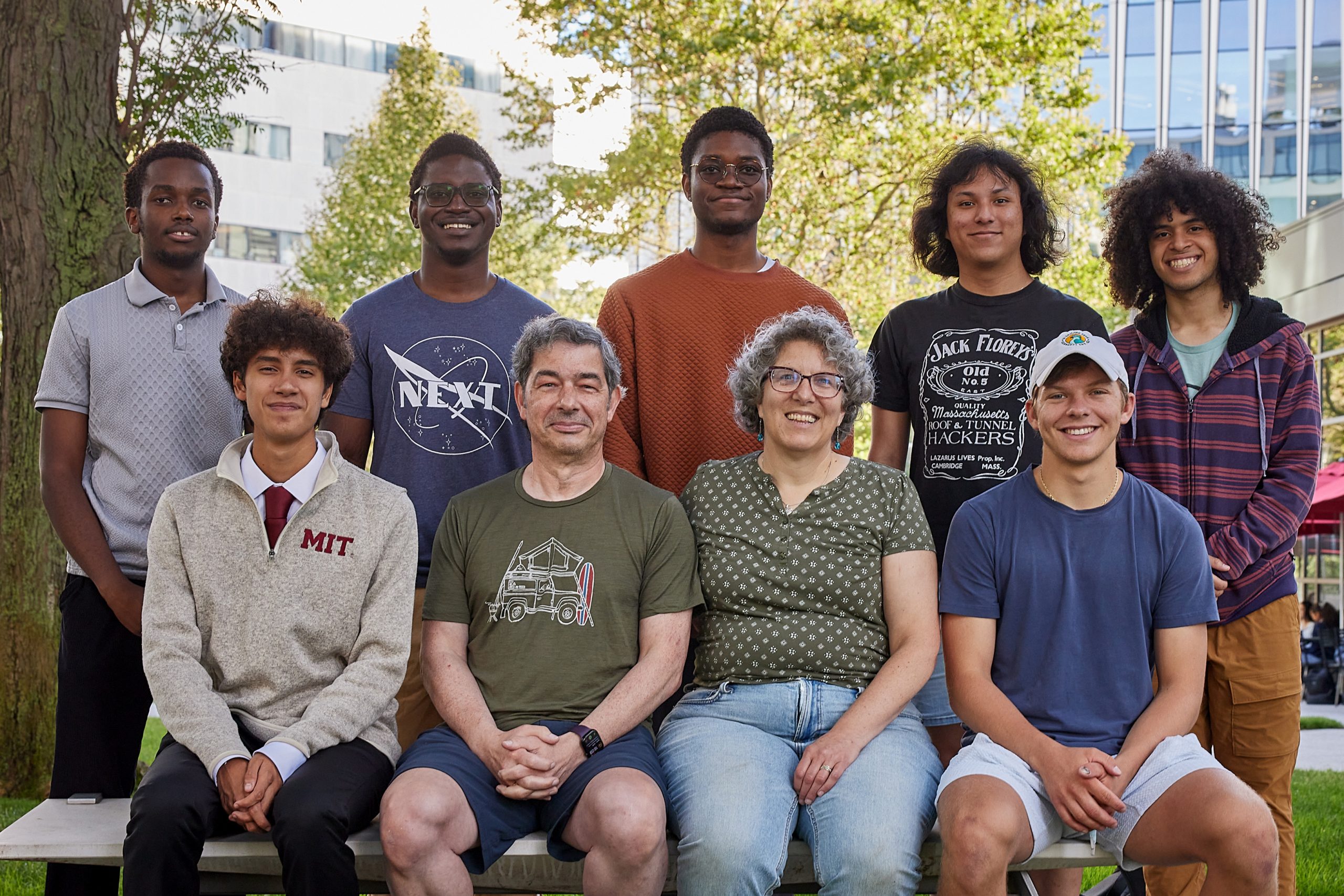
After joining the MIT faculty in 2017, Davis continued his work on ribosomes and assembled a lab group that includes students from a variety of backgrounds who work together to develop new ways to explore biological phenomena.

“I have a mix of method developers and biologists in the group, and the work from each of them informs each other,” Davis says. “My lab goes back and forth between building sets of tools to answer biological questions, and then as we’re answering those questions, it motivates the next generation of tool development.”

During ribosome assembly, RNA molecules fold themselves into the correct shapes, creating docking sites for proteins to attach. Then, more RNA molecules come in and fold themselves into the structure.

“It’s a beautifully coupled process by which the cell folds hundreds of RNA helices and binds on the order of 50 proteins, and it does it in two minutes from start to finish. E. coli does this 100,000 times per hour, and it’s amazing how rapid and efficient the process is,” Davis says.

Cryo-EM allows scientists to capture this process in minute detail. It can be used to take hundreds of thousands of two-dimensional images of ribosome samples frozen in a thin layer of ice, from different angles. Computer algorithms then piece together these images into a three-dimensional representation of the ribosome.

To gain insight into how ribosomes are assembled, researchers can stall the process at different points and then analyze the resulting structures. In 2021, Davis’s lab developed a new method called CryoDRGN, which uses neural networks to analyze cryo-EM data and generate the full ensemble of structures that were present in the sample.

This work has shown that when certain steps of ribosome assembly are blocked, many different structures result, suggesting that the assembly can occur in a variety of ways.

In future work, Davis aims to dramatically increase the throughput of cryo-EM to generate datasets of protein structures that could help improve the AI-based models that are now used to predict protein structures.

“There are still huge swaths of sequence space that these models are very poor at predicting, but if we could collect data on those sequences en masse, that could potentially serve as key training data for a next-generation protein structure prediction method that could fill out that space,” he says.

Alumni Spotlight: Caring for Service Dogs

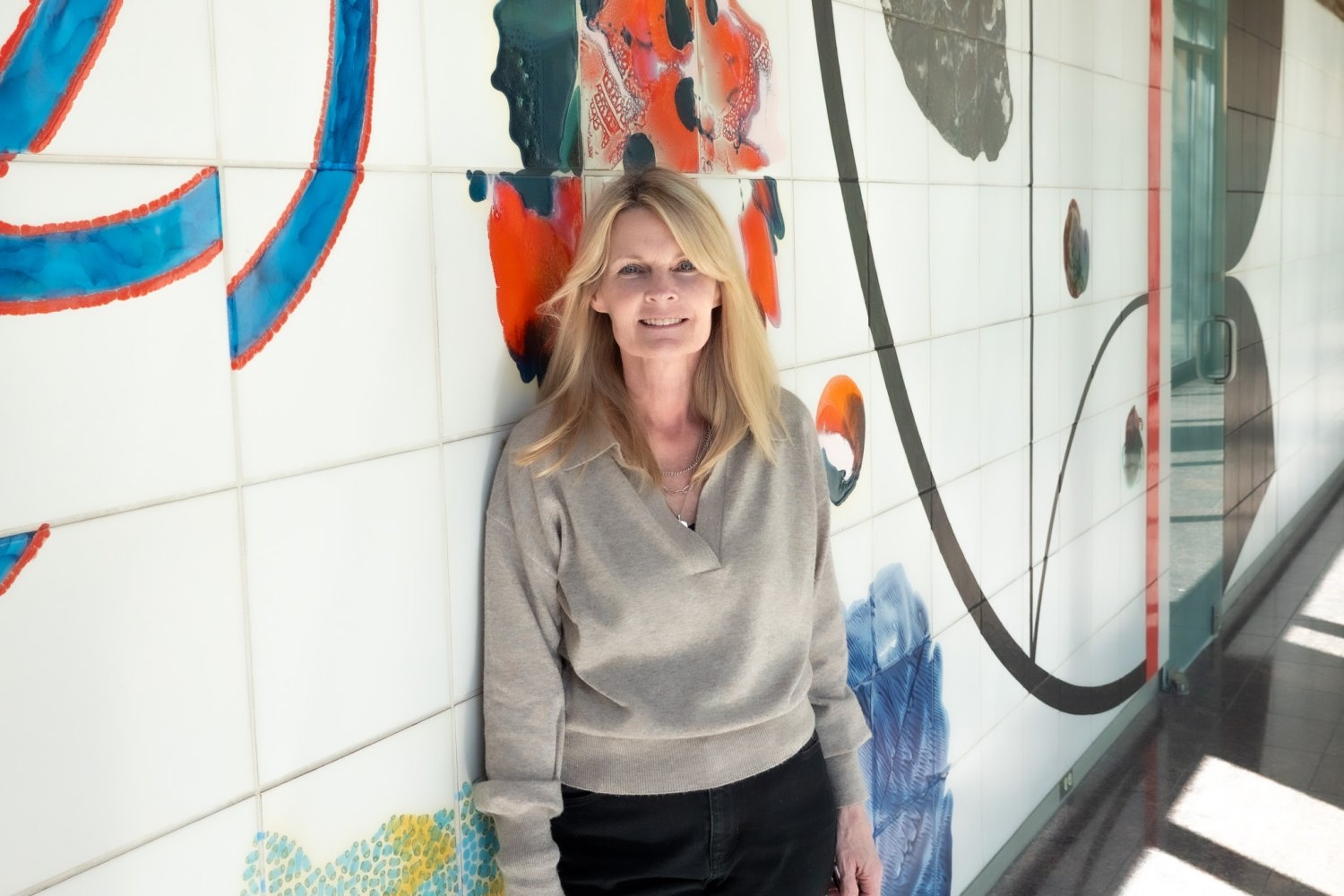
Brenda Schafer Kennedy, SM '93, knows firsthand that sometimes the best medicine comes with four legs and fur. To date, Canine Companions, a California-based nationwide organization for which Kennedy serves as the chief veterinary and research officer, has paired more than 7,000 dogs to provide assistance to children, veterans, and adults with disabilities at no cost.

Kara Baskin | MIT Technology Review
May 1, 2026

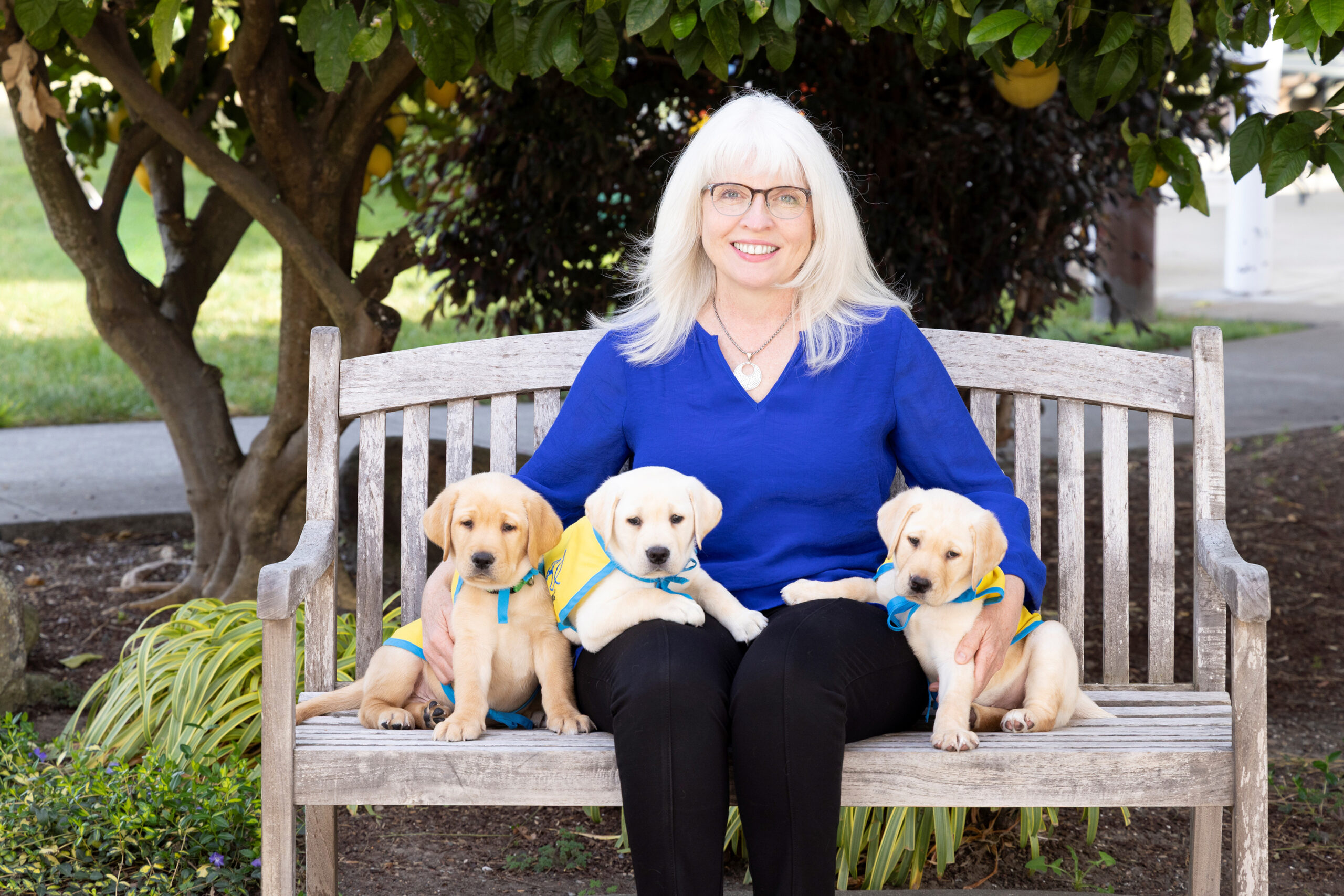
Brenda Schafer Kennedy SM ’93 knows that sometimes the best medicine comes with four legs and fur. Kennedy is the chief veterinary and research officer for Canine Companions, a California-based, nationwide organization that provides assistance dogs at no cost to children, veterans, and adults with disabilities.

“The need is enormous: One in four people in the US has a disability. We have so many people who could benefit from these dogs,” Kennedy says.

While service dogs might be best known for guiding the blind, Canine Companions trains dogs to do such things as open doors for wheelchair users or alert deaf people to doorbells, fire alarms, and other key sounds. Its psychiatric service dogs help veterans suffering from post-traumatic stress disorder—waking them from nightmares, for example. To date, it’s paired more than 7,000 dogs with people in need.

It’s critical to ensure that every service dog placed is healthy, and Kennedy—a veterinarian—spearheads the organization’s efforts to breed dogs with that in mind. “We wouldn’t place a dog that might have a life-shortening or a significant medical issue that a person might have to manage,” she says.

Kennedy also takes the lead in developing tech to support Canine Companions’ work. She is a co-inventor of CanineAlert, a patented device that sends a signal to a dog’s collar so the dog can interrupt a nightmare when its owner’s heart rate spikes. The technology may soon expand to address daytime anxiety episodes.

“These dogs can really be not only life-transforming in terms of providing people with independence, but critically essential and even life-saving,” she says.

An animal lover since childhood, Kennedy earned her undergraduate degree from Northwestern University before coming to MIT for her master’s in biology. “I found incredible mentors at MIT,” she says, noting that she particularly enjoyed working with Professor Hazel Sive, whose lab studied African clawed frogs.

The research was fascinating, but Kennedy wanted to work in hands-on medicine, so she obtained her veterinary degree from Tufts University. She then spent 16 years in private practice. Today, she is delighted to combine animal care with research at Canine Companions. “I had a passion for doing something really mission-oriented,” she says. “I love the idea of helping people through the human-canine bond.”

In addition to providing service, dogs also offer something elemental, Kennedy says: “Dogs add unconditional love to the mix. They support emotional and mental health for people and can be bridges to the community.”

This story also appears in the May/June issue of MIT Alumni News magazine, published by MIT Technology Review.

Photo: Chris Kittredge

Leading with rigor, kindness, and care

“We cannot be effective scientists if we are unhappy or unhealthy outside of the lab,” says “Committed to Caring” honoree Sara Prescott.

Leila Hudson | Office of Graduate Education
March 27, 2026

Professor Sara Prescott embodies the kind of mentorship every graduate student hopes to find: grounded in scientific rigor, guided by kindness, and defined by a deep commitment to well-being. Her approach reflects a simple but powerful belief that transformative mentorship is not only about advancing research, but about cultivating confidence, belonging, and resilience in the next generation of scholars.

A member of the 2025–27 Committed to Caring cohort, Prescott exemplifies the program’s spirit, which honors faculty who go above and beyond in nurturing both the intellectual and personal development of MIT’s graduate students.

Prescott is the Pfizer Inc. – Gerald D. Laubach Career Development Professor in the MIT departments of Biology and Brain and Cognitive Sciences, and an investigator at the Picower Institute for Learning and Memory. Her research addresses fundamental questions in body-brain communication, with a focus on lung biology, early-life adversity, women’s health, and the impacts of climate change on respiratory health.

A culture of compassion

Prescott’s mentoring philosophy begins with a focus on professional sustainability. “We cannot be effective scientists if we are unhappy or unhealthy outside of the lab,” she says.

She pushes back against what she sees as an unhelpful narrative in academia. “There’s this idea that you must choose between a successful PhD or having a personal life. This is a false dichotomy, and a problematic attitude.” Instead, she reminds her mentees that “graduate school is a marathon, not a sprint,” encouraging them to place importance not only on their research, but also on their mental and physical well-being.

This set of values shines through within her lab climate as a whole. Students describe support for flexible scheduling and mental health leave, a willingness to reimburse meals during late-night lab sessions, and encouragement during stretches of experimental failure. In addition to these more technical supports, nominators also shared stories of Prescott engaging in the smaller details: prioritizing connection for her students, celebrating their milestones, organizing lab retreats, and fostering a culture where people feel valued beyond their productivity.

Students recognize Prescott as a safe haven within the often complex and challenging world of research. Joining Prescott’s lab was a turning point for one student who was recovering from a damaging prior mentorship experience. They arrived uncertain, struggling to trust faculty and questioning whether they belonged in science at all. Prescott met them with empathy and professionalism, offering patience and trust not just in their work, but in them as a person. They describe steady support that, over time, helped them “fall back in love with science” and envision a future they had nearly abandoned.

Prescott draws inspiration from the mentorship she received early in her career. As a trainee, she had mentors who helped her believe that she could succeed. Now in a mentoring role herself, she does her best to pass this sense of confidence on to her advisees.

She is intentional about creating space where students can grow without fear. From their very first meetings, one nominator wrote, Prescott emphasized that “graduate school is a place for learning and curiosity.” They never felt judged for not knowing something; instead, they were encouraged to ask questions, share ideas, and take intellectual risks. That environment, the student explained, allowed them to grow into their scientific identity with confidence.

Prescott reinforces this message often. Success, she tells students, grows from effort, learning, and persistence, rather than from fixed traits. When working with students, she does her best to reframe failure as part of the process, emphasizing its importance within the scientific journey. Through these avenues, she cultivates a lab culture where nominators are challenged to think boldly while feeling genuinely supported, and where her students are seen not only as researchers, but as whole people.

Advocacy beyond the bench

Prescott’s commitment to caring extends well beyond day-to-day lab work. Her nominators relate that she actively supports her students’ professional development, encouraging them to pursue writing projects, certificates, internships, leadership roles, and community engagement.

Nominators also highlight Prescott’s focus on supporting underserved communities within the field as a whole. Students highlight her involvement with Graduate Women in Biology (GwiBio), where she volunteered as a speaker for the “Glass Shards” series. Her talk “Failure as the Path to Success,” in which she candidly shared pivots and setbacks in her own career, was described as one of the organization’s most impactful sessions.

Her dedication to inclusion is equally evident in her mentorship of scholars whose role in her lab is more temporary.  She welcomes international visiting scholars, temporary lab techs, and undergraduate interns in the MIT Summer Research Program. When one intern encountered barriers at their home institution, Prescott ensured they had a continued research home in her lab at MIT. These additional resources allowed them to complete their undergraduate thesis and graduate on time from their university.

Prescott says that she views mentorship as an evolving practice, regularly soliciting feedback from her students. Effective leadership, in her view, grows from mutual trust and open communication.

For many nominators, Prescott’s impact extends beyond their careers. “She has taught me what positive and supportive mentoring relationships look like,” one student reflected. “When I think about the type of mentor I want to be, I hope I can emulate the ways in which she supports and guides nominators to develop their scientific independence and confidence.”

In lifting up the people behind the science as thoughtfully as the science itself, Sara Prescott demonstrates that the most enduring legacy of a mentor is not only the discoveries from their lab, but the composure and courage their advisees carry forward.

Celebrating worm science

Time and again, an unassuming roundworm has illuminated aspects of biology with major consequences for human health.

Jennifer Michalowski | McGovern Institute
December 12, 2025

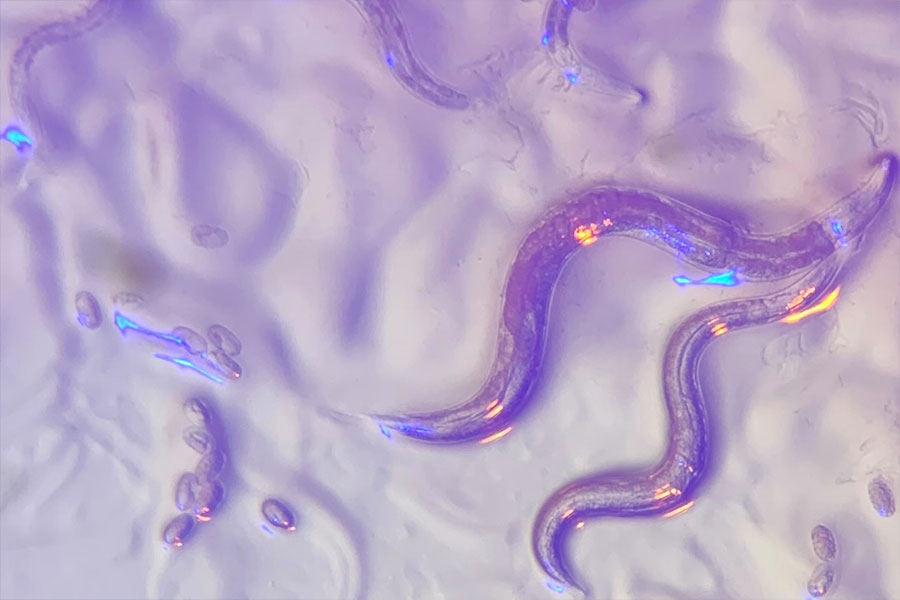
For decades, scientists with big questions about biology have found answers in a tiny worm. That worm–a millimeter-long creature called Caenorhabditis elegans–has helped researchers uncover fundamental features of how cells and organisms work. The impact of that work is enormous: Discoveries made using C. elegans have been recognized with four Nobel prizes and have led to the development of new treatments for human disease.

In a perspective piece published in the November 2025 issue of the journal PNAS, eleven biologists including Robert Horvitz, the David H. Koch (1962) Professor of Biology at MIT, celebrate Nobel Prize-winning advances made through research in C. elegans. The authors discuss how that work has led to advances for human health and highlight how a uniquely collaborative community among worm researchers has fueled the field.

MIT scientists are well represented in that community: The prominent worm biologists who coauthored the PNAS paper include former MIT graduate students Andy Fire and Paul Sternberg, now at Stanford University and the California Institute of Technology, and two past postdoctoral researchers in Horvitz’s lab, University of Massachusetts Medical School professor Victor Ambros and Massachusetts General Hospital investigator Gary Ruvkun. Ann Rougvie at the University of Minnesota is the paper’s corresponding author.

Early worm discoveries

“This tiny worm is beautiful—elegant both in its appearance and in its many contributions to our understanding of the biological universe in which we live,” says Horvitz, who in 2002 was awarded the Nobel Prize in Medicine along with colleagues Sydney Brenner and John Sulston for discoveries that helped explain how genes regulate programmed cell death and organ development. Horvitz is also a member of MIT’s McGovern Institute for Brain Research and Koch Institute for Integrative Cancer Research as well as an investigator at the Howard Hughes Medical Institute.

Those discoveries were among the early successes in C. elegans research, made by pioneering scientists who recognized the power of the microscopic roundworm. C. elegans offers many advantages for researchers: The worms are easy to grow and maintain in labs; their transparent bodies make cells and internal processes readily visible under a microscope; they are cellularly very simple (e.g., they have only 302 nerve cells, compared with about 100 billion in a human) and their genomes can be readily manipulated to study gene function.

Most importantly, many of the molecules and processes that operate in C. elegans have been retained throughout evolution, meaning discoveries made using the worm can have direct relevance to other organisms, including humans. “Many aspects of biology are ancient and evolutionarily conserved,” Horvitz explains. “Such shared mechanisms can be most readily revealed by analyzing organisms that are highly tractable in the laboratory.”

In the 1960s, Brenner, a molecular biologist who was curious about how animals’ nervous systems develop and function, recognized that C. elegans offered unique opportunities to study these processes. Once he began developing the worm into a model for laboratory studies, it did not take long for other biologists to join him to take advantage of the new system.

In the 1970s, the unique features of the worm allowed Sulston to track the transformation of a fertilized egg into an adult animal, tracing the origins of each of the adult worm’s 959 cells. His studies revealed that in every developing worm, cells divide and mature in predictable ways. He also learned that some of the cells created during development do not survive into adulthood and are instead eliminated by a process termed programmed cell death.

By seeking mutations that perturbed the process of programmed cell death, Horvitz and his colleagues identified key regulators of that process, which is sometimes referred to as apoptosis. These regulators, which both promote and oppose apoptosis, turned out to be vital for programmed cell death across the animal kingdom.

In humans, apoptosis shapes developing organs, refines brain circuits, and optimizes other tissue structures. It also modulates our immune systems and eliminates cells that are in danger of becoming cancerous. The human version of CED-9, the anti-apoptotic regulator that Horvitz’s team discovered in worms, is BCL-2. Researchers have shown that activating apoptotic cell death by blocking BCL-2 is an effective treatment for certain blood cancers. Today, researchers are also exploring new ways of treating immune disorders and neurodegenerative disease by manipulating apoptosis pathways.

Collaborative worm community

Horvitz and his colleagues’ discoveries about apoptosis helped demonstrate that understanding C. elegans biology has direct relevance to human biology and disease. Since then, a vibrant and closely connected community of worm biologists—including many who trained in Horvitz’s lab—has continued to carry out impactful work. In their PNAS article, Horvitz and his coauthors highlight that early work, as well as the Nobel Prize-winning work of:

  • Andrew Fire and Craig Mello, whose discovery of an RNA-based system of gene silencing led to powerful new tools to manipulate gene activity. The innate process they discovered in worms, known as RNA interference, is now used as the basis of six FDA-approved therapeutics for genetic disorders, silencing faulty genes to stop their harmful effects.
  • Martin Chalfie, who used a fluorescent protein made by jellyfish to visualize and track specific cells in C. elegans, helping launch the development of a set of tools that transformed biologists’ ability to observe molecules and processes that are important for both health and disease.
  • Victor Ambros and Gary Ruvkun, who discovered a class of molecules called microRNAs that regulate gene activity not just in worms, but in all multicellular organisms. This prize-winning work was started when Ambros and Ruvkun were postdoctoral researchers in Horvitz’s lab. Humans rely on more than 1,000 microRNAs to ensure our genes are used at the right times and places. Disruptions to microRNAs have been linked to neurological disorders, cancer, cardiovascular disease, and autoimmune disease, and researchers are now exploring how these small molecules might be used for diagnosis or treatment.

Horvitz and his coauthors stress that while the worm itself made these discoveries possible, so too did a host of resources that facilitate collaboration within the worm community and enable its scientists to build upon the work of others. Scientists who study C. elegans have embraced this open, collaborative spirit since the field’s earliest days, Horvitz says, citing the Worm Breeder’s Gazette, an early newsletter where scientists shared their observations, methods, and ideas.

Today, scientists who study C. elegans—whether the organism is the centerpiece of their lab or they are looking to supplement studies of other systems—contribute to and rely on online resources like WormAtlas and WormBase, as well as the Caenorhabditis Genetics Center, to share data and genetic tools. Horvitz says these resources have been crucial to his own lab’s work; his team uses them every day.

Just as molecules and processes discovered in C. elegans have pointed researchers toward important pathways in human cells, the worm has also been a vital proving ground for developing methods and approaches later deployed to study more complex organisms. For example, C. elegans, with its 302 neurons, was the first animal for which neuroscientists successfully mapped all of the connections of the nervous system. The resulting wiring diagram, or connectome, has guided countless experiments exploring how neurons work together to process information and control behavior. Informed by both the power and limitations of the C. elegans’ connectome, scientists are now mapping more complex circuitry, such as the 139,000-neuron brain of the fruit fly, whose connectome was completed in 2024.

C. elegans remains a mainstay of biological research, including in neuroscience. Scientists worldwide are using the worm to explore new questions about neural circuits, neurodegeneration, development, and disease. Horvitz’s lab continues to turn to C. elegans to investigate the genes that control animal development and behavior. His team is now using the worm to explore how animals develop a sense of time and transmit that information to their offspring.

Also at MIT, Steven Flavell’s team in the Department of Brain and Cognitive Sciences and the Picower Institute for Learning and Memory is using the worm to investigate how neural connectivity, activity, and modulation integrate internal states, such as hunger, with sensory information, such as the smell of food, to produce sometimes long-lasting behaviors. Flavell is Horvitz’s academic grandson, as Flavell trained with one of Horvitz’s postdoctoral trainees. As new technologies accelerate the pace of scientific discovery, Horvitz and his colleagues are confident that the humble worm will bring more unexpected insights.

Paper: “From nematode to Nobel: How community-shared resources fueled the rise of Caenorhabditis elegans as a research organism”

Alumni Feature: Carrie Muh, SB ’96, ’97, SM ’97

Muh came to MIT planning to pursue health policy, but ended up majoring in biology and political science, and earned a master's degree in political science before heading to Columbia University for medical school. Now she serves as the chief of pediatric neurosurgery and surgical director of the Pediatric Epilepsy Program at Maria Fareri Children’s Hospital and Westchester Medical Center in Valhalla, New York.

Kara Baskin | MIT Technology Review
December 8, 2025

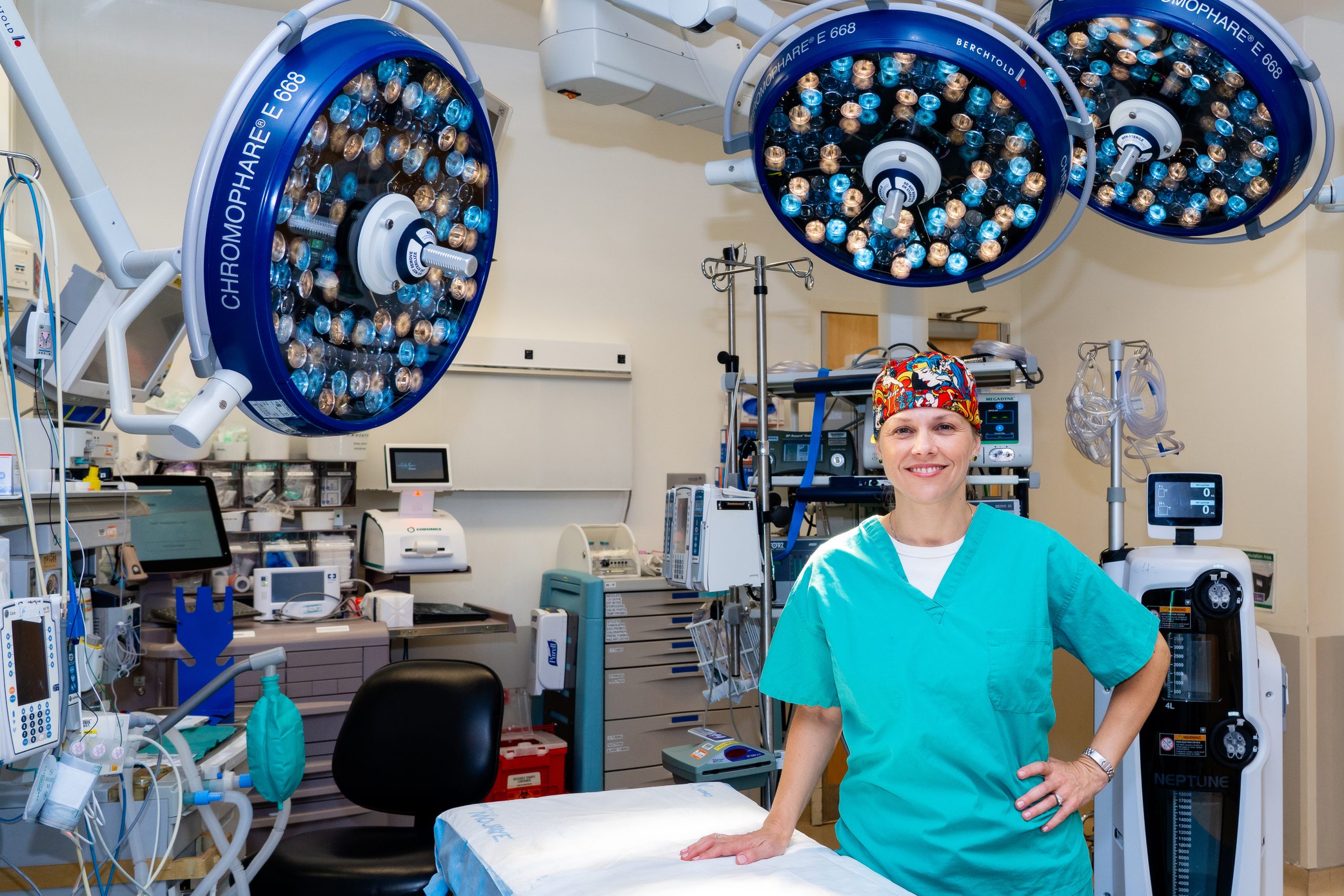
Carrie Muh ’96, ’97, SM ’97 works in an office surrounded by letters from grateful parents. As the chief of pediatric neurosurgery and surgical director of the Pediatric Epilepsy Program at Maria Fareri Children’s Hospital and Westchester Medical Center in Valhalla, New York, Muh performs life-changing surgeries.

“I see parents who come into my office on their post­operative visit in tears because, for the first time, their child is able to talk or walk. Having a mom come in and say their child said ‘Mama’ for the first time is huge,” she says. Other patients can finally play sports after a lifetime of falls.

About 2% of kids have epilepsy, a neurological condition that can cause seizures, falls, and language issues. About 30% of pediatric epilepsy patients are resistant to the drugs available to treat the condition, but in some cases surgery can help. “Surgery can be such a huge game-changer. Even if it can’t cure them, it can significantly improve quality of life,” she says.

Muh came to MIT planning to pursue health policy. She majored in both biology and political science and then earned a master’s degree in political science. But after a summer interning at the White House, she saw a stronger opportunity for influence as a physician.

As a medical student at Columbia University, Muh got to observe the transplant of a heart from a child who had passed away to another child in need. That sparked her interest in pediatric surgery. “I was able to watch a surgical team save a child’s life,” she remembers.

She took a gap year during medical school to conduct brain tumor research at Columbia, shadowing neurosurgical residents and observing the precise poetry of their surgery. “I absolutely knew that was for me,” she says, adding that the need was also compelling. “There aren’t enough pediatric epilepsy surgery specialists in the country.”

Now patients often travel to Muh for laser ablation, which destroys the part of the brain responsible for seizures without damaging nearby healthy tissue. In other cases, she installs a vagal-nerve stimulator in a child’s chest, which can make seizures less frequent and intense. An additional option is to outfit a child’s brain with EEG electrodes to pinpoint areas of seizure activity; then she can treat those precise areas. For some children, a responsive neurostimulator—“a pacemaker for the brain,” she calls it—can stop a seizure in its tracks.

“Most of my research for the last five years has been on new ways to use technology to help more patients,” she says—younger people and those who have not traditionally been considered candidates for these devices.

Despite her workload, Muh finds time for Yankees games and Broadway plays with her three children. She also travels internationally to care for vulnerable patients. In April 2024, she performed some of the first pediatric epilepsy surgeries with deep brain stimulation in Ukraine. She was also scheduled to head to Kenya for similar work in September of this year.

But wherever she travels, she maintains strong ties to MIT as class secretary and as a former Undergraduate Association president. This reflects her outgoing nature, though she once doubted if she would fit in with the Institute’s intensely engineering-focused culture.

“My dad had gone to MIT and always told me how amazing it was. I loved engineering and science from a young age, so he thought I would obviously love MIT. But I didn’t know if I was ‘techy’ enough to go,” she jokes, even though in high school she did research at NASA’s Student Space and Biology program while juggling sports and theater commitments.

When she toured campus, though, she was hooked.

“I made lifelong friends at MIT and actually met my husband at the wedding of one of my sorority sisters,” she says. “I discovered MIT was a welcoming, open place. I tell my kids now: ‘I’m proud to be a nerd!’ Cool, passionate people are proud of the work they do and the things they love.”

Alumni Spotlight: Michael Franklin ’88

Franklin describes himself as an overachiever, so perhaps it’s not surprising that when he set out to become an educational counselor, one of the MIT alums who volunteers to interview applicants for undergraduate admission, he quickly started racking up record numbers.

Kathryn M. O'Neill | Slice of MIT
December 4, 2025

Michael Franklin ’88 describes himself as an overachiever. So perhaps it’s not surprising that when he set out to become an educational counselor (EC)—an MIT alum who volunteers to interview applicants for undergraduate admission—he quickly started racking up record numbers.

In his first year as an EC, Franklin did 96 interviews—a lot but not quite the most anyone conducted for the 2023–’24 admission cycle. The following year, he redoubled his efforts and earned the top spot. He did it again for students hoping to enter in 2025–’26, interviewing a whopping 160 candidates—nearly twice as many as the No. 2 interviewer.

Interviewing for MIT is a passion he shares with his wife, Debbie Birnby ’91, who conducted 44 interviews herself for students applying for this year. “We started doing this, and it turned out to be just amazing talking to people,” Franklin says. “There’s this glow about students when they talk about what they really like to do, and I enjoy seeing that.”

Birnby agrees. “You hear bad stuff on the news, and then you see young people and you have hope for the future,” she says. “They have so much energy and enthusiasm.”

A Huge Volunteer Corps

Educational counselors form one of the largest groups of MIT volunteers, with more than 7,500 people signed up during the 2024–’25 interview cycle alone. Many—like Franklin and Birnby—love it enough to come back year after year. Currently, MIT has more than 3,500 ECs who have volunteered for over five years and more than 2,000 who have been interviewing for over 10 years. Five ECs have been interviewing for over 50 years.

All play a vital role by helping MIT Admissions get a more holistic view of the candidates, according to Yi Tso ’85, the staff member who runs the EC program as director of the Educational Council. The average EC completes just about six interviews each year. So Franklin and Birnby—who also produce very informative reports on candidates, Tso emphasizes—really stand out: “They are clearly among our super-superstar volunteers.”

The couple’s large interview numbers are, in part, an accident of geography. ECs typically interview candidates who live near them, but when Franklin and Birnby decided to start interviewing in 2022, they were living in an area of Maryland without many MIT applicants. As a result, they took on interviews with “overflow” candidates—those without access to a local EC. They could conduct these interviews easily online, so the pair—who were both newly retired (Franklin was a software developer; Birnby was in lab technical service)—quickly got into a groove and just kept going.

Two years later, they moved back to the Boston area, “partly because we kept telling people how great Boston was, so we started believing it,” Franklin jokes. Since the area has a robust group of ECs, the couple—who by then had been named regional coordinators for the EC program in Boston—continued to interview students from the overflow list.

The Personal Touch

ECs start their work with very little information—just the student’s name, high school, and contact information—and EC guidelines recommend that they spend 30 to 60 minutes with each student. Birnby says she typically spends about an hour and a half. Franklin often takes even more time; he admits he happily spoke for four hours with one enthusiastic candidate. “You meet all these interesting people,” he explains, noting that he and his wife have heard students discuss a full range of interests and ambitions, including everything from competing in the sailing Junior Olympics to launching a national-scale desalination project.

ECs also answer questions from applicants, and both Franklin and Birnby say most students are eager to learn more about campus culture. “A lot of people don’t have a good idea about how weird and wonderful MIT is. It’s a really weird place in a totally good way,” Franklin says. He likes to tell students about the Banana Lounge, the Pirate Certificate, the Baker House piano drop, and other quirky traditions.

Both Franklin and Birnby hope they can help students find out if MIT will be a good fit for them—because that’s at the heart of why they care enough to give back to the Institute themselves. “At MIT I felt I had found my people. I fit there,” says Birnby, who was a biology major while Franklin studied political science. (She says they knew each other when they were both at the Institute but didn’t become a couple until decades later.)

Of course, most candidates ECs interview do not ultimately gain admission. Consider that for the 2025–’26 year, MIT admitted 1,334 undergraduates out of a competitive field of 29,282 applicants. Still, Franklin and Birnby have been able to congratulate several students each year. Today there are MIT students from all over the world—from North Carolina to Kyrgyzstan—who can say they were interviewed by one of them.

Mentors and Friends

Franklin and Birnby have made a point of keeping in touch with many of these students, who now count them as mentors and friends. The pair begin by congratulating students as soon as they can see who has been accepted, which is posted online. “We can’t see results until they see. So we’re like, check already!” Birnby says.

In the fall, they welcome the new students. Then they invite their admitted interviewees from all classes—a group that now numbers 55—to various gatherings throughout the year. In 2024, for example, the pair hosted 10 students for Thanksgiving at their house in Somerville.

“When I came to MIT, it felt so reassuring to know I always had someone to talk to and ask questions of during my MIT journey,” says Yumn Elameer ’28, whom Franklin interviewed. “I’m so grateful to have gotten Mike as an interviewer, to have gained him as a friend and as someone I know will always be there for help, a good laugh, or advice.”

The joy of life (sciences)

Mary Gallagher’s deeply rooted MIT experience and love of all life supports growth at the MIT Department of Biology.

Samantha Edelen | Department of Biology
November 28, 2025

For almost 30 years, Mary Gallagher has supported award-winning faculty members and their labs in the same way she tends the soil beneath her garden. In both, she pairs diligence and experience with a delight in the way that interconnected ecosystems contribute to the growth of a plant, or an idea, seeded in the right place.

Gallagher, a senior administrative assistant in the Department of Biology, has spent much of her career at MIT. Her mastery in navigating the myriad tasks required by administrators, and her ability to build connections, have supported and elevated everyone she interacts with, at the Institute and beyond.

Oh, the people you’ll know

Gallagher didn’t start her career at MIT. Her first role following graduation from the University of Vermont in the early 1980s was at a nearby community arts center, where she worked alongside a man who would become a household name in American politics.

“This guy had just been elected mayor, shockingly, of Burlington, Vermont, by under 100 votes, unseating the incumbent. He went in and created this arts council and youth office,” Gallagher recalls.

That political newcomer was none other than a young Bernie Sanders, now the longest-serving independent senator in U.S. congressional history.

Gallagher arrived at MIT in 1996, becoming an administrative assistant (aka “lab admin”) in what was then called the MIT Energy Laboratory. Shortly after her arrival, Cecil and Ida Green Professor of Physics and Engineering Systems Ernest Moniz transformed the laboratory into the MIT Energy Initiative (MITEI).

Gallagher quickly learned how versatile the work of an administrator can be. As MITEI rapidly grew, she interacted with people across campus and its vast array of disciplines at the Institute, including mechanical engineering, political science, and economics.

“Admin jobs at MIT are really crazy because of the depth of work that we’re willing to do to support the institution. I was hired to do secretarial work, and next thing I know, I was traveling all the time, and planning a five-day, 5,000-person event down in D.C.,” Gallagher says. “I developed crazy computer and event-planner skills.”

Although such tasks may seem daunting to some, Gallagher has been thrilled with the opportunities she’s had to meet so many people and develop so many new skills. As a lab admin in MITEI for 18 years, she mastered navigating MIT administration, lab finances, and technical support. When Moniz left MITEI to lead the U.S. Department of Energy under President Obama, she moved to the Department of Biology at MIT.

Mutual thriving

Over the years, Gallagher has fostered the growth of students and colleagues at MIT, and vice versa.

Friend and former colleague Samantha Farrell recalls her first days at MITEI as a rather nervous and very “green” temp, when Gallagher offered an excellent cappuccino from Gallagher’s new Nespresso coffee machine.

“I treasure her friendship and knowledge,” Farrell says. “She taught me everything I needed to know about being an admin and working in research.”

Gallagher’s experience has also set faculty across the Institute up for success.

According to one principal investigator she currently supports, Novartis Professor of Biology Leonard Guarente, Gallagher is “extremely impactful and, in short, an ideal administrative assistant.”

Similarly, professor of biology Daniel Lew is grateful that her extensive MIT experience was available as he moved his lab to the Institute in recent years. “Mary was invaluable in setting up and running the lab, teaching at MIT, and organizing meetings and workshops,” Lew says. “She is a font of knowledge about MIT.”

A willingness to share knowledge, resources, and sometimes a cappuccino, is just as critical as a willingness to learn, especially at a teaching institution like MIT. So it goes without saying that the students at MIT have left their mark on Gallagher in turn — including teaching her how to format a digital table of contents on her very first day at MIT.

“Working with undergrads and grad students is my favorite part of MIT. Their generosity leaves me breathless,” says Gallagher. “No matter how busy they are, they’re always willing to help another person.”

Campus community

Gallagher cites the decline in community following the Covid-19 pandemic shutdown as one of her most significant challenges.

Prior to Covid, Gallagher says, “MIT had this great sense of community. Everyone had projects, volunteered, and engaged. The campus was buzzing, it was a hoot!”

She nurtured that community, from active participation in the MIT Women’s League to organizing an award-winning relaunch of Artist Behind the Desk. This subgroup of the MIT Working Group for Support Staff Issues hosted lunchtime recitals and visual art shows to bring together staff artists around campus, for which the group received a 2005 MIT Excellence Award for Creating Connections.

Moreover, Gallagher is an integral part of the smaller communities within the labs she supports.

Professor of biology and American Cancer Society Professor Graham Walker, yet another Department of Biology faculty member Gallagher supports, says, “Mary’s personal warmth and constant smile has lit up my lab for many years, and we are all grateful to have her as such a good colleague and friend.”

She strives to restore the sense of community that the campus used to have, but recognizes that striving for bygone days is futile.

“You can never go back in time and make the future what it was in the past,” she says. “You have to reimagine how we can make ourselves special in a new way.”

Spreading her roots

Gallagher’s life has been inextricably shaped by the Institute, and MIT, in turn, would not be what it is if not for Gallagher’s willingness to share her wisdom on the complexities of administration alongside the “joie de vivre” of her garden’s butterflies.

She recently bought a home in rural New Hampshire, trading the buzzing crowds of campus for the buzzing of local honeybees. Her work ethic is reflected in her ongoing commitment to curiosity, through reading about native plant life and documenting pollinating insects as they wander about her flowers.

Just as she can admire each bug and flower for the role it plays in the larger system, Gallagher has participated in and contributed to a culture of appreciating the role of every individual within the whole.

“At MIT’s core, they believe that everybody brings something to the table,” she says. “I wouldn’t be who I am if I didn’t work at MIT and meet all these people.”

Research Threads: One lab’s detective work reveals secrets of immortal cells

Most cells in our body live and die. But the germline, the cells that produce eggs and sperm, must carry on forever. How the germline successfully produces the next generation is a long-studied question. Through a string of discoveries made over years, the Yamashita lab is teasing apart how the germline remains immortal.

Madeleine Turner | Whitehead Institute
October 7, 2025

Most cells in our body live and die. But the germline, the cells that produce eggs and sperm, must carry on forever. How the germline successfully produces the next generation is a long-studied question. Research Threads examines how answering one question uncovers more questions to be solved. In our first installment of Research Threads, we follow the research of Whitehead Institute Member Yukiko Yamashita. Through a string of discoveries made over years, the Yamashita lab is teasing apart how the germline remains immortal.

“The germline is the only cell type responsible for transmitting the genome from generation to generation,” Whitehead Institute Member Yukiko Yamashita says. “We’ve done that for 1.5 billion years.”

The germline is the population of cells in an organism that give rise to gametes, either egg or sperm cells. These gametes contain genetic information, encoded in DNA, needed to produce the next generation. The act of transmitting this information — the instructions that a new individual needs to develop and function — is like a relay race that never ends. While a skin or gut cell may be prone to genetic errors and is generally replaceable, germline stem cells (GSCs) must maintain their genomes with precision. Otherwise, any mistakes or imbalances would be inherited by offspring and accumulated over generations, potentially driving a species to extinction. In other words, to keep passing the baton in this relay, the germline must be faithfully preserved.

Although germline preservation is paramount to the existence and survival of a species, some fundamental parts of its biology have remained a mystery. Yamashita, who is also a professor of biology at the Massachusetts Institute of Technology and a Howard Hughes Medical Institute Investigator, has focused her research on unraveling the secrets of the germline. To study these cells’ immortality, her lab utilizes the model organism Drosophila melanogaster, or the fruit fly. Along the way, research in the Yamashita lab has highlighted how the process of scientific discovery can be circuitous, often pulling scientists in surprising directions, revealing new questions and avenues to explore.

For decades, scientists had observed an aspect of germline behavior that was hard to explain. Most cells in the body divide to produce two identical copies, or daughter cells. GSCs in male fruit flies, however, divide “asymmetrically,” meaning they yield two daughter cells that are not identical. Instead, one daughter cell becomes a new GSC, while the other goes on to become a gamete, in this case a sperm cell. It might be easy to assume that asymmetric cell division is about producing gametes while maintaining a pool of stem cells. But an additional detail complicates this theory: when a daughter cell is on the path to becoming sperm, it can loop back around to become another stem cell, instead of continuing differentiation to become a sperm cell.

“If it can do that, why divide asymmetrically in the first place?” Yamashita says.

To shed light on why GSCs divide asymmetrically, researchers wanted to know how genetic information was actually divvied up between daughter cells. “After I started my own lab, there was this question hanging in the field,” Yamashita says. It made sense to find some difference in inheritance, DNA-based or otherwise: something to distinguish between the daughter fated to become a gamete, and the other that would remain in the GSC pool.

Preparing for division, a cell duplicates its DNA. Chromosomes happen to be shaped like the letter “X” as a result of this duplication: the left and right sides of the “X” are called matching sister chromatids, each a copy of the other. Later in cell division, these two sister chromatids part ways, winding up in separate daughter cells.

In 2013, Yamashita and her former graduate student, Swathi Yadlapalli, made a strange but important discovery. In fruit flies, for the X and Y chromosomes (the sex chromosomes), sister chromatids were not being sorted randomly. Instead, one was more likely to go to the daughter cell that would become a gamete; the other to the daughter on the GSC track. There had to be a reason for this preference, but no one had an explanation.

Initial experiments did not reveal obvious differences between these sister chromatid pairs. “Everyone would say, ‘oh, there’s probably some sort of epigenetic information in there,” Yamashita says, referring to heritable changes not carried in DNA. With few promising leads, the lab decided to take a systematic approach. George Watase, then a postdoc in the lab, began the painstaking work of removing different a parts of flies’ X chromosomes, seeing if the absence of any particular element would disrupt the pattern of preferential segregation.

“We thought it was going to be satellite DNA,” Yamashita says, referring to large swathes of DNA in the genome that are highly repetitive but don’t code for any genes. (While this initial guess was wrong, it kickstarted a separate project in the lab — one which led to discovering the unexpected role that satellite DNA plays when one species forks into two.)

Eventually the team narrowed in on the true culprit: ribosomal DNA (rDNA). The primary role of rDNA is to produce the components that make up ribosomes. Ribosomes, in turn, perform the crucial task of synthesizing proteins.

“We didn’t like this finding in the beginning. I always say that ribosomal DNA is ‘too important to be interesting.’ You don’t get excited about something you really need, like toilet paper,” Yamashita says. “In the case of ribosomal DNA, bacteria needs it, humans need it, everybody needs it.”

But what did rDNA have to do with asymmetric cell division in the germline?

“Around that time, we started reading lots of papers,” Yamashita says. “Then we discovered a phenomenon called rDNA magnification. These were studies from the 1960s and ’80s — most of the people in my lab were not even born yet.”

These studies from decades ago described mutant flies that lacked a sufficient amount of rDNA and, as a result, had a “bobbed” phenotype, or appearance. Since these flies possessed fewer ribosomes to produce proteins, the bristles on their back were shorter; the protective cuticle covering their bodies weakened. But when they reproduced, many of their offspring possessed a normal amount of rDNA. These observations pointed towards a mechanism that allowed flies to replenish their supply of rDNA.

At the time rDNA magnification was first observed, the phenomenon was regarded as an oddity, something that only happened in mutant flies and did not have physiological relevance. But Yamashita realized there was a connection between rDNA magnification and asymmetric division in the germline.

To make enough protein, a cell must produce ample ribosomes. To do that, the fruit fly genome contains hundreds of copies of rDNA in a row. But the DNA replication process can struggle to handle so many rDNA copies strung together, and can sometimes experience a hiccup, resulting in the loss of rDNA copies with each new division. It’s an outcome that might be okay on occasion, but would wreak havoc over many generations.

“All of a sudden, [rDNA magnification] was not about a mutant chromosome,” Yamashita says. “We were like, holy moly. This is about germline immortality.”

Soon many different pieces became part of a cohesive story: asymmetric cell division is not about producing a balance of gametes and stem cells; it’s about maintaining rDNA in the germline. Sister chromatids are almost identical — but one contains more copies of rDNA than the other, and that copy is fated to stay in the GSC pool. Through this asymmetry, the germline is replenished of rDNA; it can pass the baton to the next generation.

“For quite some time, for so many observations that everyone knew in the field, we felt we had an explanation. But from that ‘aha!’ moment, we took multiple years to test everything,” Yamashita says.

In subsequent years, the Yamashita lab pinned down additional details about how rDNA is diverted back to the germline. First, in 2022, the team identified a specific protein, which they named Indra, which binds to rDNA. The presence of Indra helps assign the sister chromatid containing more rDNA copies to the GSC daughter cell.

Their next discovery was another plot twist. If one sister chromatid contained more rDNA than the other, and those rDNA copies weren’t appearing out of thin air, it meant that one chromatid needed to be stealing rDNA from its sister. The lab discovered a genetic element that facilitated this transfer: a retrotransposon.

Retrotransposons are usually considered “genetic parasites,” copying and pasting themselves into the genome. In an attempt to reinsert itself, this particular retrotransposon, called R2, slices open sections containing rDNA on both chromatids. As the cell repairs these breaks, it may inadvertently stitch copies of rDNA from one chromosome to the other, creating an unequal number of copies between the two.

“Not many people thought retrotransposons could be beneficial to the host. They’re seen as parasites,” Yamashita says. “But it turns out that they are essential for germline immortality.”

Sometimes, one research project is a spin off of a spin off. That was true for Xuefeng Meng, a graduate student in the lab who was working on satellite DNA, the genetic element that turned out to be unrelated to asymmetric cell division, but was interesting in its own right.

While studying satellite DNA, Meng noticed that a particular stock of flies had a problem producing normal sperm, that their cells’ nuclei were abnormally packaged. The problem had to do with a gene called Stellate on the flies’ X chromosome. While most flies have few copies of Stellate, these flies had a higher number of copies.

Stellate was already known in the field as a meiotic driver, or “selfish-gene”: a genetic element that has evolved ways to preferentially transmit itself to the next generation. Some meiotic drivers, including Stellate, are on the sex chromosomes and, when not suppressed, cause an excess of either male or female progeny. In this case, Stellate produces a protein, Ste, which is found to concentrate in Y-carrying cells during meiosis, the specialized type of cell division that produces gametes (meiosis follows the earlier round of asymmetric cell division described above). High concentrations of Ste impede the proper packaging of nuclei in cells, leading to their eventual death. When Stellate is widely expressed, fewer male flies emerge in the next generation.

But here lies an inherent tension: if a selfish gene is too good at propagating itself, and produces only males or females, its host species would go extinct — and so would the gene. Meng and Yamashita were interested in this paradox. Through this work, they identified a novel mechanism that keeps Stellate in check. To balance selfish propagation with the host species’ survival, Stellate has a built-in system for pumping the brakes. After Ste concentrates in Y-carrying cells during the first meiotic division, the protein is unevenly distributed a second time. This second step spares a portion of Y-carrying cells that go on to create males.

How the germline is able to counter disruptive forces, thereby renewing itself, continues to be a ripe research area. Researchers still don’t know all the secrets to how a line of cells can achieve perpetuity — but the Yamashita lab continues to investigate the question.

“What I really like about people in my lab is that they don’t jump to the easiest conclusion,” Yamashita says. “If you start embracing surprise, then good things happen. Because you are surprised, you start testing your finding in multiple ways. Then you can build confidence about the result.”

Notes

Xuefeng Meng and Yukiko Yamashita (2025). “Intrinsically weak sex chromosome drive through sequential asymmetric meiosis.” Science Advanceshttps://doi.org/10.1126/sciadv.adv7089

Jonathan O. Nelson, Tomohiro Kumon, Yukiko M. Yamashita. (2023) “rDNA magnification is a unique feature of germline stem cells.” PNAShttps://doi.org/10.1073/pnas.2314440120

Jonathan O. Nelson, Alyssa Slicko, Yukiko M. Yamashita. (2023) “The retrotransposon R2 maintains Drosophila ribosomal DNA repeats.” PNAShttps://doi.org/10.1073/pnas.2221613120

George J. Watase, Jonathan O. Nelson, Yukiko M. Yamashita. (2022) “Nonrandom sister chromatid segregation mediates rDNA copy number maintenance in Drosophila.” Science Advanceshttps://www.science.org/doi/10.1126/sciadv.abo4443

Madhav Jagannathan and Yukiko Yamashita. (2021) “Defective satellite DNA clustering into chromocenters underlies hybrid incompatibility in Drosophila.” Molecular Biology and Evolutionhttps://doi.org/10.1093/molbev/msab221

Swathi Yadlapalli and Yukiko Yamashita (2013) “Chromosome-specific nonrandom sister chromatid segregation during stem-cell division.” Nature10.1038/nature12106