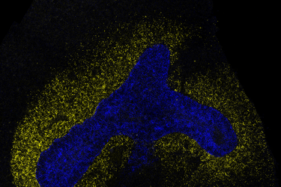
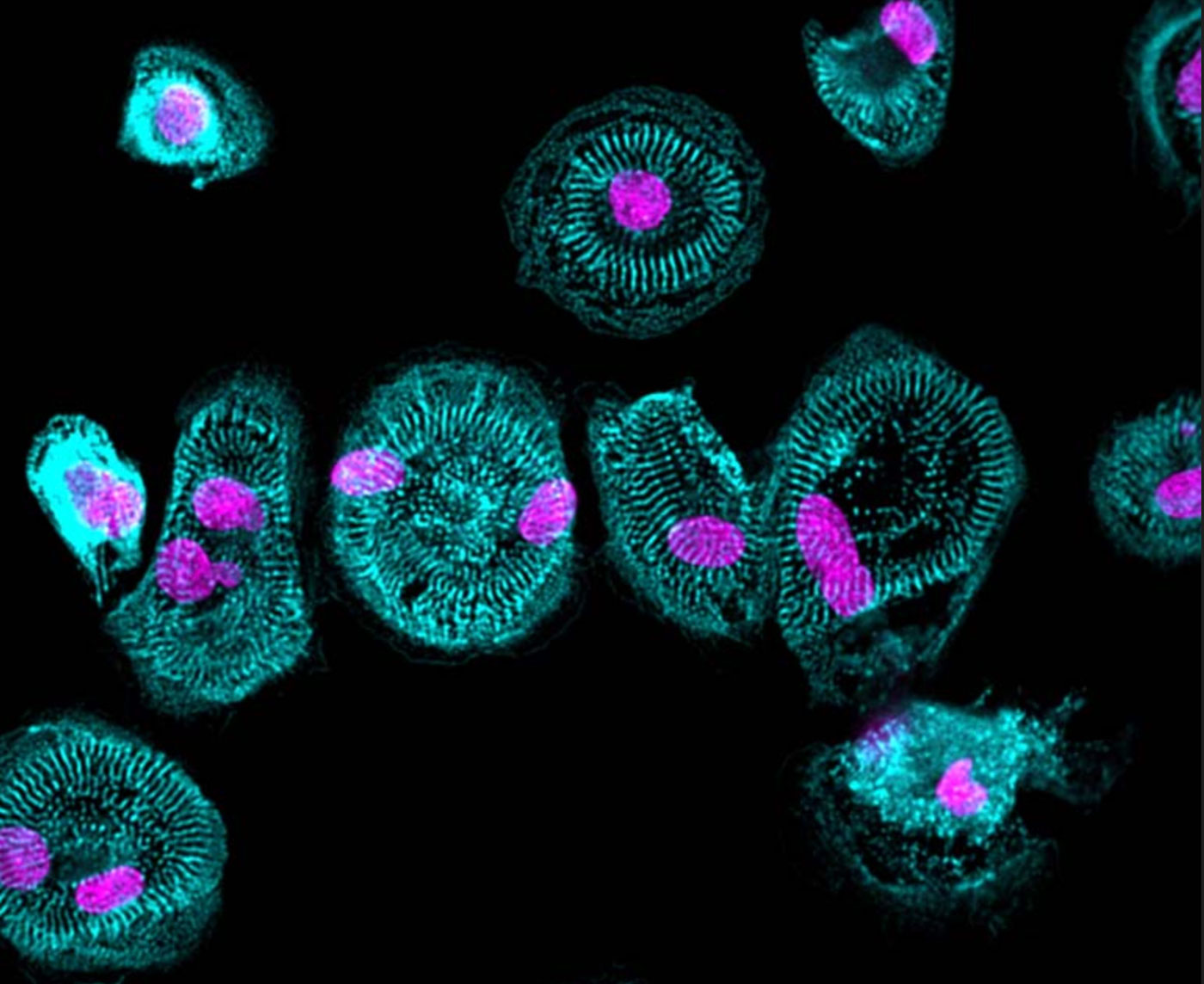
Heart muscle cells called cardiomyocytes. Credit: Alexander Auld and Laurie Boyer
Research
For over 50 years, we have played a central role in the growth of molecular life sciences and the revolution in molecular and cellular biology, genetics, genomics, and computational biology.
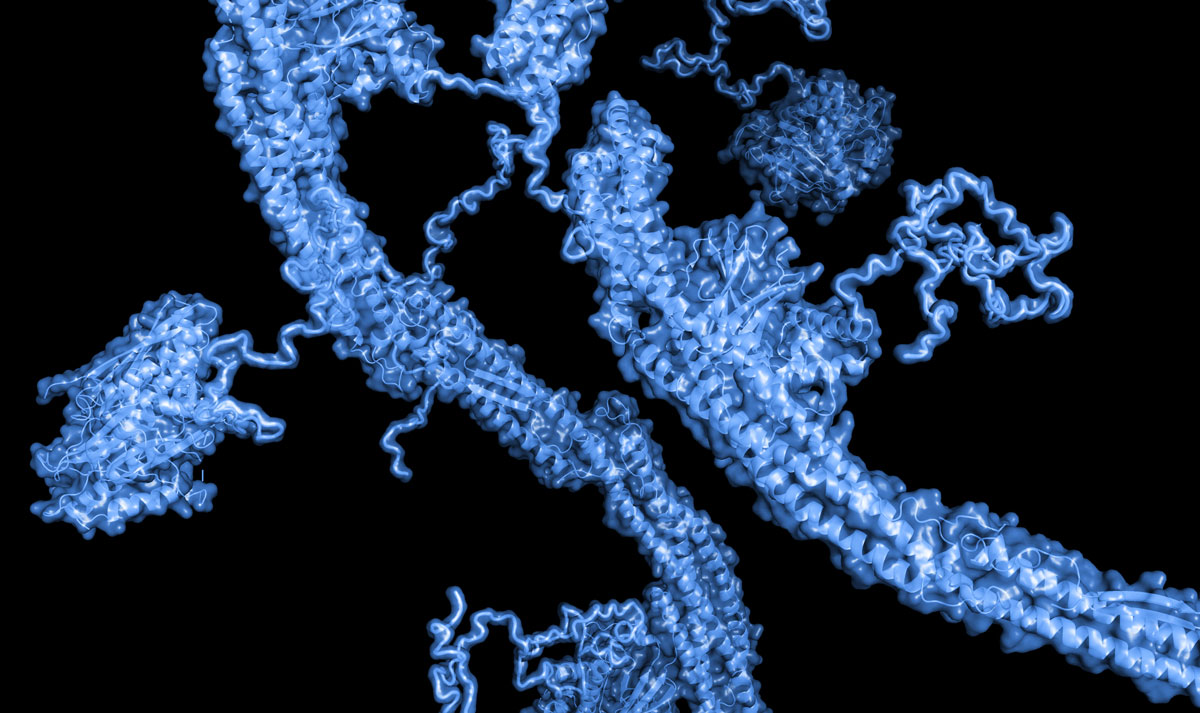
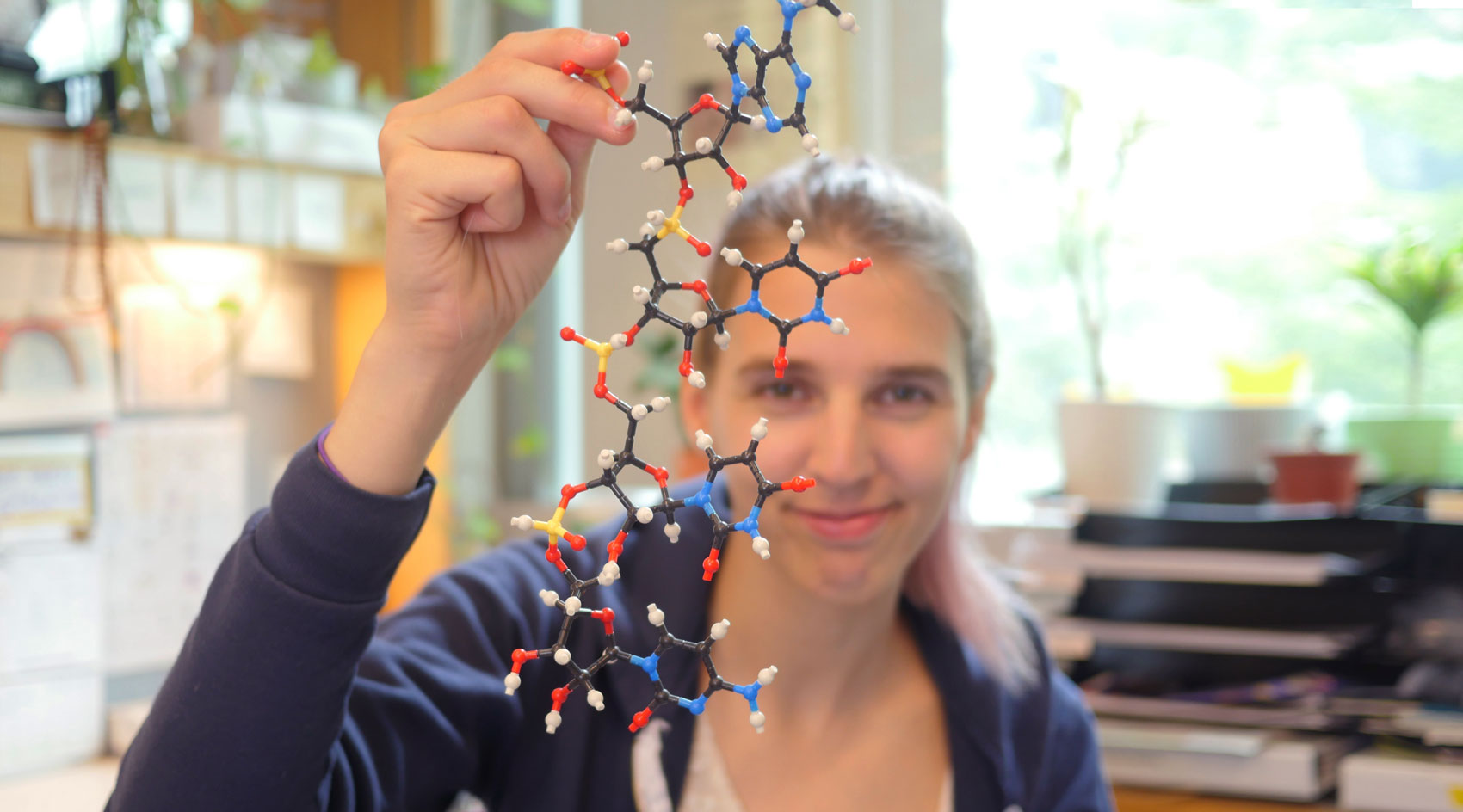
An atomic model of a protein. Credit: Ellen Zhong.
Research
For over 50 years, we have played a central role in the growth of molecular life sciences and the revolution in molecular and cellular biology, genetics, genomics, and computational biology.
Graduate Students
Graduate training is interdisciplinary, collaborative, and intense, giving our students the research and communication skills they need for a successful career. Our faculty share a deep commitment to education for all students.
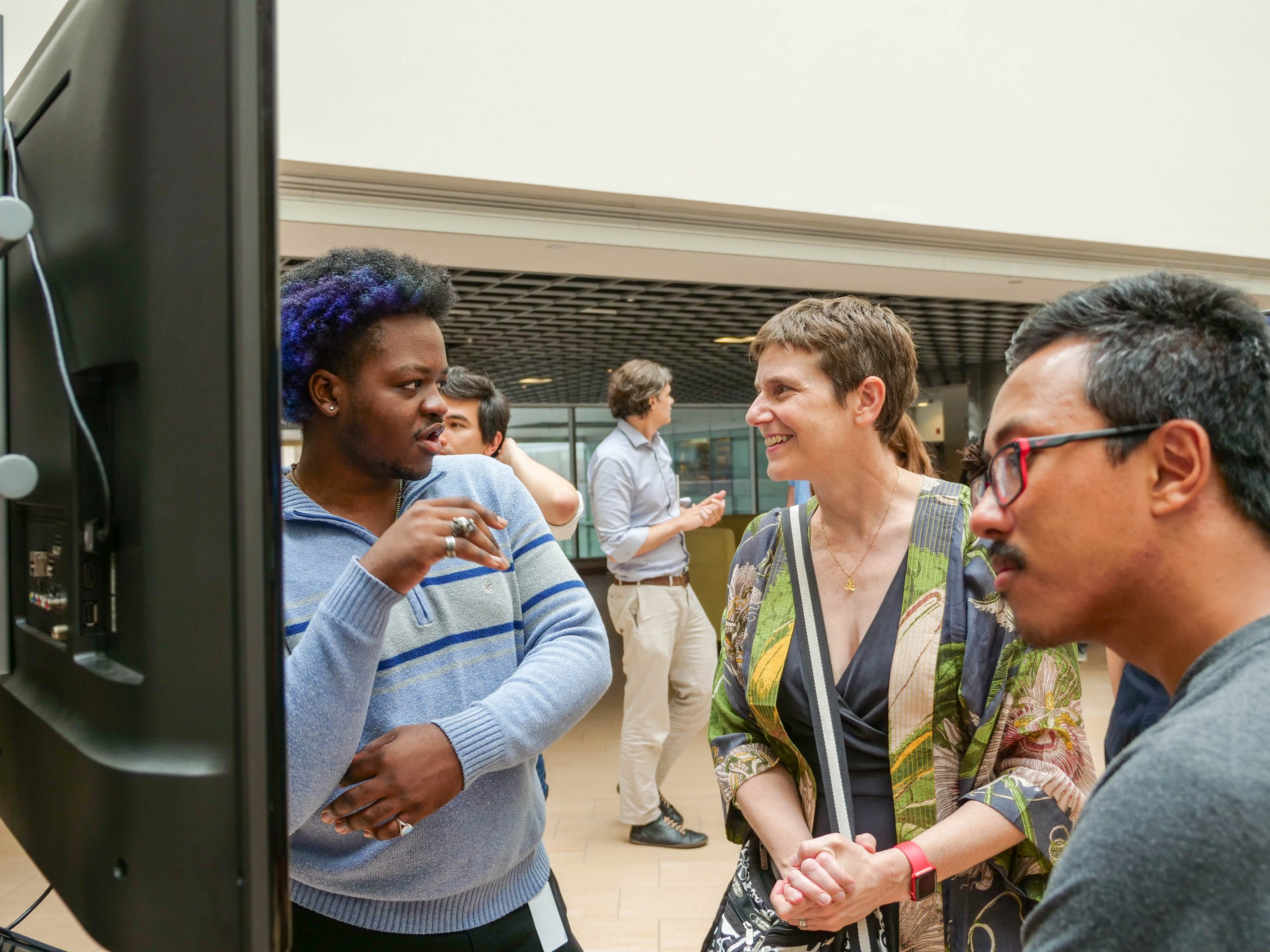
Cyrille Teforlack (left) discussing his project in the Reddien Lab on flatworm eye regeneration with attendees of the BSG-MSRP-Bio Poster session, including Department of Biology Head Amy Keating (right).
Broadening Participation
Our outreach programs seek to make the field of science more inclusive by sharing MIT’s intellectual wealth and cutting-edge resources.
Research
For over 50 years, we have played a central role in the growth of molecular life sciences and the revolution in molecular and cellular biology, genetics, genomics, and computational biology.
Undergraduate Students
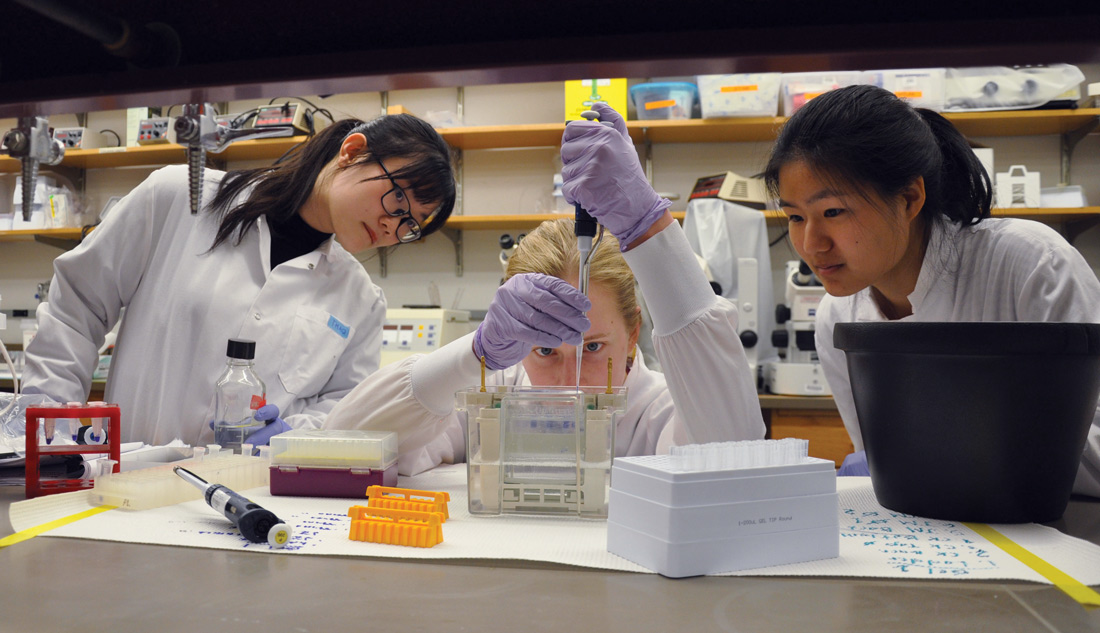
Our undergraduate students thrive in an atmosphere that promotes exploration and collaboration across all areas of research and study. Our professors have an infectious passion for instruction and strive to teach each course better than it’s ever been taught before.
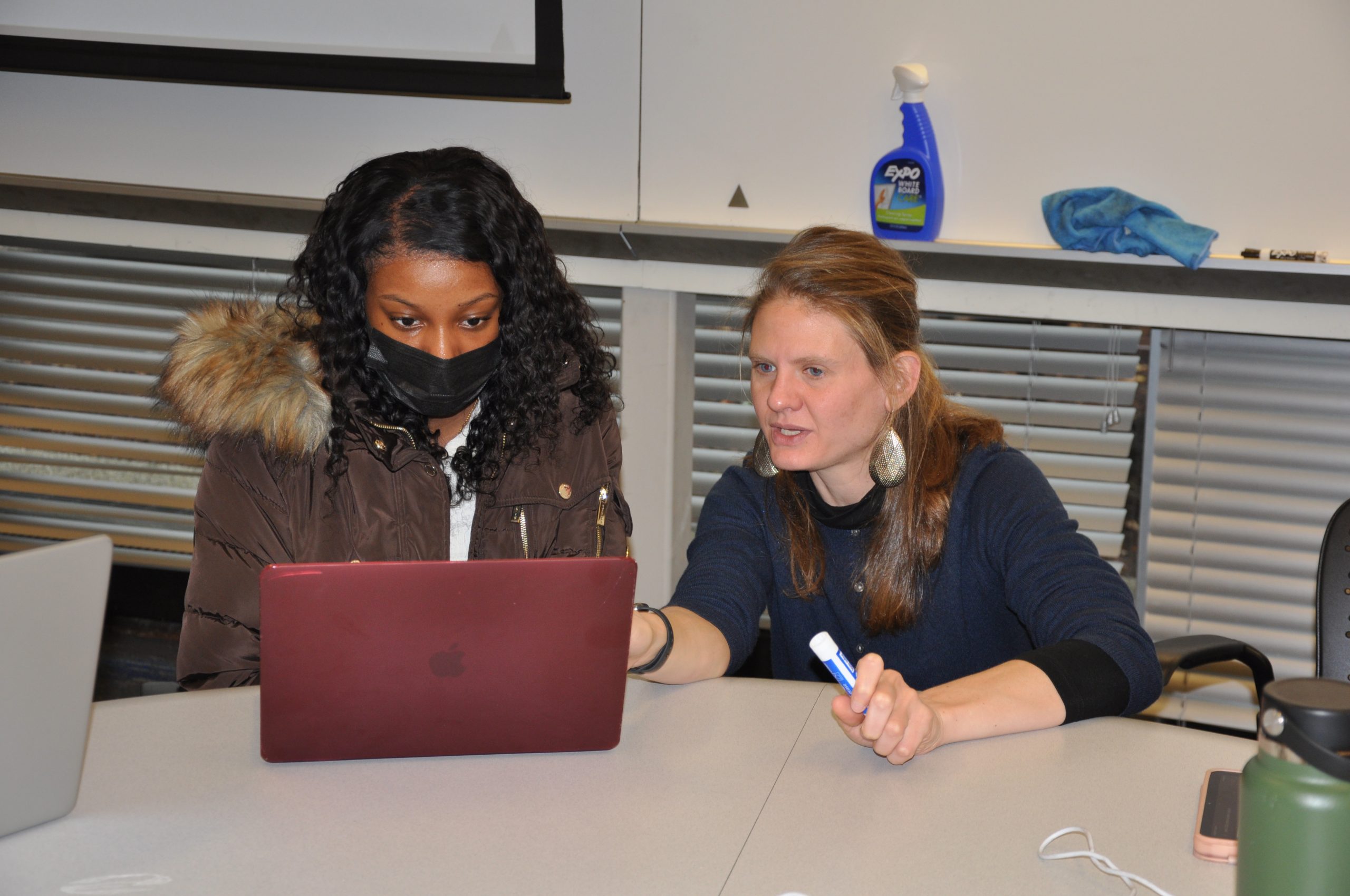
Learn, Discover, Innovate
We are a collaborative, inclusive, diverse, supportive, and focused community dedicated to research, teaching, and service. We explore a wide range of fundamental biological questions with a focus on molecular cell biology at all levels, from molecular structure to human disease. Join us.
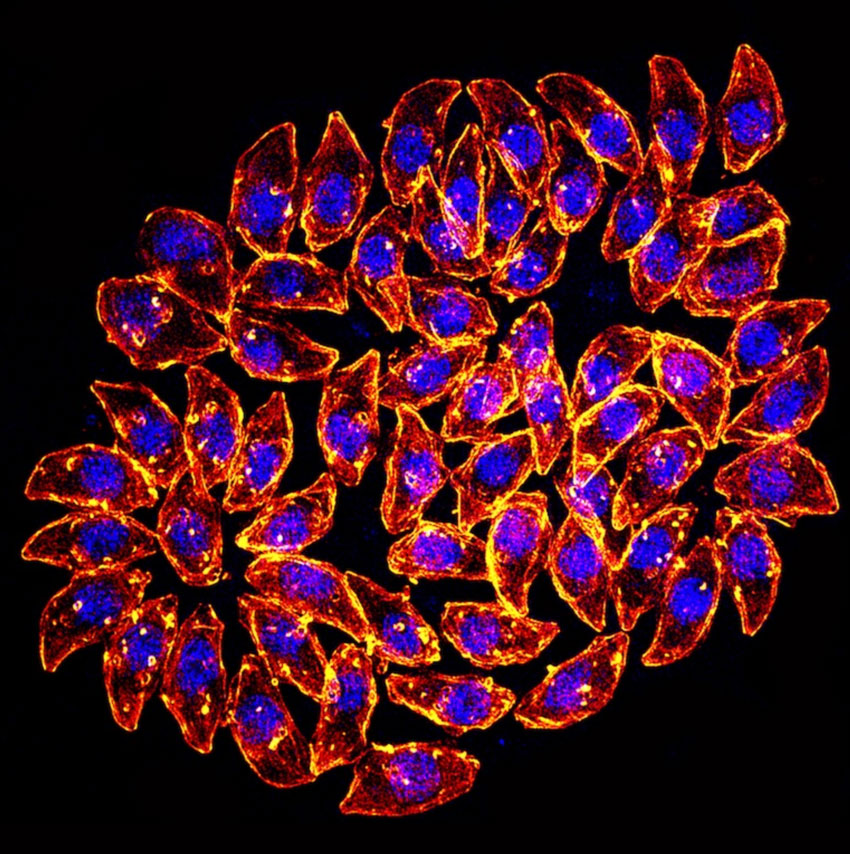
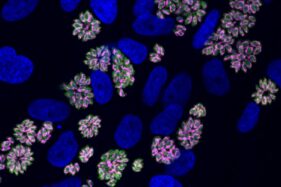
Toxoplasma gondii parasites. Credit: Clare Harding.
Research
For over 50 years, we have played a central role in the growth of molecular life sciences and the revolution in molecular and cellular biology, genetics, genomics, and computational biology.