Q&A: Picower researchers including MIT Biology faculty Sara Prescott join effort to investigate the ‘Biology of Adversity’

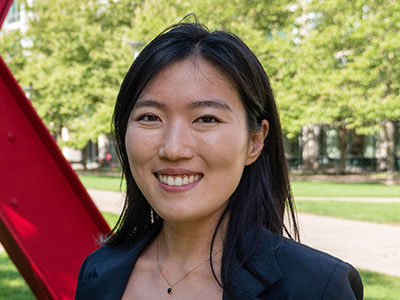
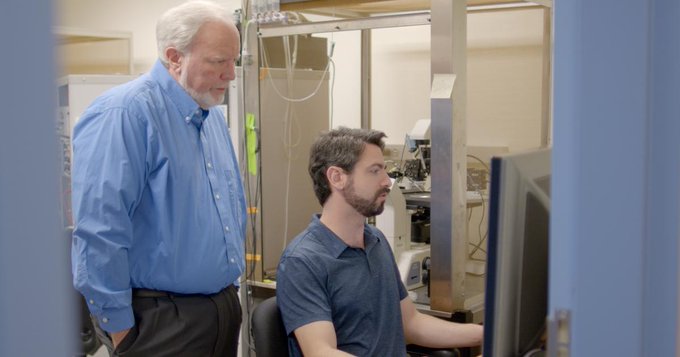
Assistant Professor Sara Prescott and Research Affiliate Ravikiran Raju are key collaborators in a new Broad Institute research project to better understand physiological and medical effects of acute and chronic life stressors.

David Orenstein | The Picower Institute for Learning and Memory
November 3, 2025

Adverse experiences such as abuse and violence or poverty and deprivation have always been understood to be harmful, but the tools to understand how they may cause specific medical conditions and outcomes have only emerged recently. Technologies such as RNA or chromatin sequencing, for instance, can help scientists observe how stressors change gene expression, which can help establish mechanistic biological explanations for why people who’ve suffered adversity also experience higher risks of conditions such as stroke or Alzheimer’s disease.

Advancing scientific understanding of the physiological connections between adversity and disease can help pharmaceutical developers, physicians and public officials to develop meaningful interventions. Led by researcher Jason Buenrostro, the Broad Institute has launched a new research program, the “Biology of Adversity” project.. As leading collaborators in the effort, Picower Institute investigator Sara Prescott, assistant professor of biology, and Tsai Lab research affiliate Ravikiran Raju, a pediatrician at Boston Children’s Hospital, plan research projects in their Picower Institute labs to better elucidate how life stress leads to medical distress.

How can biology and neuroscience studies help people who’ve experienced adversity?

Prescott: Adversity comes in many flavors. But across different types of adversity, there is a common theme that it leads to psychological and emotional distress. If you were to ask a random person on the street, they’d probably tell you that distress is simply a feeling that exists only in the mind, rather than a biological process. But this is not true. We now appreciate that stress has predictable effects on the body, and there are severe long-term health consequences of experiencing chronic stress. Unfortunately, it’s been difficult to argue based on epidemiological data that stress itself (rather than other lifestyle factors like diet, smoking or access to health care services) is causally linked to poor health outcomes. This is confounded by the fact that we haven’t had good ways to empirically measure people’s levels of adversity and stress. This is part of what we want to address at the Biology of Adversity Project.

From a scientific perspective, there is still much to be understood about stress and the biological processes that lead to stress-associated diseases. And so that’s hopefully where efforts like the Biology of Adversity Project are going to come in. We can use scientific practices to come up with better guidelines for ways to track levels of stress, develop diagnostics, and then, hopefully, one day this will turn into actionable interventions. It’s not a random process of things going awry. There are going to be biological programs that are engaged in predictable ways. And we’re trying to understand, what exactly are these neural or biological programs? How many different types of programs are there? And how do each of those programs actually work down to the cellular and molecular level?

Raju: Efforts to combat adversity and stress have largely remained in the social space to date. But what we know from a growing body of epidemiological literature is that social stressors can have profound biological impact. They cause increases in mental health disorders, physical disorders like cancer, stroke, and heart disease. Individuals who experience chronic and high levels of stress are dying sooner. I think there is an imperative to understand what these forces are doing to our biology and how they’re dysregulating our physiology. Armed with that information, we can start to be more mechanistic and evidence-based in our promotion of resilience. What are the pathways that are made vulnerable when individuals are stressed? How do we rescue those deficiencies, whether it be through existing practices or novel interventions? A lot of the research we’re doing here at Picower is focusing on pathways that could be targeted and leveraged using specific micronutrients or specific small molecules that help promote resilience and prevent the onset of premature illness in individuals who are stress exposed.

What is the Biology of Adversity Project and how are each of you involved?

Prescott: My lab studies the autonomic nervous system, and we’re involved in the project’s animal studies. We think of stress as an adaptive response to prepare the body for an impending threat. When people experience stress, what happens? You engage a fight or flight response—you sweat, start to breathe harder, your heart rate goes up, your pupils dilate. This is protective in acute settings, but can become very maladaptive when these systems are activated for too long or in inappropriate settings, like when someone is having a panic attack. We predict that a lot of the long-term health consequences associated with adversity could relate to dysregulated autonomic stress responses.

And so that’s where our lab’s tools come in. We have good ways in animals to measure their heart rate and breathing in response to stress. We also have a wide range of genetic tools to specifically target different neural pathways in the periphery, possibly blocking stress pathways at the source. With these tools, we can explore what role those circuits have in long-term changes in these animals with greater precision than what was possible in the past.

Raju: My involvement came through my work on the Environmental and Social Determinants of Child Mental Health Conference in 2023, which I co-hosted with Li-Huei Tsai. I think this conference made the scientific community in Boston more aware that this was something of deep interest to researchers at Picower and MIT. In the creation of the Biology of Adversity Project, the center director, Jason Buenrostro, was doing a survey of the landscape of folks who were studying stress and adversity, and who were passionate about it and connected with us because of that symposium. Since then, I’ve been engaged in really exciting conversations with him and a exciting group of collaborators, including Sara Prescott. And so I’m really excited that a few of our projects are being showcased as flagship projects. We are currently using animal models of early life stress to try and build preclinical models to deepen our understanding of how stress dysregulates physiology. We’re developing pipelines for trying to think about promoting resilience through targeted interventions, using those preclinical models.

What research questions do you each plan to tackle?

Prescott: Broadly, we’re interested in the body-brain connection and how this relates to stress. How do different cues from within the body—like diet, or taking a deep breath–promote or regulate stress levels? These are interesting questions about how sensory inputs from the body feed into stress circuits in the brain. We’re also interested in the other direction—understanding how stress causes changes to peripheral organs, for example, by engaging the sympathetic nervous system. It’s well understood that sympathetic neurons are responsible for making you sweat and your heart race, but do they do other things as well? For example, the field is starting to appreciate that these same neurons regulate the immune system, and can signal to stem cells to promote or suppress tissue repair. These are important pathways to understand, as they could explain some of the links between chronic stress (where sympathetic neurons are over-activated) and increased rates of diseases like cancer. It also may have therapeutic applications down the road. I’m incredibly excited for the opportunity to work with people like Ravi, and others in the project, to apply our expertise in physiology and autonomic signaling towards this immensely important problem. I’m hoping that through this work we can move to an era where we can, from a societal perspective, understand how much our stress levels are damaging our body, be able to track that, and then find better ways to prevent the damage that’s happening.

Raju:  We are leveraging three key mouse models of environmental perturbations in this work: environmental enrichment, social isolation and resource deprivation. In studying enrichment, we are trying to better study the factors that promote resilience to stress. In our previous work on resilience, for example, we identified a transcription factor that’s specifically recruited to help ensure that neurons are resilient to the onset of Alzheimer’s pathology. So we’ve leveraged these enrichment models to study that mechanism and are able to then think of how that pathway might be leveraged in stress-exposed individuals. We are also using models of stress, specifically social isolation and resource deprivation. The idea here is that because mice are social mammals and rely on resources and social interactions and social networks in order to thrive, we can modulate these in a species-relevant way, and then study the pathways that are dysregulated. This will allow us to define vulnerable pathways in these preclinical models, and then assess if those same pathways are dysregulated in humans that are experiencing analagous environmental conditions. Armed with the right model, we can then determine how to reverse the physiological derangements induced by environmental stressors.

Research Threads: One lab’s detective work reveals secrets of immortal cells

Most cells in our body live and die. But the germline, the cells that produce eggs and sperm, must carry on forever. How the germline successfully produces the next generation is a long-studied question. Through a string of discoveries made over years, the Yamashita lab is teasing apart how the germline remains immortal.

Madeleine Turner | Whitehead Institute
October 7, 2025

Most cells in our body live and die. But the germline, the cells that produce eggs and sperm, must carry on forever. How the germline successfully produces the next generation is a long-studied question. Research Threads examines how answering one question uncovers more questions to be solved. In our first installment of Research Threads, we follow the research of Whitehead Institute Member Yukiko Yamashita. Through a string of discoveries made over years, the Yamashita lab is teasing apart how the germline remains immortal.

“The germline is the only cell type responsible for transmitting the genome from generation to generation,” Whitehead Institute Member Yukiko Yamashita says. “We’ve done that for 1.5 billion years.”

The germline is the population of cells in an organism that give rise to gametes, either egg or sperm cells. These gametes contain genetic information, encoded in DNA, needed to produce the next generation. The act of transmitting this information — the instructions that a new individual needs to develop and function — is like a relay race that never ends. While a skin or gut cell may be prone to genetic errors and is generally replaceable, germline stem cells (GSCs) must maintain their genomes with precision. Otherwise, any mistakes or imbalances would be inherited by offspring and accumulated over generations, potentially driving a species to extinction. In other words, to keep passing the baton in this relay, the germline must be faithfully preserved.

Although germline preservation is paramount to the existence and survival of a species, some fundamental parts of its biology have remained a mystery. Yamashita, who is also a professor of biology at the Massachusetts Institute of Technology and a Howard Hughes Medical Institute Investigator, has focused her research on unraveling the secrets of the germline. To study these cells’ immortality, her lab utilizes the model organism Drosophila melanogaster, or the fruit fly. Along the way, research in the Yamashita lab has highlighted how the process of scientific discovery can be circuitous, often pulling scientists in surprising directions, revealing new questions and avenues to explore.

For decades, scientists had observed an aspect of germline behavior that was hard to explain. Most cells in the body divide to produce two identical copies, or daughter cells. GSCs in male fruit flies, however, divide “asymmetrically,” meaning they yield two daughter cells that are not identical. Instead, one daughter cell becomes a new GSC, while the other goes on to become a gamete, in this case a sperm cell. It might be easy to assume that asymmetric cell division is about producing gametes while maintaining a pool of stem cells. But an additional detail complicates this theory: when a daughter cell is on the path to becoming sperm, it can loop back around to become another stem cell, instead of continuing differentiation to become a sperm cell.

“If it can do that, why divide asymmetrically in the first place?” Yamashita says.

To shed light on why GSCs divide asymmetrically, researchers wanted to know how genetic information was actually divvied up between daughter cells. “After I started my own lab, there was this question hanging in the field,” Yamashita says. It made sense to find some difference in inheritance, DNA-based or otherwise: something to distinguish between the daughter fated to become a gamete, and the other that would remain in the GSC pool.

Preparing for division, a cell duplicates its DNA. Chromosomes happen to be shaped like the letter “X” as a result of this duplication: the left and right sides of the “X” are called matching sister chromatids, each a copy of the other. Later in cell division, these two sister chromatids part ways, winding up in separate daughter cells.

In 2013, Yamashita and her former graduate student, Swathi Yadlapalli, made a strange but important discovery. In fruit flies, for the X and Y chromosomes (the sex chromosomes), sister chromatids were not being sorted randomly. Instead, one was more likely to go to the daughter cell that would become a gamete; the other to the daughter on the GSC track. There had to be a reason for this preference, but no one had an explanation.

Initial experiments did not reveal obvious differences between these sister chromatid pairs. “Everyone would say, ‘oh, there’s probably some sort of epigenetic information in there,” Yamashita says, referring to heritable changes not carried in DNA. With few promising leads, the lab decided to take a systematic approach. George Watase, then a postdoc in the lab, began the painstaking work of removing different a parts of flies’ X chromosomes, seeing if the absence of any particular element would disrupt the pattern of preferential segregation.

“We thought it was going to be satellite DNA,” Yamashita says, referring to large swathes of DNA in the genome that are highly repetitive but don’t code for any genes. (While this initial guess was wrong, it kickstarted a separate project in the lab — one which led to discovering the unexpected role that satellite DNA plays when one species forks into two.)

Eventually the team narrowed in on the true culprit: ribosomal DNA (rDNA). The primary role of rDNA is to produce the components that make up ribosomes. Ribosomes, in turn, perform the crucial task of synthesizing proteins.

“We didn’t like this finding in the beginning. I always say that ribosomal DNA is ‘too important to be interesting.’ You don’t get excited about something you really need, like toilet paper,” Yamashita says. “In the case of ribosomal DNA, bacteria needs it, humans need it, everybody needs it.”

But what did rDNA have to do with asymmetric cell division in the germline?

“Around that time, we started reading lots of papers,” Yamashita says. “Then we discovered a phenomenon called rDNA magnification. These were studies from the 1960s and ’80s — most of the people in my lab were not even born yet.”

These studies from decades ago described mutant flies that lacked a sufficient amount of rDNA and, as a result, had a “bobbed” phenotype, or appearance. Since these flies possessed fewer ribosomes to produce proteins, the bristles on their back were shorter; the protective cuticle covering their bodies weakened. But when they reproduced, many of their offspring possessed a normal amount of rDNA. These observations pointed towards a mechanism that allowed flies to replenish their supply of rDNA.

At the time rDNA magnification was first observed, the phenomenon was regarded as an oddity, something that only happened in mutant flies and did not have physiological relevance. But Yamashita realized there was a connection between rDNA magnification and asymmetric division in the germline.

To make enough protein, a cell must produce ample ribosomes. To do that, the fruit fly genome contains hundreds of copies of rDNA in a row. But the DNA replication process can struggle to handle so many rDNA copies strung together, and can sometimes experience a hiccup, resulting in the loss of rDNA copies with each new division. It’s an outcome that might be okay on occasion, but would wreak havoc over many generations.

“All of a sudden, [rDNA magnification] was not about a mutant chromosome,” Yamashita says. “We were like, holy moly. This is about germline immortality.”

Soon many different pieces became part of a cohesive story: asymmetric cell division is not about producing a balance of gametes and stem cells; it’s about maintaining rDNA in the germline. Sister chromatids are almost identical — but one contains more copies of rDNA than the other, and that copy is fated to stay in the GSC pool. Through this asymmetry, the germline is replenished of rDNA; it can pass the baton to the next generation.

“For quite some time, for so many observations that everyone knew in the field, we felt we had an explanation. But from that ‘aha!’ moment, we took multiple years to test everything,” Yamashita says.

In subsequent years, the Yamashita lab pinned down additional details about how rDNA is diverted back to the germline. First, in 2022, the team identified a specific protein, which they named Indra, which binds to rDNA. The presence of Indra helps assign the sister chromatid containing more rDNA copies to the GSC daughter cell.

Their next discovery was another plot twist. If one sister chromatid contained more rDNA than the other, and those rDNA copies weren’t appearing out of thin air, it meant that one chromatid needed to be stealing rDNA from its sister. The lab discovered a genetic element that facilitated this transfer: a retrotransposon.

Retrotransposons are usually considered “genetic parasites,” copying and pasting themselves into the genome. In an attempt to reinsert itself, this particular retrotransposon, called R2, slices open sections containing rDNA on both chromatids. As the cell repairs these breaks, it may inadvertently stitch copies of rDNA from one chromosome to the other, creating an unequal number of copies between the two.

“Not many people thought retrotransposons could be beneficial to the host. They’re seen as parasites,” Yamashita says. “But it turns out that they are essential for germline immortality.”

Sometimes, one research project is a spin off of a spin off. That was true for Xuefeng Meng, a graduate student in the lab who was working on satellite DNA, the genetic element that turned out to be unrelated to asymmetric cell division, but was interesting in its own right.

While studying satellite DNA, Meng noticed that a particular stock of flies had a problem producing normal sperm, that their cells’ nuclei were abnormally packaged. The problem had to do with a gene called Stellate on the flies’ X chromosome. While most flies have few copies of Stellate, these flies had a higher number of copies.

Stellate was already known in the field as a meiotic driver, or “selfish-gene”: a genetic element that has evolved ways to preferentially transmit itself to the next generation. Some meiotic drivers, including Stellate, are on the sex chromosomes and, when not suppressed, cause an excess of either male or female progeny. In this case, Stellate produces a protein, Ste, which is found to concentrate in Y-carrying cells during meiosis, the specialized type of cell division that produces gametes (meiosis follows the earlier round of asymmetric cell division described above). High concentrations of Ste impede the proper packaging of nuclei in cells, leading to their eventual death. When Stellate is widely expressed, fewer male flies emerge in the next generation.

But here lies an inherent tension: if a selfish gene is too good at propagating itself, and produces only males or females, its host species would go extinct — and so would the gene. Meng and Yamashita were interested in this paradox. Through this work, they identified a novel mechanism that keeps Stellate in check. To balance selfish propagation with the host species’ survival, Stellate has a built-in system for pumping the brakes. After Ste concentrates in Y-carrying cells during the first meiotic division, the protein is unevenly distributed a second time. This second step spares a portion of Y-carrying cells that go on to create males.

How the germline is able to counter disruptive forces, thereby renewing itself, continues to be a ripe research area. Researchers still don’t know all the secrets to how a line of cells can achieve perpetuity — but the Yamashita lab continues to investigate the question.

“What I really like about people in my lab is that they don’t jump to the easiest conclusion,” Yamashita says. “If you start embracing surprise, then good things happen. Because you are surprised, you start testing your finding in multiple ways. Then you can build confidence about the result.”

Notes

Xuefeng Meng and Yukiko Yamashita (2025). “Intrinsically weak sex chromosome drive through sequential asymmetric meiosis.” Science Advanceshttps://doi.org/10.1126/sciadv.adv7089

Jonathan O. Nelson, Tomohiro Kumon, Yukiko M. Yamashita. (2023) “rDNA magnification is a unique feature of germline stem cells.” PNAShttps://doi.org/10.1073/pnas.2314440120

Jonathan O. Nelson, Alyssa Slicko, Yukiko M. Yamashita. (2023) “The retrotransposon R2 maintains Drosophila ribosomal DNA repeats.” PNAShttps://doi.org/10.1073/pnas.2221613120

George J. Watase, Jonathan O. Nelson, Yukiko M. Yamashita. (2022) “Nonrandom sister chromatid segregation mediates rDNA copy number maintenance in Drosophila.” Science Advanceshttps://www.science.org/doi/10.1126/sciadv.abo4443

Madhav Jagannathan and Yukiko Yamashita. (2021) “Defective satellite DNA clustering into chromocenters underlies hybrid incompatibility in Drosophila.” Molecular Biology and Evolutionhttps://doi.org/10.1093/molbev/msab221

Swathi Yadlapalli and Yukiko Yamashita (2013) “Chromosome-specific nonrandom sister chromatid segregation during stem-cell division.” Nature10.1038/nature12106

Neural activity helps circuit connections mature into optimal signal transmitters

By carefully tracking the formation and maturation of synaptic active zones in fruit flies, MIT scientists have discovered how neural activity helps circuit connections become tuned to the right size and degree of signal transmission capability over a period of days.

David Orenstein | The Picower Institute for Learning and Memory
October 14, 2025

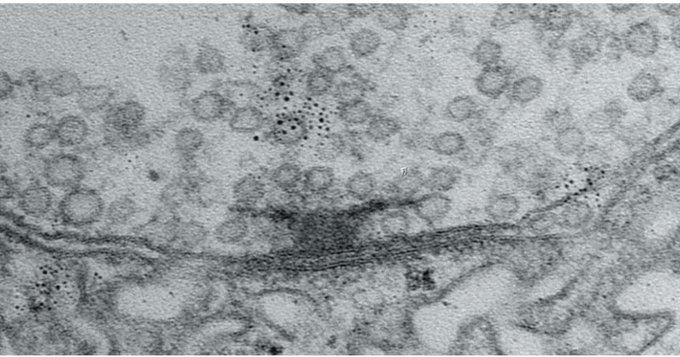
Nervous system functions, from motion to perception to cognition, depend on the active zones of neural circuit connections, or “synapses,” sending out the right amount of their chemical signals at the right times. By tracking how synaptic active zones form and mature in fruit flies, researchers at The Picower Institute for Learning and Memory at MIT have revealed a fundamental model for how neural activity during development builds properly working connections.

Understanding how that happens is important, not only for advancing fundamental knowledge about how nervous systems develop, but also because many disorders such as epilepsy, autism, or intellectual disability can arise from aberrations of synaptic transmission, said senior author Troy Littleton, Menicon Professor in The Picower Institute and MIT’s Department of Biology. The new findings, funded in part by a 2021 grant from the National Institutes of Health, provide insights into how active zones develop the ability to send neurotransmitters across synapses to their circuit targets. It’s not instant or predestined, the study shows. It can take days to fully mature and that is regulated by neural activity.

If scientists can fully understand the process, Littleton said, then they can develop molecular strategies to intervene to tweak synaptic transmission when it’s happening too much or too little in disease.

“We’d like to have the levers to push to make synapses stronger or weaker, that’s for sure,” Littleton said. “And so knowing the full range of levers we can tug on to potentially change output would be exciting.”

Littleton Lab research scientist Yuliya Akbergenova led the study published Oct. 14 in the Journal of Neuroscience.

How newborn synapses grow up 

In the study, the researchers examined neurons that send the neurotransmitter glutamate across synapses to control muscles in the fly larvae. To study how the active zones in the animals matured, the scientists needed to keep track of their age. That hasn’t been possible before, but Akbergenova overcame the barrier by cleverly engineering the fluorescent protein mMaple, which changes its glow from green to red when zapped with 15 seconds of ultraviolet light, into a component of the glutamate receptors on the receiving side of the synapse. Then, whenever she wanted, she could shine light and all the synapses already formed before that time would glow red and any new once that formed subsequently would glow green.

With the ability to track each active zone’s birthday, the authors could then document how active zones developed their ability to increase output over the course of days after birth. The researchers actually watched as synapses were built over many hours by tagging each of eight kinds of proteins that make up an active zone. At first, the active zones couldn’t transmit anything. Then, as some essential early proteins accumulated, they could send out glutamate spontaneously, but not if evoked by electrical stimulation of their host neuron (simulating how that neuron might be signaled naturally in a circuit). Only after several more proteins arrived did active zones possess the mature structure for calcium ions to trigger the fusion of glutamate vesicles to the cell membrane for evoked release across the synapse.

Activity matters

Of course, construction does not go on forever. At some point, the fly larva stops building one synapse and then builds new ones further down the line as the neuronal axon expands to keep up with growing muscles. The researchers wondered whether neural activity had a role in driving that process of finishing up one active zone and moving on to build the next.

To find out, they employed two different interventions to block active zones from being able to release glutamate, thereby preventing synaptic activity. Notably, one of the methods they chose was blocking the action of a protein called Synaptotagmin 1. That’s important because mutations that disrupt the protein in humans are associated with severe intellectual disability and autism. Moreover, the researchers tailored the activity-blocking interventions to just one neuron in each larva because blocking activity in all their neurons would have proved lethal.

In neurons where the researchers blocked activity, they observed two consequences: the neurons stopped building new active zones and instead kept making existing active zones larger and larger. It was as if the neuron could tell the active zone wasn’t releasing glutamate and tried to make it work by giving it more protein material to work with. That effort came at the expense of starting construction on new active zones.

“I think that what it’s trying to do is compensate for the loss of activity,” Littleton said.

Testing indicated that the enlarged active zones the neurons built in hopes of restarting activity were functional (or would have been if the researchers weren’t artificially blocking them). This suggested that the way the neuron sensed that glutamate wasn’t being released was therefore likely to be a feedback signal from the muscle side of the synapse. To test that, the scientists knocked out a glutamate receptor component in the muscle and when they did, they found that the neurons no longer made their active zones larger.

Littleton said the lab is already looking into the new questions the discoveries raise. In particular, what are the molecular pathways that initiate synapse formation in the first place, and what are the signals that tell an active zone it has finished growing? Finding those answers will bring researchers closer to understanding how to intervene when synaptic active zones aren’t developing properly.

In addition to Littleton and Akbergenova, the paper’s other authors are Jessica Matthias and Sofya Makeyeva.

In addition to the National Institutes of Health, The Freedom Together Foundation provided funding for the study.

W.M. Keck Foundation to support research on healthy aging at MIT

Assistant Professor of Biology Alison Ringel will investigate the intersection of immunology and aging biology, aiming to define the mechanisms that underlie aging-related decline, thanks to grant from prestigious foundation.

Lillian Eden | Department of Biology
October 9, 2025

A prestigious grant from the W.M. Keck Foundation to Assistant Professor of Biology Alison Ringel will support groundbreaking healthy aging research at MIT.

Ringel, also a Core Member of the Ragon Institute, will draw on her background in cancer immunology to create a more comprehensive biomedical understanding of the cause and possible treatments for aging-related decline.

“It is such an honor to receive this grant,” Ringel says. “This support will enable us to draw new connections between immunology and aging biology. As the U.S. population grows older, advancing this research is increasingly important, and this line of inquiry is only possible because of the W.M. Keck Foundation.”

Understanding how to extend healthy years of life is a fundamental question of biomedical research with wide-ranging societal implications. Although modern science and medicine have greatly expanded global life expectancy, it remains unclear why everyone ages differently; some maintain physical and cognitive fitness well into old age, while others become debilitatingly frail later in life.

Our immune systems are adaptable, but they do naturally decline as we get older. One critical component of our immune system is CD8+ T cells, which are known to target and destroy cancerous or damaged cells. As we age, our tissues accumulate cells that can no longer divide. These senescent cells are present throughout our lives, but reach seemingly harmful levels as a normal part of aging, causing tissue damage and diminished resilience under stress.

There is now compelling evidence that the immune system plays a more active role in aging than previously thought.

“Decades of research have revealed that T cells can eliminate cancer cells, and studies of how they do so have led directly to the development of cancer immunotherapy,” Ringel says. “Building on these discoveries, we can now ask what roles T cells play in normal aging, where the accumulation of senescent cells, which are remarkably similar to cancer cells in some respects, may cause health problems later in life.”

In animal models, reconstituting elements of a young immune system has been shown to improve age-related decline, potentially due to CD8+ T cells selectively eliminating senescent cells. CD8+ T cells progressively losing the ability to cull senescent cells could explain some age-related pathology.

Ringel aims to build models for the express purpose of tracking and manipulating T cells in the context of aging and to evaluate how T cell behavior changes over a lifespan.

“By defining the protective processes that slow aging when we are young and healthy, and defining how these go awry in older adults, our goal is to generate knowledge that can be applied to extend healthy years of life,” Ringel says. “I’m really excited about where this research can take us.”

The W. M. Keck Foundation was established in 1954 in Los Angeles by William Myron Keck, founder of The Superior Oil Company. One of the nation’s largest philanthropic organizations, the W. M. Keck Foundation supports outstanding science, engineering and medical research. The Foundation also supports undergraduate education and maintains a program within Southern California to support arts and culture, education, health and community service projects.

Alnylam Pharmaceuticals establishes named fund in honor of co-founder

The Phil Sharp-Alnylam Fund for Emerging Scientists will support graduate students and faculty in MIT Biology.

Lillian Eden | Department of Biology
November 13, 2025

It’s no question that graduate school in fundamental research was never for the faint of heart, but academia’s nationwide funding disruptions threaten not just research happening now, but the critical pipeline for the next generation of scientists.

“What’s keeping me up at night is the uncertainty,” says Nobel Laureate Phillip A. Sharp, Institute Professor and Professor of Biology Emeritus, and Intramural Faculty at the Koch Institute.

In the short term, Sharp foresees challenges in sustaining students so they can complete their degrees, postdoctoral scholars to finish their professional preparation, and faculty to set up and sustain their labs. In the long term, the impact becomes potentially existential — fewer people pursuing academia now means fewer advancements in the decades to come.

So, when Sharp was looped into discussions about a gift in his honor, he knew exactly where it should be directed. Established this year thanks to a generous donation from Alnylam Pharmaceuticals, the Phil Sharp-Alnylam Fund for Emerging Scientists will support graduate students and faculty within life sciences.

“This generosity by Alnylam provides an opportunity to bridge the uncertainty and ideally create the environment where students and others will feel that it’s possible to do science and have a career,” Sharp says. 

The fund is set up to be flexible, so the expendable gift can be used to address the evolving needs of the Department of Biology, including financial support, research grants, and seed funding. 

“This fund will help us fortify the department’s capacity to train new generations of life science innovators and leaders,” says Amy E. Keating, Department Head and Jay A. Stein (1968) Professor of Biology and Professor of Biological Engineering. “It is a great privilege for the department to be part of this recognition of Phil’s key role at Alnylam.”

Alnylam Pharmaceuticals, a company Sharp cofounded in 2002, is, in fact, a case study for the type of long-term investment in fundamental discovery that leads to paradigm-shifting strides in biomedical science, such as: what if the genetic drivers of diseases could be silenced by harnessing a naturally occurring gene regulation process? 

Good things take time

In 1998, Andrew Fire, PhD ’83, who was trained as a graduate student in the Sharp Lab at MIT, and Craig Mello published a paper showing that double-stranded RNA suppresses the expression of the protein from the gene that encodes its sequence. The process, known as RNA interference, was such a groundbreaking revelation that Fire and Mello shared a Nobel Prize in Medicine and Physiology less than a decade later. 

Four of the five cofounders of Alnylam Pharmaceuticals: (from left to right) Tom Tuschl, Phil Sharp, David Bartel, and Phil Zamore. Not pictured: Paul Schimmel. Photo credit: Christoph Westphal

RNAi is an innate cellular gene regulation process that can, for example, assist cells in defending against viruses by degrading viral RNA, thereby interfering with the production of viral proteins. Taking advantage of this natural process to fine-tune the expression of genes that encode specific proteins was a promising option for disease treatment, as many diseases are caused by the creation or buildup of mutated or faulty proteins. This approach would address the root cause of the disease, rather than its downstream symptoms.

The details of the biochemistry of RNAi were characterized and patented, and in 2002, Alnylam was founded by Sharp, David Bartel, Paul Schimmel, Thomas Tuschl, and Phillip Zamore. 

“16 years later, we got our first approval for a totally novel therapeutic agent to treat disease,” Sharp says. “Something in a research laboratory, translated in about as short a time as you can do, gave rise to this whole new way of treating critical diseases.” 

This timeline isn’t atypical. Particularly in healthcare, Sharp notes, investments often occur five or ten years before they come to fruition. 

“Phil Sharp’s visionary idea of harnessing RNAi to treat disease brought brilliant people together to pioneer this new class of medicines. RNAi therapeutics would not exist without the bridge Phil built between academia and industry. Now there are six approved Alnylam-discovered RNAi therapeutics, and we are exploring potential treatments for a range of rare and prevalent diseases to improve the lives of many more patients in need,” says Kevin Fitzgerald, Chief Scientific Officer of Alnylam Pharmaceuticals

Today, the company has grown to over 2,500 employees, markets its six approved treatments worldwide, and has a long list of research programs that are likely to yield new therapeutic agents in the years to come. 

Change is always on the horizon

Sharp foresees potential benefits for companies investing in academia, in the way Alnylam Pharmaceuticals has through the Phil Sharp-Alnylam Fund for Emerging Scientists

“We are proud to support the MIT Department of Biology because investments in both early-stage and high-risk research have the potential to unlock the next wave of medical breakthroughs to help so many patients waiting for hope throughout the world,” says Yvonne Greenstreet, Chief Executive Officer of Alnylam Pharmaceuticals

It is prudent for industry to keep its finger on the pulse — for becoming aware of new talent and for anticipating landscape-shifting advancements, such as Artificial Intelligence. Sharp notes that academia, in its pursuit of fundamental knowledge, “creates new ideas, new opportunities, and new ways of doing things.” 

“All of society, including biotech, is anticipating that AI is going to be a great accelerator,” Sharp says. “Being associated with institutions that have great biology, chemistry, neuroscience, engineering, and computational innovation is how you sort through this anticipation of what the future is going to be.” 

But, Sharp says, it’s a two-way street: academia should also be asking how it can best support the future workplaces for their students who will go on to have careers in industry. To that end, the Department of Biology recently launched a career connections initiative for current trainees to draw on the guidance and experience of alums, and to learn how to hone their knowledge so that they are a value-add to industry’s needs.  

“The symbiotic nature of these relationships is healthy for the country, and for society, all the way from basic research through innovative companies of all sizes, healthcare delivery, hospitals, and right down to primary care physicians meeting one-on-one with patients,” Sharp says. “We’re all part of that, and unless all parts of it remain healthy and appreciated, it will bode poorly for the future of the country’s economy and well-being.”

Pathology and the Allure of Analytical Thinking

Susan Fuhrman ’75 pursued pathology because she liked providing clear answers to diagnostic questions, and has spent her retirement making complex beaded jewelry, a hobby she started more than 30 years ago as a foil for the stresses of work.

Kathryn M. O'Neill | Slice of MIT
October 7, 2025

Susan Fuhrman ’75 became a pathologist because she likes providing clear answers to diagnostic questions. “As opposed to guessing what people have, you’ve got the lab results, you have reviewed the pathology slides,” she says. “It’s pretty analytical. Your answer is the answer.”

That clarity of focus was never more valuable than in 2020, when Fuhrman was charged with answering the question everyone was asking: Is it Covid?

As the system director for pathology and laboratory services at OhioHealth, a major hospital system based in Columbus, Ohio, Fuhrman led efforts to address the epidemic—through hospital protocols and, of course, testing—all while fielding seemingly endless requests for her expertise in identifying disease.

“Everybody—from hospital vice presidents to the chief medical officer for the system— was calling me late at night and multiple times on weekends. It was incredible,” she says.

Within a year, the system’s labs had performed over half a million Covid tests and Fuhrman had been featured several times in CAP Today, a publication of the College of American Pathologists. She discussed general testing challenges as well as whom to test when and on which testing platform.

As it happened, however, Fuhrman was already famous thanks to work dating back to the 1980s.

Understanding Renal Cancer

The daughter of two chemists, Fuhrman majored in biology at MIT and earned her medical degree from the University of Michigan in 1978. She then went to the University of Minnesota Medical Center for her residency in pathology and laboratory medicine and found herself in need of a research topic. “I remember asking the head of our surgical pathology department, Dr. Juan Rosai, ‘What is a question in pathology that hasn’t been answered?’” she says. “He said, ‘Well, we don’t have a good way of determining which renal cell cancers have a bad prognosis. Currently we go by size, but there must be more than that. No one’s cracked the code. Why don’t you try that?’”

So, Fuhrman teamed up with another doctor at the Minneapolis veterans hospital, Dr. Catherine Limas, and together they developed and proposed a set of parameters to grade kidney cancers that might predict cancer outcomes. Then, Fuhrman did the painstaking work of reviewing and analyzing thousands of tumor slides, as well as cancer registry clinical data and medical charts. Her husband, Larry Lasky ’72—whom she had met at MIT and who also became a pathologist—programmed the analysis and helped her run the data she found through an early computer. “I input everything with computer cards and a teletype, super primitive stuff,” she says.

The data produced clear patterns in the predictive value of the appearance of cell nuclei, and the three published a paper proposing a grading system classifying which renal tumors are most aggressive and likely to spread based on their findings. The system, which is still the standard, is known as the Fuhrman Nuclear Grade for Clear Cell Renal Carcinoma.

American Board of Pathology President

After her residency, Fuhrman taught laboratory medicine to senior medical students as an assistant professor at the University of Minnesota for 12 years before moving to Ohio in 1994. In addition to working at OhioHealth, Fuhrman served for several years as president and CEO of CORPath, a private pathology practice. In 2022, she served a term as president of the American Board of Pathology, which later named her a life trustee in honor of her many years of service.

Fuhrman retired at the end of 2020 and has since spent much of her time making beaded jewelry—a hobby she started 35 years ago as a foil to work. “The job was stressful, and beading uses a totally different part of your brain. The left side can rest,” she says. “I can sit and sort beads by size and color for hours. That’s really weird and mindless, but I love it. I also love bead weaving; it’s like physics and architecture, building beautiful, structurally sound pieces from tiny beads.”

She creates elaborate bracelets and necklaces, often giving them away to friends or donating them to charity. “Jewelry making doesn’t pay very well, but I’m very lucky I don’t need to support myself on my hobby,” she says. “I do this for me.”

Gene-Wei Li joins MIT Department of Biology leadership team as Associate Department Head

During a time of academic uncertainty, Li aims to help guide the department in continuing to be a worldwide leader in education, biological sciences, and fundamental research.

Lillian Eden | Department of Biology
October 6, 2025

Associate Professor of Biology Gene-Wei Li has accepted the position of Associate Department Head starting in the 2025-2026 academic year. 

Li, who has been a member of the department since 2015, brings a history of departmental leadership, service, and research and teaching excellence to his new role. He has received many awards, including a Sloan Research Fellowship (2016), an NSF Career Award (2019), Pew and Searle scholarships, and MIT’s Committed to Caring Award (2020), In 2024, he was appointed as an HHMI Investigator

“I am grateful to Gene-Wei for joining the leadership team,” says Department Head and Jay A. Stein (1968) Professor of Biology and Professor of Biological Engineering Amy E. Keating. “Gene will be a key leader in our educational initiatives, both digital and residential, and will be a critical part of keeping our department strong and forward-looking.” 

A great environment to do science

Li says he was inspired to take on the role in part because of the way MIT Biology facilitates career development during every stage—from undergraduate and graduate students to postdocs and junior faculty members, as he was when he started in the department as an assistant professor just ten years ago. 

“I think we all benefit a lot from our environment, and I think this is a great environment to do science and educate people, and to create a new generation of scientists,” he says. “I want us to keep doing well, and I’m glad to have the opportunity to contribute to this effort.” 

As part of his portfolio as Associate Department Head, Li will continue in the role of Scientific Director of the Koch Biology Building, Building 68. In the last year, the previous Scientific Director, Stephen Bell, Uncas and Helen Whitaker Professor of Biology and HHMI Investigator, has continued to provide support and ensured a steady ramp-up, transitioning Li into his new duties. The building, which opened its doors in 1994, is in need of a slate of updates and repairs. 

Although Li will be managing more administrative duties, he has provided a stable foundation for his lab to continue its interdisciplinary work on the quantitative biology of gene expression, parsing the mechanisms by which cells control the levels of their proteins and how this enables cells to perform their functions. His recent work includes developing a method that leverages the AI tool AlphaFold to predict whether protein fragments can recapitulate the native interactions of their full-length counterparts.  

“I’m still very heavily involved, and we have a lab environment where everyone helps each other. It’s a team, and so that helps elevate everyone,” he says. “It’s the same with the whole building: nobody is working by themselves, so the science and administrative parts come together really nicely.” 

Teaching for the future

Li is considering how the department can continue to be a global leader in biological sciences while navigating the uncertainty surrounding academia and funding, as well as the likelihood of reduced staff support and tightening budgets.

“The question is, how do you maintain excellence?” Li says. “That involves recruiting great people and giving them the resources that they need, and that’s going to be a priority within the limitations that we have to work with.” 

Li will also be serving as faculty advisor for the MIT Biology Teaching and Learning Group, headed by Mary Ellen Wiltrout, and will serve on the Department of Biology Digital Learning Committee and the new Open Learning Biology Advisory Committee. Li will serve in the latter role in order to represent the department and work with new faculty member and HHMI Investigator Ron Vale on institute-level online learning initiatives. Li will also chair the Biology Academic Planning Committee, which will help develop a longer-term outlook on faculty teaching assignments and course offerings. 

Li is looking forward to hearing from faculty and students about the way the institute teaches, and how it could be improved, both for the students on campus and for the online learners from across the world. 

“There are a lot of things that are changing—what are the core fundamentals that the students need to know, what should we teach them, and how should we teach them?” 

Although the commitment to teaching remains unchanged, there may be big transitions on the horizon. With two young children in school, Li is all too aware that the way that students learn today is very different from what he grew up with, and also very different from how students were learning just five or ten years ago—writing essays on a computer, researching online, using AI tools, and absorbing information from media like short-form YouTube videos. 

“There’s a lot of appeal to a shorter format, but it’s very different from the lecture-based teaching style that has worked for a long time,” Li says. “I think a challenge we should and will face is figuring out the best way to communicate the core fundamentals, and adapting our teaching styles to the next generation of students.” 

Ultimately, Li is excited about balancing his research goals along with joining the department’s leadership team and knows he can look to his fellow researchers in Building 68 and beyond for support.

“I’m privileged to be working with a great group of colleagues who are all invested in these efforts,” Li says. “Different people may have different ways of doing things, but we all share the same mission.” 

A cysteine-rich diet may promote regeneration of the intestinal lining, study suggests

The findings from the Yilmaz Lab recently published in Nature, may offer a new way to help heal tissue damage from radiation or chemotherapy treatment.

Anne Trafton | MIT News
October 1, 2025

A diet rich in the amino acid cysteine may have rejuvenating effects in the small intestine, according to a new study from MIT. This amino acid, the researchers discovered, can turn on an immune signaling pathway that helps stem cells to regrow new intestinal tissue.

This enhanced regeneration may help to heal injuries from radiation, which often occur in patients undergoing radiation therapy for cancer. The research was conducted in mice, but if future research shows similar results in humans, then delivering elevated quantities of cysteine, through diet or supplements, could offer a new strategy to help damaged tissue heal faster, the researchers say.

“The study suggests that if we give these patients a cysteine-rich diet or cysteine supplementation, perhaps we can dampen some of the chemotherapy or radiation-induced injury,” says Omer Yilmaz, director of the MIT Stem Cell Initiative, an associate professor of biology at MIT, and a member of MIT’s Koch Institute for Integrative Cancer Research. “The beauty here is we’re not using a synthetic molecule; we’re exploiting a natural dietary compound.”

While previous research has shown that certain types of diets, including low-calorie diets, can enhance intestinal stem cell activity, the new study is the first to identify a single nutrient that can help intestinal cells to regenerate.

Yilmaz is the senior author of the study, which appears today in Nature. Koch Institute postdoc Fangtao Chi is the paper’s lead author.

Boosting regeneration

It is well-established that diet can affect overall health: High-fat diets can lead to obesity, diabetes, and other health problems, while low-calorie diets have been shown to extend lifespans in many species. In recent years, Yilmaz’s lab has investigated how different types of diets influence stem cell regeneration, and found that high-fat diets, as well as short periods of fasting, can enhance stem cell activity in different ways.

“We know that macro diets such as high-sugar diets, high-fat diets, and low-calorie diets have a clear impact on health. But at the granular level, we know much less about how individual nutrients impact stem cell fate decisions, as well as tissue function and overall tissue health,” Yilmaz says.

In their new study, the researchers began by feeding mice a diet high in one of 20 different amino acids, the building blocks of proteins. For each group, they measured how the diet affected intestinal stem cell regeneration. Among these amino acids, cysteine had the most dramatic effects on stem cells and progenitor cells (immature cells that differentiate into adult intestinal cells).

Further studies revealed that cysteine initiates a chain of events leading to the activation of a population of immune cells called CD8 T cells. When cells in the lining of the intestine absorb cysteine from digested food, they convert it into CoA, a cofactor that is released into the mucosal lining of the intestine. There, CD8 T cells absorb CoA, which stimulates them to begin proliferating and producing a cytokine called IL-22.

IL-22 is an important player in the regulation of intestinal stem cell regeneration, but until now, it wasn’t known that CD8 T cells can produce it to boost intestinal stem cells. Once activated, those IL-22-releasing T cells are primed to help combat any kind of injury that could occur within the intestinal lining.

“What’s really exciting here is that feeding mice a cysteine-rich diet leads to the expansion of an immune cell population that we typically don’t associate with IL-22 production and the regulation of intestinal stemness,” Yilmaz says. “What happens in a cysteine-rich diet is that the pool of cells that make IL-22 increases, particularly the CD8 T-cell fraction.”

These T cells tend to congregate within the lining of the intestine, so they are already in position when needed. The researchers found that the stimulation of CD8 T cells occurred primarily in the small intestine, not in any other part of the digestive tract, which they believe is because most of the protein that we consume is absorbed by the small intestine.

Healing the intestine

In this study, the researchers showed that regeneration stimulated by a cysteine-rich diet could help to repair radiation damage to the intestinal lining. Also, in work that has not been published yet, they showed that a high-cysteine diet had a regenerative effect following treatment with a chemotherapy drug called 5-fluorouracil. This drug, which is used to treat colon and pancreatic cancers, can also damage the intestinal lining.

Cysteine is found in many high-protein foods, including meat, dairy products, legumes, and nuts. The body can also synthesize its own cysteine, by converting the amino acid methionine to cysteine — a process that takes place in the liver. However, cysteine produced in the liver is distributed through the entire body and doesn’t lead to a buildup in the small intestine the way that consuming cysteine in the diet does.

“With our high-cysteine diet, the gut is the first place that sees a high amount of cysteine,” Chi says.

Cysteine has been previously shown to have antioxidant effects, which are also beneficial, but this study is the first to demonstrate its effect on intestinal stem cell regeneration. The researchers now hope to study whether it may also help other types of stem cells regenerate new tissues. In one ongoing study, they are investigating whether cysteine might stimulate hair follicle regeneration.

They also plan to further investigate some of the other amino acids that appear to influence stem cell regeneration.

“I think we’re going to uncover multiple new mechanisms for how these amino acids regulate cell fate decisions and gut health in the small intestine and colon,” Yilmaz says.

The research was funded, in part, by the National Institutes of Health, the V Foundation, the Koch Institute Frontier Research Program via the Kathy and Curt Marble Cancer Research Fund, the Bridge Project — a partnership between the Koch Institute for Integrative Cancer Research at MIT and the Dana-Farber/Harvard Cancer Center, the American Federation for Aging Research, the MIT Stem Cell Initiative, and the Koch Institute Support (core) Grant from the National Cancer Institute.

A more precise way to edit the genome

MIT researchers have dramatically lowered the error rate of prime editing, a technique that holds potential for treating many genetic disorders.

Anne Trafton | MIT News
September 17, 2025

A genome-editing technique known as prime editing holds potential for treating many diseases by transforming faulty genes into functional ones. However, the process carries a small chance of inserting errors that could be harmful.

MIT researchers have now found a way to dramatically lower the error rate of prime editing, using modified versions of the proteins involved in the process. This advance could make it easier to develop gene therapy treatments for a variety of diseases, the researchers say.

“This paper outlines a new approach to doing gene editing that doesn’t complicate the delivery system and doesn’t add additional steps, but results in a much more precise edit with fewer unwanted mutations,” says Phillip Sharp, an MIT Institute Professor Emeritus, a member of MIT’s Koch Institute for Integrative Cancer Research, and one of the senior authors of the new study.

With their new strategy, the MIT team was able to improve the error rate of prime editors from about one error in seven edits to one in 101 for the most-used editing mode, or from one error in 122 edits to one in 543 for a high-precision mode.

“For any drug, what you want is something that is effective, but with as few side effects as possible,” says Robert Langer, the David H. Koch Institute Professor at MIT, a member of the Koch Institute, and one of the senior authors of the new study. “For any disease where you might do genome editing, I would think this would ultimately be a safer, better way of doing it.”

Koch Institute research scientist Vikash Chauhan is the lead author of the paper, which appears today in Nature.

The potential for error

The earliest forms of gene therapy, first tested in the 1990s, involved delivering new genes carried by viruses. Subsequently, gene-editing techniques that use enzymes such as zinc finger nucleases to correct genes were developed. These nucleases are difficult to engineer, however, so adapting them to target different DNA sequences is a very laborious process.

Many years later, the CRISPR genome-editing system was discovered in bacteria, offering scientists a potentially much easier way to edit the genome. The CRISPR system consists of an enzyme called Cas9 that can cut double-stranded DNA at a particular spot, along with a guide RNA that tells Cas9 where to cut. Researchers have adapted this approach to cut out faulty gene sequences or to insert new ones, following an RNA template.

In 2019, researchers at the Broad Institute of MIT and Harvard reported the development of prime editing: a new system, based on CRISPR, that is more precise and has fewer off-target effects. A recent study reported that prime editors were successfully used to treat a patient with chronic granulomatous disease (CGD), a rare genetic disease that affects white blood cells.

“In principle, this technology could eventually be used to address many hundreds of genetic diseases by correcting small mutations directly in cells and tissues,” Chauhan says.

One of the advantages of prime editing is that it doesn’t require making a double-stranded cut in the target DNA. Instead, it uses a modified version of Cas9 that cuts just one of the complementary strands, opening up a flap where a new sequence can be inserted. A guide RNA delivered along with the prime editor serves as the template for the new sequence.

Once the new sequence has been copied, however, it must compete with the old DNA strand to be incorporated into the genome. If the old strand outcompetes the new one, the extra flap of new DNA hanging off may accidentally get incorporated somewhere else, giving rise to errors.

Many of these errors might be relatively harmless, but it’s possible that some could eventually lead to tumor development or other complications. With the most recent version of prime editors, this error rate ranges from one per seven edits to one per 121 edits for different editing modes.

“The technologies we have now are really a lot better than earlier gene therapy tools, but there’s always a chance for these unintended consequences,” Chauhan says.

Precise editing

To reduce those error rates, the MIT team decided to take advantage of a phenomenon they had observed in a 2023 study. In that paper, they found that while Cas9 usually cuts in the same DNA location every time, some mutated versions of the protein show a relaxation of those constraints. Instead of always cutting the same location, those Cas9 proteins would sometimes make their cut one or two bases further along the DNA sequence.

This relaxation, the researchers discovered, makes the old DNA strands less stable, so they get degraded, making it easier for the new strands to be incorporated without introducing any errors.

In the new study, the researchers were able to identify Cas9 mutations that dropped the error rate to 1/20th its original value. Then, by combining pairs of those mutations, they created a Cas9 editor that lowered the error rate even further, to 1/36th the original amount.

To make the editors even more accurate, the researchers incorporated their new Cas9 proteins into a prime editing system that has an RNA binding protein that stabilizes the ends of the RNA template more efficiently. This final editor, which the researchers call vPE, had an error rate just 1/60th of the original, ranging from one in 101 edits to one in 543 edits for different editing modes. These tests were performed in mouse and human cells.

The MIT team is now working on further improving the efficiency of prime editors, through further modifications of Cas9 and the RNA template. They are also working on ways to deliver the editors to specific tissues of the body, which is a longstanding challenge in gene therapy.

They also hope that other labs will begin using the new prime editing approach in their research studies. Prime editors are commonly used to explore many different questions, including how tissues develop, how populations of cancer cells evolve, and how cells respond to drug treatment.

“Genome editors are used extensively in research labs,” Chauhan says. “So the therapeutic aspect is exciting, but we are really excited to see how people start to integrate our editors into their research workflows.”

The research was funded by the Life Sciences Research Foundation, the National Institute of Biomedical Imaging and Bioengineering, the National Cancer Institute, and the Koch Institute Support (core) Grant from the National Cancer Institute.

Little picture, large revelations

A summer intensive using microscopy to study a unique type of yeast was a dream come true for BSG-MSRP-Bio student Adryanne Gonzalez.

Lillian Eden | Department of Biology
September 11, 2025

For Adryanne Gonzalez, studying yeast using microscopy at MIT this summer has been a dream come true. 

“Whatever world we’re living in, there’s an even smaller one,” Gonzalez says. “Knowing and understanding the smaller one can help us learn about the bigger stuff, and I think that’s so fascinating.” 

Gonzalez was part of the Bernard S. and Sophie G. Gould MIT Summer Research Program in Biology, working in the Lew Lab this summer. The program offers talented undergraduates from institutions with limited research opportunities at their home institutions the chance to spend 10 weeks at MIT, where they gain experience, hone skills, and create the types of connections with potential collaborators and future colleagues that are critical for success in academia. 

Gonzalez was so excited about the opportunity that she didn’t apply for any other summer programs.  

“I really wanted to work on becoming more independent in the lab, and this program was research-intensive, and you get to lead your own project,” she says. “It was this or nothing.”

two people standing at a bench in front of a computer
Adryanne Gonzalez, right, with her mentor, Lew Lab graduate student Clara Fikry, left. Gonzalez spent the summer studying Aureobasidium pullulans, a type of yeast that produces large, root-like networks. Photo credit: Mandana Sassanfar/MIT Department of Biology

The fun of science & the rigors of mentoring

The Lew Lab works with two different specimens: a model baker’s yeast that multiplies by producing a round growth called a bud that eventually separates into a separate, daughter cell; and Aureobasidium pullulans, which is unusual because it can create multiple buds at the same time, and can also spread in large networks of branching, rootlike growths called hyphae. A. pullulans is an emerging model system, meaning that researchers are still defining what normal growth and behavior is for the fungus, like how it senses and responds to obstacles, and how resources and molecular machinery are allocated to its branching structures.  

“I’m really interested in all the diversity of biology that we don’t get to study if we’re only focused on the model species,” says Clara Fikry, a graduate student in the Lew Lab and Gonzalez’s mentor for the summer. 

On the mentoring side, Fikry learned how to balance providing a rigorous workload while not overwhelming her mentee with information. 

“Science should be fun,” Fikry says. “The goal of this isn’t to produce as much data as possible; it’s to learn what the process of science is like.”

Although her day-to-day work was with Fikry, Gonzalez also received guidance from Daniel Lew himself. For example, his advice was invaluable for honing a draft of her research statement for potential graduate school applications, which she’d previously written as part of a class assignment.

“It was an assignment where I needed to hit a page count, and he pointed out that I kind of wrote the same thing three times in the first paragraph,” she shares with a laugh. He helped her understand that “when you’re writing something professionally, you want your writing to be concise and understandable to a broad spectrum of readers.” 

Life in the cohort

The BSG-MSRP-Bio program gives undergraduate students a taste of what the day-to-day life of graduate school might feel like, from balancing one’s workload and reading research papers to learning new techniques and troubleshooting when experiments don’t go as planned. Gonzalez recalls that the application process felt very “adult” and “professional” because she was responsible for reaching out to the faculty member of the lab she was interested in on her own behalf, rather than going through a program intermediary. 

Gonzalez is one of just three students from Massachusetts participating in the program this year—the program draws students from across the globe to study at MIT. 

Every student also arrives with different levels of experience, from Gonzalez, who can only work in a lab during the school year about once a week, to Calo Lab student Adriana Camacho-Badillo, who is in her third consecutive summer in the program, and continuing work on a project she began last year.

“We’re all different levels of novice, and we’re coming together, and we’re all really excited about research,” Gonzalez says.

Gonzalez is a Gould Fellow, supported at MIT through the generous donations of Mike Gould and Sara Moss. The program funding was initiated in 2015 to honor the memory of Gould’s parents, Bernard S. and Sophie G. Gould. Gould and Moss take the time to come to campus and meet the students they’re supporting every year. 

“You don’t often get to meet the person that’s helping you,” Gonzalez said. “They were so warm and welcoming, and at the end, when they were giving everyone a nice, firm handshake, Mike Gould said, ‘Make sure you keep going. Don’t give up,’ which was so sweet.” 

Gonzalez is also supported by Cedar Tree, a Boston-based family foundation that primarily funds local environmental initiatives. In the interest of building a pipeline for future scientists with potential interest in the environmental sciences and beyond, Cedar Tree recently established a grant program for local high school and undergraduate students pursuing STEM research and training opportunities. 

Gonzalez discusses her summer research with attendees of the poster session that serves as the culmination of the 10-week summer research intensive for talented non-MIT undergraduate students from around the world. Photo credit: Lillian Eden/MIT Department of Biology.

Preparing for the future

The BSG-MSRP-Bio program culminates with a lively poster session where students present their summer projects to the MIT community—the first time some students are presenting their data to the public in that format.

Although the program is aimed at students who foresee a career in academia, the majority of students who participate are uncertain about the specific field, organism, or process they’ll eventually want to study during a PhD program. For Gonzalez, the program has helped her feel more prepared for the potential rigors of academic research.

“I think the hardest thing about this program is convincing yourself to apply,” she says. “Don’t let that hinder you from exploring opportunities that may seem out of reach.”