Douglas Lauffenburger named Institute Professor

Lauffenburger described being named an Institute Professor as “an honor that is especially gratifying because it recognizes the extraordinary impact of our unique MIT biological engineering department. I’ve been blessed with the rare opportunity to help create something revolutionary, here in this remarkable institution.”

Anne Trafton | Jennifer Chu | MIT News
July 20, 2026

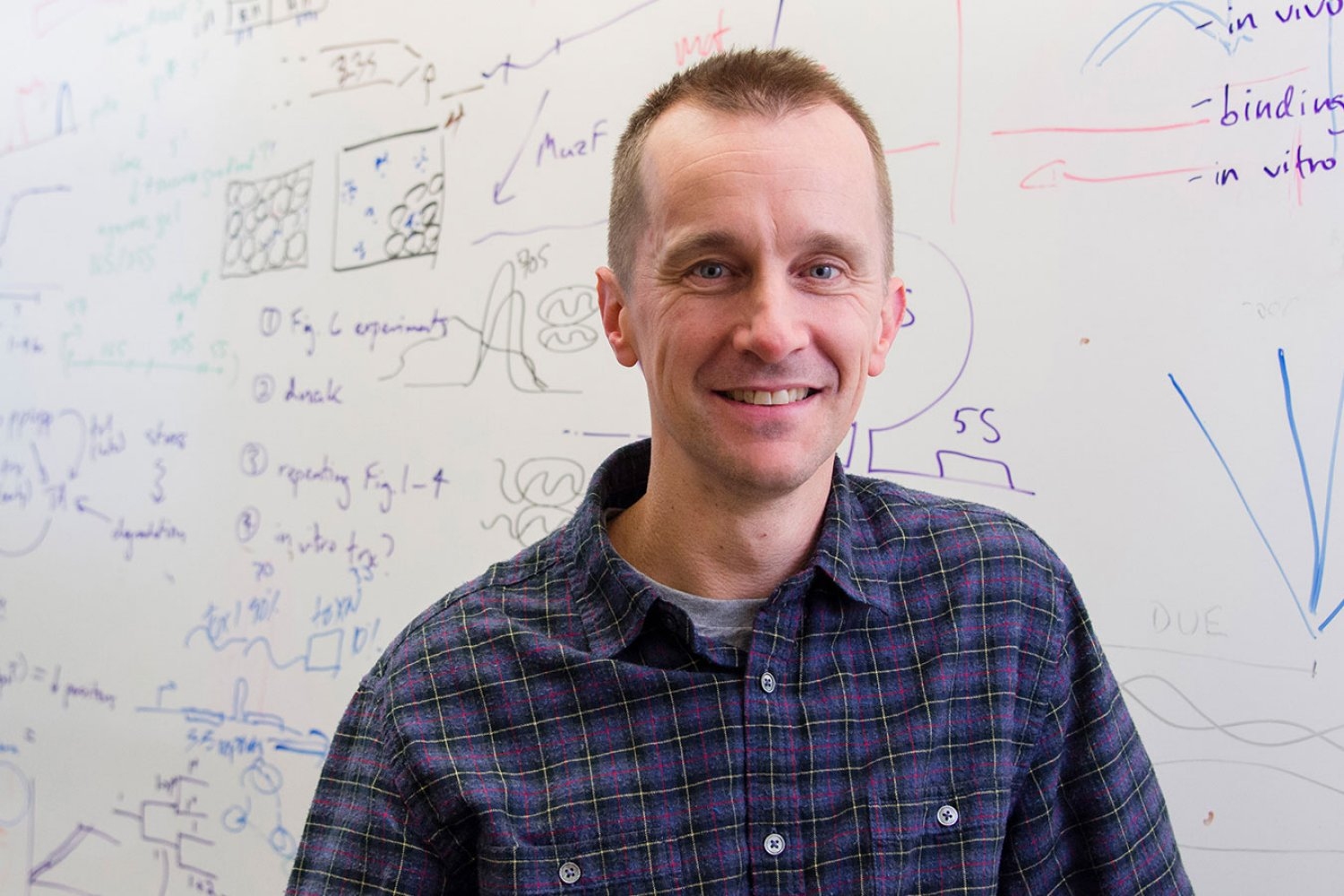
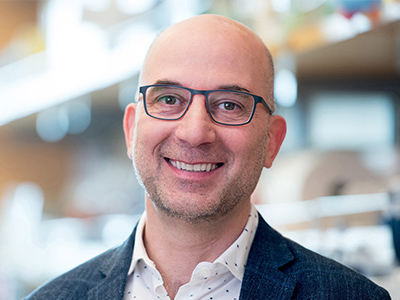
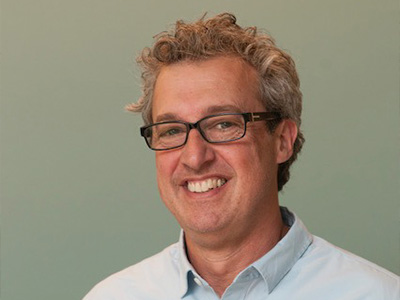
A physician and neuroscientist who studies how anesthesia affects the brain; a leader in aerospace engineering, policy, and education; and the founding head of MIT’s Department of Biological Engineering have been awarded MIT’s highest faculty honor: the title of Institute Professor.

With the appointments of Emery Brown, Daniel Hastings SM ’78, PhD ’80, and Douglas Lauffenburger, there are now 12 Institute Professors at MIT, along with 10 Institute Professors Emeriti.

The appointments, which took effect July 1, were announced today in an email to the faculty from Sally Kornbluth, MIT’s president; Anantha Chandrakasan, MIT provost; and Roger Levy, chair of the faculty and a professor of brain and cognitive sciences.

Emery Brown

Brown, who has been a member of the MIT faculty since 2005, says he is “tremendously honored” to be appointed as an Institute Professor.

“It’s a pleasure to know that your colleagues hold you in such high esteem and that the work that you’re doing is valued,” says Brown, who is the Edward Hood Taplin Professor of Medical Engineering and Computational Neuroscience, an investigator at The Picower Institute for Learning and Memory, and a professor in the Department of Brain and Cognitive Sciences and the Institute for Medical Engineering and Science. “When you look down the list of people who have had this title, it’s an amazing group.”

After graduating from Harvard University with a bachelor’s degree in applied mathematics in 1978, Brown earned a PhD in statistics, also from Harvard, and an MD from Harvard Medical School. Since 1992, he has been a member of the Harvard Medical School faculty, and until recently he was a practicing anesthesiologist at Massachusetts General Hospital.

Throughout his career, Brown has made contributions in several different areas of neuroscience. In the early stages of his research career, he developed statistical methods to characterize the properties of the human circadian clock. He showed how light exposure can shift the phase of the human clock, depending on the circadian phase during which the light is administered. He also developed methods to demonstrate, from analyses of physiological data collected under special low-light conditions, that the intrinsic period of the human clock, like that of other species, is closer to 24 hours and not 25. Brown also measured the impact of shift work schedules that were designed using circadian physiology.

Later, he developed new statistical techniques and signal processing methods to analyze data collected in systems neuroscience experiments. As part of this work, he devised algorithms to decode the position of an animal in its environment by reading the activity of a small group of place cell neurons in the animal’s brain.

Joining MIT’s faculty just over 20 years ago represented an “inflection point” in his career, Brown says.

“I was an anesthesiologist doing statistical research, interested in neuroscience, and MIT allowed me to tie all those together,” he says. “I could work with colleagues who could help me understand the neuroscience of anesthesia, have another outlet for the statistical research that I was doing, and also more direct interactions with undergraduates and grad students.”

Over the past two decades, Brown has applied statistical techniques to studying what happens to the brain under anesthesia. His work has revealed how drugs such as propofol alter the brain’s intrinsic oscillations, which can be seen with electroencephalography (EEG).

During the awake state, these oscillations usually have high frequencies and low amplitudes, but as anesthetic drugs are given, they shift to low frequencies and high amplitudes. These changes disrupt normal communication between different brain regions, leading to loss of consciousness.

Brown has also shown that these EEG oscillations can be used to monitor whether a patient is too deeply unconscious, and he has developed a closed-loop anesthesia delivery system that can monitor these oscillations in real-time and guide anesthetic dosing during surgery.

In 2024, Brown was presented with the National Medal of Science. Among his other awards, he is also a recipient of a National Institute of Health Director’s Pioneer Award, the Gruber Prize in Neuroscience, and the Swartz Prize for Computational and Theoretical Neuroscience. He one of a small group of researchers to be an elected member of all three National Academies of Medicine, Sciences, and Engineering, as well as the National Academy of Inventors.

From 2012 to 2022, he served as co-director of the Harvard-MIT Program in Health Sciences and Technology. He has also played an instrumental role in several important efforts at MIT, including the 2010 Report on the Initiative for Faculty Race and Diversity, and the founding of the MIT Institute for Data, Systems, and Society (IDSS) in 2015.

Outside of his work at MIT, Brown served on President Obama’s Brain Initiative Working Group, as well as the National Academy of Sciences Committee on Women in Science and Engineering and the Council of the National Institutes of Neurological Disorders and Stroke.

Brown is also known for his commitment to teaching and mentoring students. In 2024, he was named a recipient of MIT’s “Committed to Caring” award — an honor given by MIT’s Office of Graduate Education to faculty members who have served as exceptional mentors to graduate students.

Daniel Hastings

When Hastings, the Cecil (1923) and Ida Green Professor in Education, was notified of the new distinction, it came as a total surprise.

“The people who were there will tell you that I could not believe it at first,” he says. “I never thought of myself as being in the same league as some of the Institute Professors I knew.”

Hastings grew up in England and Jamaica, and developed an early fascination with space, as a fan of the fictional “Star Trek,” and later “Star Wars” and “Stargate” (he’s seen every episode and movie of all three franchises), as well as the very real NASA Apollo program.

After receiving a bachelor’s degree in mathematics from Oxford University, he enrolled at MIT, earning his master’s degree in 1978 and PhD in 1980, both in aeronautics and astronautics. In 1985 he joined the faculty as an assistant professor and was promoted to full professor in 1993.

Throughout his tenure, Hastings has made significant and lasting impacts in astronautical engineering, particularly through his studies in space plasma environment interactions, electric propulsion, and space systems architecture.

His early research on the physical interactions between plasma and spacecraft, for which he co-wrote the definitive text (“Spacecraft Environment Interactions,” published in 1996), enabled the safe operation of solar panels on spacecraft today. Prior to Hastings’ work, high voltage solar arrays on satellites often experienced catastrophic arcing — a dangerous jumping of electrical current from one panel to another. These failures turned out to be a result of interactions with the surrounding space plasma.

Hastings developed theories to characterize these interactions. His theories informed NASA’s design of the solar panels to power the International Space Station, which are still in operation today. His work also established guidelines across the aerospace industry on the design of resilient solar panels and ways to handle issues once in orbit.

In his studies of electric propulsion, Hastings characterized the fundamental physical interactions between ion engine plumes and spacecraft systems. His work was pivotal in incorporating ion propulsion systems into many commercial satellites and deep space probes and helped to push what was an experimental technology into mainstream use in space propulsion.

In his more recent work, Hastings has explored the concept of flexible and distributed space architectures. He and his students are developing models for spacecraft that can serve purposes beyond their original mission intent. For instance, a spacecraft may incorporate a port that could serve as a waystation for future satellites to dock and refuel. Such a flexible and distributed system could help to support future missions to the moon and Mars.

In recognition of his research contributions, Hastings received the AIAA Losey Atmospheric Sciences Award in 2002, was elected to the National Academy of Engineering in 2017, and was recognized as an honorary fellow of the American Institute of Aeronautics and Astronautics (AIAA) in 2021.

Throughout his career, Hastings has taken on numerous leadership roles, at the national, international, and Institute levels. Shortly after becoming full professor, he served as associate department head of research in MIT’s Department of Aeronautics and Astronautics (AeroAstro). He then took a two-year leave from the Institute to serve as chief scientist of the U.S. Air Force. During that time, he advised the Air Force chief of staff and secretary and successfully strengthened investments in space research in the U.S.  Air Force space program.

Hastings has served as an advisor on multiple expert panels and boards, including as the chair of the Air Force Scientific Advisory Board, and as a member of the NASA Advisory Council, the National Science Board, the Intelligence Science Board, and most recently, the Defense Science Board and User Advisory Group of the National Space Council. He has also chaired multiple National Research Council studies and advised the space and engineering industries in various capacities, including serving on the boards of the Aerospace Corporation, Draper, and Blue Origin. He has just finished a two-year term as president of the American Institute of Aeronautics and Astronautics.

At MIT, Hastings has stepped up to serve in pivotal leadership posts. From 2000 to 2005, he served as the director of MIT’s Technology and Policy Program, then director of the Engineering Systems Division. From 2006 to 2013, as dean for undergraduate education, he helped to develop initiatives in equity, financial aid, and curriculum development, and strengthened international education and study abroad programs during a nationally challenging economic period. He received the Gordon Y. Billard Award in 2013 for his work on international education. In 2014 he began a five-year term as director of the Singapore-MIT Alliance for Research and Technology, during which he worked to reinforce MIT’s global collaborations. And from 2019 to 2023 he served as head of AeroAstro, supporting new research and educational initiatives as he navigated the department through the global pandemic.

Hastings has also worked in multiple capacities to make the Institute a more welcoming and inclusive community. He has served as associate dean of engineering for diversity, equity, and inclusion (2021-2023), Institute Community and Equity Officer (interim, 2023-2024), and co-chair of the MIT Values Statement Committee, as well as vice chancellor for undergraduate and graduate education (interim, 2024-2025).

“MIT has been a great place for me,” Hastings reflects. “It has a mission to address some of the most pressing problems in the world. It is a high-energy place. This is a place that I am excited to work in and I want to give back to make it better.”

Douglas Lauffenburger

Lauffenburger, who is the Ford Professor of Biological Engineering, Chemical Engineering, and Biology, was the central founder of MIT’s Department of Biological Engineering, which he chaired from its inception in 1998 until 2019.

Before coming to MIT, Lauffenburger earned his undergraduate degree from the University of Illinois at Urbana-Champaign in 1975 and a PhD from the University of Minnesota at the Twin Cities in 1979, both in chemical engineering.

While in graduate school, he became fascinated by the biological sciences. Early in his career, as a faculty member at the University of Pennsylvania and at the University of Illinois, his research and teaching straddled the line between chemical engineering and cell biology. Due to his unique background, MIT recruited Lauffenburger in the late 1990s to launch its new Department of Biological Engineering.

At the time, many universities had programs in biomedical engineering — an interdisciplinary field that applies techniques from electrical, chemical, or mechanical engineering to medical problems. Lauffenburger envisioned a distinct discipline of biological engineering, in which engineers would pursue an understanding of how biological systems function at the level of molecular and cellular mechanisms, with the goal of manipulating them to create new technologies for applications across medicine, energy, the environment, nutrition, and manufacturing.

“What was clear to me was that because biological systems comprise molecular processes, which are integrated in very complex ways, a true engineering analysis and design approach ought to be useful in moving it beyond mere tinkering and trial-and-error,” he says. “We needed to develop engineering frameworks for biology based on design principles, models, and predictions.”

As department head, Lauffenburger guided the development of new curricula at both graduate and undergraduate levels, and recruited faculty members whose work spanned engineering, molecular and cellular biology, microbiology, and immunology. The new department began offering graduate degrees in the late 1990s, and an undergraduate major beginning in 2005. Since its inception, the program has served as a model for similar programs at many other institutions worldwide.

Lauffenburger described being named an Institute Professor as “an honor that is especially gratifying because it recognizes the extraordinary impact of our unique MIT biological engineering department. I’ve been blessed with the rare opportunity to help create something revolutionary, here in this remarkable institution.”

Lauffenburger also played key roles in launching new interdisciplinary programs within MIT and with other institutions, including the Center for Biomedical Engineering, the Computational and Systems Biology Initiative, the DuPont-MIT Alliance, and the Cambridge-MIT Initiative.

His research has touched on many areas of biological science, including molecular cell biology, systems biology, and computational biology. Much of his work focuses on unraveling cell signaling mechanisms, using a combination of computational modeling and quantitative experiments. This work has shed light on processes such as cell proliferation, death, adhesion, and migration.

In the field of systems biology, he has created computational models across a spectrum of mathematical approaches, which can be used to identify drug targets and patient stratification strategies for a variety of diseases, including cancer and chronic inflammation, and predict the efficacy of drugs against those targets.

In 2021, he and Linda Griffith, the School of Engineering Professor of Teaching Innovation at MIT, were jointly awarded the Bernard M. Gordon Prize for Innovation in Engineering and Technology Education, the most prestigious engineering education award in the United States.

Lauffenburger is an elected member of the National Academy of Engineering and the American Academy of Arts and Sciences. He is a fellow of the American Association for the Advancement of Science, a founding fellow of the American Institute for Medical and Biological Engineering, and has served as president of the Biomedical Engineering Society.
Two MIT faculty members named 2026 Pew Biomedical Scholars

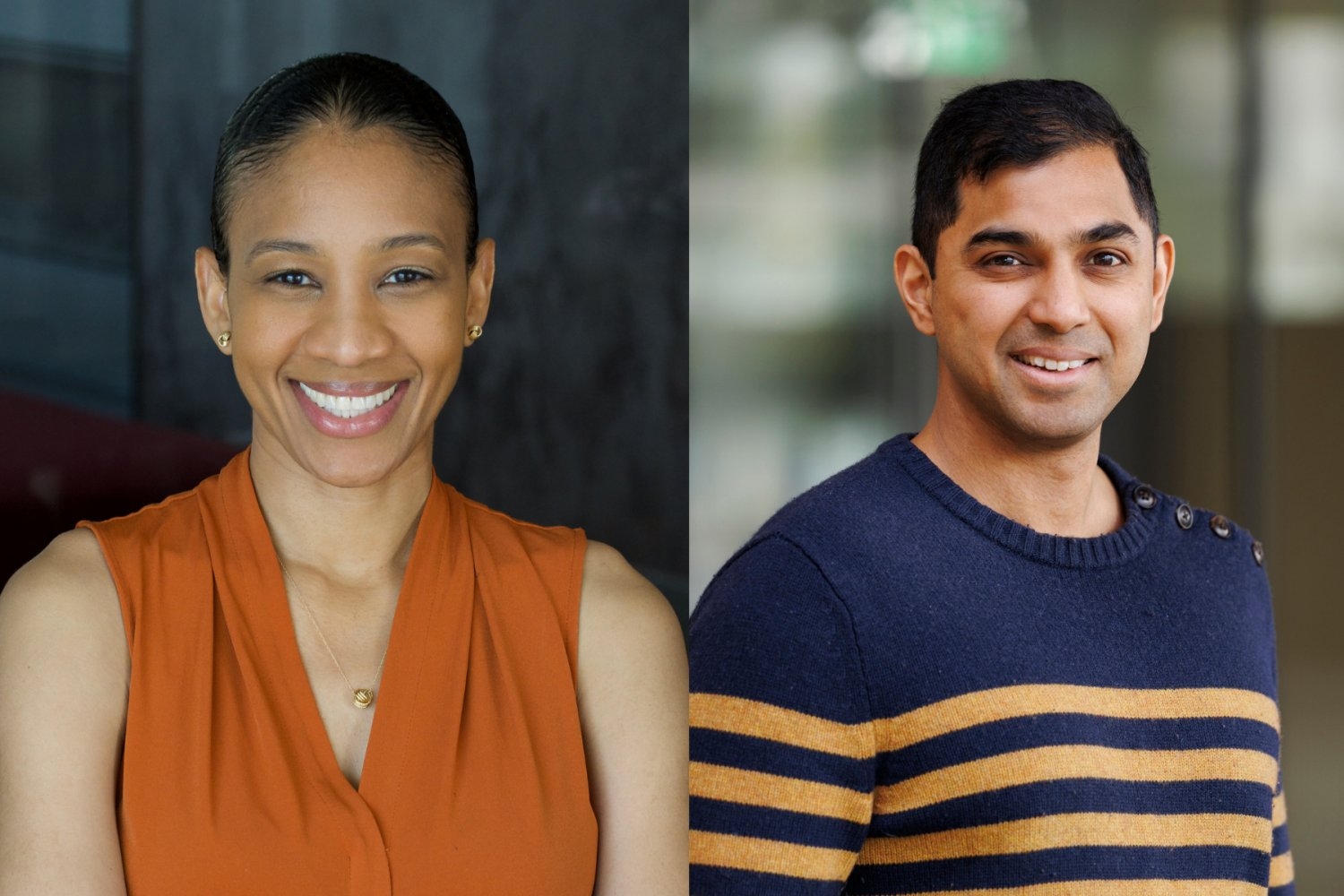
Cell biologist Whitney Henry and immunologist Harikesh Wong will receive four years of flexible funding to advance early-career research on ferroptosis and immune decision-making.

Nina Tamburello | Nikolay Kolev | Koch Institute | Ragon Institute
June 29, 2026

Whitney Henry and Harikesh Wong have been named 2026 Pew Scholars in the Biomedical Sciences. The Pew Charitable Trusts announced the 21-member class of early-career researchers, which includes the two MIT scientists as well as two alumni, on June 16. Each scholar will receive four years of funding to pursue cutting-edge research into human health and disease. Xin Gu PhD ’22 of Dana-Farber Cancer Institute and Christina Tringides ’15 of Rice University were also selected as scholars.

Henry, the Robert A. Swanson (1969) Career Development Professor of Life Sciences and a faculty member at the Koch Institute for Integrative Cancer Research, will use the Pew scholarship to examine how a stress-induced cell death program called ferroptosis contributes to injury and regeneration in the liver. Wong, assistant professor of biology at MIT and core member at the Ragon Institute of Mass General Brigham, MIT, and Harvard, will use his award to investigate how groups of immune cells reach a “communal decision” about whether to tolerate or attack a particular target.

Whitney Henry

Henry’s research centers on ferroptosis — an iron-dependent form of regulated cell death — and its role in shaping cell fate and tissue remodeling. Her lab investigates why some cells can withstand stress while others cross the threshold for ferroptosis, focusing on the molecular, metabolic, and tissue-level cues that shape ferroptosis vulnerability. The work draws on chemical biology, metabolomics, functional genomics, and in vivo models. By defining the mechanisms that govern ferroptosis susceptibility, Henry’s group aims not only to identify novel therapies that target the most dangerous subpopulations of cancer cells, those that are highly metastatic and resistant to conventional treatment, but also to advance understanding of diseases in which ferroptosis drives tissue injury, fibrosis, or impaired repair.

Harikesh Wong

Wong investigates how groups of cells organize into networks that collectively process information and control immune responses within tissues. These networks must continually balance the body’s need to protect itself against pathogens and tumors with the need to preserve healthy tissue function. Combining the tools of immunology with high-resolution fluorescence microscopy, computational modeling, and gene manipulation, his lab seeks to map, model, and manipulate the cell-cell interactions that govern these decisions within intact tissues, revealing how subtle changes in multicellular organization and communication can shift immune responses toward pathogen clearance and tolerance, or toward autoimmunity, chronic inflammation, and cancer.

Pew scholars are chosen from applicants nominated by leading academic institutions across the United States. This year’s class of 21 was selected from 211 nominees. The incoming scholars join a legacy of more than 1,000 scientists supported by the program since 1985. During their time as scholars, they will meet annually with fellow Pew-funded scientists to build connections across a wide variety of disciplines.

“Scientific discovery is moving at a rapid pace, and now more than ever we need curious and creative researchers leading the charge,” says Lee Niswander, a 1995 Pew scholar and chair of the program’s national advisory committee. “These new biomedical scholars are prepared to meet that challenge, and I look forward to watching their research unfold.”

Whitney Henry among MIT affiliates named 2026 Searle Scholars

Computational neuroscientist Sven Dorkenwald and cell biologist Whitney Henry, along with two MIT alumni, are recognized for their exceptional early-career research contributions.

Julie Pryor | Bendta Schroeder | McGovern Institute for Brain Research | Koch Institute
May 20, 2026

MIT scientists Sven Dorkenwald and Whitney Henry have been named 2026 Searle Scholars, an award given annually to 15 exceptional early-career researchers in the fields of biomedical sciences and chemistry. Dorkenwald is an assistant professor of brain and cognitive sciences and an investigator at the McGovern Institute for Brain Research. Henry is the Robert A. Swanson (1969) Career Development Professor of Life Sciences and an intramural faculty member at the Koch Institute for Integrative Cancer Research.

In addition, MIT alumni Irene Kaplow ’10 and Jared Mayers PhD ’15 were also honored.

Chosen by a scientific advisory board, Searle Scholars are considered among the most creative young researchers pursuing high-risk/high-reward research. The Searle Scholars Program is funded through the Searle Funds at The Chicago Community Trust and administered by Kinship Foundation. Each scholar will each receive $450,000 in flexible funding to support their work over the next three years.

Sven Dorkenwald

Sven Dorkenwald is a computational neuroscientist investigating the organizational principles of neuronal circuits. The synaptic connectivity of neurons, their connectome, is fundamental to how networks of neurons function. Dorkenwald develops computational and collaborative tools to map, analyze, and interpret synapse-resolution connectomes. His work has led to large connectomic reconstructions of the fruit fly brain and parts of mammalian brains. He uses these connectomes to investigate the architecture of neuronal circuits and how their structure supports complex computations.

“As I establish my new lab, the Searle Scholars Award will help us launch ambitious projects and set our long-term scientific direction,” says Dorkenwald. “I am deeply grateful for the support from the Kinship Foundation and look forward to interacting with this amazing cohort of Searle Scholars.”

Dorkenwald joined the faculty of MIT in 2026 as an assistant professor in the Department of Brain and Cognitive Sciences and an investigator at the McGovern Institute. He earned a BS in physics and an MS in computer engineering from the University of Heidelberg, followed by a PhD in computer science and neuroscience at Princeton University in 2023 under the mentorship of Sebastian Seung and Mala Murthy. Dorkenwald completed his postdoctoral training as a Shanahan Research Fellow at the Allen Institute and the University of Washington, while serving as a visiting faculty researcher at Google Research.

Whitney Henry

Whitney Henry investigates the potential of ferroptosis, an iron-dependent form of cell death, for developing novel therapies that target subpopulations of cancer cells that are highly metastatic, therapy-resistant, and therefore critical instigators of tumor relapse. Her research is focused on uncovering the molecular factors influencing ferroptosis susceptibility, investigating its effects on the tumor microenvironment, and developing innovative methods to manipulate ferroptosis resistance in living organisms, drawing from functional genomics, metabolomics, bioengineering, and a range of in vitro and in vivo models.

“I am incredibly grateful to the Kinship Foundation for supporting our research and giving us the freedom to ask bold, curiosity-driven scientific questions,” says Henry. “This support allows us to pursue ambitious ideas, take creative risks, and embark on new research directions.”

Henry joined the MIT faculty in 2024 as an assistant professor in the Department of Biology and a member of the Koch Institute, and is currently an HHMI Freeman Hrabowski Scholar. She received her bachelor’s degree in biology with a minor in chemistry from Grambling State University and her PhD from Harvard University. Following her doctoral studies, she worked in the lab of Robert Weinberg at the Whitehead Institute for Biomedical Research and was supported by fellowships from the Jane Coffin Childs Memorial Fund for Medical Research and the Ludwig Center at MIT.

Alumni also honored

Irene Kaplow ’10, a graduate of the MIT Department of Mathematics, is an assistant professor in the Department of Biology and the Ray and Stephanie Lane Computational Biology Department at Carnegie Mellon University. Her selection as a Searle Scholar is for “deciphering transcriptional regulatory mechanisms underlying mammalian dietary phenotype evolution and their relationships to transcriptional regulatory responses to changes in diet.”

Jared Mayers PhD ’15, who earned his doctorate from the MIT Department of Biology, is an assistant professor at the Fred Hutchinson Cancer Center at the University of Washington. His selection as a Searle Scholar is for “a reverse-translational framework to decipher metabolic vulnerabilities of bacterial pathogens.”

Professor Michael Laub named 2025 AAAS Fellow

The American Association for the Advancement of Science recognized Laub and 21 alumni for their efforts to advance science and related fields.

School of Science
April 17, 2026

MIT Professor Michael T. Laub as well as 21 MIT alumni have been elected as fellows of the American Association for the Advancement of Science (AAAS).

The 2025 class of AAAS Fellows includes 449 scientists, engineers, and innovators, spanning all 24 of AAAS disciplinary sections, who are recognized for their scientific achievements.

Laub, the Salvador E. Luria Professor in the MIT Department of Biology and an HHMI Investigator, studies the biological mechanisms and evolution of how cells process information to regulate their own growth and proliferation, using bacteria as a model organism to develop a deeper, fundamental understanding of how bacteria function and evolve. Laub was honored as a AAAS Fellow for distinguished contributions to the field of bacterial information processing, particularly to the understanding of coevolution of host-pathogen response and immunity.

“This year’s AAAS Fellows have demonstrated research excellence, made notable contributions to advance science, and delivered important services to their communities,” said Sudip S. Parikh, AAAS chief executive officer and executive publisher of the Science family of journals. “These fellows and their accomplishments validate the importance of investing in science and technology for the benefit of all.”

The following alumni were also named fellows of the AAAS:

  • Debra Auguste ’99
  • Julie Claycomb PhD ’04
  • Chris Clifton ’85, SM ’86
  • Kevin Crowston PhD ’91
  • Maitreya Dunham ’99
  • David Fike PhD ’07
  • Jianping Fu PhD ’07
  • Peter A. Gilman SM ’64, PhD ’66
  • Diane M. Harper ’80, SM ’82
  • Cherie R. Kagan PhD ’96
  • Elizabeth A. Kensinger PhD ’03
  • Kenro Kusumi PhD ’97
  • Charla Lambert ’96
  • Bennett A. Landman ’01, MNG ’02
  • Michael E. Matheny SM ’06
  • Paul David Ronney ScD ’83
  • Steven Semken ’80, PhD ’89
  • Sudipta Sengupta SM ’99, PhD ’06
  • Lawrence R. Sita PhD ’86
  • Jan M. Skotheim ’99
  • Beverly Park Woolf ’66
Whitehead Institute Member Jonathan Weissman joins global Cancer Grand Challenges team

Whitehead Institute Member Jonathan Weissman has been named to a newly funded Cancer Grand Challenges team that will tackle one of the most elusive frontiers in cancer biology: the “dark proteome.”

Mackenzie White | Whitehead Institute
March 4, 2026

Whitehead Institute Member Jonathan Weissman has been named to a newly funded Cancer Grand Challenges team that will tackle one of the most elusive frontiers in cancer biology: the “dark proteome.”

The interdisciplinary team, ILLUMINE, will receive up to $25 million over approximately five years through Cancer Grand Challenges to investigate proteins expressed by cancer cells that don’t correspond exactly to known genes. These include proteins produced from previously unrecognized regions of the genome, proteins created from offset start sites of known genes, and proteins with altered amino acid sequences that cannot be explained by known DNA mutations. The origins and functions of this dark proteome remain largely unknown.

Cancer Grand Challenges is a global research initiative co-founded in 2020 by Cancer Research UK and the National Cancer Institute (part of the National Institutes of Health) in the United States. The initiative supports a global community of diverse, world-class research teams to come together, think differently, and take on some of cancer’s toughest challenges.

The ILLUMINE team is led by Reuven Agami of the Netherlands Cancer Institute and brings together clinicians, advocates, and scientists across eight institutions in four countries. The team is funded by Cancer Research UK, the National Cancer Institute, the Cancer Research Institute, and KiKa (Children Cancer Free Foundation) through Cancer Grand Challenges. It is one of five new teams announced this year, representing a total investment of $125 million.

Weissman, also a professor of biology at MIT and an investigator of the Howard Hughes Medical Institute, studies how proteins are produced and folded inside cells, and how disruptions in these processes contribute to disease. His laboratory developed ribosome profiling, a technique that reveals which parts of the genome are actively being translated into proteins inside cells.

This method is directly relevant to the dark proteome challenge. If cancer cells generate proteins from unexpected regions of the genome, understanding when and how those proteins are made is critical. Weissman’s lab continues to refine tools that measure protein production at scale, helping to illuminate these hidden products and their potential role in cancer.

By comprehensively identifying and characterizing the dark proteome, the ILLUMINE team aims to uncover novel, potentially universal tumor antigens — cancer cell molecules that are recognizable by the immune system — and develop innovative immunotherapies for hard-to-treat cancers.

Collectively, the newly funded teams unite researchers from nine countries and 34 institutions, bringing together more than 40 investigators to address long-standing barriers in cancer research.

Dr. David Scott, Director of Cancer Grand Challenges, said of the initiative: “Together, we’re creating opportunities for bold team science that could redefine what’s possible for people affected by cancer.”

Facundo Batista among MIT affiliates elected to National Academy of Medicine for 2025

Professors Facundo Batista and Dina Katabi, along with three additional MIT alumni, are honored for their outstanding professional achievement and commitment to service.

Lillian Eden | Jane Halpern | Department of Biology | Department of Electrical Engineering and Computer Science
October 22, 2025

On Oct. 20 during its annual meeting, the National Academy of Medicine announced the election of 100 new members, including MIT faculty members Dina Katabi and Facundo Batista, along with three additional MIT alumni.

Election to the National Academy of Medicine (NAM) is considered one of the highest honors in the fields of health and medicine, recognizing individuals who have demonstrated outstanding professional achievement and commitment to service.

Facundo Batista is the associate director and scientific director of the Ragon Institute of MGH, MIT and Harvard, as well as the first Phillip T. and Susan M. Ragon Professor in the MIT Department of Biology. The National Academy of Medicine recognized Batista for “his work unraveling the biology of antibody-producing B cells to better understand how our body’s immune systems responds to infectious disease.” More recently, Facundo’s research has advanced preclinical vaccine and therapeutic development for globally important diseases including HIV, malaria, and influenza.

Batista earned a PhD from the International School of Advanced Studies and established his lab in 2002 as a member of the Francis Crick Institute (formerly the London Research Institute), simultaneously holding a professorship at Imperial College London. In 2016, he joined the Ragon Institute to pursue a new research program applying his expertise in B cells and antibody responses to vaccine development, and preclinical vaccinology for diseases including SARS-CoV-2 and HIV. Batista is an elected fellow or member of the U.K. Academy of Medical Sciences, the American Academy of Microbiology, the Academia de Ciencias de América Latina, and the European Molecular Biology Organization, and he is chief editor of The EMBO Journal.

Dina Katabi SM ’99, PhD ’03 is the Thuan (1990) and Nicole Pham Professor in the Department of Electrical Engineering and Computer Science at MIT. Her research spans digital health, wireless sensing, mobile computing, machine learning, and computer vision. Katabi’s contributions include efficient communication protocols for the internet, advanced contactless biosensors, and novel AI models that interpret physiological signals. The NAM recognized Katabi for “pioneering digital health technology that enables non-invasive, off-body remote health monitoring via AI and wireless signals, and for developing digital biomarkers for Parkinson’s progression and detection. She has translated this technology to advance objective, sensitive measures of disease trajectory and treatment response in clinical trials.”

Katabi is director of the MIT Center for Wireless Networks and Mobile Computing. She is also a member of the Computer Science and Artificial Intelligence Laboratory (CSAIL), where she leads the Networks at MIT Research Group. Katabi received a bachelor’s degree from the University of Damascus and MS and PhD degrees in computer science from MIT. She is a MacArthur Fellow; a member of the American Academy of Arts and Sciences, National Academy of Sciences, and National Academy of Engineering; and a recipient of the ACM Computing Prize.

Additional MIT alumni who were elected to the NAM for 2025 are:

  • Christopher S. Chen SM ’93, PhD ’97, an alumnus of the Department of Mechanical Engineering and the Harvard-MIT Program in Health Sciences and Technology;
  • Michael E. Matheny SM ’06, an alumnus of the Harvard-MIT Program in Health Sciences and Technology; and
  • Rebecca R. Richards-Kortum SM ’87, PhD ’90, and alumna of the Department of Physics and the Harvard-MIT Program in Health Sciences and Technology.

Established originally as the Institute of Medicine in 1970 by the National Academy of Sciences, the National Academy of Medicine addresses critical issues in health, science, medicine, and related policy, and inspires positive actions across sectors.

“I am deeply honored to welcome these extraordinary health and medicine leaders and researchers into the National Academy of Medicine,” says NAM President Victor J. Dzau. “Their demonstrated excellence in tackling public health challenges, leading major discoveries, improving health care, advancing health policy, and addressing health equity will critically strengthen our collective ability to tackle the most pressing health challenges of our time.”

W.M. Keck Foundation to support research on healthy aging at MIT

Assistant Professor of Biology Alison Ringel will investigate the intersection of immunology and aging biology, aiming to define the mechanisms that underlie aging-related decline, thanks to grant from prestigious foundation.

Lillian Eden | Department of Biology
October 9, 2025

A prestigious grant from the W.M. Keck Foundation to Assistant Professor of Biology Alison Ringel will support groundbreaking healthy aging research at MIT.

Ringel, also a Core Member of the Ragon Institute, will draw on her background in cancer immunology to create a more comprehensive biomedical understanding of the cause and possible treatments for aging-related decline.

“It is such an honor to receive this grant,” Ringel says. “This support will enable us to draw new connections between immunology and aging biology. As the U.S. population grows older, advancing this research is increasingly important, and this line of inquiry is only possible because of the W.M. Keck Foundation.”

Understanding how to extend healthy years of life is a fundamental question of biomedical research with wide-ranging societal implications. Although modern science and medicine have greatly expanded global life expectancy, it remains unclear why everyone ages differently; some maintain physical and cognitive fitness well into old age, while others become debilitatingly frail later in life.

Our immune systems are adaptable, but they do naturally decline as we get older. One critical component of our immune system is CD8+ T cells, which are known to target and destroy cancerous or damaged cells. As we age, our tissues accumulate cells that can no longer divide. These senescent cells are present throughout our lives, but reach seemingly harmful levels as a normal part of aging, causing tissue damage and diminished resilience under stress.

There is now compelling evidence that the immune system plays a more active role in aging than previously thought.

“Decades of research have revealed that T cells can eliminate cancer cells, and studies of how they do so have led directly to the development of cancer immunotherapy,” Ringel says. “Building on these discoveries, we can now ask what roles T cells play in normal aging, where the accumulation of senescent cells, which are remarkably similar to cancer cells in some respects, may cause health problems later in life.”

In animal models, reconstituting elements of a young immune system has been shown to improve age-related decline, potentially due to CD8+ T cells selectively eliminating senescent cells. CD8+ T cells progressively losing the ability to cull senescent cells could explain some age-related pathology.

Ringel aims to build models for the express purpose of tracking and manipulating T cells in the context of aging and to evaluate how T cell behavior changes over a lifespan.

“By defining the protective processes that slow aging when we are young and healthy, and defining how these go awry in older adults, our goal is to generate knowledge that can be applied to extend healthy years of life,” Ringel says. “I’m really excited about where this research can take us.”

The W. M. Keck Foundation was established in 1954 in Los Angeles by William Myron Keck, founder of The Superior Oil Company. One of the nation’s largest philanthropic organizations, the W. M. Keck Foundation supports outstanding science, engineering and medical research. The Foundation also supports undergraduate education and maintains a program within Southern California to support arts and culture, education, health and community service projects.

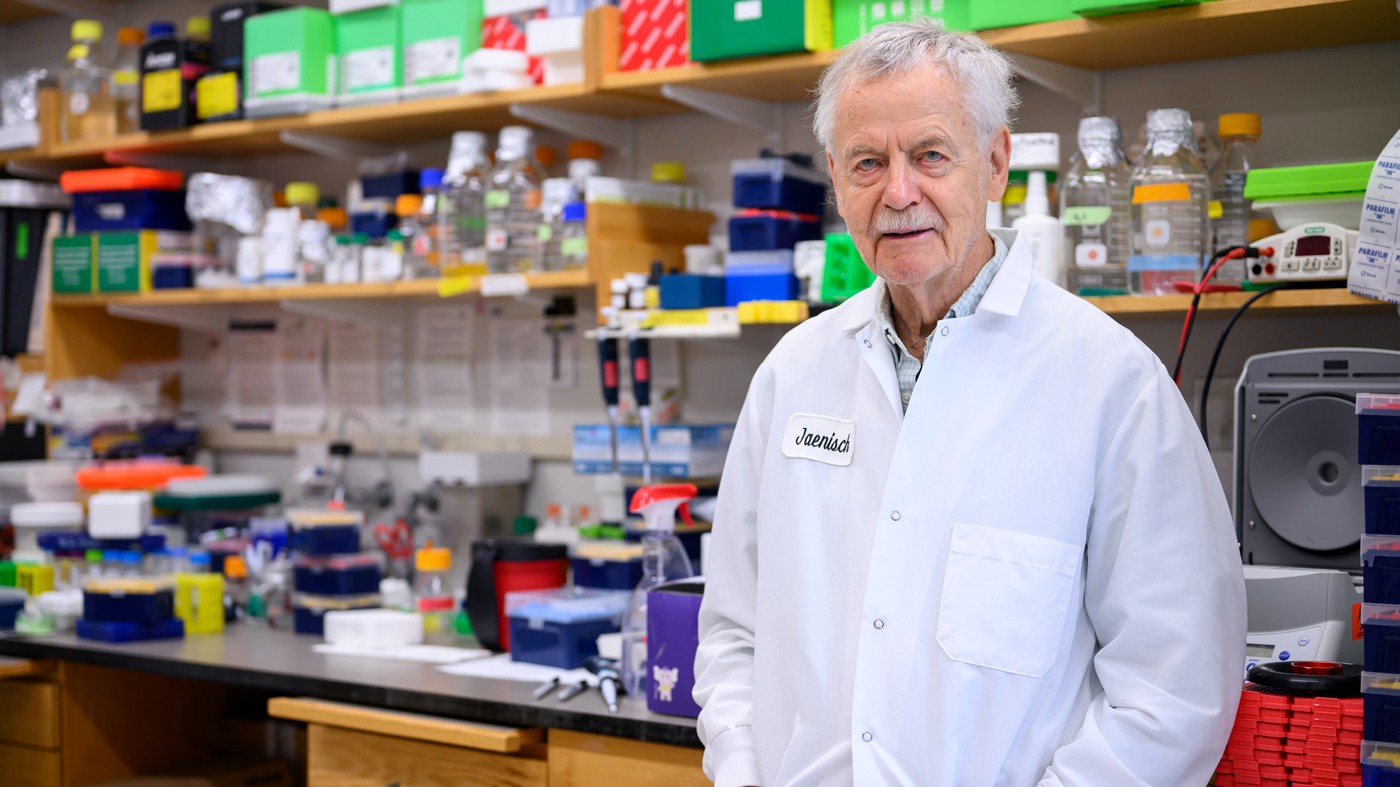
Rudolf Jaenisch awarded Ogawa-Yamanaka Stem Cell Prize

Rudolf Jaenisch is recognized for his trailblazing contributions to epigenetics and stem cell biology, which have shaped modern regenerative medicine.

Sarah Stanley | Gladstone Institutes
August 28, 2025

Rudolf Jaenisch, MD, was announced today as the recipient of the 2025 Ogawa-Yamanaka Stem Cell Prize by Gladstone Institutes. He was selected for his trailblazing contributions to epigenetics and stem cell biology. His pivotal discoveries have profoundly advanced our understanding of gene regulation, cellular reprogramming, and the potential of regenerative medicine.

A founding member of the Whitehead Institute for Biomedical Research in Cambridge, Massachusetts, Jaenisch is also a professor of biology at the Massachusetts Institute of Technology. He is widely recognized for his role in establishing the use in science of induced pluripotent stem (iPS) cells—adult cells that have been reprogrammed into an embryonic stem cell–like state with the potential to become any cell type in the body.

Among his many achievements, Jaenisch was the first to show the potential therapeutic applications of iPS cells after they were discovered by Gladstone Senior Investigator Shinya Yamanaka, MD, PhD. In fact, Jaenisch effectively cured mice of sickle cell anemia by using iPS cells that had been derived from the animals’ own skin cells and in which the disease-causing genetic defect had been corrected.

“Until then, iPS cells were just an exciting lab tool—but Dr. Jaenisch provided the first real proof that they could be used to treat human disease,” says Deepak Srivastava, MD, chair of the selection committee, president of Gladstone Institutes, and director of the Rodenberry Stem Cell Center at Gladstone. “We’re very happy to recognize his outstanding career with this year’s award. His many contributions to stem cell research and disease modeling have helped shape modern regenerative medicine as we know it.”

Jaenisch has been at the forefront of exploring, expanding, and refining the processes by which iPS cells are created and applied in labs around the world. His work has opened the door to the development of therapies for a wide range of genetic and degenerative diseases.

Since its establishment in 2015, the Ogawa-Yamanaka Stem Cell Prize has honored scientists and doctors leading groundbreaking work in translational regenerative medicine using reprogrammed cells. Each year, it is made possible by a generous gift from the Hiro and Betty Ogawa family.

The prize, supported by Gladstone and Cell Press, also pays tribute to Yamanaka, whose discovery of iPS cells earned him a Nobel Prize in 2012 and is tightly intertwined with Jaenisch’s work.

“Shinya’s discovery completely transformed the world of stem cell science and opened up so many promising new paths for understanding and addressing disease,” Jaenisch says. “What an honor it is to be recognized for my contributions in this field.”

One of Jaenisch’s earliest marks on science came in 1974, when he co-created the first transgenic animal—an organism whose genetic material has been intentionally altered by adding foreign genes—with pioneering embryologist Beatrice Mintz, PhD. This work became the foundation for genetically engineered animal models, which are used in nearly every area of biomedical research today.

“This single study was a major leap in molecular biology,” says Srivastava. “It gave birth to the very concept of modeling human diseases in animals, allowing scientists to deliberately change an animal’s genetic code in order to study the mechanisms of disease and test therapies.”

In his more than 40 years at the Whitehead Institute, Jaenisch has led research exploring how stem cells and reprogramming technologies could be harnessed to better understand and treat disease. In the process, he has continued to develop innovative tools, including adapting CRISPR technology for gene editing and epigenome editing in stem cell systems.

An independent committee of international stem cell experts selected Jaenisch for the 2025 Ogawa-Yamanaka Stem Cell Prize from a highly competitive pool of nominees. As this year’s winner, he will receive an unrestricted prize of $150,000. Gladstone will host a ceremony on December 1, 2025, in San Francisco, California, where Jaenisch will deliver a scientific lecture and be presented with the award.

About Gladstone Institutes

Gladstone Institutes is an independent, nonprofit life science research organization that uses visionary science and technology to overcome disease. Established in 1979, it is located in the epicenter of biomedical and technological innovation, in the Mission Bay neighborhood of San Francisco. Gladstone has created a research model that disrupts how science is done, funds big ideas, and attracts the brightest minds.

About Rudolf Jaenisch

Rudolf Jaenisch, MD, is a founding member of the Whitehead Institute for Biomedical Research and a professor of biology at the Massachusetts Institute of Technology. He is a pioneer of transgenic science, in which an animal’s genetic makeup is altered.

Jaenisch received his MD from the University of Munich in 1967 and carried out postdoctoral research at Princeton University, Fox Chase Institute for Cancer Research, and the Salk Institute. Before joining Whitehead in 1982, he was head of the Department of Tumor Virology at the Heinrich Pette Institute at the University of Hamburg.

His current research focuses on the epigenetic regulation of gene expression, which has led to major advances in creating embryonic stem cells and iPS cells, as well as their therapeutic applications. His lab also focuses on the epigenetic mechanisms involved in cancer and brain development, as well as coronavirus biology.

Jaenisch has co-authored more than 500 research papers and received various awards during his career, including the Max Delbrück Medal, the Vilcek Prize, the National Medal of Science, the Wolf Prize in Medicine, and the Otto Warburg Medal. He is a fellow of the American Academy of Arts and Sciences and an elected member of the U.S. National Academy of Sciences. He also was president of the International Society for Stem Cell Research in 2014–15.

About the Ogawa-Yamanaka Stem Cell Prize

The Ogawa-Yamanaka Stem Cell Prize recognizes individuals whose original translational research has advanced cellular reprogramming technology for regenerative medicine. Supported by Gladstone Institutes, in partnership with Cell Press, the prize was established in 2015 through a generous gift from Betty and Hiro Ogawa. It has been maintained through their sons, Andrew and Marcus Ogawa, to honor the Ogawas’ memory by continuing the philanthropic legacy they shared during their 46-year marriage. It also recognizes the importance of induced pluripotent stem cells (iPS cells), discovered by Gladstone Senior Investigator and Nobel laureate Shinya Yamanaka, MD, PhD.

Past recipients include Masayo Takahashi, MD, PhD, in 2015; Douglas Melton, PhD, in 2016; Lorenz Studer, MD, in 2017; Marius Wernig, MD, PhD, in 2018; Gordon Keller, PhD, in 2019; Juan Carlos Izpisua Belmonte, PhD, in 2022; Magdalena Zernicka-Goetz, PhD, in 2023; and Rusty Gage, PhD, in 2025.

The 2025 selection committee was composed of George Daley, MD, PhD, dean of Harvard Medical School; Hideyuki Okano, MD, PhD, dean of the School of Medicine at Keio University; Deepak Srivastava, MD, president of Gladstone Institutes and director of the Roddenberry Stem Cell Center at Gladstone; Lorenz Studer, MD, director of the Center for Stem Cell Biology at Memorial Sloan Kettering Cancer Center; Fiona Watt, FRS, FMedSci, director of the Centre for Stem Cells and Regenerative Medicine at King’s College, London; and Shinya Yamanaka, MD, PhD, senior investigator at Gladstone and director emeritus of the Center for iPS Cell Research and Application at Kyoto University.

2025 Amon Award Winners Announced

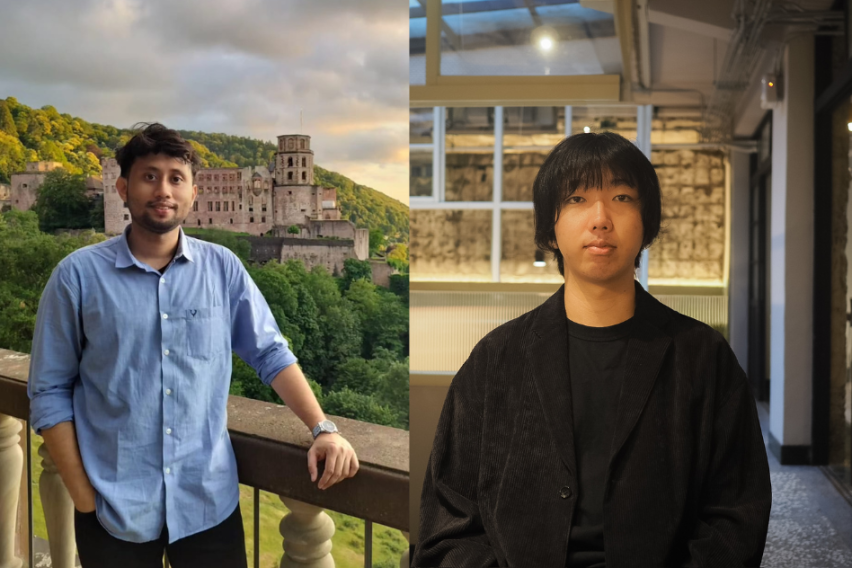
Congratulations to the winners of the 2025 Angelika Amon Young Scientist Award: Sourav Ghosh of the Indian Institute of Technology Bombay, and Kotaro Tomuro of RIKEN and The University of Tokyo.

Koch Institute
August 12, 2025

Established in 2021, the Angelika Amon Young Scientist Award recognizes graduate students in the life sciences or biomedical research from institutions outside the United States who embody Dr. Amon’s infectious enthusiasm for discovery science.

Sourav Ghosh, a PhD student in Biotechnology at the Indian Institute of Technology Bombay under the supervision of Anirban Banerjee, investigates cell-autonomous immunity—the ability of host cells to defend themselves against intracellular pathogens. His work uncovered a unique bacteriolytic role for VCP/p97, a host AAA-ATPase or enzyme that uses mechanical force to extract ubiquitinated proteins from bacterial surfaces, rupturing the pathogens and releasing their contents. This process protects the host from lethal sepsis and reveals VCP/p97 as a broad-spectrum defense effector. Ghosh’s findings, published in Nature Microbiology, open new avenues for therapeutic interventions against bacterial infections.

Kotaro Tomuro, a PhD candidate at the RIKEN Pioneering Research Institute and the Graduate School of Frontier Sciences at The University of Tokyo, works under the supervision of Shintaro Iwasaki. Tomuro develops cutting-edge ribosome profiling methods to investigate the spatial and temporal regulation of translation—the process by which genetic information is converted into proteins. His innovations include “Ribo-Calibration,” an approach that enables absolute quantification of translation rates, and “APEX-Ribo-Seq,” which profiles protein synthesis within specific cellular compartments. Together, these tools have generated a detailed atlas of where and when proteins are made in the cell, revealing new principles of gene expression with potential applications in neurobiology, cancer research, and RNA-based therapeutics.

Ghosh and Tomuro will present their research at the Amon Award ceremony on Thursday, November 6, at 10 a.m. in the Luria Auditorium, followed by an 11:30 a.m. reception in the Koch Institute Public Galleries.

The MIT community and Amon Lab alumni are invited to attend.

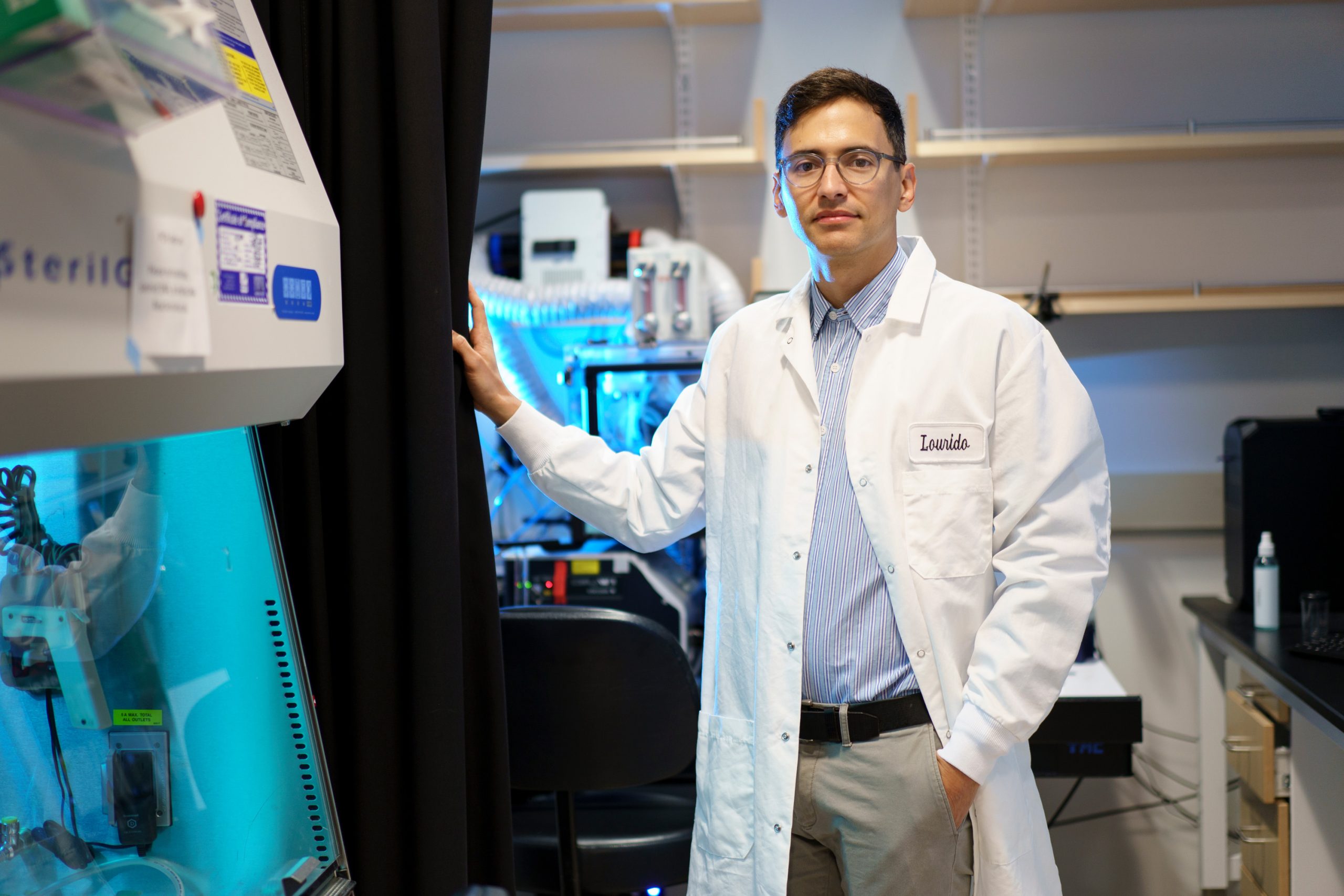
Sebastian Lourido awarded highest alumni honor from alma mater

Whitehead Institute Member Sebastian Lourido receives the Tulane 2025 Science and Engineering Outstanding Alumni Award for Professional Excellence

Whitehead Institute
April 11, 2025

The Lourido laboratory at Whitehead Institute studies the developmental transitions and molecular pathways that the single cell parasite Toxoplasma gondii (T. gondii ), uses to infect its host, causing toxoplasmosis.They combine several approaches that span phospho-proteomics, chemical-genetics, and genome editing to investigate the unique biology of these organisms and identify specific features that can be targeted to treat infections of T. gondii and related parasites.

Lourido, who is also an associate professor of biology at Massachusetts Institute of Technology, originally joined Whitehead Institute as a Whitehead Fellow in 2012, a program that allows promising MD or PhD graduates to initiate their own research program in lieu of a traditional postdoctoral fellowship. “Sebastian’s demonstrated excellence as a young investigator underscores the importance of investing in the next generation of scientists and scientific leaders,” says Ruth Lehmann, Whitehead Institute’s President and Director.

After receiving both a BS in Cell and Molecular Biology and a BFA in Studio Art, Lourido went on to pursue graduate work at Washington University in St. Louis. In addition to this honor, Lourido has also been the recipient of other awards including the NIH Director’s Early Independence Award and the 2024 William Trager Award from the American Society of Tropical Medicine and Hygiene and was recognized as one of the Burroughs Wellcome Fund’s Investigators in the Pathogenesis of Infectious Disease.