Two MIT faculty members named 2026 Pew Biomedical Scholars

Cell biologist Whitney Henry and immunologist Harikesh Wong will receive four years of flexible funding to advance early-career research on ferroptosis and immune decision-making.

Nina Tamburello | Nikolay Kolev | Koch Institute | Ragon Institute
June 29, 2026

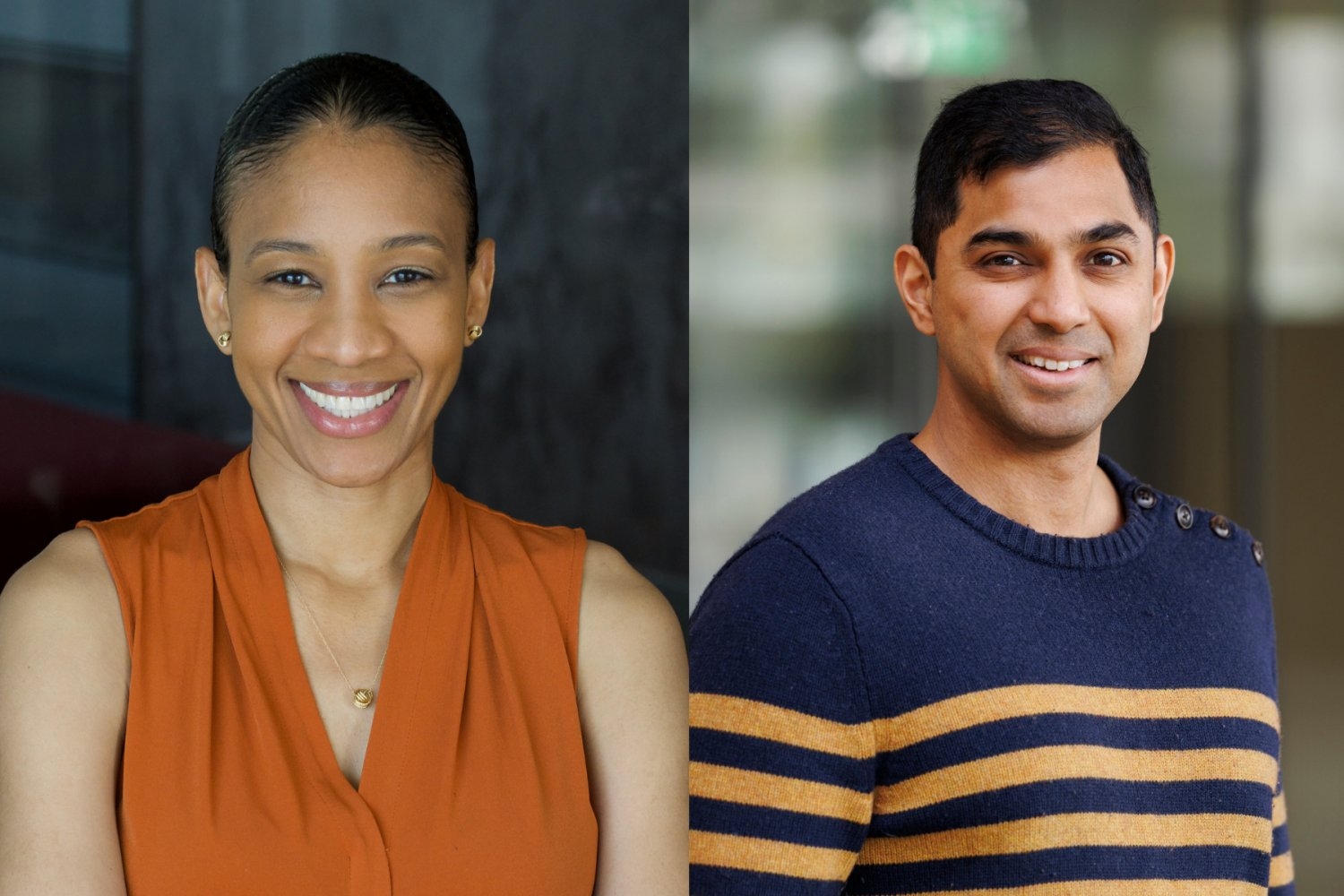
Whitney Henry and Harikesh Wong have been named 2026 Pew Scholars in the Biomedical Sciences. The Pew Charitable Trusts announced the 21-member class of early-career researchers, which includes the two MIT scientists as well as two alumni, on June 16. Each scholar will receive four years of funding to pursue cutting-edge research into human health and disease. Xin Gu PhD ’22 of Dana-Farber Cancer Institute and Christina Tringides ’15 of Rice University were also selected as scholars.

Henry, the Robert A. Swanson (1969) Career Development Professor of Life Sciences and a faculty member at the Koch Institute for Integrative Cancer Research, will use the Pew scholarship to examine how a stress-induced cell death program called ferroptosis contributes to injury and regeneration in the liver. Wong, assistant professor of biology at MIT and core member at the Ragon Institute of Mass General Brigham, MIT, and Harvard, will use his award to investigate how groups of immune cells reach a “communal decision” about whether to tolerate or attack a particular target.

Whitney Henry

Henry’s research centers on ferroptosis — an iron-dependent form of regulated cell death — and its role in shaping cell fate and tissue remodeling. Her lab investigates why some cells can withstand stress while others cross the threshold for ferroptosis, focusing on the molecular, metabolic, and tissue-level cues that shape ferroptosis vulnerability. The work draws on chemical biology, metabolomics, functional genomics, and in vivo models. By defining the mechanisms that govern ferroptosis susceptibility, Henry’s group aims not only to identify novel therapies that target the most dangerous subpopulations of cancer cells, those that are highly metastatic and resistant to conventional treatment, but also to advance understanding of diseases in which ferroptosis drives tissue injury, fibrosis, or impaired repair.

Harikesh Wong

Wong investigates how groups of cells organize into networks that collectively process information and control immune responses within tissues. These networks must continually balance the body’s need to protect itself against pathogens and tumors with the need to preserve healthy tissue function. Combining the tools of immunology with high-resolution fluorescence microscopy, computational modeling, and gene manipulation, his lab seeks to map, model, and manipulate the cell-cell interactions that govern these decisions within intact tissues, revealing how subtle changes in multicellular organization and communication can shift immune responses toward pathogen clearance and tolerance, or toward autoimmunity, chronic inflammation, and cancer.

Pew scholars are chosen from applicants nominated by leading academic institutions across the United States. This year’s class of 21 was selected from 211 nominees. The incoming scholars join a legacy of more than 1,000 scientists supported by the program since 1985. During their time as scholars, they will meet annually with fellow Pew-funded scientists to build connections across a wide variety of disciplines.

“Scientific discovery is moving at a rapid pace, and now more than ever we need curious and creative researchers leading the charge,” says Lee Niswander, a 1995 Pew scholar and chair of the program’s national advisory committee. “These new biomedical scholars are prepared to meet that challenge, and I look forward to watching their research unfold.”
Facundo Batista among MIT affiliates elected to National Academy of Medicine for 2025

Professors Facundo Batista and Dina Katabi, along with three additional MIT alumni, are honored for their outstanding professional achievement and commitment to service.

Lillian Eden | Jane Halpern | Department of Biology | Department of Electrical Engineering and Computer Science
October 22, 2025

On Oct. 20 during its annual meeting, the National Academy of Medicine announced the election of 100 new members, including MIT faculty members Dina Katabi and Facundo Batista, along with three additional MIT alumni.

Election to the National Academy of Medicine (NAM) is considered one of the highest honors in the fields of health and medicine, recognizing individuals who have demonstrated outstanding professional achievement and commitment to service.

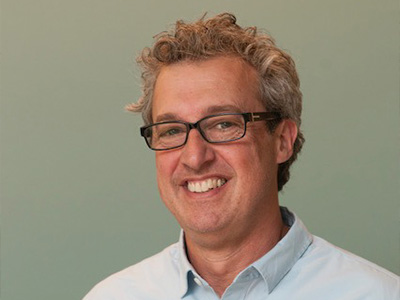
Facundo Batista is the associate director and scientific director of the Ragon Institute of MGH, MIT and Harvard, as well as the first Phillip T. and Susan M. Ragon Professor in the MIT Department of Biology. The National Academy of Medicine recognized Batista for “his work unraveling the biology of antibody-producing B cells to better understand how our body’s immune systems responds to infectious disease.” More recently, Facundo’s research has advanced preclinical vaccine and therapeutic development for globally important diseases including HIV, malaria, and influenza.

Batista earned a PhD from the International School of Advanced Studies and established his lab in 2002 as a member of the Francis Crick Institute (formerly the London Research Institute), simultaneously holding a professorship at Imperial College London. In 2016, he joined the Ragon Institute to pursue a new research program applying his expertise in B cells and antibody responses to vaccine development, and preclinical vaccinology for diseases including SARS-CoV-2 and HIV. Batista is an elected fellow or member of the U.K. Academy of Medical Sciences, the American Academy of Microbiology, the Academia de Ciencias de América Latina, and the European Molecular Biology Organization, and he is chief editor of The EMBO Journal.

Dina Katabi SM ’99, PhD ’03 is the Thuan (1990) and Nicole Pham Professor in the Department of Electrical Engineering and Computer Science at MIT. Her research spans digital health, wireless sensing, mobile computing, machine learning, and computer vision. Katabi’s contributions include efficient communication protocols for the internet, advanced contactless biosensors, and novel AI models that interpret physiological signals. The NAM recognized Katabi for “pioneering digital health technology that enables non-invasive, off-body remote health monitoring via AI and wireless signals, and for developing digital biomarkers for Parkinson’s progression and detection. She has translated this technology to advance objective, sensitive measures of disease trajectory and treatment response in clinical trials.”

Katabi is director of the MIT Center for Wireless Networks and Mobile Computing. She is also a member of the Computer Science and Artificial Intelligence Laboratory (CSAIL), where she leads the Networks at MIT Research Group. Katabi received a bachelor’s degree from the University of Damascus and MS and PhD degrees in computer science from MIT. She is a MacArthur Fellow; a member of the American Academy of Arts and Sciences, National Academy of Sciences, and National Academy of Engineering; and a recipient of the ACM Computing Prize.

Additional MIT alumni who were elected to the NAM for 2025 are:

  • Christopher S. Chen SM ’93, PhD ’97, an alumnus of the Department of Mechanical Engineering and the Harvard-MIT Program in Health Sciences and Technology;
  • Michael E. Matheny SM ’06, an alumnus of the Harvard-MIT Program in Health Sciences and Technology; and
  • Rebecca R. Richards-Kortum SM ’87, PhD ’90, and alumna of the Department of Physics and the Harvard-MIT Program in Health Sciences and Technology.

Established originally as the Institute of Medicine in 1970 by the National Academy of Sciences, the National Academy of Medicine addresses critical issues in health, science, medicine, and related policy, and inspires positive actions across sectors.

“I am deeply honored to welcome these extraordinary health and medicine leaders and researchers into the National Academy of Medicine,” says NAM President Victor J. Dzau. “Their demonstrated excellence in tackling public health challenges, leading major discoveries, improving health care, advancing health policy, and addressing health equity will critically strengthen our collective ability to tackle the most pressing health challenges of our time.”

W.M. Keck Foundation to support research on healthy aging at MIT

Assistant Professor of Biology Alison Ringel will investigate the intersection of immunology and aging biology, aiming to define the mechanisms that underlie aging-related decline, thanks to grant from prestigious foundation.

Lillian Eden | Department of Biology
October 9, 2025

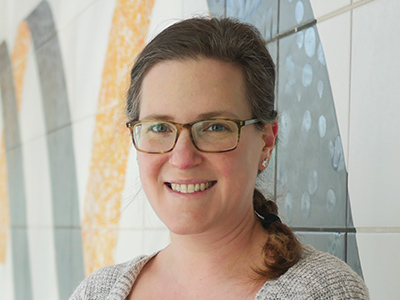
A prestigious grant from the W.M. Keck Foundation to Assistant Professor of Biology Alison Ringel will support groundbreaking healthy aging research at MIT.

Ringel, also a Core Member of the Ragon Institute, will draw on her background in cancer immunology to create a more comprehensive biomedical understanding of the cause and possible treatments for aging-related decline.

“It is such an honor to receive this grant,” Ringel says. “This support will enable us to draw new connections between immunology and aging biology. As the U.S. population grows older, advancing this research is increasingly important, and this line of inquiry is only possible because of the W.M. Keck Foundation.”

Understanding how to extend healthy years of life is a fundamental question of biomedical research with wide-ranging societal implications. Although modern science and medicine have greatly expanded global life expectancy, it remains unclear why everyone ages differently; some maintain physical and cognitive fitness well into old age, while others become debilitatingly frail later in life.

Our immune systems are adaptable, but they do naturally decline as we get older. One critical component of our immune system is CD8+ T cells, which are known to target and destroy cancerous or damaged cells. As we age, our tissues accumulate cells that can no longer divide. These senescent cells are present throughout our lives, but reach seemingly harmful levels as a normal part of aging, causing tissue damage and diminished resilience under stress.

There is now compelling evidence that the immune system plays a more active role in aging than previously thought.

“Decades of research have revealed that T cells can eliminate cancer cells, and studies of how they do so have led directly to the development of cancer immunotherapy,” Ringel says. “Building on these discoveries, we can now ask what roles T cells play in normal aging, where the accumulation of senescent cells, which are remarkably similar to cancer cells in some respects, may cause health problems later in life.”

In animal models, reconstituting elements of a young immune system has been shown to improve age-related decline, potentially due to CD8+ T cells selectively eliminating senescent cells. CD8+ T cells progressively losing the ability to cull senescent cells could explain some age-related pathology.

Ringel aims to build models for the express purpose of tracking and manipulating T cells in the context of aging and to evaluate how T cell behavior changes over a lifespan.

“By defining the protective processes that slow aging when we are young and healthy, and defining how these go awry in older adults, our goal is to generate knowledge that can be applied to extend healthy years of life,” Ringel says. “I’m really excited about where this research can take us.”

The W. M. Keck Foundation was established in 1954 in Los Angeles by William Myron Keck, founder of The Superior Oil Company. One of the nation’s largest philanthropic organizations, the W. M. Keck Foundation supports outstanding science, engineering and medical research. The Foundation also supports undergraduate education and maintains a program within Southern California to support arts and culture, education, health and community service projects.

Ragon faculty finds intricate functions of Resident Tissue Macrophages (RTM’s) extend beyond immune defense

The lab of Ragon Institute faculty @hernandezmsilva published a review in Science Immunology regarding resident tissue macrophages (RTMs), shedding light on these cells’ multifaceted roles.

April 15, 2024