3 Questions with new faculty member Matthew G. Jones: Building predictive models to characterize tumor progression

The assistant professor hopes to decode molecular processes on the genetic, epigenetic, and microenvironment levels to anticipate how and when tumors evolve to resist treatment.

Lillian Eden | Department of Biology
February 20, 2026

Just as Darwin’s finches evolved in response to natural selection in order to endure, the cells that make up a cancerous tumor similarly counter selective pressures in order to survive, evolve, and spread. Tumors are, in fact, complex sets of cells with their own unique structure and ability to change. 

Today, artificial Intelligence and machine learning tools offer an unparalleled opportunity to illuminate the generalizable rules governing tumor progression on the genetic, epigenetic, metabolic, and microenvironmental levels. 

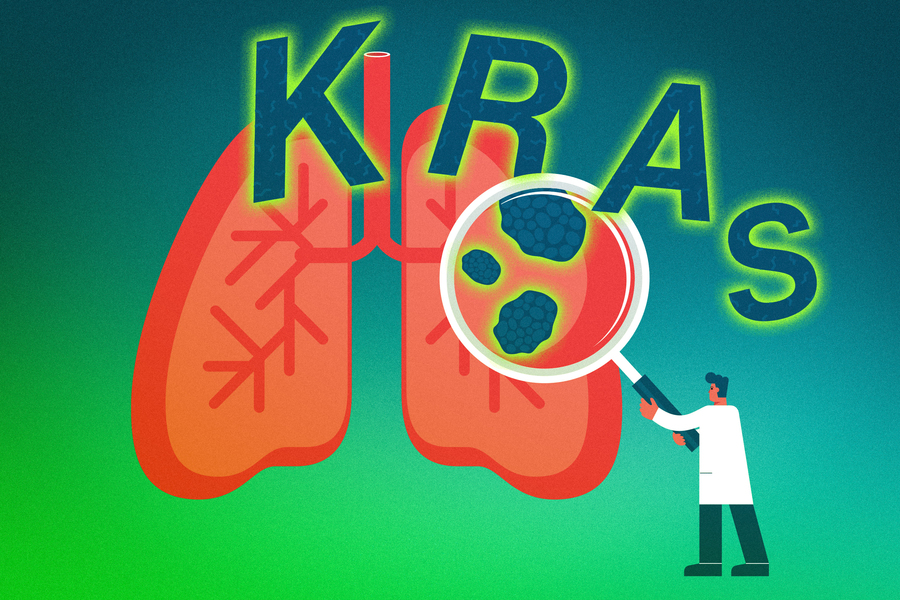
Matthew G. Jones, an Assistant Professor in the Department of Biology at MIT, the Koch Institute for Integrative Cancer Research, and the Institute for Medical Engineering and Science, hopes to use computational approaches to build predictive models — to play a game of chess with cancer, making sense of a tumor’s ability to evolve and resist treatment with the ultimate goal of improving patient outcomes. 

Q: What aspect of tumor progression are you hoping to explore and characterize? 

A: A very common story with cancer is that patients will respond to a therapy at first, and then eventually that treatment will stop working. The reason this largely happens is that tumors have an incredible, and very challenging, ability to evolve: the ability to change their genetic makeup, protein signaling composition, and cellular dynamics. The tumor as a system also evolves at a structural level. Oftentimes, the reason why a patient succumbs to a tumor is because either the tumor has evolved to a state we can no longer control, or it evolves in an unpredictable manner. 

In many ways, cancers can be thought of as, on the one hand, incredibly dysregulated and disorganized, and on the other hand, as having their own internal logic, which is constantly changing. The central thesis of my lab is that tumors follow stereotypical patterns in space and time, and we’re hoping to use computation and experimental technology to decode the molecular processes underlying these transformations.  

We’re focused on one specific way tumors are evolving through a form of DNA amplification called extrachromosomal DNA. Excised from the chromosome, these ecDNAs are circularized and exist as their own separate pool of DNA particles in the nucleus. 

Initially discovered in the 1960s, ecDNA were thought to be a rare event in cancer. However, as researchers began applying next-generation sequencing to large patient cohorts in the 2010s, it seemed like not only were these ecDNA amplifications conferring the ability of tumors to adapt to stresses, and therapies, faster, but that they were far more prevalent than initially thought.

We now know these ecDNA amplifications are apparent in about 25% of cancers, in the most aggressive cancers: brain, lung, and ovarian cancers. We have found that, for a variety of reasons, ecDNA amplifications are able to change the rule book by which tumors evolve in ways that allow them to accelerate to a more aggressive disease in very surprising ways. 

Q: How are you planning to use machine learning and artificial intelligence to study ecDNA amplifications and tumor evolution? 

A: There’s a mandate to translate what I’m doing in the lab to improve patients’ lives. I want to start with patient data to discover how various evolutionary pressures are driving disease and the mutations we observe. 

One of the tools we use to study tumor evolution is single-cell lineage tracing technologies. Broadly, they allow us to study the lineages of individual cells. When we sample a particular cell, not only do we know what that cell looks like, but we can, ideally, pinpoint exactly when aggressive mutations appeared in the tumor’s history. That evolutionary history gives us a way of studying these dynamic processes that we otherwise wouldn’t be able to observe in real time and helps us make sense of how we might be able to intercept that evolution. 

I hope we’re going to get better at stratifying patients who will respond to certain drugs, to anticipate and overcome drug resistance, and to identify new therapeutic targets.

Q: What excites you about joining this community, and what sorts of trainees are you hoping to recruit to your lab? 

A: One of the things that I was really attracted to was the integration of excellence in both engineering and biological sciences. At the Koch Institute, every floor is structured to promote this interface between engineers and basic scientists, and beyond campus, we can connect with all the biomedical research enterprises in the Greater Boston Area. 

Another thing that drew me to MIT was the fact that it places such a strong emphasis on education, training, and investing in student success. I’m a personal believer that what distinguishes academic research from industry research is that academic research is fundamentally a service job, in that we are training the next generation of scientists. 

It was always a mission of mine to bring excellence to both computational and experimental technology disciplines. The types of trainees I’m hoping to recruit are those who are eager to collaborate and solve big problems that require both disciplines. The KI is uniquely set up for this type of hybrid lab: my dry lab is right next to my wet lab, and it’s a source of collaboration and connection, and that reflects the KI’s general vision. 

New chemical method makes it easier to select desirable traits in crops

Whitehead Institute Member Mary Gehring and colleagues offer a new method for generating large-scale genetic changes without irradiation.

Mackenzie White | Whitehead Institute
January 8, 2026

Crops increasingly need to thrive in a broader range of conditions, including drought, salinity, and heat. Traditional plant breeding can select for desirable traits, but is limited by the genetic variation that already exists in plants. In many crops, domestication and long-term selection have narrowed genetic diversity, constraining efforts to develop new varieties.

To work around these limits, researchers have developed ways to introduce helpful traits, such as drought or salt tolerance, into plants through mutation breeding. This deliberately introduces random genetic changes into plants. Then researchers screen the genetically altered plants to see which have acquired useful traits. One widely used approach relies on radiation to generate structural variants—large-scale DNA changes that can affect multiple genes at once. However, irradiation introduces logistical and regulatory hurdles that restrict who can use it and which crops can be studied.

In a paper published in PLOS Genetics on December 18, Whitehead Institute Member Mary Gehring and colleagues offer a new method for generating large-scale genetic changes without irradiation.

Lead author Lindsey Bechen, the Gehring lab manager; Gehring; former postdoc P.R.V. Satyaki (now a faculty member at the University of Toronto); and their colleagues developed the approach by exposing germinating seeds to etoposide, a chemotherapy drug, during early growth.

The drug interferes with an enzyme that helps manage DNA structure during cell division. When cells attempt to repair the resulting breaks in their DNA, errors in the repair process can produce large-scale rearrangements in the genome. Seeds collected from treated plants carry these changes in a heritable form.

The process relies on standard laboratory tools: seeds are germinated on growth medium containing the drug, then transferred to soil to complete their life cycle.

“I was surprised at how efficient it was,” says Gehring, who is also a professor of biology at MIT and an HHMI Investigator. “The diversity of new traits that you could see just by looking at the plants in the first generation was extensive.”

The researchers demonstrated the method in Arabidopsis thaliana, a model plant widely used in genetic studies. Roughly two-thirds of treated plant lines showed visible differences, including changes in leaf shape, plant size, pigmentation, and fertility. Genetic analyses linked these traits to deletions, duplications, and rearrangements of DNA segments.

In several cases, the team linked specific plant traits to individual genetic changes. A dwarf plant with thick stems and unusual leaves carried a large change that disrupted a gene involved in leaf development. Another plant, marked by green-and-white mottled leaves, carried a deletion in the gene IMMUTANS—the same gene identified in radiation-induced mutants described more than 60 years ago.

Beyond Arabidopsis, Gehring’s lab is applying the technique to pigeon pea, a drought-tolerant legume and an important source of dietary protein in parts of Asia and Africa. Pigeon pea is an underutilized crop with the potential to become a staple crop—if its lack of genetic diversity, caused by a historical cultivation bottleneck, can be overcome. Often referred to as orphan crops, species like pigeon pea receive limited research attention and often lack the genetic variation needed for breeding improved varieties.

“All of the traits that we might want to see in pigeon pea are not present in the existing population,” says Gehring. “The idea is to do a large-scale mutation experiment to increase genetic diversity.”

The team, which includes Gehring lab postdoc Sonia Boor, is now screening treated pigeon pea lines for salt tolerance, a trait that shapes where crops can be grown and how they perform in saline soils. Although pigeon pea takes longer to grow than Arabidopsis, the researchers have reached the second generation and identified several lines that show promising responses under saline conditions.

The researchers’ chemical approach may also be beneficial for crops that are difficult to modify using gene-editing tools such as CRISPR. Although CRISPR enables precise genetic changes, it often relies on genetic transformation, a technically challenging step for many plant species.

“A lot of species that one works with, either in agriculture or horticulture, are not amenable to genetic transformation,” says Gehring.

The new method complements existing genetic tools rather than replacing them. By providing a more accessible alternative to irradiation, chemical mutation could expand the availability of large-scale genetic changes and novel plant varieties.

Looking ahead, Gehring’s lab plans to develop comprehensive collections of Arabidopsis mutants carrying well-characterized structural variants. Such resources could help researchers better understand how large-scale changes in genome structure influence plant development and performance, informing future efforts to study and enhance crops.

Bechen, L. L., Ahsan, N., Bahrainwala, A., Gehring, M., & Satyaki, P. R. (2025). A simple method to efficiently generate structural variation in plants. PLOS Genetics21(12). https://doi.org/10.1371/journal.pgen.1011977
Celebrating worm science

Time and again, an unassuming roundworm has illuminated aspects of biology with major consequences for human health.

Jennifer Michalowski | McGovern Institute
December 12, 2025

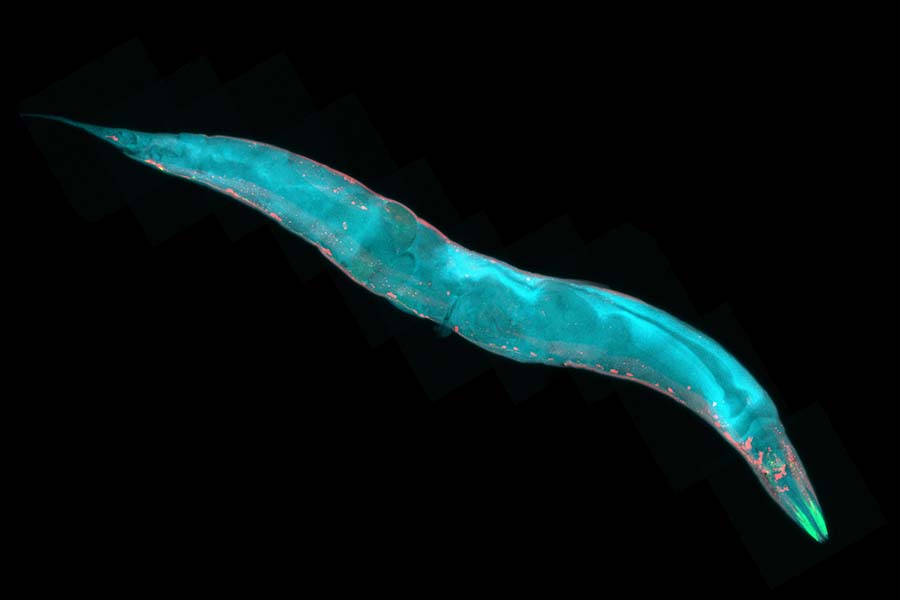
For decades, scientists with big questions about biology have found answers in a tiny worm. That worm–a millimeter-long creature called Caenorhabditis elegans–has helped researchers uncover fundamental features of how cells and organisms work. The impact of that work is enormous: Discoveries made using C. elegans have been recognized with four Nobel prizes and have led to the development of new treatments for human disease.

In a perspective piece published in the November 2025 issue of the journal PNAS, eleven biologists including Robert Horvitz, the David H. Koch (1962) Professor of Biology at MIT, celebrate Nobel Prize-winning advances made through research in C. elegans. The authors discuss how that work has led to advances for human health and highlight how a uniquely collaborative community among worm researchers has fueled the field.

MIT scientists are well represented in that community: The prominent worm biologists who coauthored the PNAS paper include former MIT graduate students Andy Fire and Paul Sternberg, now at Stanford University and the California Institute of Technology, and two past postdoctoral researchers in Horvitz’s lab, University of Massachusetts Medical School professor Victor Ambros and Massachusetts General Hospital investigator Gary Ruvkun. Ann Rougvie at the University of Minnesota is the paper’s corresponding author.

Early worm discoveries

“This tiny worm is beautiful—elegant both in its appearance and in its many contributions to our understanding of the biological universe in which we live,” says Horvitz, who in 2002 was awarded the Nobel Prize in Medicine along with colleagues Sydney Brenner and John Sulston for discoveries that helped explain how genes regulate programmed cell death and organ development. Horvitz is also a member of MIT’s McGovern Institute for Brain Research and Koch Institute for Integrative Cancer Research as well as an investigator at the Howard Hughes Medical Institute.

Those discoveries were among the early successes in C. elegans research, made by pioneering scientists who recognized the power of the microscopic roundworm. C. elegans offers many advantages for researchers: The worms are easy to grow and maintain in labs; their transparent bodies make cells and internal processes readily visible under a microscope; they are cellularly very simple (e.g., they have only 302 nerve cells, compared with about 100 billion in a human) and their genomes can be readily manipulated to study gene function.

Most importantly, many of the molecules and processes that operate in C. elegans have been retained throughout evolution, meaning discoveries made using the worm can have direct relevance to other organisms, including humans. “Many aspects of biology are ancient and evolutionarily conserved,” Horvitz explains. “Such shared mechanisms can be most readily revealed by analyzing organisms that are highly tractable in the laboratory.”

In the 1960s, Brenner, a molecular biologist who was curious about how animals’ nervous systems develop and function, recognized that C. elegans offered unique opportunities to study these processes. Once he began developing the worm into a model for laboratory studies, it did not take long for other biologists to join him to take advantage of the new system.

In the 1970s, the unique features of the worm allowed Sulston to track the transformation of a fertilized egg into an adult animal, tracing the origins of each of the adult worm’s 959 cells. His studies revealed that in every developing worm, cells divide and mature in predictable ways. He also learned that some of the cells created during development do not survive into adulthood and are instead eliminated by a process termed programmed cell death.

By seeking mutations that perturbed the process of programmed cell death, Horvitz and his colleagues identified key regulators of that process, which is sometimes referred to as apoptosis. These regulators, which both promote and oppose apoptosis, turned out to be vital for programmed cell death across the animal kingdom.

In humans, apoptosis shapes developing organs, refines brain circuits, and optimizes other tissue structures. It also modulates our immune systems and eliminates cells that are in danger of becoming cancerous. The human version of CED-9, the anti-apoptotic regulator that Horvitz’s team discovered in worms, is BCL-2. Researchers have shown that activating apoptotic cell death by blocking BCL-2 is an effective treatment for certain blood cancers. Today, researchers are also exploring new ways of treating immune disorders and neurodegenerative disease by manipulating apoptosis pathways.

Collaborative worm community

Horvitz and his colleagues’ discoveries about apoptosis helped demonstrate that understanding C. elegans biology has direct relevance to human biology and disease. Since then, a vibrant and closely connected community of worm biologists—including many who trained in Horvitz’s lab—has continued to carry out impactful work. In their PNAS article, Horvitz and his coauthors highlight that early work, as well as the Nobel Prize-winning work of:

  • Andrew Fire and Craig Mello, whose discovery of an RNA-based system of gene silencing led to powerful new tools to manipulate gene activity. The innate process they discovered in worms, known as RNA interference, is now used as the basis of six FDA-approved therapeutics for genetic disorders, silencing faulty genes to stop their harmful effects.
  • Martin Chalfie, who used a fluorescent protein made by jellyfish to visualize and track specific cells in C. elegans, helping launch the development of a set of tools that transformed biologists’ ability to observe molecules and processes that are important for both health and disease.
  • Victor Ambros and Gary Ruvkun, who discovered a class of molecules called microRNAs that regulate gene activity not just in worms, but in all multicellular organisms. This prize-winning work was started when Ambros and Ruvkun were postdoctoral researchers in Horvitz’s lab. Humans rely on more than 1,000 microRNAs to ensure our genes are used at the right times and places. Disruptions to microRNAs have been linked to neurological disorders, cancer, cardiovascular disease, and autoimmune disease, and researchers are now exploring how these small molecules might be used for diagnosis or treatment.

Horvitz and his coauthors stress that while the worm itself made these discoveries possible, so too did a host of resources that facilitate collaboration within the worm community and enable its scientists to build upon the work of others. Scientists who study C. elegans have embraced this open, collaborative spirit since the field’s earliest days, Horvitz says, citing the Worm Breeder’s Gazette, an early newsletter where scientists shared their observations, methods, and ideas.

Today, scientists who study C. elegans—whether the organism is the centerpiece of their lab or they are looking to supplement studies of other systems—contribute to and rely on online resources like WormAtlas and WormBase, as well as the Caenorhabditis Genetics Center, to share data and genetic tools. Horvitz says these resources have been crucial to his own lab’s work; his team uses them every day.

Just as molecules and processes discovered in C. elegans have pointed researchers toward important pathways in human cells, the worm has also been a vital proving ground for developing methods and approaches later deployed to study more complex organisms. For example, C. elegans, with its 302 neurons, was the first animal for which neuroscientists successfully mapped all of the connections of the nervous system. The resulting wiring diagram, or connectome, has guided countless experiments exploring how neurons work together to process information and control behavior. Informed by both the power and limitations of the C. elegans’ connectome, scientists are now mapping more complex circuitry, such as the 139,000-neuron brain of the fruit fly, whose connectome was completed in 2024.

C. elegans remains a mainstay of biological research, including in neuroscience. Scientists worldwide are using the worm to explore new questions about neural circuits, neurodegeneration, development, and disease. Horvitz’s lab continues to turn to C. elegans to investigate the genes that control animal development and behavior. His team is now using the worm to explore how animals develop a sense of time and transmit that information to their offspring.

Also at MIT, Steven Flavell’s team in the Department of Brain and Cognitive Sciences and the Picower Institute for Learning and Memory is using the worm to investigate how neural connectivity, activity, and modulation integrate internal states, such as hunger, with sensory information, such as the smell of food, to produce sometimes long-lasting behaviors. Flavell is Horvitz’s academic grandson, as Flavell trained with one of Horvitz’s postdoctoral trainees. As new technologies accelerate the pace of scientific discovery, Horvitz and his colleagues are confident that the humble worm will bring more unexpected insights.

Paper: “From nematode to Nobel: How community-shared resources fueled the rise of Caenorhabditis elegans as a research organism”

RNA editing study finds many ways for neurons to diversify

When MIT neurobiologists including Troy Littleton tracked how more than 200 motor neurons in fruit flies each edited their RNA, they cataloged hundreds of target sites and widely varying editing rates. Scores of edits altered proteins involved in neural communication and function.

David Orenstein | The Picower Institute for Learning and Memory
November 20, 2025

All starting from the same DNA, neurons ultimately take on individual characteristics in the brain and body. Differences in which genes they transcribe into RNA help determine which type of neuron they become, and from there, a new MIT study shows, individual cells edit a selection of sites in those RNA transcripts, each at their own widely varying rates.

The new study surveyed the whole landscape of RNA editing in more than 200 individual cells commonly used as models of fundamental neural biology: tonic and phasic motor neurons of the fruit fly. One of the main findings is that most sites were edited at rates between the “all or nothing” extremes many scientists have assumed based on more limited studies in mammals, said senior author Troy Littleton, Menicon Professor in the Departments of Biology and Brain and Cognitive Sciences. The resulting dataset and analyses published in eLife set the table for discoveries about how RNA editing affects neural function and what enzymes implement those edits.

“We have this ‘alphabet’ now for RNA editing in these neurons,” Littleton said. “We know which genes are edited in these neurons so we can go in and begin to ask questions as to what is that editing doing to the neuron at the most interesting targets.”

Andres Crane, who earned his PhD in Littleton’s lab based on this work, is the study’s lead author.

From a genome of about 15,000 genes, Littleton and Crane’s team found, the neurons made hundreds of edits in transcripts from hundreds of genes. For example, the team documented “canonical” edits of 316 sites in 210 genes. Canonical means that the edits were made by the well-studied enzyme ADAR, which is also found in mammals including humans. Of the 316 edits, 175 occurred in regions that encode the contents of proteins. Analysis indeed suggested 60 are likely to significantly alter amino acids. But they also found 141 more editing sites in areas that don’t code for proteins but instead affect their production, which means they could affect protein levels, rather than their contents.

The team also found many “non-canonical” edits that ADAR didn’t make. That’s important, Littleton said, because that information could aid in discovering more enzymes involved in RNA editing, potentially across species. That, in turn, could expand the possibilities for future genetic therapies.

“In the future, if we can begin to understand in flies what the enzymes are that make these other non-canonical edits, it would give us broader coverage for thinking about doing things like repairing human genomes where a mutation has broken a protein of interest,” Littleton said.

Moreover, by looking specifically at fly larvae, the team found many edits that were specific to juveniles vs. adults, suggesting potential significance during development. And because they looked at full gene transcripts of individual neurons, the team was also able to find editing targets that had not been cataloged before.

Widely varying rates

Some of the most heavily edited RNAs were from genes that make critical contributions to neural circuit communication such as neurotransmitter release, and the channels that cells form to regulate the flow of chemical ions that vary their electrical properties. The study identified 27 sites in 18 genes that were edited more than 90 percent of the time.

Yet neurons sometimes varied quite widely in whether they would edit a site, which suggests that even neurons of the same type can still take on significant degrees of individuality.

“Some neurons displayed ~100 percent editing at certain sites, while others displayed no editing for the same target,” the team wrote in eLife. “Such dramatic differences in editing rate at specific target sites is likely to contribute to the heterogeneous features observed within the same neuronal population.”

On average, any given site was edited about two-thirds of the time, and most sites were edited within a range well between all or nothing extremes.

“The vast majority of editing events we found were somewhere between 20% and 70%,” Littleton said. “We were seeing mixed ratios of edited and unedited transcripts within a single cell.”

Also, the more a gene was expressed, the less editing it experienced, suggesting that ADAR could only keep up so much with its editing opportunities.

Potential impacts on function

One of the key questions the data enables scientists to ask is what impact RNA edits have on the function of the cells. In a 2023 study, Littleton’s lab began to tackle this question by looking at just two edits they found in the most heavily edited gene: Complexin. Complexin’s protein product restrains release of the neurotransmitter glutamate, making it a key regulator of neural circuit communication. They found that by mixing and matching edits, neurons produced up to eight different versions of the protein with significant effects on their glutamate release and synaptic electrical current. But in the new study, the team reports 13 more edits in Complexin that are yet to be studied.

Littleton said he’s intrigued by another key protein, called Arc1, that the study shows experienced a non-canonical edit. Arc is a vitally important gene in “synaptic plasticity,” which is the property neurons have of adjusting the strength or presence of their “synapse” circuit connections in response to nervous system activity. Such neural nimbleness is hypothesized to be the basis of how the brain can responsively encode new information in learning and memory. Notably, Arc1 editing fails to occur in fruit flies that model Alzheimer’s disease.

Littleton said the lab is now working hard to understand how the RNA edits they’ve documented affect function in the fly motor neurons.

In addition to Crane and Littleton, the study’s other authors are Michiko Inouye and Suresh Jetti.

The National Institutes of Health, The Freedom Together Foundation and The Picower Institute for Learning and Memory provided support for the study.

Research:

Andrés B CraneMichiko O InouyeSuresh K JettiJ Troy Littleton (2025) A stochastic RNA editing process targets a select number of sites in individual Drosophila glutamatergic motoneurons eLife 14:RP108282.
https://doi.org/10.7554/eLife.108282.2

Alternate proteins from the same gene contribute differently to health and rare disease

Whitehead Institute Member Iain Cheeseman, graduate student Jimmy Ly, and colleagues propose that researchers and clinicians may be able to get more information from patients’ genomes by looking at them in a different way.

Greta Friar | Whitehead Institute
November 7, 2025

In a paper published in Molecular Cell on November 7, Whitehead Institute Member Iain Cheeseman, graduate student Jimmy Ly, and colleagues propose that researchers and clinicians may be able to get more information from patients’ genomes by looking at them in a different way.

The common wisdom is that each gene codes for one protein. Someone studying whether a patient has a mutation or version of a gene that contributes to their disease will therefore look for mutations that affect the “known” protein product of that gene. However, Cheeseman and others are finding that the majority of genes code for more than one protein. That means that a mutation that may seem insignificant because it does not appear to affect the known protein could nonetheless alter a different protein made by the same gene. Now, Cheeseman and Ly have shown that mutations affecting one or multiple proteins from the same gene can contribute differently to disease.

In their paper, the researchers first share what they have learned about how cells make use of the ability to generate different versions of proteins from the same gene. Then, they examine how mutations that affect these proteins contribute to disease. Through a collaboration with co-author Mark Fleming, the pathologist-in-chief at Boston Children’s Hospital, they provide two case studies of patients with atypical presentations of a rare anemia linked to mutations that selectively affect only one of two proteins produced by the gene implicated in the disease.

“We hope this work demonstrates the importance of considering whether a gene of interest makes multiple versions of a protein, and what the role of each version is in health and disease,” Ly says. “This information could lead to better understanding of the biology of disease, better diagnostics, and perhaps one day to tailored therapies to treat these diseases.”

Rethinking how cells use genes

Cells have several ways to make different versions of a protein, but the variation that Cheeseman and Ly study happens during protein production from genetic code. Cellular machines build each protein according to the instructions within a genetic sequence that begins at a “start codon” and ends at a “stop codon.” However, some genetic sequences contain more than one start codon, many that are hiding in plain sight. If the cellular machinery skips the first start codon and detects a second one, it may build a shorter version of the protein. In other cases, the machinery may detect a section that closely resembles a start codon at a point earlier in the sequence than its typical starting place, and build a longer version of the protein.

These events may sound like mistakes: the cell’s machinery accidentally creating the wrong version of the correct protein. To the contrary, protein production from these alternate starting places is an important feature of cell biology that exists across species. When Ly traced when certain genes evolved to produce multiple proteins, he found that this is a common, robust process that has been preserved throughout evolutionary history for millions of years.

Ly shows that one function this serves is to send versions of a protein to different parts of the cell. Many proteins contain zip code-like sequences that tell the cell’s machinery where to deliver them so the proteins can do their jobs. Ly found many examples in which longer and shorter versions of the same protein contained different zip codes and ended up in different places within the cell.

In particular, Ly found many cases in which one version of a protein ended up in mitochondria, structures that provide energy to cells, while another version ended up elsewhere. Because of the mitochondria’s role in the essential process of energy production, mutations to mitochondrial genes are often implicated in disease.

Ly wondered what would happen when a disease-causing mutation eliminates one version of a protein but leaves the other intact, causing the protein to only reach one of its two intended destinations. He looked through a database containing genetic information from people with rare diseases to see if such cases existed, and found that they did. In fact, there may be tens of thousands of such cases. However, without access to the people, Ly had no way of knowing what the consequences of this were in terms of symptoms and severity of disease.

Meanwhile, Cheeseman had begun working with Boston Children’s Hospital to foster collaborations between Whitehead Institute and the hospital’s researchers and clinicians to accelerate the pathway from research discovery to clinical application. Through these efforts, Cheeseman and Ly met Fleming.

One group of Fleming’s patients have a type of anemia called SIFD—Sideroblastic Anemia with B-Cell Immunodeficiency, Periodic Fevers, and Developmental Delay—that is caused by mutations to the TRNT1 gene. TRNT1 is one of the genes Ly had identified as producing a mitochondrial version of its protein and another version that ends up elsewhere: in the nucleus.

Fleming shared anonymized patient data with Ly, and Ly found two cases of interest in the genetic data. Most of the patients had mutations that impaired both versions of the protein, but one patient had a mutation that eliminated only the mitochondrial version of the protein, while another patient had a mutation that eliminated only the nuclear version.

When Ly shared his results, Fleming revealed that both of those patients had very atypical presentations of SIFD, supporting Ly’s hypothesis that mutations affecting different versions of a protein would have different consequences. The patient who only had the mitochondrial version was anemic but developmentally normal. The patient missing the mitochondrial version of the protein did not have developmental delays or chronic anemia but did have other immune symptoms, and was not correctly diagnosed until his fifties. There are likely other factors contributing to each patient’s exact presentation of the disease, but Ly’s work begins to unravel the mystery of their atypical symptoms.

Cheeseman and Ly want to make more clinicians aware of the prevalence of genes coding for more than one protein, so they know to check for mutations affecting any of the protein versions that could contribute to disease. For example, several TRNT1 mutations that only eliminate the shorter version of the protein are not flagged as disease-causing by current assessment tools. Cheeseman lab researchers including Ly and graduate student Matteo Di Bernardo are now developing a new assessment tool for clinicians, called SwissIsoform, that will identify relevant mutations that affect specific protein versions, including mutations that would otherwise be missed.

“Jimmy and Iain’s work will globally support genetic disease variant interpretation and help with connecting genetic differences to variation in disease symptoms,” Fleming says. “In fact, we have recently identified two other patients with mutations affecting only the mitochondrial versions of two other proteins, who similarly have milder symptoms than patients with mutations that affect both versions.”

Long term, the researchers hope that their discoveries could aid in understanding the molecular basis of disease and in developing new gene therapies: once researchers understand what has gone wrong within a cell to cause disease, they are better equipped to devise a solution. More immediately, the researchers hope that their work will make a difference by providing better information to clinicians and people with rare diseases.

“As a basic researcher who doesn’t typically interact with patients, there’s something very satisfying about knowing that the work you are doing is helping specific people,” Cheeseman says. “As my lab transitions to this new focus, I’ve heard many stories from people trying to navigate a rare disease and just get answers, and that has been really motivating to us, as we work to provide new insights into the disease biology.”

Jimmy Ly, Matteo Di Bernardo, Yi Fei Tao, Ekaterina Khalizeva, Christopher J. Giuliano, Sebastian Lourido, Mark D. Fleming, Iain M. Cheeseman. “Alternative start codon selection shapes mitochondrial function and rare human diseases.” Molecular Cell, November 7, 2025. DOI: https://10.0.3.248/j.molcel.2025.10.013

Matthew G. Jones

Education

  • Graduate: University of California, San Francisco, 2022
  • Undergraduate: Computer Science; University of California, Berkeley, 2017

Research Summary

From the moment that a tumor is born, it is evolving across several levels, including at the genetic, epigenetic, metabolic, and microenvironmental levels. The central goal of the Jones Lab is to develop innovative computational and technological approaches to uncover the mechanisms of tumor evolution, with the ultimate aim of identifying new therapeutic targets and creating predictive models to monitor tumor initiation and progression.

Currently, the lab’s research focuses on three interrelated goals: (1) investigating the molecular mechanisms underlying the spatiotemporal dynamics of copy-number alterations (particularly extrachromosomal DNA) in cancer populations; (2) developing new computational methods to trace cellular lineages; and (3) elucidating the principles by which tumors are organized over time. To pursue these aims, the lab integrates advances in computation and AI with cutting-edge multi-omic approaches (including single-cell, spatial, and long-read technologies), lineage tracing, and high-resolution imaging. Broadly, they expect that their studies will reveal generalizable rules governing tumor progression and treatment resistance, enable the predictive modeling of tumors, and inspire new approaches to intercept tumor progression.

Awards

  • Keynote Speaker at Cancer Genetics and Epigenetics Gordon Research Seminar, 2025
  • Cancer Grand Challenges Future Leaders Conference Best Talk Awardee, 2024
  • NCI K99/R00 Early-Career Pathway to Independence Award, 2024
  • UCSF Discovery Fellow, 2019
Research Threads: One lab’s detective work reveals secrets of immortal cells

Most cells in our body live and die. But the germline, the cells that produce eggs and sperm, must carry on forever. How the germline successfully produces the next generation is a long-studied question. Through a string of discoveries made over years, the Yamashita lab is teasing apart how the germline remains immortal.

Madeleine Turner | Whitehead Institute
October 7, 2025

Most cells in our body live and die. But the germline, the cells that produce eggs and sperm, must carry on forever. How the germline successfully produces the next generation is a long-studied question. Research Threads examines how answering one question uncovers more questions to be solved. In our first installment of Research Threads, we follow the research of Whitehead Institute Member Yukiko Yamashita. Through a string of discoveries made over years, the Yamashita lab is teasing apart how the germline remains immortal.

“The germline is the only cell type responsible for transmitting the genome from generation to generation,” Whitehead Institute Member Yukiko Yamashita says. “We’ve done that for 1.5 billion years.”

The germline is the population of cells in an organism that give rise to gametes, either egg or sperm cells. These gametes contain genetic information, encoded in DNA, needed to produce the next generation. The act of transmitting this information — the instructions that a new individual needs to develop and function — is like a relay race that never ends. While a skin or gut cell may be prone to genetic errors and is generally replaceable, germline stem cells (GSCs) must maintain their genomes with precision. Otherwise, any mistakes or imbalances would be inherited by offspring and accumulated over generations, potentially driving a species to extinction. In other words, to keep passing the baton in this relay, the germline must be faithfully preserved.

Although germline preservation is paramount to the existence and survival of a species, some fundamental parts of its biology have remained a mystery. Yamashita, who is also a professor of biology at the Massachusetts Institute of Technology and a Howard Hughes Medical Institute Investigator, has focused her research on unraveling the secrets of the germline. To study these cells’ immortality, her lab utilizes the model organism Drosophila melanogaster, or the fruit fly. Along the way, research in the Yamashita lab has highlighted how the process of scientific discovery can be circuitous, often pulling scientists in surprising directions, revealing new questions and avenues to explore.

For decades, scientists had observed an aspect of germline behavior that was hard to explain. Most cells in the body divide to produce two identical copies, or daughter cells. GSCs in male fruit flies, however, divide “asymmetrically,” meaning they yield two daughter cells that are not identical. Instead, one daughter cell becomes a new GSC, while the other goes on to become a gamete, in this case a sperm cell. It might be easy to assume that asymmetric cell division is about producing gametes while maintaining a pool of stem cells. But an additional detail complicates this theory: when a daughter cell is on the path to becoming sperm, it can loop back around to become another stem cell, instead of continuing differentiation to become a sperm cell.

“If it can do that, why divide asymmetrically in the first place?” Yamashita says.

To shed light on why GSCs divide asymmetrically, researchers wanted to know how genetic information was actually divvied up between daughter cells. “After I started my own lab, there was this question hanging in the field,” Yamashita says. It made sense to find some difference in inheritance, DNA-based or otherwise: something to distinguish between the daughter fated to become a gamete, and the other that would remain in the GSC pool.

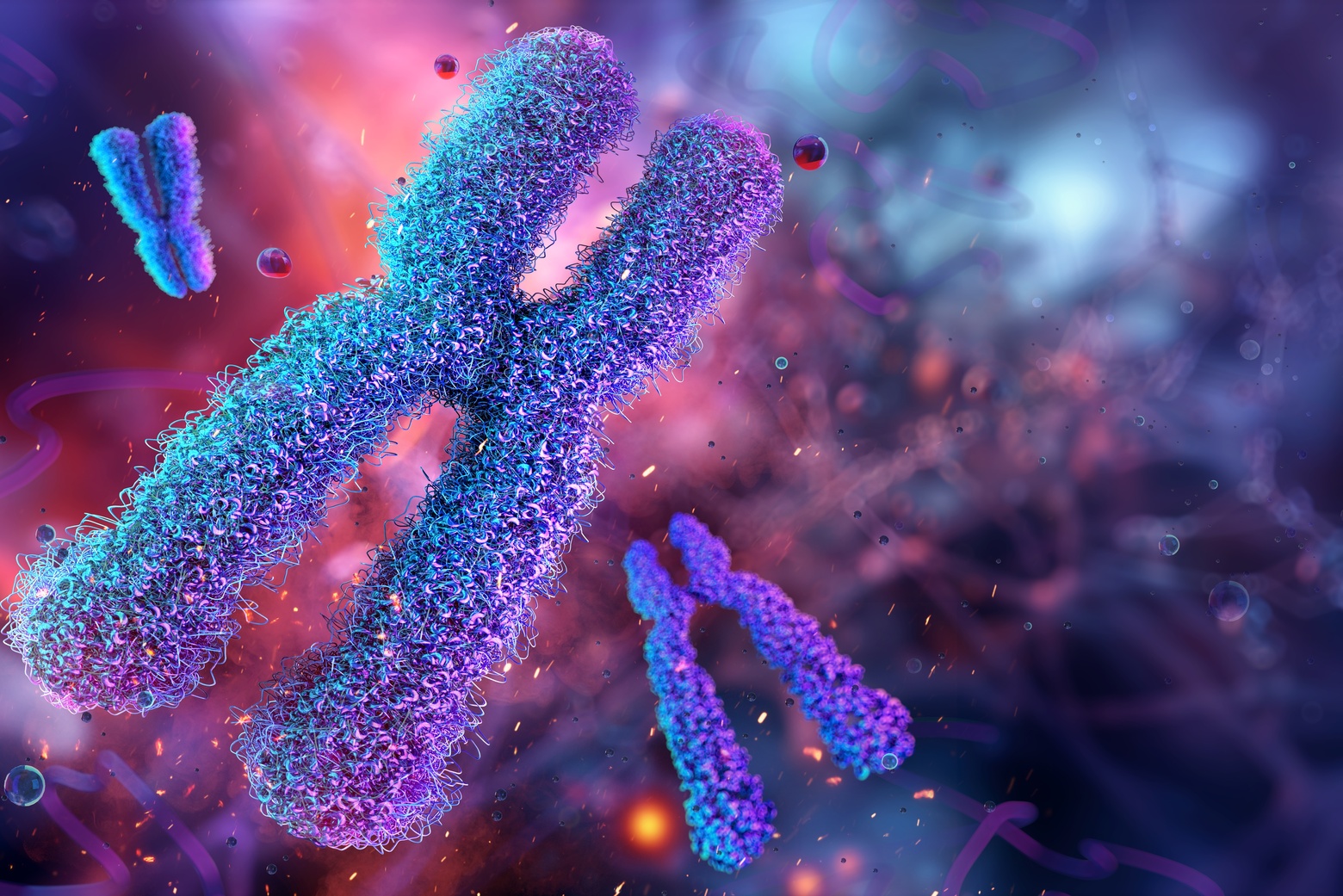
Preparing for division, a cell duplicates its DNA. Chromosomes happen to be shaped like the letter “X” as a result of this duplication: the left and right sides of the “X” are called matching sister chromatids, each a copy of the other. Later in cell division, these two sister chromatids part ways, winding up in separate daughter cells.

In 2013, Yamashita and her former graduate student, Swathi Yadlapalli, made a strange but important discovery. In fruit flies, for the X and Y chromosomes (the sex chromosomes), sister chromatids were not being sorted randomly. Instead, one was more likely to go to the daughter cell that would become a gamete; the other to the daughter on the GSC track. There had to be a reason for this preference, but no one had an explanation.

Initial experiments did not reveal obvious differences between these sister chromatid pairs. “Everyone would say, ‘oh, there’s probably some sort of epigenetic information in there,” Yamashita says, referring to heritable changes not carried in DNA. With few promising leads, the lab decided to take a systematic approach. George Watase, then a postdoc in the lab, began the painstaking work of removing different a parts of flies’ X chromosomes, seeing if the absence of any particular element would disrupt the pattern of preferential segregation.

“We thought it was going to be satellite DNA,” Yamashita says, referring to large swathes of DNA in the genome that are highly repetitive but don’t code for any genes. (While this initial guess was wrong, it kickstarted a separate project in the lab — one which led to discovering the unexpected role that satellite DNA plays when one species forks into two.)

Eventually the team narrowed in on the true culprit: ribosomal DNA (rDNA). The primary role of rDNA is to produce the components that make up ribosomes. Ribosomes, in turn, perform the crucial task of synthesizing proteins.

“We didn’t like this finding in the beginning. I always say that ribosomal DNA is ‘too important to be interesting.’ You don’t get excited about something you really need, like toilet paper,” Yamashita says. “In the case of ribosomal DNA, bacteria needs it, humans need it, everybody needs it.”

But what did rDNA have to do with asymmetric cell division in the germline?

“Around that time, we started reading lots of papers,” Yamashita says. “Then we discovered a phenomenon called rDNA magnification. These were studies from the 1960s and ’80s — most of the people in my lab were not even born yet.”

These studies from decades ago described mutant flies that lacked a sufficient amount of rDNA and, as a result, had a “bobbed” phenotype, or appearance. Since these flies possessed fewer ribosomes to produce proteins, the bristles on their back were shorter; the protective cuticle covering their bodies weakened. But when they reproduced, many of their offspring possessed a normal amount of rDNA. These observations pointed towards a mechanism that allowed flies to replenish their supply of rDNA.

At the time rDNA magnification was first observed, the phenomenon was regarded as an oddity, something that only happened in mutant flies and did not have physiological relevance. But Yamashita realized there was a connection between rDNA magnification and asymmetric division in the germline.

To make enough protein, a cell must produce ample ribosomes. To do that, the fruit fly genome contains hundreds of copies of rDNA in a row. But the DNA replication process can struggle to handle so many rDNA copies strung together, and can sometimes experience a hiccup, resulting in the loss of rDNA copies with each new division. It’s an outcome that might be okay on occasion, but would wreak havoc over many generations.

“All of a sudden, [rDNA magnification] was not about a mutant chromosome,” Yamashita says. “We were like, holy moly. This is about germline immortality.”

Soon many different pieces became part of a cohesive story: asymmetric cell division is not about producing a balance of gametes and stem cells; it’s about maintaining rDNA in the germline. Sister chromatids are almost identical — but one contains more copies of rDNA than the other, and that copy is fated to stay in the GSC pool. Through this asymmetry, the germline is replenished of rDNA; it can pass the baton to the next generation.

“For quite some time, for so many observations that everyone knew in the field, we felt we had an explanation. But from that ‘aha!’ moment, we took multiple years to test everything,” Yamashita says.

In subsequent years, the Yamashita lab pinned down additional details about how rDNA is diverted back to the germline. First, in 2022, the team identified a specific protein, which they named Indra, which binds to rDNA. The presence of Indra helps assign the sister chromatid containing more rDNA copies to the GSC daughter cell.

Their next discovery was another plot twist. If one sister chromatid contained more rDNA than the other, and those rDNA copies weren’t appearing out of thin air, it meant that one chromatid needed to be stealing rDNA from its sister. The lab discovered a genetic element that facilitated this transfer: a retrotransposon.

Retrotransposons are usually considered “genetic parasites,” copying and pasting themselves into the genome. In an attempt to reinsert itself, this particular retrotransposon, called R2, slices open sections containing rDNA on both chromatids. As the cell repairs these breaks, it may inadvertently stitch copies of rDNA from one chromosome to the other, creating an unequal number of copies between the two.

“Not many people thought retrotransposons could be beneficial to the host. They’re seen as parasites,” Yamashita says. “But it turns out that they are essential for germline immortality.”

Sometimes, one research project is a spin off of a spin off. That was true for Xuefeng Meng, a graduate student in the lab who was working on satellite DNA, the genetic element that turned out to be unrelated to asymmetric cell division, but was interesting in its own right.

While studying satellite DNA, Meng noticed that a particular stock of flies had a problem producing normal sperm, that their cells’ nuclei were abnormally packaged. The problem had to do with a gene called Stellate on the flies’ X chromosome. While most flies have few copies of Stellate, these flies had a higher number of copies.

Stellate was already known in the field as a meiotic driver, or “selfish-gene”: a genetic element that has evolved ways to preferentially transmit itself to the next generation. Some meiotic drivers, including Stellate, are on the sex chromosomes and, when not suppressed, cause an excess of either male or female progeny. In this case, Stellate produces a protein, Ste, which is found to concentrate in Y-carrying cells during meiosis, the specialized type of cell division that produces gametes (meiosis follows the earlier round of asymmetric cell division described above). High concentrations of Ste impede the proper packaging of nuclei in cells, leading to their eventual death. When Stellate is widely expressed, fewer male flies emerge in the next generation.

But here lies an inherent tension: if a selfish gene is too good at propagating itself, and produces only males or females, its host species would go extinct — and so would the gene. Meng and Yamashita were interested in this paradox. Through this work, they identified a novel mechanism that keeps Stellate in check. To balance selfish propagation with the host species’ survival, Stellate has a built-in system for pumping the brakes. After Ste concentrates in Y-carrying cells during the first meiotic division, the protein is unevenly distributed a second time. This second step spares a portion of Y-carrying cells that go on to create males.

How the germline is able to counter disruptive forces, thereby renewing itself, continues to be a ripe research area. Researchers still don’t know all the secrets to how a line of cells can achieve perpetuity — but the Yamashita lab continues to investigate the question.

“What I really like about people in my lab is that they don’t jump to the easiest conclusion,” Yamashita says. “If you start embracing surprise, then good things happen. Because you are surprised, you start testing your finding in multiple ways. Then you can build confidence about the result.”

Notes

Xuefeng Meng and Yukiko Yamashita (2025). “Intrinsically weak sex chromosome drive through sequential asymmetric meiosis.” Science Advanceshttps://doi.org/10.1126/sciadv.adv7089

Jonathan O. Nelson, Tomohiro Kumon, Yukiko M. Yamashita. (2023) “rDNA magnification is a unique feature of germline stem cells.” PNAShttps://doi.org/10.1073/pnas.2314440120

Jonathan O. Nelson, Alyssa Slicko, Yukiko M. Yamashita. (2023) “The retrotransposon R2 maintains Drosophila ribosomal DNA repeats.” PNAShttps://doi.org/10.1073/pnas.2221613120

George J. Watase, Jonathan O. Nelson, Yukiko M. Yamashita. (2022) “Nonrandom sister chromatid segregation mediates rDNA copy number maintenance in Drosophila.” Science Advanceshttps://www.science.org/doi/10.1126/sciadv.abo4443

Madhav Jagannathan and Yukiko Yamashita. (2021) “Defective satellite DNA clustering into chromocenters underlies hybrid incompatibility in Drosophila.” Molecular Biology and Evolutionhttps://doi.org/10.1093/molbev/msab221

Swathi Yadlapalli and Yukiko Yamashita (2013) “Chromosome-specific nonrandom sister chromatid segregation during stem-cell division.” Nature10.1038/nature12106

Neural activity helps circuit connections mature into optimal signal transmitters

By carefully tracking the formation and maturation of synaptic active zones in fruit flies, MIT scientists have discovered how neural activity helps circuit connections become tuned to the right size and degree of signal transmission capability over a period of days.

David Orenstein | The Picower Institute for Learning and Memory
October 14, 2025

Nervous system functions, from motion to perception to cognition, depend on the active zones of neural circuit connections, or “synapses,” sending out the right amount of their chemical signals at the right times. By tracking how synaptic active zones form and mature in fruit flies, researchers at The Picower Institute for Learning and Memory at MIT have revealed a fundamental model for how neural activity during development builds properly working connections.

Understanding how that happens is important, not only for advancing fundamental knowledge about how nervous systems develop, but also because many disorders such as epilepsy, autism, or intellectual disability can arise from aberrations of synaptic transmission, said senior author Troy Littleton, Menicon Professor in The Picower Institute and MIT’s Department of Biology. The new findings, funded in part by a 2021 grant from the National Institutes of Health, provide insights into how active zones develop the ability to send neurotransmitters across synapses to their circuit targets. It’s not instant or predestined, the study shows. It can take days to fully mature and that is regulated by neural activity.

If scientists can fully understand the process, Littleton said, then they can develop molecular strategies to intervene to tweak synaptic transmission when it’s happening too much or too little in disease.

“We’d like to have the levers to push to make synapses stronger or weaker, that’s for sure,” Littleton said. “And so knowing the full range of levers we can tug on to potentially change output would be exciting.”

Littleton Lab research scientist Yuliya Akbergenova led the study published Oct. 14 in the Journal of Neuroscience.

How newborn synapses grow up 

In the study, the researchers examined neurons that send the neurotransmitter glutamate across synapses to control muscles in the fly larvae. To study how the active zones in the animals matured, the scientists needed to keep track of their age. That hasn’t been possible before, but Akbergenova overcame the barrier by cleverly engineering the fluorescent protein mMaple, which changes its glow from green to red when zapped with 15 seconds of ultraviolet light, into a component of the glutamate receptors on the receiving side of the synapse. Then, whenever she wanted, she could shine light and all the synapses already formed before that time would glow red and any new once that formed subsequently would glow green.

With the ability to track each active zone’s birthday, the authors could then document how active zones developed their ability to increase output over the course of days after birth. The researchers actually watched as synapses were built over many hours by tagging each of eight kinds of proteins that make up an active zone. At first, the active zones couldn’t transmit anything. Then, as some essential early proteins accumulated, they could send out glutamate spontaneously, but not if evoked by electrical stimulation of their host neuron (simulating how that neuron might be signaled naturally in a circuit). Only after several more proteins arrived did active zones possess the mature structure for calcium ions to trigger the fusion of glutamate vesicles to the cell membrane for evoked release across the synapse.

Activity matters

Of course, construction does not go on forever. At some point, the fly larva stops building one synapse and then builds new ones further down the line as the neuronal axon expands to keep up with growing muscles. The researchers wondered whether neural activity had a role in driving that process of finishing up one active zone and moving on to build the next.

To find out, they employed two different interventions to block active zones from being able to release glutamate, thereby preventing synaptic activity. Notably, one of the methods they chose was blocking the action of a protein called Synaptotagmin 1. That’s important because mutations that disrupt the protein in humans are associated with severe intellectual disability and autism. Moreover, the researchers tailored the activity-blocking interventions to just one neuron in each larva because blocking activity in all their neurons would have proved lethal.

In neurons where the researchers blocked activity, they observed two consequences: the neurons stopped building new active zones and instead kept making existing active zones larger and larger. It was as if the neuron could tell the active zone wasn’t releasing glutamate and tried to make it work by giving it more protein material to work with. That effort came at the expense of starting construction on new active zones.

“I think that what it’s trying to do is compensate for the loss of activity,” Littleton said.

Testing indicated that the enlarged active zones the neurons built in hopes of restarting activity were functional (or would have been if the researchers weren’t artificially blocking them). This suggested that the way the neuron sensed that glutamate wasn’t being released was therefore likely to be a feedback signal from the muscle side of the synapse. To test that, the scientists knocked out a glutamate receptor component in the muscle and when they did, they found that the neurons no longer made their active zones larger.

Littleton said the lab is already looking into the new questions the discoveries raise. In particular, what are the molecular pathways that initiate synapse formation in the first place, and what are the signals that tell an active zone it has finished growing? Finding those answers will bring researchers closer to understanding how to intervene when synaptic active zones aren’t developing properly.

In addition to Littleton and Akbergenova, the paper’s other authors are Jessica Matthias and Sofya Makeyeva.

In addition to the National Institutes of Health, The Freedom Together Foundation provided funding for the study.

Little picture, large revelations

A summer intensive using microscopy to study a unique type of yeast was a dream come true for BSG-MSRP-Bio student Adryanne Gonzalez.

Lillian Eden | Department of Biology
September 11, 2025

For Adryanne Gonzalez, studying yeast using microscopy at MIT this summer has been a dream come true. 

“Whatever world we’re living in, there’s an even smaller one,” Gonzalez says. “Knowing and understanding the smaller one can help us learn about the bigger stuff, and I think that’s so fascinating.” 

Gonzalez was part of the Bernard S. and Sophie G. Gould MIT Summer Research Program in Biology, working in the Lew Lab this summer. The program offers talented undergraduates from institutions with limited research opportunities at their home institutions the chance to spend 10 weeks at MIT, where they gain experience, hone skills, and create the types of connections with potential collaborators and future colleagues that are critical for success in academia. 

Gonzalez was so excited about the opportunity that she didn’t apply for any other summer programs.  

“I really wanted to work on becoming more independent in the lab, and this program was research-intensive, and you get to lead your own project,” she says. “It was this or nothing.”

two people standing at a bench in front of a computer
Adryanne Gonzalez, right, with her mentor, Lew Lab graduate student Clara Fikry, left. Gonzalez spent the summer studying Aureobasidium pullulans, a type of yeast that produces large, root-like networks. Photo credit: Mandana Sassanfar/MIT Department of Biology

The fun of science & the rigors of mentoring

The Lew Lab works with two different specimens: a model baker’s yeast that multiplies by producing a round growth called a bud that eventually separates into a separate, daughter cell; and Aureobasidium pullulans, which is unusual because it can create multiple buds at the same time, and can also spread in large networks of branching, rootlike growths called hyphae. A. pullulans is an emerging model system, meaning that researchers are still defining what normal growth and behavior is for the fungus, like how it senses and responds to obstacles, and how resources and molecular machinery are allocated to its branching structures.  

“I’m really interested in all the diversity of biology that we don’t get to study if we’re only focused on the model species,” says Clara Fikry, a graduate student in the Lew Lab and Gonzalez’s mentor for the summer. 

On the mentoring side, Fikry learned how to balance providing a rigorous workload while not overwhelming her mentee with information. 

“Science should be fun,” Fikry says. “The goal of this isn’t to produce as much data as possible; it’s to learn what the process of science is like.”

Although her day-to-day work was with Fikry, Gonzalez also received guidance from Daniel Lew himself. For example, his advice was invaluable for honing a draft of her research statement for potential graduate school applications, which she’d previously written as part of a class assignment.

“It was an assignment where I needed to hit a page count, and he pointed out that I kind of wrote the same thing three times in the first paragraph,” she shares with a laugh. He helped her understand that “when you’re writing something professionally, you want your writing to be concise and understandable to a broad spectrum of readers.” 

Life in the cohort

The BSG-MSRP-Bio program gives undergraduate students a taste of what the day-to-day life of graduate school might feel like, from balancing one’s workload and reading research papers to learning new techniques and troubleshooting when experiments don’t go as planned. Gonzalez recalls that the application process felt very “adult” and “professional” because she was responsible for reaching out to the faculty member of the lab she was interested in on her own behalf, rather than going through a program intermediary. 

Gonzalez is one of just three students from Massachusetts participating in the program this year—the program draws students from across the globe to study at MIT. 

Every student also arrives with different levels of experience, from Gonzalez, who can only work in a lab during the school year about once a week, to Calo Lab student Adriana Camacho-Badillo, who is in her third consecutive summer in the program, and continuing work on a project she began last year.

“We’re all different levels of novice, and we’re coming together, and we’re all really excited about research,” Gonzalez says.

Gonzalez is a Gould Fellow, supported at MIT through the generous donations of Mike Gould and Sara Moss. The program funding was initiated in 2015 to honor the memory of Gould’s parents, Bernard S. and Sophie G. Gould. Gould and Moss take the time to come to campus and meet the students they’re supporting every year. 

“You don’t often get to meet the person that’s helping you,” Gonzalez said. “They were so warm and welcoming, and at the end, when they were giving everyone a nice, firm handshake, Mike Gould said, ‘Make sure you keep going. Don’t give up,’ which was so sweet.” 

Gonzalez is also supported by Cedar Tree, a Boston-based family foundation that primarily funds local environmental initiatives. In the interest of building a pipeline for future scientists with potential interest in the environmental sciences and beyond, Cedar Tree recently established a grant program for local high school and undergraduate students pursuing STEM research and training opportunities. 

Gonzalez discusses her summer research with attendees of the poster session that serves as the culmination of the 10-week summer research intensive for talented non-MIT undergraduate students from around the world. Photo credit: Lillian Eden/MIT Department of Biology.

Preparing for the future

The BSG-MSRP-Bio program culminates with a lively poster session where students present their summer projects to the MIT community—the first time some students are presenting their data to the public in that format.

Although the program is aimed at students who foresee a career in academia, the majority of students who participate are uncertain about the specific field, organism, or process they’ll eventually want to study during a PhD program. For Gonzalez, the program has helped her feel more prepared for the potential rigors of academic research.

“I think the hardest thing about this program is convincing yourself to apply,” she says. “Don’t let that hinder you from exploring opportunities that may seem out of reach.” 

Can a pill help you live longer? The science behind NAD and longevity

MIT professor, Dr. Leonard Guarente, conducts research into sirtuin genes and the power of a molecule called NAD.

WCVB
July 22, 2025

It might sound too good to be true: a pill that could help you live a longer, healthier life. But Leonard Guarente, a longtime MIT biologist, believes the idea holds promise.

Guarente, the Novartis Professor of Biology at MIT, has spent more than 40 years studying the science of aging. He started small, working with yeast cells.

“We decided to look for genes that could make yeast live longer,” he said. That’s when a gene called SIR2 caught his attention. Boosting SIR2 activity helped yeast cells live longer—and when the same effect was observed in roundworms, Guarente turned his attention to humans.

Humans, it turns out, have seven genes similar to SIR2. Collectively, these are called sirtuins, a group of proteins essential to cell health. According to Guarente, sirtuins help power cells, repair damage, and regulate which genes are turned on or off.

Guarente says sirtuins need NAD (nicotinamide adenine dinucleotide) to stay active, but NAD levels naturally decline as we get older.

“If we could restore NAD levels in an older person back to youthful levels, we thought that would do a lot of good,” he explained.

That idea became the foundation for Elysium Health, a company Guarente co-founded. Some critics question the ethics of a scientist selling supplements based on his own research, but Guarente stands by the rigor of his approach. “We ended up with eight Nobel Prize winners on the board,” he noted.

Of course, whether restoring NAD levels leads to longer life is still uncertain. “A person who is very healthy might not notice much initially because where is there to go?” Guarente explained. “But what about in 30 years? There’s no way to answer that question right now.”