3 Questions with new faculty member Zuri Sullivan: Exploring the mechanisms underlying changes during infection

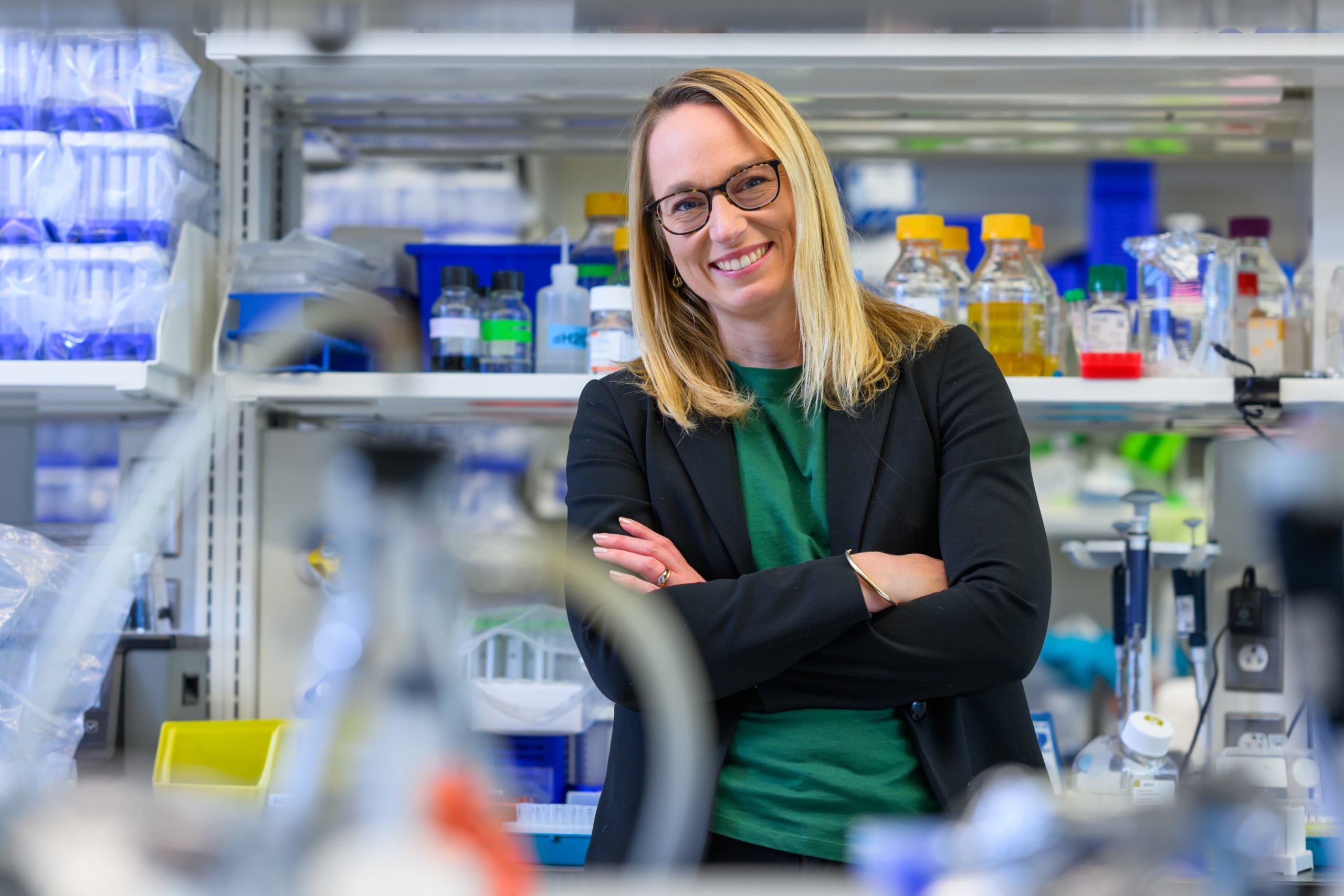
Zuri Sullivan, a new assistant professor of biology and Whitehead Institute member, studies why we get sick, and whether aspects of illness, such as disrupted appetite, contribute to host defense.

Lillian Eden | Department of Biology
February 20, 2026

With respiratory illness season in full swing, a bad night’s sleep, sore throat, and desire to cancel dinner plans could all be considered hallmark symptoms of the flu, Covid-19 or other illnesses. Although everyone has, at some point, experienced illness and these stereotypical symptoms, the mechanisms that generate them are not well understood.

Zuri Sullivan, a new assistant professor in the MIT Department of Biology and core member of the Whitehead Institute for Biomedical Research, works at the interface of neuroscience, microbiology, physiology, and immunology to study the biological workings underlying illness. In this interview, she describes her work on immunity thus far as well as research avenues — and professional collaborations — she’s excited to explore at MIT.

Q: What is immunity, and why do we get sick in the first place?

A: We can think of immunity in two ways: the antimicrobial programs that defend against a pathogen directly, and sickness, the altered organismal state that happens when we get an infection.

Sickness itself arises from brain-immune system interaction. The immune system is talking to the brain, and then the brain has a system-wide impact on host defense via its ability to have top-down control of physiologic systems and behavior. People might assume that sickness is an unintended consequence of infection, that it happens because your immune system is active, but we hypothesize that it’s likely an adaptive process that contributes to host defense.

If we consider sickness as immunity at the organismal scale, I think of my work as bridging the dynamic immunological processes that occur at the cellular scale, the tissue scale, and the organismal scale. I’m interested in the molecular and cellular mechanisms by which the immune system communicates with the brain to generate changes in behavior and physiology, such as fever, loss of appetite, and changes in social interaction.

Q: What sickness behaviors fascinate you?

A: During my thesis work at Yale University, I studied how the gut processes different nutrients and the role of the immune system in regulating gut homeostasis in response to different kinds of food. I’m especially interested in the interaction between food, the immune system, and the brain. One of the things I’m most excited about is the reduction in appetite, or changes in food choice, because we have what I would consider pretty strong evidence that these may be adaptive.

Sleep is another area we’re interested in exploring. From their own subjective experience, everyone knows that sleep is often altered during infection.

I also don’t just want to examine snapshots in time. I want to characterize changes over the course of an infection. There’s probably going to be individual variability, which I think may be in part because pathogens are also changing over the course of an illness — we’re studying two different biological systems interacting with each other.

Q: What sorts of expertise are you hoping to recruit to your lab, and what collaborations are you excited about pursuing?

A: I really want to bring together different areas of biology to think about organism-wide questions. The thing that’s most important to me is people who are creative — I’d rather trainees come in with an interesting idea than a perfectly formed question within the bounds of what we already believe to be true. I’m also interested in people who would complement my expertise; I’m fascinated by microbiology, but I don’t have any formal training.

The Whitehead Institute is really invested in interdisciplinary work, and there’s a natural synergy between my work and the other labs in this small community at the Whitehead Institute.

I’ve been collaborating with Sebastian Lourido’s lab for a few years, looking at how Toxoplasma gondii influences social behavior, and I’m excited to invest more time in that project. I’m also interested in molecular neuroscience, which is a focus of Siniša Hrvatin’s lab. That lab is interested in the hypothalamus, and trying to understand the mechanisms that generate torpor. My work also focuses on the hypothalamus because it regulates homeostatic behaviors that change during sickness, such as appetite, sleep, social behavior, and body temperature.

By studying different sickness states generated by different kinds of pathogens — parasites, viruses, bacteria — we can ask really interesting questions about how and why we get sick.

Zuri Sullivan

Education

  • Undergraduate: AB, Molecular and Cellular Biology, Harvard University, 2012
  • Graduate: 2020, Yale University

Research Summary

In animals, host defense has two modes: antimicrobial programs, which kill pathogens directly; and sickness, a state of altered physiology and behavior that is actively generated by brain-immune system interactions. The lab is interested in (1) how and (2) why infections make us sick – the neuroimmune interactions that lead to sickness, and their impact on host fitness. Our goal is to understand the mechanistic basis of sickness as a host defense strategy.

Awards & Honors

Ron Vale

Education

  • Graduate: PhD, 1985, Stanford University
  • Undergraduate: BA, 1980, Biology and Chemistry, College of Creative Studies, University of California Santa Barbara

Research Summary

The Vale lab uses microscopy, along with biochemical and genetic approaches, to peer into the secret lives of cells and understand how they move, divide, transport materials, and process information. The lab has focused for many years on microtubule-based motor proteins, kinesin and dynein, aiming to understand how they generate movement and transport specific cargos inside of cells. The laboratory also has investigated biochemical mechanisms involved in immune cell signaling. A new area of interest is studying how cells adapt to harsh conditions and stressors such as episodes of heat, cold or drought.

Awards

  • American Association for Cancer Research, Fellow, 2025
  • Royal Society, Foreign Member, 2023
  • Gairdner Award in Biomedical Research, 2019
  • Shaw Prize in Life Sciences and Medicine, 2017
  • Distinguished Scientist of the Marine Biological Laboratory, 2016
  • National Academy of Medicine, Member, 2014
  • Albert Lasker Award for Basic Medical Research, 2012
  • Wiley Prize for Biomedical Sciences, 2012
  • American Academy of Arts and Sciences, Fellow, 2002
  • National Academy of Sciences, Member, 2001
Biologists identify targets for new pancreatic cancer treatments

Research from MIT and Dana-Farber Cancer Institute yielded hundreds of “cryptic” peptides that are found only on pancreatic tumor cells and could be targeted by vaccines or engineered T cells.

Anne Trafton | MIT News
May 7, 2025

Researchers from MIT and Dana-Farber Cancer Institute have discovered that a class of peptides expressed in pancreatic cancer cells could be a promising target for T-cell therapies and other approaches that attack pancreatic tumors.

Known as cryptic peptides, these molecules are produced from sequences in the genome that were not thought to encode proteins. Such peptides can also be found in some healthy cells, but in this study, the researchers identified about 500 that appear to be found only in pancreatic tumors.

The researchers also showed they could generate T cells targeting those peptides. Those T cells were able to attack pancreatic tumor organoids derived from patient cells, and they significantly slowed down tumor growth in a study of mice.

“Pancreas cancer is one of the most challenging cancers to treat. This study identifies an unexpected vulnerability in pancreas cancer cells that we may be able to exploit therapeutically,” says Tyler Jacks, the David H. Koch Professor of Biology at MIT and a member of the Koch Institute for Integrative Cancer Research.

Jacks and William Freed-Pastor, a physician-scientist in the Hale Family Center for Pancreatic Cancer Research at Dana-Farber Cancer Institute and an assistant professor at Harvard Medical School, are the senior authors of the study, which appears today in Science. Zackery Ely PhD ’22 and Zachary Kulstad, a former research technician at Dana-Farber Cancer Institute and the Koch Institute, are the lead authors of the paper.

Cryptic peptides

Pancreatic cancer has one of the lowest survival rates of any cancer — about 10 percent of patients survive for five years after their diagnosis.

Most pancreatic cancer patients receive a combination of surgery, radiation treatment, and chemotherapy. Immunotherapy treatments such as checkpoint blockade inhibitors, which are designed to help stimulate the body’s own T cells to attack tumor cells, are usually not effective against pancreatic tumors. However, therapies that deploy T cells engineered to attack tumors have shown promise in clinical trials.

These therapies involve programming the T-cell receptor (TCR) of T cells to recognize a specific peptide, or antigen, found on tumor cells. There are many efforts underway to identify the most effective targets, and researchers have found some promising antigens that consist of mutated proteins that often show up when pancreatic cancer genomes are sequenced.

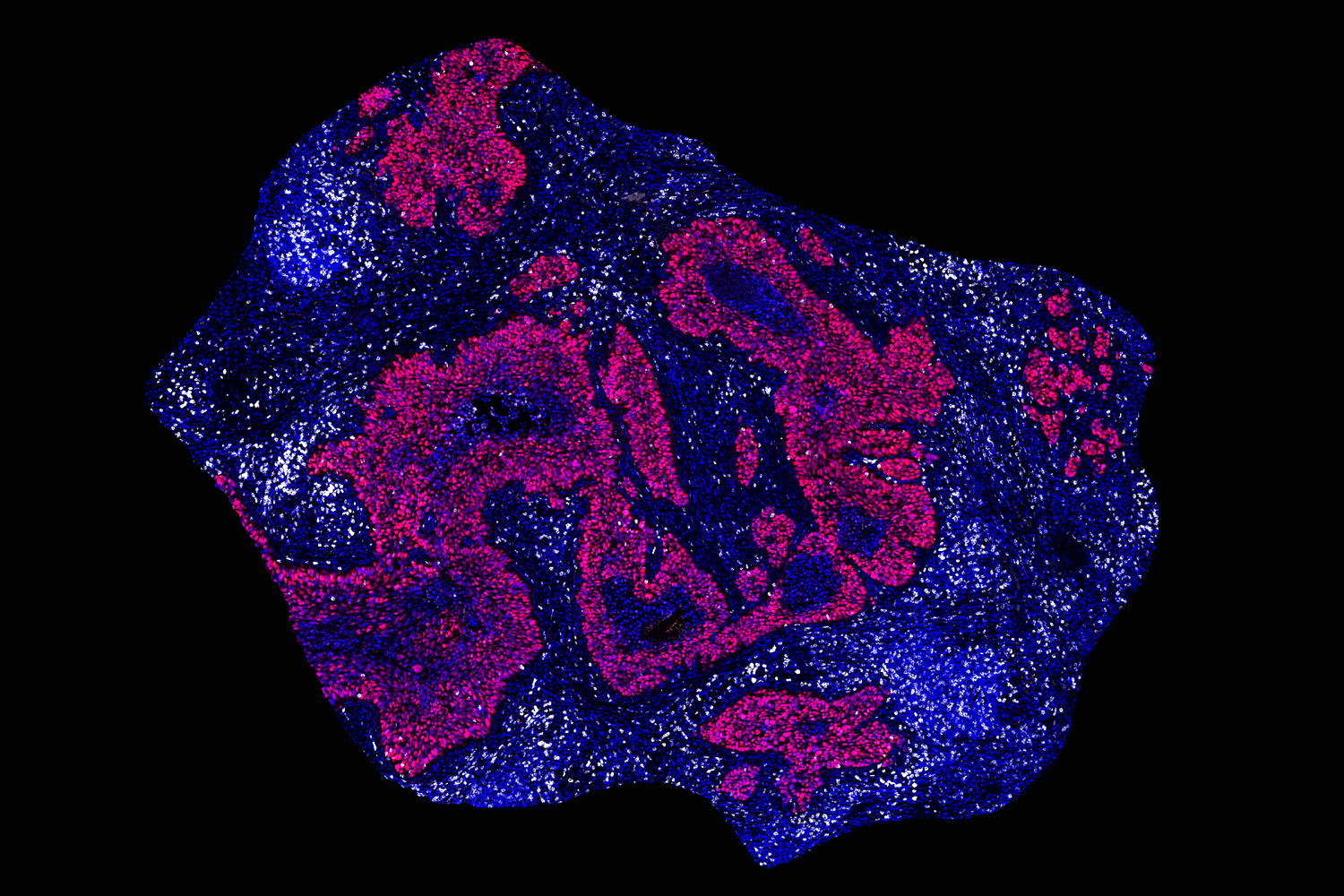
In the new study, the MIT and Dana-Farber team wanted to extend that search into tissue samples from patients with pancreatic cancer, using immunopeptidomics — a strategy that involves extracting the peptides presented on a cell surface and then identifying the peptides using mass spectrometry.

Using tumor samples from about a dozen patients, the researchers created organoids — three-dimensional growths that partially replicate the structure of the pancreas. The immunopeptidomics analysis, which was led by Jennifer Abelin and Steven Carr at the Broad Institute, found that the majority of novel antigens found in the tumor organoids were cryptic antigens. Cryptic peptides have been seen in other types of tumors, but this is the first time they have been found in pancreatic tumors.

Each tumor expressed an average of about 250 cryptic peptides, and in total, the researchers identified about 1,700 cryptic peptides.

“Once we started getting the data back, it just became clear that this was by far the most abundant novel class of antigens, and so that’s what we wound up focusing on,” Ely says.

The researchers then performed an analysis of healthy tissues to see if any of these cryptic peptides were found in normal cells. They found that about two-thirds of them were also found in at least one type of healthy tissue, leaving about 500 that appeared to be restricted to pancreatic cancer cells.

“Those are the ones that we think could be very good targets for future immunotherapies,” Freed-Pastor says.

Programmed T cells

To test whether these antigens might hold potential as targets for T-cell-based treatments, the researchers exposed about 30 of the cancer-specific antigens to immature T cells and found that 12 of them could generate large populations of T cells targeting those antigens.

The researchers then engineered a new population of T cells to express those T-cell receptors. These engineered T cells were able to destroy organoids grown from patient-derived pancreatic tumor cells. Additionally, when the researchers implanted the organoids into mice and then treated them with the engineered T cells, tumor growth was significantly slowed.

This is the first time that anyone has demonstrated the use of T cells targeting cryptic peptides to kill pancreatic tumor cells. Even though the tumors were not completely eradicated, the results are promising, and it is possible that the T-cells’ killing power could be strengthened in future work, the researchers say.

Freed-Pastor’s lab is also beginning to work on a vaccine targeting some of the cryptic antigens, which could help stimulate patients’ T cells to attack tumors expressing those antigens. Such a vaccine could include a collection of the antigens identified in this study, including those frequently found in multiple patients.

This study could also help researchers in designing other types of therapy, such as T cell engagers — antibodies that bind an antigen on one side and T cells on the other, which allows them to redirect any T cell to kill tumor cells.

Any potential vaccine or T cell therapy is likely a few years away from being tested in patients, the researchers say.

The research was funded in part by the Hale Family Center for Pancreatic Cancer Research, the Lustgarten Foundation, Stand Up To Cancer, the Pancreatic Cancer Action Network, the Burroughs Wellcome Fund, a Conquer Cancer Young Investigator Award, the National Institutes of Health, and the National Cancer Institute.

Helping the immune system attack tumors

Stefani Spranger is working to discover why some cancers don’t respond to immunotherapy, in hopes of making them more vulnerable to it.

Anne Trafton | MIT News
February 26, 2025

In addition to patrolling the body for foreign invaders, the immune system also hunts down and destroys cells that have become cancerous or precancerous. However, some cancer cells end up evading this surveillance and growing into tumors.

Once established, tumor cells often send out immunosuppressive signals, which leads T cells to become “exhausted” and unable to attack the tumor. In recent years, some cancer immunotherapy drugs have shown great success in rejuvenating those T cells so they can begin attacking tumors again.

While this approach has proven effective against cancers such as melanoma, it doesn’t work as well for others, including lung and ovarian cancer. MIT Associate Professor Stefani Spranger is trying to figure out how those tumors are able to suppress immune responses, in hopes of finding new ways to galvanize T cells into attacking them.

“We really want to understand why our immune system fails to recognize cancer,” Spranger says. “And I’m most excited about the really hard-to-treat cancers because I think that’s where we can make the biggest leaps.”

Her work has led to a better understanding of the factors that control T-cell responses to tumors, and raised the possibility of improving those responses through vaccination or treatment with immune-stimulating molecules called cytokines.

“We’re working on understanding what exactly the problem is, and then collaborating with engineers to find a good solution,” she says.

Jumpstarting T cells

As a student in Germany, where students often have to choose their college major while still in high school, Spranger envisioned going into the pharmaceutical industry and chose to major in biology. At Ludwig Maximilian University in Munich, her course of study began with classical biology subjects such as botany and zoology, and she began to doubt her choice. But, once she began taking courses in cell biology and immunology, her interest was revived and she continued into a biology graduate program at the university.

During a paper discussion class early in her graduate school program, Spranger was assigned to a Science paper on a promising new immunotherapy treatment for melanoma. This strategy involves isolating tumor-infiltrating T-cells during surgery, growing them into large numbers, and then returning them to the patient. For more than 50 percent of those patients, the tumors were completely eliminated.

“To me, that changed the world,” Spranger recalls. “You can take the patient’s own immune system, not really do all that much to it, and then the cancer goes away.”

Spranger completed her PhD studies in a lab that worked on further developing that approach, known as adoptive T-cell transfer therapy. At that point, she still was leaning toward going into pharma, but after finishing her PhD in 2011, her husband, also a biologist, convinced her that they should both apply for postdoc positions in the United States.

They ended up at the University of Chicago, where Spranger worked in a lab that studies how the immune system responds to tumors. There, she discovered that while melanoma is usually very responsive to immunotherapy, there is a small fraction of melanoma patients whose T cells don’t respond to the therapy at all. That got her interested in trying to figure out why the immune system doesn’t always respond to cancer the way that it should, and in finding ways to jumpstart it.

During her postdoc, Spranger also discovered that she enjoyed mentoring students, which she hadn’t done as a graduate student in Germany. That experience drew her away from going into the pharmaceutical industry, in favor of a career in academia.

“I had my first mentoring teaching experience having an undergrad in the lab, and seeing that person grow as a scientist, from barely asking questions to running full experiments and coming up with hypotheses, changed how I approached science and my view of what academia should be for,” she says.

Modeling the immune system

When applying for faculty jobs, Spranger was drawn to MIT by the collaborative environment of MIT and its Koch Institute for Integrative Cancer Research, which offered the chance to collaborate with a large community of engineers who work in the field of immunology.

“That community is so vibrant, and it’s amazing to be a part of it,” she says.

Building on the research she had done as a postdoc, Spranger wanted to explore why some tumors respond well to immunotherapy, while others do not. For many of her early studies, she used a mouse model of non-small-cell lung cancer. In human patients, the majority of these tumors do not respond well to immunotherapy.

“We build model systems that resemble each of the different subsets of non-responsive non-small cell lung cancer, and we’re trying to really drill down to the mechanism of why the immune system is not appropriately responding,” she says.

As part of that work, she has investigated why the immune system behaves differently in different types of tissue. While immunotherapy drugs called checkpoint inhibitors can stimulate a strong T-cell response in the skin, they don’t do nearly as much in the lung. However, Spranger has shown that T cell responses in the lung can be improved when immune molecules called cytokines are also given along with the checkpoint inhibitor.

Those cytokines work, in part, by activating dendritic cells — a class of immune cells that help to initiate immune responses, including activation of T cells.

“Dendritic cells are the conductor for the orchestra of all the T cells, although they’re a very sparse cell population,” Spranger says. “They can communicate which type of danger they sense from stressed cells and then instruct the T cells on what they have to do and where they have to go.”

Spranger’s lab is now beginning to study other types of tumors that don’t respond at all to immunotherapy, including ovarian cancer and glioblastoma. Both the brain and the peritoneal cavity appear to suppress T-cell responses to tumors, and Spranger hopes to figure out how to overcome that immunosuppression.

“We’re specifically focusing on ovarian cancer and glioblastoma, because nothing’s working right now for those cancers,” she says. “We want to understand what we have to do in those sites to induce a really good anti-tumor immune response.”

A blueprint for better cancer immunotherapies

By examining antigen architectures, MIT researchers built a therapeutic cancer vaccine that may improve tumor response to immune checkpoint blockade treatments.

Bendta Schroeder | Koch Institute
November 25, 2024

Immune checkpoint blockade (ICB) therapies can be very effective against some cancers by helping the immune system recognize cancer cells that are masquerading as healthy cells.

T cells are built to recognize specific pathogens or cancer cells, which they identify from the short fragments of proteins presented on their surface. These fragments are often referred to as antigens. Healthy cells will will not have the same short fragments or antigens on their surface, and thus will be spared from attack.

Even with cancer-associated antigens studding their surfaces, tumor cells can still escape attack by presenting a checkpoint protein, which is built to turn off the T cell. Immune checkpoint blockade therapies bind to these “off-switch” proteins and allow the T cell to attack.

Researchers have established that how cancer-associated antigens are distributed throughout a tumor determines how it will respond to checkpoint therapies. Tumors with the same antigen signal across most of its cells respond well, but heterogeneous tumors with subpopulations of cells that each have different antigens, do not. The overwhelming majority of tumors fall into the latter category and are characterized by heterogenous antigen expression. Because the mechanisms behind antigen distribution and tumor response are poorly understood, efforts to improve ICB therapy response in heterogenous tumors have been hindered.

In a new study, MIT researchers analyzed antigen expression patterns and associated T cell responses to better understand why patients with heterogenous tumors respond poorly to ICB therapies. In addition to identifying specific antigen architectures that determine how immune systems respond to tumors, the team developed an RNA-based vaccine that, when combined with ICB therapies, was effective at controlling tumors in mouse models of lung cancer.

Stefani Spranger, associate professor of biology and member of MIT’s Koch Institute for Integrative Cancer Research, is the senior author of the study, appearing recently in the Journal for Immunotherapy of Cancer. Other contributors include Koch Institute colleague Forest White, the Ned C. (1949) and Janet Bemis Rice Professor and professor of biological engineering at MIT, and Darrell Irvine, professor of immunology and microbiology at Scripps Research Institute and a former member of the Koch Institute.

While RNA vaccines are being evaluated in clinical trials, current practice of antigen selection is based on the predicted stability of antigens on the surface of tumor cells.

“It’s not so black-and-white,” says Spranger. “Even antigens that don’t make the numerical cut-off could be really valuable targets. Instead of just focusing on the numbers, we need to look inside the complex interplays between antigen hierarchies to uncover new and important therapeutic strategies.”

Spranger and her team created mouse models of lung cancer with a number of different and well-defined expression patterns of cancer-associated antigens in order to analyze how each antigen impacts T cell response. They created both “clonal” tumors, with the same antigen expression pattern across cells, and “subclonal” tumors that represent a heterogenous mix of tumor cell subpopulations expressing different antigens. In each type of tumor, they tested different combinations of antigens with strong or weak binding affinity to MHC.

The researchers found that the keys to immune response were how widespread an antigen is expressed across a tumor, what other antigens are expressed at the same time, and the relative binding strength and other characteristics of antigens expressed by multiple cell populations in the tumor

As expected, mouse models with clonal tumors were able to mount an immune response sufficient to control tumor growth when treated with ICB therapy, no matter which combinations of weak or strong antigens were present. However, the team discovered that the relative strength of antigens present resulted in dynamics of competition and synergy between T cell populations, mediated by immune recognition specialists called cross-presenting dendritic cells in tumor-draining lymph nodes. In pairings of two weak or two strong antigens, one resulting T cell population would be reduced through competition. In pairings of weak and strong antigens, overall T cell response was enhanced.

In subclonal tumors, with different cell populations emitting different antigen signals, competition rather than synergy was the rule, regardless of antigen combination. Tumors with a subclonal cell population expressing a strong antigen would be well-controlled under ICB treatment at first, but eventually parts of the tumor lacking the strong antigen began to grow and developed the ability evade immune attack and resist ICB therapy.

Incorporating these insights, the researchers then designed an RNA-based vaccine to be delivered in combination with ICB treatment with the goal of strengthening immune responses suppressed by antigen-driven dynamics. Strikingly, they found that no matter the binding affinity or other characteristics of the antigen targeted, the vaccine-ICB therapy combination was able to control tumors in mouse models. The widespread availability of an antigen across tumor cells determined the vaccine’s success, even if that antigen was associated with weak immune response.

Analysis of clinical data across tumor types showed that the vaccine-ICB therapy combination may be an effective strategy for treating patients with tumors with high heterogeneity. Patterns of antigen architectures in patient tumors correlated with T cell synergy or competition in mice models and determined responsiveness to ICB in cancer patients. In future work with the Irvine laboratory at the Scripps Research Institute, the Spranger laboratory will further optimize the vaccine with the aim of testing the therapy strategy in the clinic.

Ragon faculty finds intricate functions of Resident Tissue Macrophages (RTM’s) extend beyond immune defense

The lab of Ragon Institute faculty @hernandezmsilva published a review in Science Immunology regarding resident tissue macrophages (RTMs), shedding light on these cells’ multifaceted roles.

April 15, 2024
Facundo Batista

Education

  • Graduate: PhD, 1995, International School of Advanced Studies
  • Undergraduate: BSc, 1991, University of Buenos Aires

Research Summary

B lymphocytes are the fulcrum of our immunological memory, the source of antibodies, and the focus of vaccine development. My lab has investigated how, where, and when B cell responses take shape. In recent years, my group has expanded into preclinical vaccinology, developing cutting-edge humanized mouse models for diseases including malaria, HIV, and SARS-CoV-2.

Awards

  •      Fellow, Ministero degli Affari Esteri of Italy, 1991-1992
  •      Fellow, UNIDO-International Centre for Genetic Engineering and Biotechnology, 1993-1995
  •      Fellow, Cancer Research Institute, 1995
  •      Long Term Postdoctoral Fellowship, European Molecular Biology Organization, 1996-1997
  •      Project Grant, Arthritis Research Campaign, 1999
  •      Young Investigator Award, European Molecular Biology Organization, 2004
  •      The Royal Society Wolfson Research Merit Award, The Royal Society/The Wolfson Foundation, 2009
  •      Faculty of 1000, 2009
  •      EMBO Member, European Molecular Biology Organization, 2009
  •      Fellow, British Academy of Medical Sciences, 2013
  •      Fellow, American Academy of Microbiology, 2017
  •      Member, Academia de Ciencias de América Latina (ACAL), 2022
Seychelle Vos and Hernandez Moura Silva named HHMI Freeman Hrabowski Scholars

The program supports early-career faculty who have strong potential to become leaders in their fields and to advance diversity, equity, and inclusion.

Lillian Eden | Department of Biology
May 9, 2023

Two faculty members from the MIT Department of Biology have been selected by the Howard Hughes Medical Institute (HHMI) for the inaugural cohort of HHMI Freeman Hrabowski Scholars.

Seychelle Vos, the Robert A. Swanson Career Development Professor of Life Sciences, and Hernandez Moura Silva, an assistant professor of biology and core member of the Ragon Institute of MGH, MIT and Harvard, are among 31 early-career faculty selected for their potential to become leaders in their research fields and to create diverse and inclusive lab environments in which everyone can thrive, according to a press release.

Freeman Hrabowski Scholars are appointed to a five-year term, renewable for a second five-year term after a successful progress evaluation. Each scholar will receive up to $8.6 million over 10 years, including full salary, benefits, a research budget, and scientific equipment. In addition, they will participate in professional development to advance their leadership and mentorship skills.

The Freeman Hrabowski Scholars Program represents a key component of HHMI’s diversity, equity, and inclusion goals. Over the next 20 years, HHMI expects to hire and support up to 150 Freeman Hrabowski Scholars — appointing roughly 30 scholars every other year for the next 10 years. The institute has committed up to $1.5 billion for the Freeman Hrabowski Scholars to be selected over the next decade. The program was named for Freeman A. Hrabowski III, president emeritus of the University of Maryland at Baltimore County, who played a major role in increasing the number of scientists, engineers, and physicians from backgrounds underrepresented in science in the United States.

Seychelle Vos

Seychelle Vos studies how DNA organization impacts gene expression at the atomic level, using cryogenic electron microscopy (cryo-EM), X-ray crystallography, biochemistry, and genetics. Human cells contain about 2 meters of DNA, which is packed so tightly that its entirety is contained within the nucleus, which is only a few microns across. Although DNA needs to be compacted, it also needs to be accessible to, and readable by, the cell’s molecular machinery.

Vos received a BS in genetics from the University of Georgia in 2008 and a PhD from University of California at Berkeley in 2013. During her postdoctoral research at the Max Planck Institute for Biophysical Chemistry in Germany, she determined how the molecular machine responsible for gene expression is regulated near gene promoters.

Vos joined MIT as an assistant professor of biology in fall 2019.

“I am very humbled and honored to have been named a HHMI Freeman Hrabowski Scholar,” Vos says. “It would not have been possible without the hard work of my lab and the help of my colleagues. It provides us with the support to achieve our ambitious research goals.”

Hernandez Moura Silva

Hernandez Moura Silva studies the role of immune cells in the maintenance and normal function of our bodies and tissues, beyond their role in battling infection. Specifically, he looks at a specific type of immune cell called a macrophage and its role in the proper function of white adipose tissue — our fat. White adipose tissue in a healthy state is highly populated by macrophages, including very abundant ones known as “vasculature-associated adipose tissue macrophages,” which are located around the blood vessels. When the activity of these adipose macrophages is disrupted, there are changes in the proper function of the white adipose tissue, which may ultimately link to disease. By understanding macrophage function in healthy tissues, Hernandez hopes to learn how to restore tissue homeostasis in disease.

Hernandez Moura Silva received a BS in biology in 2005 and an MSc in molecular biology in 2008 from the University of Brazil. He received his PhD in 2011 from the University of São Paulo Heart Institute. Silva pursued his postdoctoral work as the Bernard Levine Postdoctoral Fellow in immunology and immuno-metabolism at the New York University School of Medicine Skirball Institute of Biomolecular Medicine.

He joined MIT as an assistant professor of biology in 2022. He is also a core member of the Ragon Institute.

“For an immigrant coming from an underrepresented group, it’s a huge privilege to be granted this opportunity from HHMI that will empower me and my lab to shape the next generation of scientists and provide an environment where people can feel welcome and encouraged to do the science that they love and be successful,” Silva says. “It also aligns with MIT’s commitment to increase diversity and opportunity across the Institute and to become a place where all people can thrive.”

Why lung cancer doesn’t respond well to immunotherapy

A new study reveals that lymph nodes near the lungs create an environment that weakens T-cell responses to tumors.

Anne Trafton | MIT News Office
February 2, 2023

Immunotherapy — drug treatment that stimulates the immune system to attack tumors — works well against some types of cancer, but it has shown mixed success against lung cancer.

A new study from MIT helps to shed light on why the immune system mounts such a lackluster response to lung cancer, even after treatment with immunotherapy drugs. In a study of mice, the researchers found that bacteria naturally found in the lungs help to create an environment that suppresses T-cell activation in the lymph nodes near the lungs.

The researchers did not find that kind of immune-suppressive environment in lymph nodes near tumors growing near the skin of mice. They hope that their findings could help lead to the development of new ways to rev up the immune response to lung tumors.

“There is a functional difference between the T-cell responses that are mounted in the different lymph nodes. We’re hoping to identify a way to counteract that suppressive response, so that we can reactivate the lung-tumor-targeting T cells,” says Stefani Spranger, the Howard S. and Linda B. Stern Career Development Assistant Professor of Biology, a member of MIT’s Koch Institute for Integrative Cancer Research, and the senior author of the new study.

MIT graduate student Maria Zagorulya is the lead author of the paper, which appears today in the journal Immunity.

Failure to attack

For many years, scientists have known that cancer cells can send out immunosuppressive signals, which leads to a phenomenon known as T-cell exhaustion. The goal of cancer immunotherapy is to rejuvenate those T cells so they can begin attacking tumors again.

One type of drug commonly used for immunotherapy involves checkpoint inhibitors, which remove the brakes on exhausted T cells and help reactivate them. This approach has worked well with cancers such as melanoma, but not as well with lung cancer.

Spranger’s recent work has offered one possible explanation for this: She found that some T cells stop working even before they reach a tumor, because of a failure to become activated early in their development. In a 2021 paper, she identified populations of dysfunctional T cells that can be distinguished from normal T cells by a pattern of gene expression that prevents them from attacking cancer cells when they enter a tumor.

“Despite the fact that these T cells are proliferating, and they’re infiltrating the tumor, they were never licensed to kill,” Spranger says.

In the new study, her team delved further into this activation failure, which occurs in the lymph nodes, which filter fluids that drain from nearby tissues. The lymph nodes are where “killer T cells” encounter dendritic cells, which present antigens (tumor proteins) and help to activate the T cells.

To explore why some killer T cells fail to be properly activated, Spranger’s team studied mice that had tumors implanted either in the lungs or in the flank. All of the tumors were genetically identical.

The researchers found that T cells in lymph nodes that drain from the lung tumors did encounter dendritic cells and recognize the tumor antigens displayed by those cells. However, these T cells failed to become fully activated, as a result of inhibition by another population of T cells called regulatory T cells.

These regulatory T cells became strongly activated in lymph nodes that drain from the lungs, but not in lymph nodes near tumors located in the flank, the researchers found. Regulatory T cells are normally responsible for making sure that the immune system doesn’t attack the body’s own cells. However, the researchers found that these T cells also interfere with dendritic cells’ ability to activate killer T cells that target lung tumors.

The researchers also discovered how these regulatory T cells suppress dendritic cells: by removing stimulatory proteins from the surface of dendritic cells, which prevents them from being able to turn on killer-T-cell activity.

Microbial influence

Further studies revealed that the activation of regulatory T cells is driven by high levels of interferon gamma in the lymph nodes that drain from the lungs. This signaling molecule is produced in response to the presence of commensal bacterial — bacteria that normally live in the lungs without causing infection.

The researchers have not yet identified the types of bacteria that induce this response or the cells that produce the interferon gamma, but they showed that when they treated mice with an antibody that blocks interferon gamma, they could restore killer T cells’ activity.

Interferon gamma has a variety of effects on immune signaling, and blocking it can dampen the overall immune response against a tumor, so using it to stimulate killer T cells would not be a good strategy to use in patients, Spranger says. Her lab is now exploring other ways to help stimulate the killer T cell response, such as inhibiting the regulatory T cells that suppress the killer-T-cell response or blocking the signals from the commensal bacteria, once the researchers identify them.

The research was funded by a Pew-Stewart Scholarship, the Koch Institute Frontier Research program, the Ludwig Center at the Koch Institute, and an MIT School of Science Fellowship in Cancer Research.