Placement: Promote to Homepage
December 15, 2021

The clinically-trained cell biologist exploits the liver’s unique capacities in search of new medical applications.
Grace van Deelen | Department of Biology
December 15, 2021
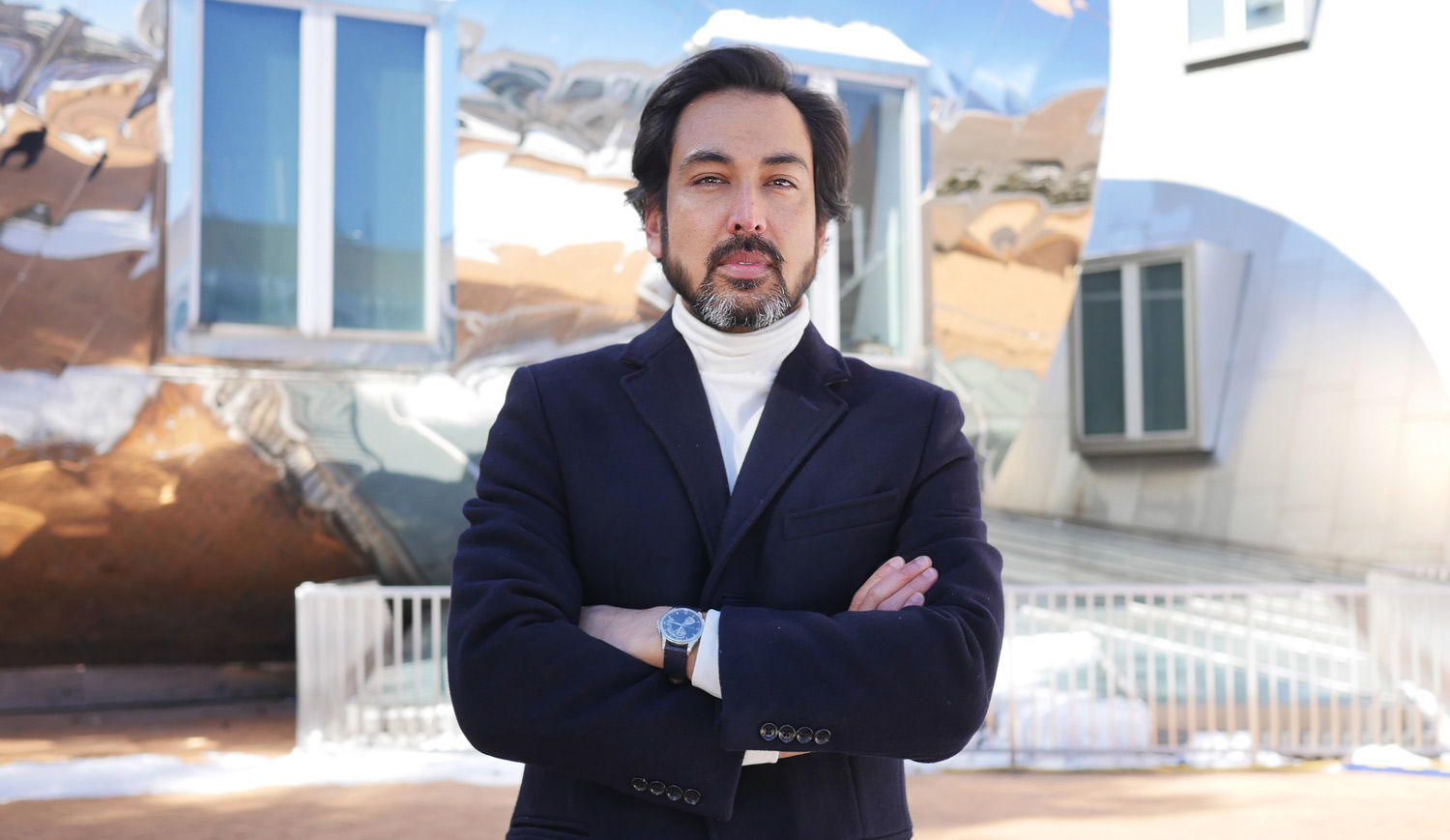
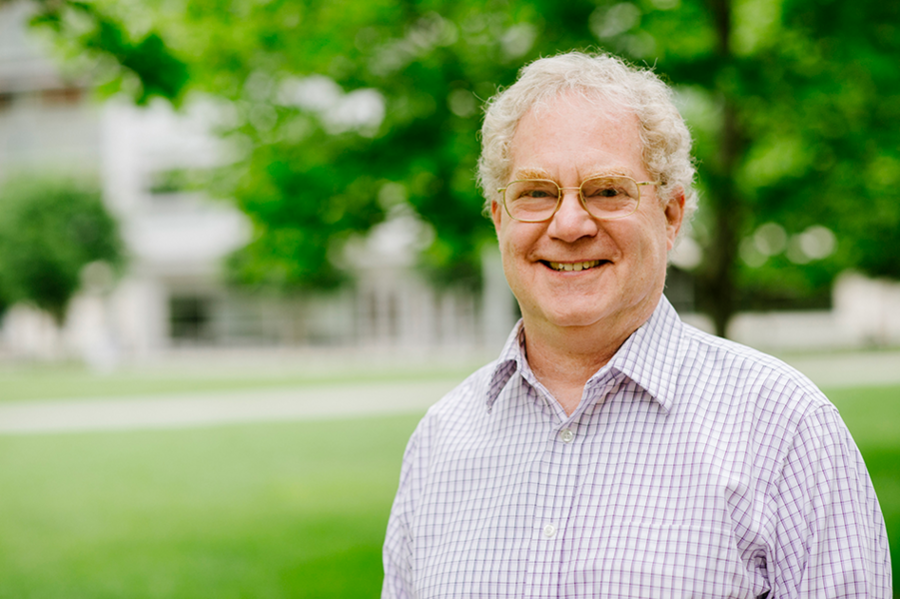
Why is the liver the only human organ that can regenerate? How does it know when it’s been injured? What can our understanding of the liver contribute to regenerative medicine? These are just some of the questions that new assistant professor of biology Kristin Knouse and her lab members are asking in their research at the Koch Institute for Integrative Cancer Research. Knouse sat down to discuss why the liver is so unique, what lessons we might learn from the organ, and what its regeneration might teach us about cancer.
Q: Your lab is interested in questions about how body tissues sense and respond to damage. What is it about the liver that makes it a good tool to model those questions?
A: I’ve always felt that we, as scientists, have so much to gain from treasuring nature’s exceptions, because those exceptions can shine light onto a completely unknown area of biology and provide building blocks to confer such novelty to other systems. When it comes to organ regeneration in mammals, the liver is that exception. It is the only solid organ that can completely regenerate itself. You can damage or remove over 75 percent of the liver and the organ will completely regenerate in a matter of weeks. The liver therefore contains the instructions for how to regenerate a solid organ; however, we have yet to access and interpret those instructions. If we could fully understand how the liver is able to regenerate itself, perhaps one day we could coax other solid organs to do the same.
There are some things we already know about liver regeneration, such as when it begins, what genes are expressed, and how long it takes. However, we still don’t understand why the liver can regenerate but other organs cannot. Why is it that these fully differentiated liver cells — cells that have already assumed specialized roles in the liver — can re-enter the cell cycle and regenerate the organ? We don’t have a molecular explanation for this. Our lab is working to answer this fundamental question of cell and organ biology and apply our discoveries to unlock new approaches for regenerative medicine. In this regard, I don’t necessarily consider myself exclusively a liver biologist, but rather someone who is leveraging the liver to address this much broader biological problem.
Q: As an MD/PhD student, you conducted your graduate research in the lab of the late Professor Angelika Amon here at MIT. How did your work in her lab lead to an interest in studying the liver’s regenerative capacities?
A: What was incredible about being in Angelika’s lab was that she had an interest in almost everything and gave me tremendous independence in what I pursued. I began my graduate research in her lab with an interest in cell division, and I was doing experiments to observe how cells from different mammalian tissues divide. I was isolating cells from different mouse tissues and then studying them in culture. In doing that, I found that when the cells were isolated and grown in a dish they could not segregate their chromosomes properly, suggesting that the tissue environment was essential for accurate cell division. In order to further study and compare these two different contexts — cells in a tissue versus cells in culture — I was keen to study a tissue in which I could observe a lot of cells undergoing cell division at the same time.
So I thought back to my time in medical school, and I remembered that the liver has the ability to completely regenerate itself. With a single surgery to remove part of the liver, I could stimulate millions of cells to divide. I therefore began exploiting liver regeneration as a means of studying chromosome segregation in tissue. But as I continued to perform surgeries on mice and watch the liver rapidly regenerate itself, I couldn’t help but become absolutely fascinated by this exceptional biological process. It was that fascination with this incredibly unique but poorly understood phenomenon — alongside the realization that there was a huge, unmet medical need in the area of regeneration — that convinced me to dedicate my career to studying this.
Q: What kinds of clinical applications might a better understanding of organ regeneration lead to, and what role do you see your lab playing in that research?
A: The most proximal medical application for our work is to confer regenerative capacity to organs that are currently non-regenerative. As we begin to achieve a molecular understanding of how and why the liver can regenerate, we put ourselves in a powerful position to identify and surmount the barriers to regeneration in non-regenerative tissues, such as the heart and nervous system. By answering these complementary questions, we bring ourselves closer to the possibility that, one day, if someone has a heart attack or a spinal cord injury, we could deliver a therapy that stimulates the tissue to regenerate itself. I realize that may sound like a moonshot now, but I don’t think any problem is insurmountable so long as it can be broken down into a series of tractable questions.
Beyond regenerative medicine, I believe our work studying liver regeneration also has implications for cancer. At first glance this may seem counterintuitive, as rapid regrowth is the exact opposite of what we want cancer cells to do. However, the reality is that the majority of cancer-related deaths are attributable not to the rapidly proliferating cells that constitute primary tumors, but rather to the cells that disperse from the primary tumor and lie dormant for years before manifesting as metastatic disease and creating another tumor. These dormant cells evade most of the cancer therapies designed to target rapidly proliferating cells. If you think about it, these dormant cells are not unlike the liver: they are quiet for months, maybe years, and then suddenly awaken. I hope that as we start to understand more about the liver, we might learn how to target these dormant cancer cells, prevent metastatic disease, and thereby offer lasting cancer cures.
December 14, 2021
December 5, 2021

After meeting at the University of Puerto Rico at Mayagüez, José McFaline-Figueroa and Nelly Cruz came to MIT to kick-start accomplished careers as biologists
Grace van Deelen
December 3, 2021
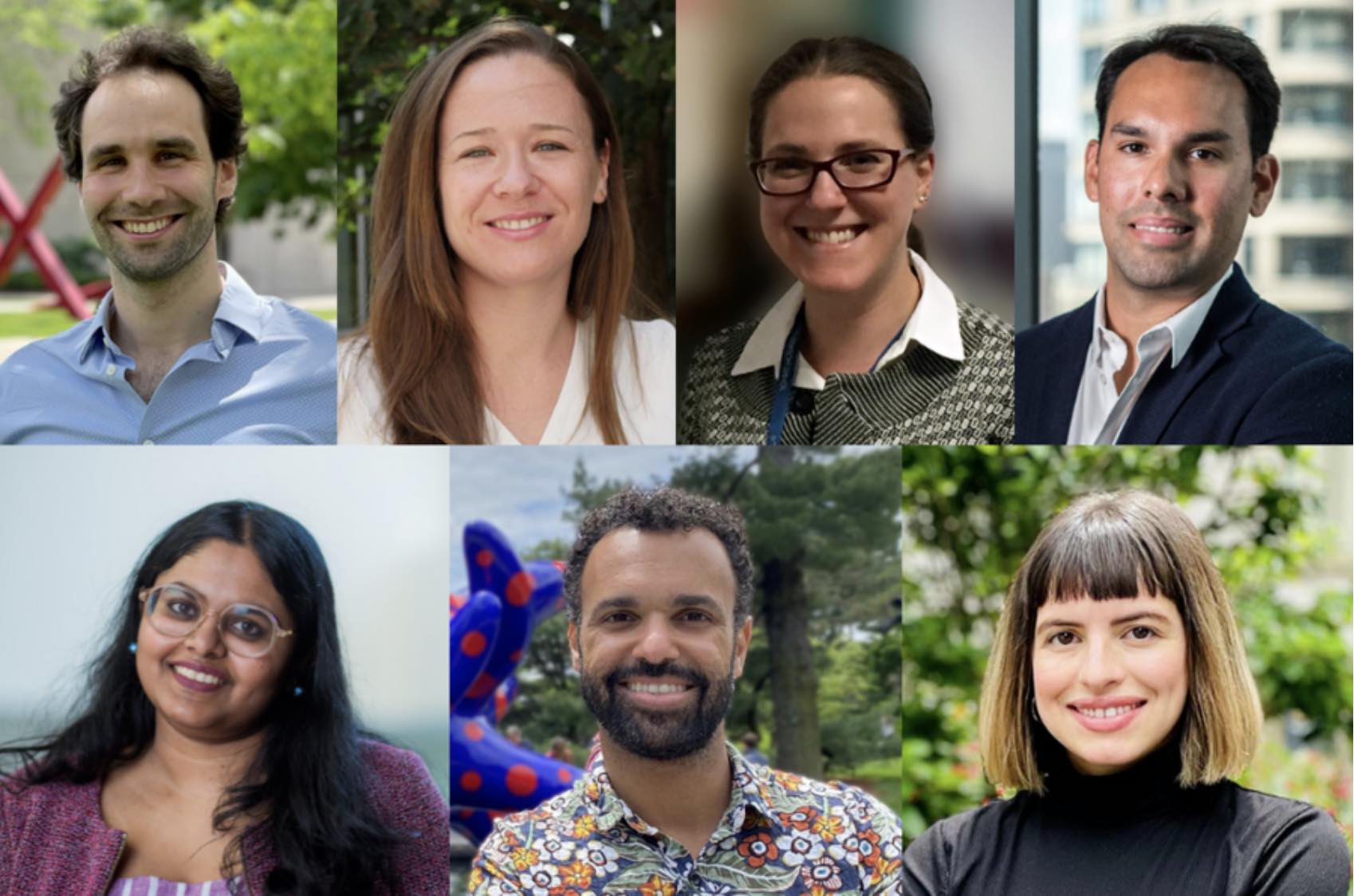
When biologists José McFaline-Figueroa PhD ’14 and Nelly Cruz PhD ’11 are sitting at the dinner table with their five-year-old daughter, they might be discussing which experiments may work in lab, how to improve each other’s protocols, or even what new model of microscope to buy. Although they work at separate institutions, they both study how cells respond to disease and disease therapy, which allows them to learn a lot from each other. “We’ve found that it works for us to be able to collaborate and work together,” McFaline-Figueroa says. “It maybe doesn’t make for the best dinner conversation for our daughter, though.”
Cruz and McFaline-Figueroa’s teamwork has helped them navigate the journey from undergrad at the University of Puerto Rico at Mayagüez (UPRM), where they met, to graduate school at MIT, and all the way to their current jobs. “There are always opportunities to learn from each other,” Cruz says.
As a senior research scientist at Sloan Kettering Institute (SKI) in New York City, Cruz studies melanoma, a type of skin cancer, using zebrafish. She and her colleagues at SKI are interested in developing new ways to model melanoma, as well as studying its disease progression and looking for possible new avenues to develop melanoma therapeutics. Meanwhile, as an assistant professor at Columbia University, McFaline-Figueroa’s biomedical engineering research focuses on defining how cancer cells respond to anti-cancer therapies, and how those responses relate to genetic differences among cancer cells. While McFaline-Figueroa brings a computational biology lens to Cruz’s work, Cruz helps him determine which model systems might be best for his research.
Set from the start
Cruz and McFaline-Figueroa both grew up in Puerto Rico: Cruz in San Sebastián and McFaline-Figueroa in San Germán and Sabana Grande. From an early age, they were both interested in science and math. Cruz had a penchant for animals in particular. Living in the northwest part of the island, she was surrounded by a rural, quiet environment where she had plenty of exposure to the natural world. There, she would read her grandfather’s encyclopedias, and was fascinated by the wildlife. The snow leopard was her favorite — mysterious and elusive, it inspired her to be curious about the biological phenomena around her.
In addition to his encyclopedias, her grandfather’s support and enthusiasm for learning was also key to Cruz’s upbringing. “He was basically the only one in his family to go to college, so he had this desire to learn,” Cruz says. His support, combined with her parents’ encouragement, gave Cruz the confidence to aspire to a career in science. “They always believed in me and always encouraged me to pursue whatever I wanted to pursue.”
When it came time to decide what path to follow in college at UPRM, it was clear to Cruz that the biological sciences were the way forward. From 2003 to 2005, Cruz became involved in a research training program called Maximizing Access to Research Careers (MARC), which was sponsored by the National Institutes of Health. Her mentors in the MARC program encouraged her to complete summer research at institutions in the U.S. According to Cruz, this early exposure to research helped her realize that being a scientist could be a viable career option. Through this program, she was able to visit MIT as an undergraduate and meet Professor of Biology Steve Bell and Director of Diversity and Outreach Mandana Sassanfar.
“It was a very positive interaction,” Cruz says. “The more I learned about the program at MIT, the more interested and excited I got about it.” The interactions she had at the Department of Biology really resonated with her, so she made the choice to come to MIT for her PhD.
Like Cruz, McFaline-Figueroa was also interested in math and science from a young age, and his parents and grandparents were also key to that early interest. “Every afternoon my grandmother was the one who would say, “Well, have you done your homework?”’ he says. “She was the person mostly in charge of that.”
Cruz and McFaline-Figueroa met through McFaline-Figueroa’s brother during their first year at UPRM, and McFaline-Figueroa attributes his eventual interest in biology to seeing his brother and Cruz succeed in their research pursuits. “The fact that Nelly and others around us were on that path fed me information indirectly,” McFaline-Figueroa says. “I started to realize, ‘Wow, that’s so cool. I should be doing it as well.’” Inspired, he joined the lab of UPRM biochemistry professor Joseph Bonaventura, who introduced him to biomedical research. His interest was piqued, and his path as a scientist began to take shape.
Exploring the reaches of biology
Cruz was accepted to the MIT Department of Biology directly after graduating from UPRM in 2005, and began working under Jaqueline Lees, the Virginia and D. K. Ludwig Professor for Cancer Research. There, Cruz used zebrafish to study how cells regulate different parts of their life cycles, with a particular focus on cell division.
During her time in the Lees lab, she remembers collaborating closely with other graduate students and postdocs, as well as with particularly influential mentors. Emblematic of her collaborative career, she says, was her thesis defense.

“It was so emotional for me to be able to not only present my work, but also to acknowledge all the people who helped with my work,” she says. “It really marked an important time when I realized I was able to accomplish these goals in an environment that allowed me to grow professionally and also personally.” Lees’ mentorship was particularly influential, and helped Cruz build confidence and professional skills that she continues to carry with her today.
Meanwhile, McFaline-Figueroa was inspired by Nelly’s work, as well as the experiences of his brother, who had participated in the MIT Summer Research Program in Biology. McFaline-Figueroa had studied chemistry at UPRM, and needed to establish himself as a biologist before applying to PhD programs. So, in 2006, he landed a research technician position at MIT with Peter Dedon, the Underwood-Prescott Professor of Biological Engineering. There, McFaline-Figueroa used mass spectrometry to measure the genetic damage that exposure to cancer therapies did to cells — a research approach that was totally new to him.
While he was doing this research, he was able to work on some projects with an accomplished molecular biologist who would later become one of his PhD advisors: Leona Samson, who is currently a professor emerita in the departments of Biological Engineeering and Biology. McFaline-Figueroa says this less formal experience was a huge part of how he honed his research interests. “It gave me the opportunity to explore what it was that I wanted to study,” he says. “Then I was lucky enough, two years later, to be admitted to the PhD program in biology.”
As a PhD student, McFaline-Figueroa was jointly advised by Samson and Professor of Biological Engineering Forest White, and studied how an aggressive type of brain cancer responded to different therapies. He says it was exciting to navigate the questions at the intersection of the two very different labs. The supportive atmospheres of the Samson and White labs helped him develop his confidence and independence as a researcher. “My advisors were both very gracious and made sure that I was progressing while also giving me space, which worked well for me,” he says.
Full circle
In 2011, Cruz graduated from MIT with her PhD, then moved on to a postdoc position at the Schepens Eye Research Institute in Boston. There, she pivoted to the field of ophthalmology, and began studying murine models to understand how genes regulate disease progression in the retina. Then, in 2013, she took a job as a biology instructor at MIT, overseeing students in laboratory courses. Afterwards, she pivoted yet again to a position as a research scientist at the University of Washington, where she studied models of kidney disease using pluripotent stem cells.
Cruz feels that her work has now come full circle, and that, at SKI, she’s working on questions she was excited about during her time at MIT. However, now she has even more knowledge and skills to push those questions further — and more advanced tools to answer them.
“It’s really, really exciting to be able to use the novel technologies that have been developed since then, especially with the advancement of the genome editing tools we now have available,” she says. “I’m using all the different skills I have learned in my past research experiences, and I can see how it all comes together in my current projects.”
After McFaline-Figueroa completed his PhD in 2014, he made his own transition: from molecular cell biology to single cell genomics. Working as a postdoc at the University of Washington in Cole Trapnell’s lab, McFaline-Figueroa decided to explore computational biology a bit more, after gaining confidence in his skills as a researcher from his time at MIT.
“There was a very broad view that I was able to get at MIT by learning so many different possible approaches to tackle one problem,” he says. “That really gave me the courage to explore this other field.” He says that, in his recent search for an assistant professorship before beginning at Columbia, he also prioritized finding a place where people take “varying approaches to tackle the questions they’re interested in.”
Today, McFaline-Figueroa is happy to be applying the skills and methods he learned at MIT to his own lab. “It’s very exciting when you start seeing your research become this comprehensive story,” he says. Over time, he says, he’s enjoyed seeing the full picture come together.
It helps, too, that Cruz has been there throughout the journey. “I’ve learned a ton from Nelly’s work over the years,” he says. Cruz feels the same. “I also learn a lot from José, he’s been super helpful.”
Whether their daughter is showing scientist tendencies, though, is to be determined. “We’ll let her make that choice,” McFaline-Figueroa says.
Posted: 12.2.21

Eva Frederick | Whitehead Institute
December 2, 2021
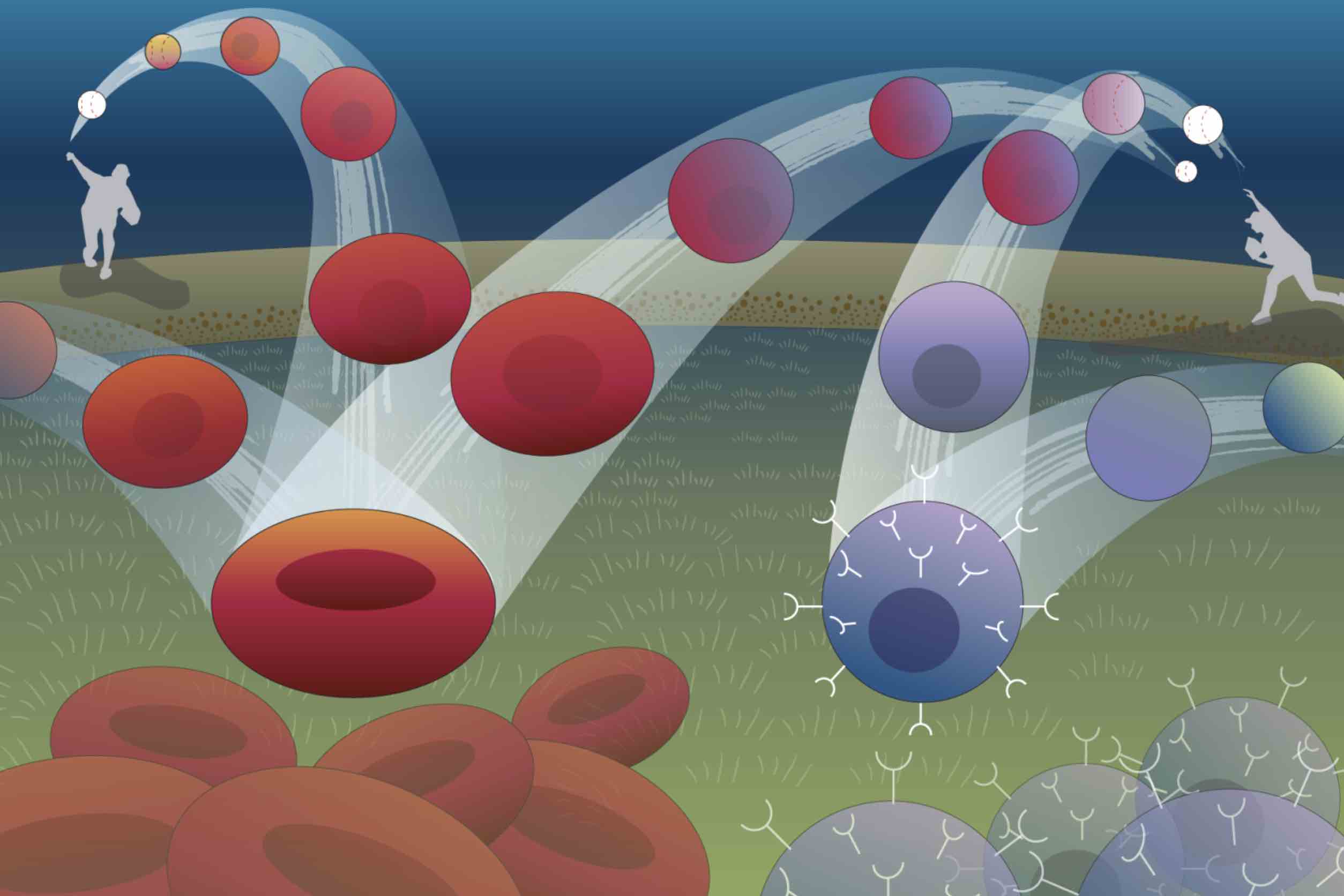
Humans need oxygen molecules for a process called cellular respiration, which takes place in our cells’ mitochondria. Through a series of reactions called the electron transport chain, electrons are passed along in a sort of cellular relay race, allowing the cell to create ATP, the molecule that gives our cells energy to complete their vital functions.
At the end of this chain, two electrons remain, which are typically passed off to oxygen, the “terminal electron acceptor.” This completes the reaction and allows the process to continue with more electrons entering the electron transport chain.
In the past, however, scientists have noticed that cells are able to maintain some functions of the electron transport chain, even in the absence of oxygen. “This indicated that mitochondria could actually have partial function, even when oxygen is not the electron acceptor,” said Whitehead Institute postdoctoral researcher Jessica Spinelli. “We wanted to understand, how does this work? How are mitochondria capable of maintaining these electron inputs when oxygen is not the terminal electron acceptor?”
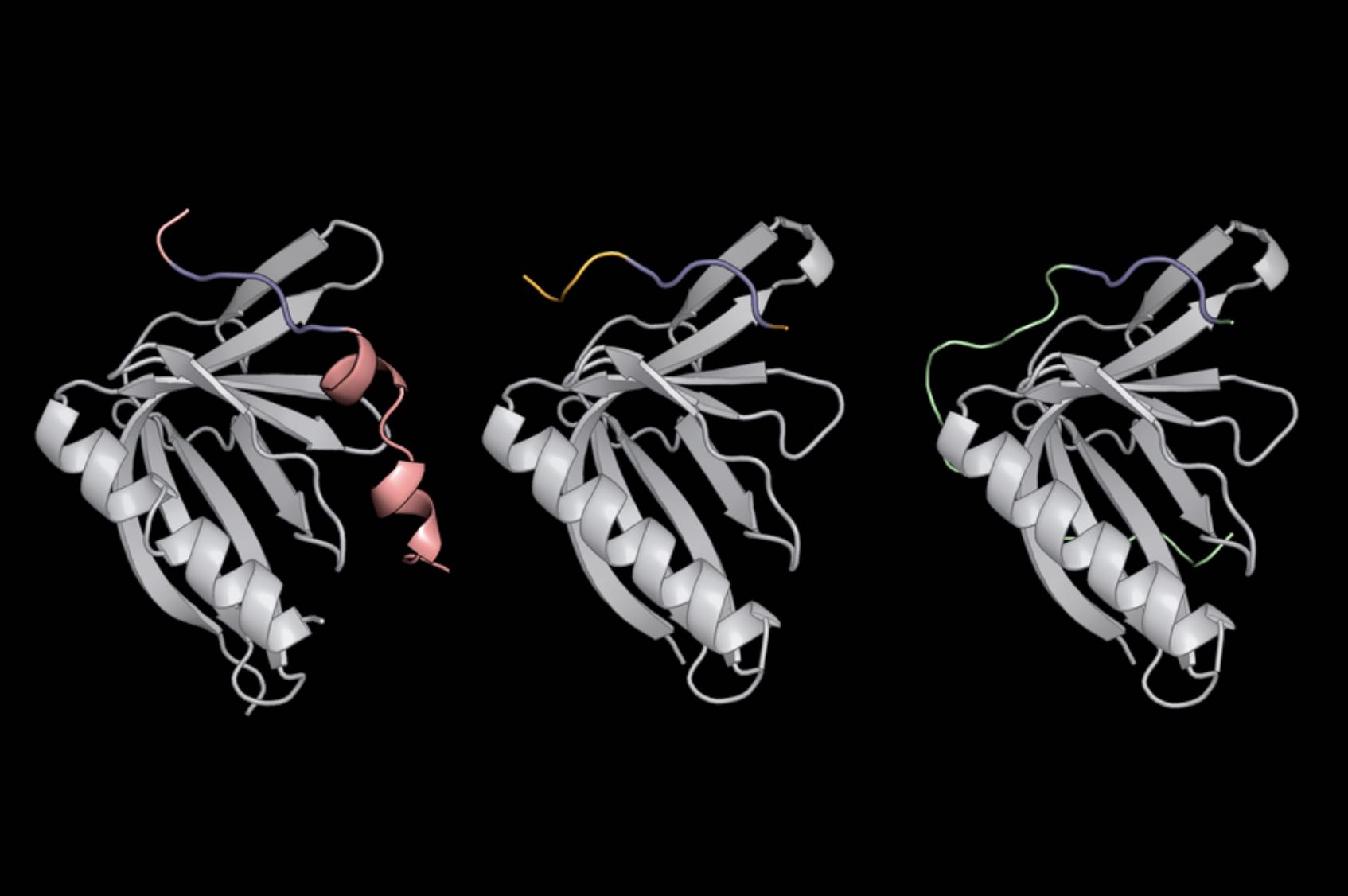
In a paper published December 2 in the journal Science, Whitehead Institute scientists and collaborators led by Spinelli have found the answer to these questions. Their research shows that when cells are deprived of oxygen, another molecule called fumarate can step in and serve as a terminal electron acceptor to enable mitochondrial function in this environment. The research, which was completed in the laboratory of former Whitehead Member David Sabatini, answers a long-standing mystery in the field of cellular metabolism, and could potentially inform research into diseases that cause low oxygen levels in tissues, including ischemia, diabetes and cancer.
A new runner in the cellular relay
The researchers began their investigation into how cells can maintain mitochondrial function without oxygen by using mass spectrometry to measure the quantities of molecules called metabolites that are produced through cellular respiration in both normal and low-oxygen conditions. When cells were deprived of oxygen, researchers noticed a high level of a molecule called succinate.
When you add electrons to oxygen at the end of the electron transport chain, it picks up two protons and becomes water. When you add electrons to fumarate, it becomes succinate. “This led us to think that maybe this accumulation of succinate that’s occurring could actually be caused by fumarate being used as an electron acceptor, and that this reaction could explain the maintenance of mitochondrial functions in hypoxia,” Spinelli said.
Usually, the fumarate-succinate reaction runs the other direction in cells — a protein complex called the SDH complex takes away electrons from succinate, leaving fumarate. For the opposite to happen, the SDH complex would need to be running in reverse. “Although the SDH complex is known to catalyze some fumarate reduction, it was thought that it was thermodynamically impossible for this SDH complex to undergo a net reversal,” Spinelli said. “Fumarate is used as an electron acceptor in lower eukaryotes, but they use a totally different enzyme and electron carrier, and mammals are not known to possess either of these.”
Through a series of assays, however, the researchers were able to ascertain that this complex was indeed running in reverse in cultured cells, largely due to accumulation of a molecule called ubiquinol, which the researchers observed to build up under low-oxygen conditions.
With their hypothesis confirmed, “We wanted to get back to our initial question and ask, does that net reversal of the SDH complex maintain mitochondrial functions which are happening when cells are exposed to hypoxia?” said Spinelli. “So, we knocked out SDH complex and then we demonstrated through a number of means that loss of both oxygen and fumarate as an electron acceptors was sufficient to [bring the electron transport chain to a halt].”
All this work was done in cultured cells, so the next step for Spinelli and collaborators was to study whether fumarate could serve as a terminal electron acceptor in mouse models.
When they tried this, the team uncovered something interesting: some, but not all, of the mice’s tissues were able to successfully reverse the activity of the SDH complex and perform mitochondrial functions using fumarate as a terminal electron acceptor.
“What was really cool to see is that there were three tissues — the kidney, the liver, and the brain — which on a bulk tissue scale, are operating the SDH complex in a backwards direction, even at physiological oxygen levels,” said Spinelli. In other words, even in normal conditions, these tissues were reducing both fumarate and oxygen to maintain their functions, and when deprived of oxygen, fumarate could take over as a terminal electron acceptor.
In contrast, tissues such as the heart and the skeletal muscle are able to perform minimal fumarate reduction without reversing the SDH complex, but not to the extent that they could effectively retain mitochondrial function when deprived of oxygen.
“We think there’s a lot of exciting work downstream of this to figure out how exactly this process is regulated differently in different tissues — and understanding in disease settings whether the SDH complex is operating in the net reverse direction,” Spinelli said.
In particular, Spinelli is interested in studying the behavior of the SDH complex in cancer cells.
“Certain regions of solid tumors have very low levels of oxygen, and certain regions have high levels of oxygen,” Spinelli said. “It’s interesting to think about how those cells are surviving in that microenvironment — are they using fumarate as an electron acceptor to enable cell survival?”
December 2, 2021
December 1, 2021

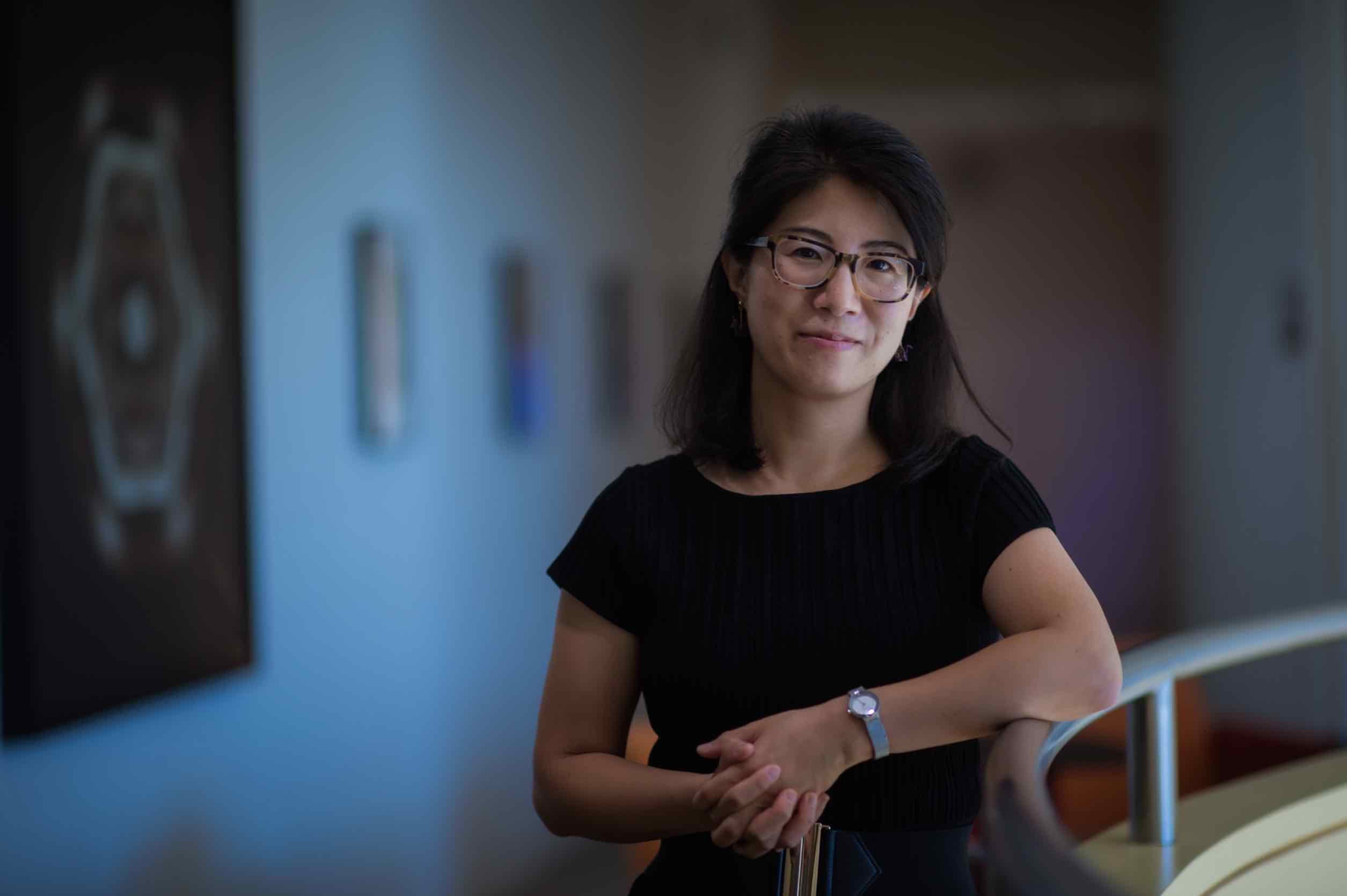
Nine MIT researchers selected as finalists for 2021 prize supported by Northpond Ventures; grand prize winner to receive $250K toward commercializing her human health-related invention.
Kate S. Petersen | School of Engineering
November 30, 2021
In a fitting sequel to its entrepreneurship “boot camp” educational lecture series last fall, the MIT Future Founders Initiative has announced the MIT Future Founders Prize Competition, supported by Northpond Ventures, and named the MIT faculty cohort that will participate in this year’s competition. The Future Founders Initiative was established in 2020 to promote female entrepreneurship in biotech.
Despite increasing representation at MIT, female science and engineering faculty found biotech startups at a disproportionately low rate compared with their male colleagues, according to research led by the initiative’s founders, MIT Professor Sangeeta Bhatia, MIT Professor and President Emerita Susan Hockfield, and MIT Amgen Professor of Biology Emerita Nancy Hopkins. In addition to highlighting systemic gender imbalances in the biotech pipeline, the initiative’s founders emphasize that the dearth of female biotech entrepreneurs represents lost opportunities for society as a whole — a bottleneck in the proliferation of publicly accessible medical and technological innovation.
“A very common myth is that representation of women in the pipeline is getting better with time … We can now look at the data … and simply say, ‘that’s not true’,” said Bhatia, who is the John and Dorothy Wilson Professor of Health Sciences and Technology and Electrical Engineering and Computer Science, and a member of MIT’s Koch Institute for Integrative Cancer Research and the Institute for Medical Engineering and Science, in an interview for the March/April 2021 MIT Faculty Newsletter. “We need new solutions. This isn’t just about waiting and being optimistic.”
Inspired by generous funding from Northpond Labs, the research and development-focused affiliate of Northpond Ventures, and by the success of other MIT prize incentive competitions such as the Climate Tech and Energy Prize, the Future Founders Initiative Prize Competition will be structured as a learning cohort in which participants will be supported in commercializing their existing inventions with instruction in market assessments, fundraising, and business capitalization, as well as other programming. The program, which is being run as a partnership between the MIT School of Engineering and the Martin Trust Center for MIT Entrepreneurship, provides hands-on opportunities to learn from industry leaders about their experiences, ranging from licensing technology to creating early startup companies. Bhatia and Kit Hickey, an entrepreneur-in-residence at the Martin Trust Center and senior lecturer at the MIT Sloan School of Management, are co-directors of the program.
“The competition is an extraordinary effort to increase the number of female faculty who translate their research and ideas into real-world applications through entrepreneurship,” says Anantha Chandrakasan, dean of the MIT School of Engineering and Vannevar Bush Professor of Electrical Engineering and Computer Science. “Our hope is that this likewise serves as an opportunity for participants to gain exposure and experience to the many ways in which they could achieve commercial impact through their research.”
At the end of the program, the cohort members will pitch their ideas to a selection committee composed of MIT faculty, biotech founders, and venture capitalists. The grand prize winner will receive $250,000 in discretionary funds, and two runners-up will receive $100,000. The winners will be announced at a showcase event, at which the entire cohort will present their work. All participants will also receive a $10,000 stipend for participating in the competition.
“The biggest payoff is not identifying the winner of the competition,” says Bhatia. “Really, what we are doing is creating a cohort … and then, at the end, we want to create a lot of visibility for these women and make them ‘top of mind’ in the community.”
The Selection Committee members for the MIT Future Founders Prize Competition are:
- Bill Aulet, professor of the practice in the MIT Sloan School of Management and managing director of the Martin Trust Center for MIT Entrepreneurship
- Sangeeta Bhatia, the John and Dorothy Wilson Professor of Electrical Engineering and Computer Science at MIT; a member of MIT’s Koch Institute for Integrative Cancer Research and the Institute for Medical Engineering and Science; and founder of Hepregen, Glympse Bio, and Satellite Bio
- Kit Hickey, senior lecturer in the MIT Sloan School of Management and entrepreneur-in-residence at the Martin Trust Center
- Susan Hockfield, MIT president emerita and professor of neuroscience
- Andrea Jackson, director at Northpond Ventures
- Harvey Lodish, professor of biology and biomedical engineering at MIT and founder of Genzyme, Millennium, and Rubius
- Fiona Murray, associate dean for innovation and inclusion in the MIT Sloan School of Management; the William Porter Professor of Entrepreneurship; co-director of the MIT Innovation Initiative; and faculty director of the MIT Legatum Center
- Amy Schulman, founding CEO of Lyndra Therapeutics and partner at Polaris Partners
- Nandita Shangari, managing director at Novartis Venture Fund
“As an investment firm dedicated to supporting entrepreneurs, we are acutely aware of the limited number of companies founded and led by women in academia. We believe humanity should be benefiting from brilliant ideas and scientific breakthroughs from women in science, which could address many of the world’s most pressing problems. Together with MIT, we are providing an opportunity for women faculty members to enhance their visibility and gain access to the venture capital ecosystem,” says Andrea Jackson, director at Northpond Ventures.
“This first cohort is representative of the unrealized opportunity this program is designed to capture. While it will take a while to build a robust community of connections and role models, I am pleased and confident this program will make entrepreneurship more accessible and inclusive to our community, which will greatly benefit society,” says Susan Hockfield, MIT president emerita.
The MIT Future Founders Prize Competition cohort members were selected from schools across MIT, including the School of Science, the School of Engineering, and Media Lab within the School of Architecture and Planning. They are:
Polina Anikeeva is professor of materials science and engineering and brain and cognitive sciences, an associate member of the McGovern Institute for Brain Research, and the associate director of the Research Laboratory of Electronics. She is particularly interested in advancing the possibility of future neuroprosthetics, through biologically-informed materials synthesis, modeling, and device fabrication. Anikeeva earned her BS in biophysics from St. Petersburg State Polytechnic University and her PhD in materials science and engineering from MIT.
Natalie Artzi is principal research scientist in the Institute of Medical Engineering and Science and an assistant professor in the department of medicine at Brigham and Women’s Hospital. Through the development of smart materials and medical devices, her research seeks to “personalize” medical interventions based on the specific presentation of diseased tissue in a given patient. She earned both her BS and PhD in chemical engineering from the Technion-Israel Institute of Technology.
Laurie A. Boyer is professor of biology and biological engineering in the Department of Biology. By studying how diverse molecular programs cross-talk to regulate the developing heart, she seeks to develop new therapies that can help repair cardiac tissue. She earned her BS in biomedical science from Framingham State University and her PhD from the University of Massachusetts Medical School.
Tal Cohen is associate professor in the departments of Civil and Environmental Engineering and Mechanical Engineering. She wields her understanding of how materials behave when they are pushed to their extremes to tackle engineering challenges in medicine and industry. She earned her BS, MS, and PhD in aerospace engineering from the Technion-Israel Institute of Technology.
Canan Dagdeviren is assistant professor of media arts and sciences and the LG Career Development Professor of Media Arts and Sciences. Her research focus is on creating new sensing, energy harvesting, and actuation devices that can be stretched, wrapped, folded, twisted, and implanted onto the human body while maintaining optimal performance. She earned her BS in physics engineering from Hacettepe University, her MS in materials science and engineering from Sabanci University, and her PhD in materials science and engineering from the University of Illinois at Urbana-Champaign.
Ariel Furst is the Raymond (1921) & Helen St. Laurent Career Development Professor in the Department of Chemical Engineering. Her research addresses challenges in global health and sustainability, utilizing electrochemical methods and biomaterials engineering. She is particularly interested in new technologies that detect and treat disease. Furst earned her BS in chemistry at the University of Chicago and her PhD at Caltech.
Kristin Knouse is assistant professor in the Department of Biology and the Koch Institute for Integrative Cancer Research. She develops tools to investigate the molecular regulation of organ injury and regeneration directly within a living organism with the goal of uncovering novel therapeutic avenues for diverse diseases. She earned her BS in biology from Duke University, her PhD and MD through the Harvard and MIT MD-PhD program.
Elly Nedivi is the William R. (1964) & Linda R. Young Professor of Neuroscience at the Picower Institute for Learning and Memory with joint appointments in the departments of Brain and Cognitive Sciences and Biology. Through her research of neurons, genes, and proteins, Nedivi focuses on elucidating the cellular mechanisms that control plasticity in both the developing and adult brain. She earned her BS in biology from Hebrew University and her PhD in neuroscience from Stanford University.
Ellen Roche is associate professor in the Department of Mechanical Engineering and Institute of Medical Engineering and Science, and the W.M. Keck Career Development Professor in Biomedical Engineering. Borrowing principles and design forms she observes in nature, Roche works to develop implantable therapeutic devices that assist cardiac and other biological function. She earned her bachelor’s degree in biomedical engineering from the National University of Ireland at Galway, her MS in bioengineering from Trinity College Dublin, and her PhD from Harvard University.