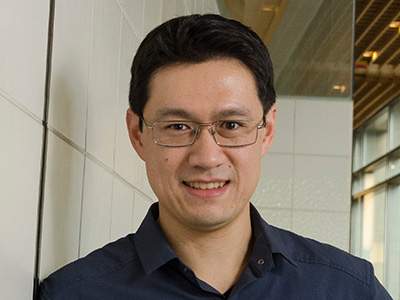
Gene-Wei Li named 2024 HHMI Investigator

HHMI award will help Department of Biology faculty unravel the mysteries of precision gene expression across the proteome

Noah Daly | Department of Biology
July 23, 2024

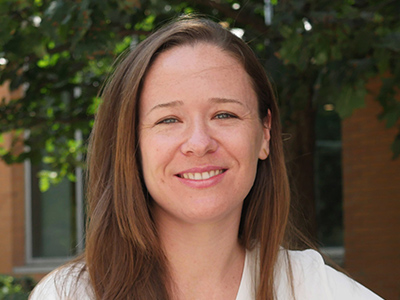
To better understand how cells precisely control the levels of their proteins, Associate Professor Gene-Wei Li utilizes rigorous quantitative analysis to improve our molecular understandings of life. With the support he’ll receive as an HHMI Investigator, Li will explore how genomes are sculpted to allow lifeforms to survive in a competitive environment.

As versatile and durable as cells are, their every function depends on producing precise quantities of proteins. These proteins enable the cells to perform their functions, their organelles to work, and tell the cells when to grow or decompose. Without precise instructions for how much protein they need to generate, organisms would struggle to self-regulate efficiently, rendering them incapable of becoming competitive life forms. These “recipes” for protein production are written into the genetic code of all life. Recent advances in DNA sequencing have identified every protein an organism can produce–every “ingredient” in the genetic cookbook. Despite these significant advances, researchers still don’t know how to read the instructions. 

Since opening his lab at MIT in 2015, Associate Professor of Biology Gene-Wei Li has been working, among other things, on quantifying the amount of proteins cells produce and how that process is orchestrated within the cell. 

“The goal that we hope to achieve,” Li says, “is to read the genomic sequence and accurately tell you not just what types of proteins are made, but also how many of them will be made.” 

Li was recently named a 2024 Howard Hughes Medical Institute Investigator, one of 26 newly appointed Investigators hailing from 19 institutions. Each HHMI Investigator will receive roughly $11 million in support over a seven-year term, potentially renewable indefinitely. This support includes their full salary and benefits, a generous research budget, scientific equipment, and additional resources. 

“I feel grateful for the extremely supportive environment in my department,” Li says. “This award is also a recognition for the hard work and risk-taking by my lab’s current and past trainees.” 

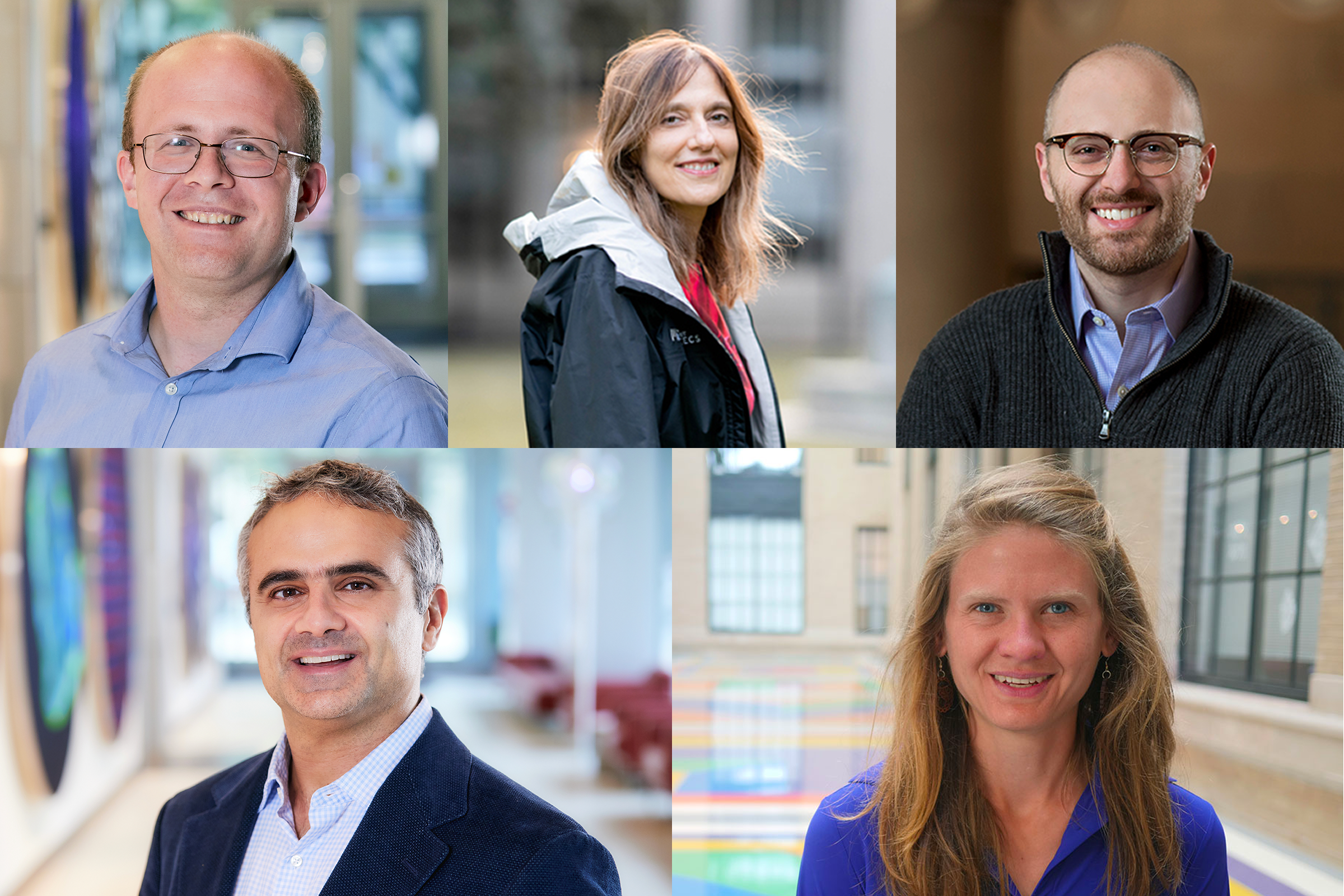
Other MIT School of Science faculty joining the 2024 cohort include Mary Gehring, Professor of Biology and Core Member and David Baltimore Chair in Biomedical Research at the Whitehead Institute; Steven Flavell, Associate Professor of Brain and Cognitive Sciences and Investigator in the Picower Institute for Learning and Memory; and Mehrdad Jazayeri, Professor of Brain and Cognitive Sciences at the McGovern Institute.  

Of the nearly 1,000 researchers who applied to be HHMI investigators this year, successful applicants were selected for their singular accomplishments in scientific research. They receive extensive resources to continue their work at their home institution. HHMI enables scientists to pursue their work with extraordinary freedom, allowing them to expand their current efforts, pivot focus as needed, and execute original ideas. 

One of the hallmarks of Li’s lab is the devoted attention he gives to his students. Each member of the lab receives extensive guidance and mentorship, enabling them to pursue careers in science while sharing their ideas and concerns with fellow lab members and Li. For this inclusive culture, Li was honored by MIT as “Committed to Caring” for 2020-2021. 

“When scientists create environments in which others can thrive, we all benefit,” says HHMI President Erin O’Shea. “These newest HHMI Investigators are extraordinary, not only because of their outstanding research endeavors but also because they mentor and empower the next generation of scientists to work alongside them at the cutting edge.”  

In his lab, Li has emphasized the interweaving of individual achievement and the success of the group, creating a space for lab members to learn from one another, freely question their principal investigator, and ultimately make breakthroughs together. 

Discovery through Collaboration 

While Li’s lab was built around the question of quantifying a cell’s protein synthesis–that is, the amounts of all the proteins produced in a cell—his background is in physics. He approaches his work by making quantitative and systematic measurements (mainly with high-throughput DNA sequencing tools) and using that information to uncover fundamental molecular mechanisms in gene expression. 

The Li lab’s early work utilizing this methodology demonstrated that proteins that go on to form complexes are made in the correct ratios to immediately form complexes with few extra copies. 

Li’s team went on to discover that metabolic proteins are synthesized at precise ratios that are conserved across evolutionarily distant species, such as the two bacterial model organisms E. coli and B. subtilis. However, despite their shared output of protein production, the billions of years of evolution gave rise to two completely different ways to control protein quantity. 

In 2020, this line of research produced a study that contradicted the longstanding dogma of molecular biology that the machinery of protein synthesis and RNA polymerase work side by side in bacteria, which it does in E coli

According to Li, two of his graduate student researchers found that, in B. subtilis, the ribosome lags far behind RNA polymerase, a process the lab termed “runaway transcription.” They found that the coordination between transcription and translation is fundamentally different between E. coli and B. subtilis. They then identified bioinformatic signatures, revealing that this kind of uncoupling between transcription and translation is widespread across many species of bacteria. The students, Grace Johnson, a former graduate student in the Department of Biology, and Jean-Benoît Lalanne, a former graduate student in the Department of Physics, were the lead authors of the paper, which appeared in Nature

 “This is very exciting stuff, but all the credit goes to my grad students,” Li chuckles. 

Finding the Room to Be Bold 

The support from Howard Hughes Medical Institute enables Li and his team the flexibility to pursue the basic research that leads to discoveries. 

“Having this award really allows us to be bold and to do things at a scale that wasn’t possible before. The discovery of runaway transcription is a great example of this,” Li says.  

Li plans on using the funds made available from HHMI to help determine how functionally related genes differ in their expression and how signals are encoded in the genome at the DNA and RNA levels. According to Li, the collection of high-quality and system-wide data is essential to making discoveries in his field. 

“I’m incredibly grateful to HHMI for encouraging us to pursue this work and follow the science wherever it leads us,” he says. 

Li and his team are as eager as ever to understand life’s coded cookbook. 

“The work of science begins with great people,” Li says. “This award will help ensure our lab continues to be a place where incredible young scientists can work together to achieve miraculous things.” 
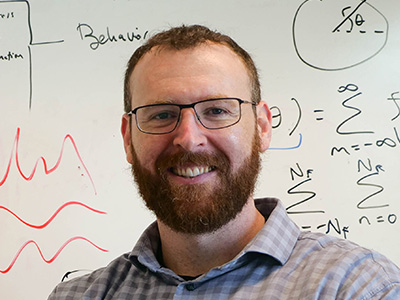
Brady Weissbourd named Searle Scholar

With an eye on regenerative medicine, Weissbourd's lab will study how jellyfish manage to constantly integrate new neurons into their nervous system.

David Orenstein | The Picower Institute for Learning and Memory
July 8, 2024

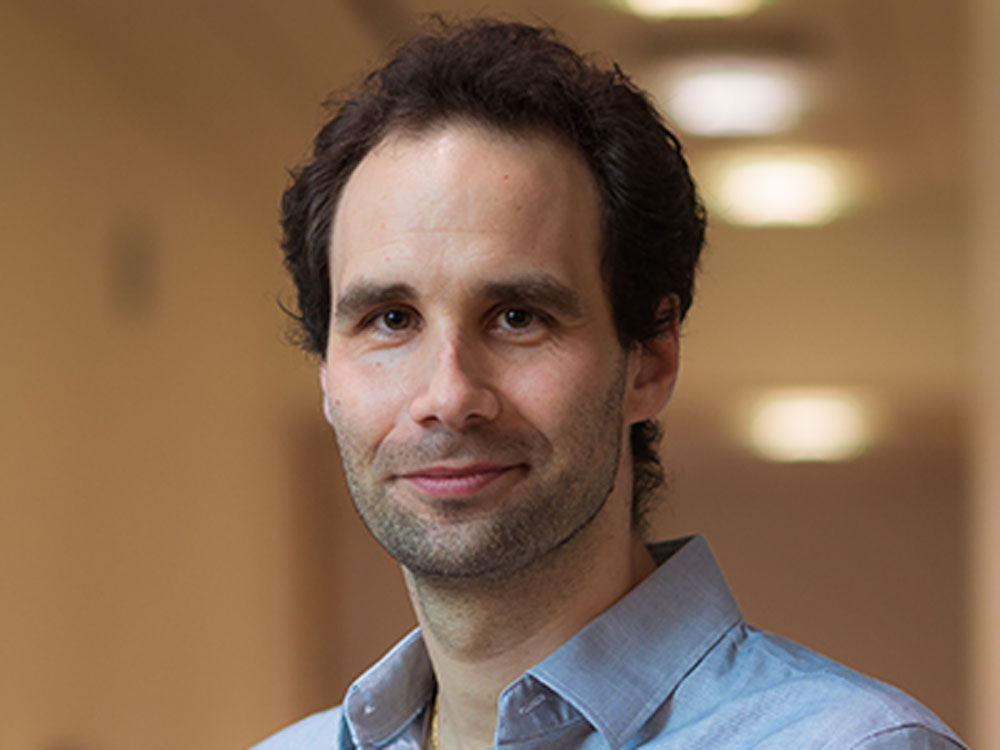
Scientists who dream of a future in which regenerative medicine has advanced enough to enable repairs in human nervous systems currently have more questions than answers. As a recently named Searle Scholar, MIT Assistant Professor Brady Weissbourd will seek to learn some of the needed fundamentals by studying a master of neural regeneration: the jellyfish, Clytia hemisphaerica.

Weissbourd, a faculty member in the Department of Biology and The Picower Institute for Learning and Memory, has helped to pioneer use of the seafaring species in neuroscience research for many reasons. It is transparent for easy imaging, reproduces rapidly, and shares many basic nervous system properties with mammals despite diverging evolutionarily 600 million years ago (just after the development of the earliest nervous systems). Meanwhile, with about 10,000 neurons, the jellyfish fills a gap in the field in terms of that degree of complexity.

But what Weissbourd didn’t appreciate until he began experimenting with the jellyfish was that they are also incredibly good at refreshing and rebuilding their nervous systems with new cells. After becoming the first researcher to develop the ability to genetically manipulate the organism, he started teasing out how its highly distributed nervous system (there is no central brain), was organized to enable its many behaviors. When he ablated a subnetwork of cells to test whether it was indeed responsible for a particular feeding behavior, he found that within a week it had completely regrown. Moreover, he has observed that the jellyfish constantly produce and integrate new cells, even in the absence of major injury.

Looking for the logic

The finding raised a proverbial boatload of intriguing questions that his support of $100,000 a year for the next three years from the Searle Scholars Program will help him pursue.

“Where are these newborn neurons coming from in both the normal and regenerative contexts?” Weissbourd asked. “What rules guide them to the correct locations to rebuild these networks, both to integrate these newborn neurons into the network without messing it up and also to recreate it during regeneration? Are the rules the same or different between these contexts?”

Additionally, by using a combination of techniques such as imaging neural activity during behavior, sequencing gene expression cell by cell, and computational modeling, Weissbourd’s lab has discerned that within their web-like mesh of neurons, jellyfish harbor more than a dozen different functional subnetworks that enable its variety of different behaviors. Can all the subnetworks regenerate? If not, why do some forgo the remarkable ability? Among those that do regenerate, do they all do so the same way? If they employ different means, then learning what those are could provide multiple answers to the question of how new neurons can successfully integrate into existing neural networks.

Building on support provided by a Klingenstein-Simons Fellowship Weissbourd earned last year, he’ll be able to pursue experiments designed to understand the “logic” of how jellyfish manage neural regeneration.

“The ability to understand how nervous systems regenerate has significant implications for regenerative medicine,” Weissbourd said.

A complete 3D ‘wiring diagram’

As part of the new award, Weissbourd also plans to create a major new resource for jellyfish neurobiology to advance not only this project, but also the research of any other scientist who wants to study the organism. Working with collaborator Jeff Lichtman, a professor of molecular and cellular biology at Harvard University, Weissbourd will create a complete 3D reconstruction of a jellyfish’s nervous system at the subcellular resolution enabled by electron microscopy. The resource, which Weissbourd plans to provide openly online, will amount to a full “wiring diagram” of a jellyfish where every circuit connection can be mapped.

Being able to see how every neural circuit is constructed in a whole animal will enable Weissbourd to answer questions about how the circuits are built and therefore how new neurons integrate. Having a complete and detailed view of every circuit will improve the computational models his lab is building to predict how anatomy helps give rise to function and behavior. And given that new neurons are being born, migrating and integrating all the time, Weissbourd said, the imaging will also likely yield a snapshot of neural regeneration in action in its many stages.

Weissbourd said he was grateful for the honor of being named a Searle Scholar, which not only provides support for his lab’s work, but also welcomes him into a new community of young scientists.

“I’m honored and super excited,” Weissbourd said. “I’m excited to interact with the other scholars as well.”


Sara Prescott named Pew Scholar in the Biomedical Sciences

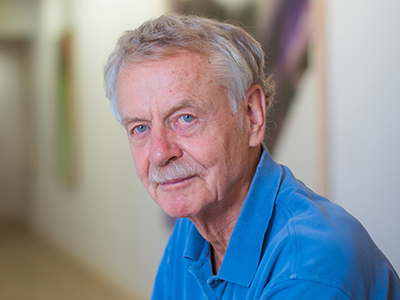
Assistant Professor Sara Prescott and her lab plan to test whether and how neurons have a role in airway remodeling, which goes awry in many diseases.

David Orenstein | The Picower Institute for Learning and Memory
June 17, 2024
Whitehead Institute Member Siniša Hrvatin named a 2024 McKnight Scholar

The McKnight Endowment Fund for Neuroscience has selected Whitehead Institute Member Siniša Hrvatin as one of ten early career scientists to receive a 2024 McKnight Scholar Award, supporting his research on mechanisms underlying certain animals’ capacity to enter states of torpor and hibernation.

Merrill Meadow | Whitehead Institute
June 20, 2024
Rudolf Jaenisch receives the ISTT Prize for contributions to transgenic technologies

The International Society for Transgenic Technologies recognized Whitehead Institute Founding Member Rudolf Jaenisch for his exceptional contribution to the field of animal transgenesis over the past five decades.

Merrill Meadow | Whitehead Institute
June 11, 2024
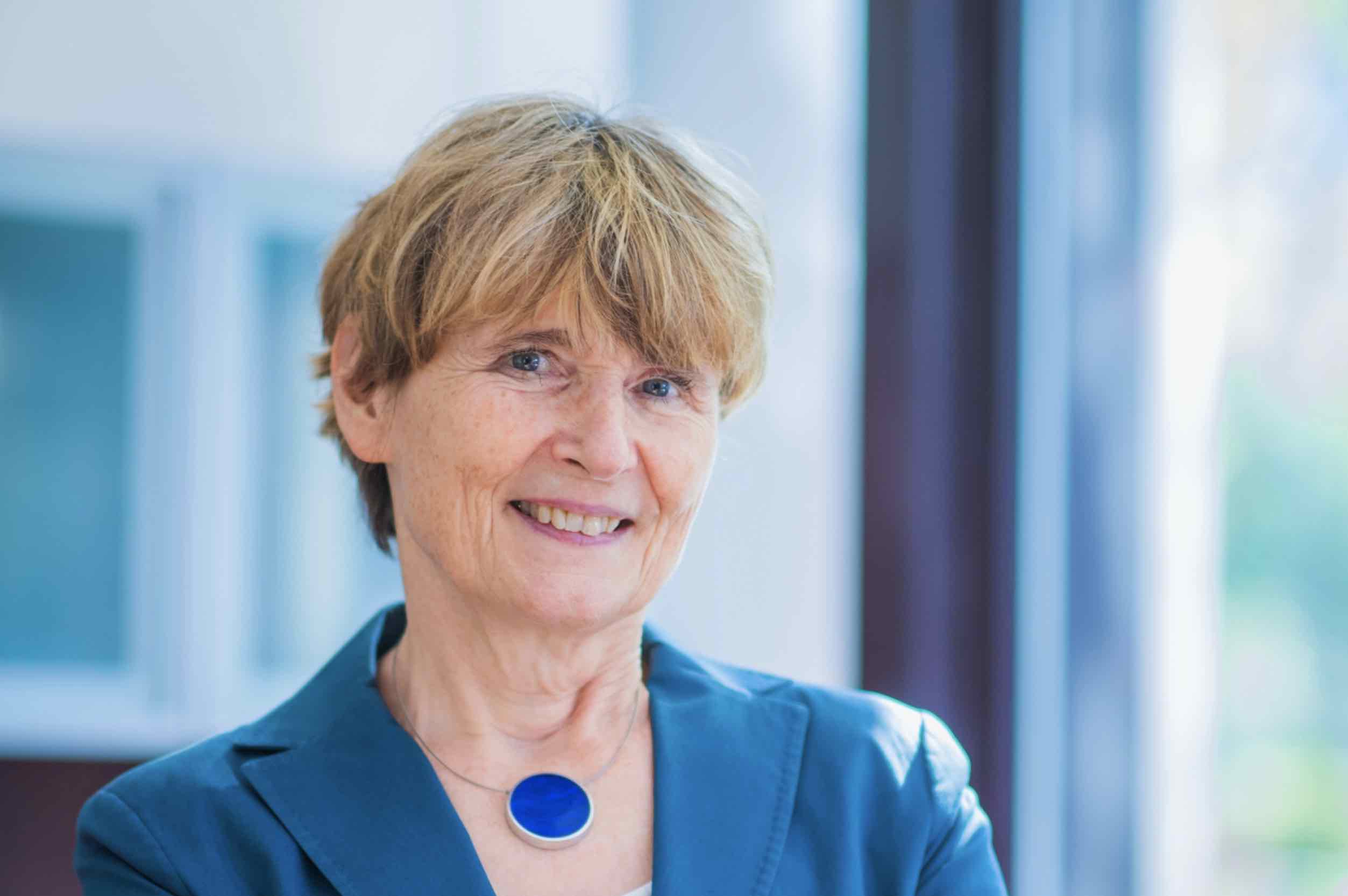
Whitehead Institute Director Ruth Lehmann elected as a Fellow of the Royal Society

Whitehead Institute Director and President Ruth Lehmann has been named a Foreign Member of the Royal Society. The election recognizes her “pioneering studies of the mechanisms underlying the embryonic development and reproduction of the fruit fly Drosophila.” It honors her work establishing the role of messenger RNA localization in specifying the antero-posterior body axis and germ line development and additionally notes her discoveries that revealed the role of lipid-based signaling pathways in the migration of germ cells to the developing gonads.

Lisa Girard | Whitehead Institute
May 22, 2024
The Whitehead Innovation Initiative is established to advance the use of artificial intelligence in biomedical research

The Whitehead Innovation Initiative launched in April 2024 and, under the expert guidance of President and Director Ruth Lehmannn, will pioneer the melding of AI and biology. The initiative was made possible by a $10 million gift from Michael and Victoria Chambers.

Merrill Meadow | Whitehead Institute
April 8, 2024
3 Questions: Professors Adam Martin and Joel Volman on updating MIT’s undergraduate curriculum

Professors Adam Martin and Joel Volman explain the genesis, scope, and objectives of the recently launched Task Force on the MIT Undergraduate Academic Program.

Office of the Vice Chancellor
March 19, 2024

In late February, Vice Chancellor for Undergraduate and Graduate Education Ian A. Waitz and Faculty Chair Mary Fuller announced the formation and launch of the Task Force on the MIT Undergraduate Academic Program (TFUAP). The effort fulfills a critical recommendation of the Task Force 2021 and Beyond RIC1 (Undergraduate Program) and draws upon several, prior foundational working groups some focused on the current General Institute Requirements (GIRs) and others on updating recent studies for the purposes of this review.

In this interview, task force co-chairs Adam Martin, professor of biology, and Joel Voldman, the William R. Brody Professor of Electrical Engineering and Computer Science describe the TFUAP’s goals, approach, and next steps.

Q: The charge of the task force is quite ambitious, including “reviewing the current undergraduate academic program and considering improvements with a focus on both the curriculum and pedagogy.” Can you explain your approach?

Martin: For context, it’s important to know that the undergraduate program is multifaceted and consists of many components, including majors, electives, experiential learning, and of course the GIRs arguably one of the best-known acronyms at MIT! Moreover, the GIRs include science core classes; humanities, arts, and social sciences classes; certain electives in science and engineering; and a lab requirement, each of which serves a slightly different purpose and dovetails with majors and minors in unique ways.

Some aspects of the academic program are determined by the faculty, either MIT-wide or within a particular department. Others can be customized by students, in consultation with faculty and staff advisors, from the broad array of curricular and co-curricular offerings at MIT. The task force will look holistically at all of these aspects, considering both what MIT requires of all students, and the options we make available as students chart their own paths.

As part of this holistic approach, the TFUAP will zero in on both content and pedagogy. Obviously, the content we cover is important; our goal must remain to provide undergraduates with the world-class education they expect. But how we teach is of fundamental importance, as well. The pedagogy we adopt should be inclusive, supported by research, and designed to help students not only understand what they are learning, but why they are learning it how it relates to their majors, potential careers, and their lives.

Voldman: I think your question’s description of our charge as “ambitious” is noteworthy. We feel that the task force is ambitious, too, but perhaps in a different sense from the question. That is, we believe our job is to not only think about nuts-and-bolts issues of the academic program requirements but also to consider the big picture. What are the most expansive possibilities? How can we push the envelope? That’s the MIT way, after all.

Q: The task force is building upon quite a bit of past work and benefits from some major accomplishments recommended by Task Force 2021 (TF2021). For example, how does the creation of the Undergraduate Advising Center, and in general, the desire to provide more personal and professional support to all students, fit in with the potential updates to the undergraduate curriculum?

Martin: You’re absolutely right our work benefits greatly from years of conversations focused on the undergraduate academic program, particularly in the last decade or so. These include the 2014 Task Force on the Future of Education; the 2018 Designing the First-Year Experience Class; Task Force 2021 and Beyond (TF2021); the Foundational Working Groups (part of the RIC 1 implementation) that have studied the existing MIT undergraduate program; and the Committee on the Undergraduate Program. The valuable work of these past committees and their findings will certainly inform our thought process.

In the past, groups that evaluated the undergraduate curriculum were also charged with tackling related topics, such as undergraduate advising or revamping classrooms. Taking on any one of these three issues is ambitious by any measure! What’s changed in the past decade is that advances have been made in these other critical areas, so the TFUAP can focus solely on curriculum and pedagogy. For example, thanks to recent accomplishments by TF2021 and others, we have implemented a new advising system for all undergraduates in the form of the Undergraduate Advising Center.

We envision the TFUAP being a highly collaborative process, bringing in voices across the entire Institute and beyond. We welcome input from members of the community via email at tfuap@mit.edu. We will also be reaching out to student groups, alumni, individual faculty, faculty groups, and administrative staff across the Institute to hear their perspectives.

Q: Part of what TFUAP will have to confront, no doubt, are some of the most pressing issues of our time, like the rise of computing and AI, climate change (what President Kornbluth calls an existential threat to our way of life), and the changing nature of learning (online, hybrid, etc.). How are you thinking about all of these factors?

Voldman: That is a good question! It’s early days, and our work is just beginning, but we know that these and other issues loom over all of us. For example, we are keenly aware of the influx of students into computing-related majors and classes, and we need to think deeply about the implications. Furthermore, we want a curriculum that prepares students for current and upcoming global challenges as well as changes in the technology and tools available to address those challenges. However, we can expect that our students will need to be agile and curious, lifelong learners, collaborative and compassionate teammates, and creative and thoughtful problem-solvers.

As we work with the community to design the next version of an MIT undergraduate education, it will be important to build a structure that can incorporate the biggest challenges and opportunities of the day, while staying flexible and responsive to an ever-evolving world.

Faculty Ömer Yilmaz and Seychelle Vos among MIT faculty selected for Cancer Grand Challenges

Joining three teams backed by a total of $75 million, MIT researchers will tackle some of cancer’s toughest challenges.

Bendta Schroeder | Koch Institute
March 18, 2024

Cancer Grand Challenges recently announced five winning teams for 2024, which included five researchers from MIT: Michael Birnbaum, Regina Barzilay, Brandon DeKosky, Seychelle Vos, and Ömer Yilmaz. Each team is made up of interdisciplinary cancer researchers from across the globe and will be awarded $25 million over five years.

Birnbaum, an associate professor in the Department of Biological Engineering, leads Team MATCHMAKERS and is joined by co-investigators Barzilay, the School of Engineering Distinguished Professor for AI and Health in the Department of Electrical Engineering and Computer Science and the AI faculty lead at the MIT Abdul Latif Jameel Clinic for Machine Learning in Health; and DeKosky, Phillip and Susan Ragon Career Development Professor of Chemical Engineering. All three are also affiliates of the Koch Institute for Integrative Cancer Research At MIT.

Team MATCHMAKERS will take advantage of recent advances in artificial intelligence to develop tools for personalized immunotherapies for cancer patients. Cancer immunotherapies, which recruit the patient’s own immune system against the disease, have transformed treatment for some cancers, but not for all types and not for all patients.

T cells are one target for immunotherapies because of their central role in the immune response. These immune cells use receptors on their surface to recognize protein fragments called antigens on cancer cells. Once T cells attach to cancer antigens, they mark them for destruction by the immune system. However, T cell receptors are exceptionally diverse within one person’s immune system and from person to person, making it difficult to predict how any one cancer patient will respond to an immunotherapy.

Team MATCHMAKERS will collect data on T cell receptors and the different antigens they target and build computer models to predict antigen recognition by different T cell receptors. The team’s overarching goal is to develop tools for predicting T cell recognition with simple clinical lab tests and designing antigen-specific immunotherapies. “If successful, what we learn on our team could help transform prediction of T cell receptor recognition from something that is only possible in a few sophisticated laboratories in the world, for a few people at a time, into a routine process,” says Birnbaum.

“The MATCHMAKERS project draws on MIT’s long tradition of developing cutting-edge artificial intelligence tools for the benefit of society,” comments Ryan Schoenfeld, CEO of The Mark Foundation for Cancer Research. “Their approach to optimizing immunotherapy for cancer and many other diseases is exemplary of the type of interdisciplinary research The Mark Foundation prioritizes supporting.” In addition to The Mark Foundation, the MATCHMAKERS team is funded by Cancer Research UK and the U.S. National Cancer Institute.

Vos, the Robert A. Swanson (1969) Career Development Professor of Life Sciences and HHMI Freeman Hrabowksi Scholar in the Department of Biology, will be a co-investigator on Team KOODAC. The KOODAC team will develop new treatments for solid tumors in children, using protein degradation strategies to target previously “undruggable” drivers of cancers. KOODAC is funded by Cancer Research UK, France’s Institut National Du Cancer, and KiKa (Children Cancer Free Foundation) through Cancer Grand Challenges.

As a co-investigator on team PROSPECT, Yilmaz, who is also a Koch Institute affiliate, will help address early-onset colorectal cancers, an emerging global problem among individuals younger than 50 years. The team seeks to elucidate pathways, risk factors, and molecules involved in the disease’s development. Team PROSPECT is supported by Cancer Research UK, the U.S. National Cancer Institute, the Bowelbabe Fund for Cancer Research UK, and France’s Institut National Du Cancer through Cancer Grand Challenges.

Postdoc Andrew Savinov among 2024 Infinite Expansion Award recipients

Nine postdocs and research scientists honored for contributions to the Institute.

School of Science
March 3, 2024

The MIT School of Science has announced nine postdocs and research scientists as recipients of the 2024 Infinite Expansion Award, which highlights extraordinary members of the MIT community.

The following are the 2024 School of Science Infinite Expansion winners:

  • Sarthak Chandra, a research scientist in the Department of Brain and Cognitive Sciences, was nominated by Professor Ila Fiete, who wrote, “He has expanded the research abilities of my group by being a versatile and brilliant scientist, by drawing connections with a different area that he was an expert in from his PhD training, and by being a highly involved and caring mentor.”
  • Michal Fux, a research scientist in the Department of Brain and Cognitive Sciences, was nominated by Professor Pawan Sinha, who wrote, “She is one of those figurative beams of light that not only brilliantly illuminate scientific questions, but also enliven a research team.”
  • Andrew Savinov, a postdoc in the Department of Biology, was nominated by Associate Professor Gene-Wei Li, who wrote, “Andrew is an extraordinarily creative and accomplished biophysicist, as well as an outstanding contributor to the broader MIT community.”
  • Ho Fung Cheng, a postdoc in the Department of Chemistry, was nominated by Professor Jeremiah Johnson, who wrote, “His impact on research and our departmental community during his time at MIT has been outstanding, and I believe that he will be a worldclass teacher and research group leader in his independent career next year.”
  • Gabi Wenzel, a postdoc in the Department of Chemistry, was nominated by Assistant Professor Brett McGuire, who wrote, “In the one year since Gabi joined our team, she has become an indispensable leader, demonstrating exceptional skill, innovation, and dedication in our challenging research environment.”
  • Yu-An Zhang, a postdoc in the Department of Chemistry, was nominated by Professor Alison Wendlandt, who wrote, “He is a creative, deep-thinking scientist and a superb organic chemist. But above all, he is an off-scale mentor and a cherished coworker.”
  • Wouter Van de Pontseele, a senior postdoc in the Laboratory for Nuclear Science, was nominated by Professor Joseph Formaggio, who wrote, “He is a talented scientist with an intense creativity, scholarship, and student mentorship record. In the time he has been with my group, he has led multiple facets of my experimental program and has been a wonderful citizen of the MIT community.”
  • Alexander Shvonski, a lecturer in the Department of Physics, was nominated by Assistant Professor Andrew Vanderburg, who wrote, “… I have been blown away by Alex’s knowledge of education research and best practices, his skills as a teacher and course content designer, and I have been extremely grateful for his assistance.”
  • David Stoppel, a research scientist in The Picower Institute for Learning and Memory, was nominated by Professor Mark Bear and his research group, who wrote, “As impressive as his research achievements might be, David’s most genuine qualification for this award is his incredible commitment to mentorship and the dissemination of knowledge.”

Winners are honored with a monetary award and will be celebrated with family, friends, and nominators at a later date, along with recipients of the Infinite Mile Award.