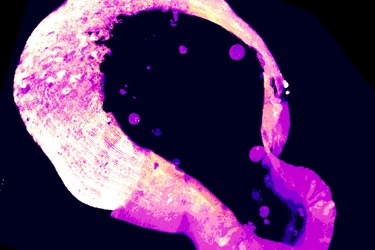
How stem cell descendants preserve flexibility while maintaining distinct identities

In many tissues, some early descendants of stem cells, the body's ultimate shape-shifters, can revert back to a stem cell state through a process known as dedifferentiation. Researchers in the Yamashita Lab have identified two complementary mechanisms that allow cells to preserve stem cell potential while adopting distinct identities.

Mackenzie White | Whitehead Institute
April 6, 2026

Stem cells are the body’s ultimate shape-shifters, sustaining tissues by balancing two competing demands: maintaining their own population and generating specialized descendants. In many tissues, some early descendants can revert to a stem cell state through a process known as dedifferentiation. This ability can help replenish the stem cell pool when stem cells are lost.

In a new study published on April 6 in PNAS, researchers at Whitehead Institute identify two complementary mechanisms that allow cells to preserve stem cell potential while adopting distinct identities.

Led by Whitehead Institute Member Yukiko Yamashita and Yamashita Lab postdoc Amelie Raz, the study focuses on the male fruit fly germline stem cells, which give rise to sperm. These cells sit at the foundation of a lineage that continues across generations.

To understand what distinguishes these stem cells, the researchers analyzed RNA, the intermediary molecules that link genes in DNA to the proteins they encode. RNA quantities typically reflect which genes a cell is using—which in turn reflects a cell’s identity. The researchers expected to find a set of RNAs unique to stem cells. Instead, they discovered that stem cells and their immediate descendants share seemingly identical RNA profiles.

“We didn’t have anything that was specific to stem cells,” Raz says. “It turned out that that was actually the key to understanding how you make them.”

The difference between these cell types lies not only in which RNAs are present, but in whether the cells are still making them. Stem cells continue producing these RNAs, while their descendants inherit many of the same molecules but stop making new copies of RNA.

This means RNA alone does not fully define a cell’s state. In these descendant cells, the shared RNAs reflect an earlier state, not the same productive gene program seen in stem cells.

“On the level of RNA, they’re the same,” Raz says. “But they’re different in what’s actually happening in the nucleus—whether that RNA is being actively produced.”

The study also clarifies how signals from the surrounding environment help determine what path a cell follows. Stem cells reside in a specialized microenvironment known as a niche, which sends molecular cues that influence cell behavior. Two well-studied signaling pathways—Bmp and Jak-Stat—have long been known to regulate germline stem cells.

Previous models assumed these pathways worked together or redundantly. However, the new findings show that they instead act independently, each controlling a different subset of genes.

“What we found was that they’re acting on completely separate parts of this gene activity program,” Raz says.

Because the pathways operate independently, their combined activity defines distinct cellular states. When both signals are active, cells maintain stem cell identity. When neither is active, cells continue along a differentiation pathway. When only one pathway is active, cells can revert toward a stem cell state through dedifferentiation. This modular arrangement allows cells with the same underlying potential to follow different paths depending on the signals they receive.

The findings help explain why many stem cell populations rely on multiple signaling pathways. Rather than serving as backups for one another, these pathways can regulate different parts of cell behavior and work together to shape a cell’s trajectory.

“In many stem cell populations, multiple signals have been thought to be redundant,” says Yamashita, who is also a professor of biology at MIT and an HHMI Investigator. “Here, we show that they can have distinct roles to determine whether a cell self-renews, differentiates, or reverts in combination.”

More broadly, the work shows that knowing which molecules are present in a cell does not always reveal how that cell is functioning. Two cells can appear identical by standard molecular measures even when they are operating in different regulatory states.

The study also lays the groundwork for future research. Raz and colleagues have identified a set of genes linked to this early germline state in fruit flies and are now investigating what those genes do and how they help govern stem cell behavior.

“Now that we know what’s there, the next step is understanding what those RNA molecules are doing,” Raz says.

Additionally, the work suggests that long-standing models of stem cell regulation may be incomplete, even in systems that have been studied for decades.

“What we are showing is that these pathways aren’t necessarily working in the way people had assumed,” Raz says. “There’s almost certainly more to it.”

A. Raz, H. Hassan, & Y.M. Yamashita, Niche-dependent modular regulation of the stem cell transcriptome separates cell identity and potential, Proc. Natl. Acad. Sci. U.S.A. 123 (15) e2533973123, https://doi.org/10.1073/pnas.2533973123 (2026).

A new lens on autism’s sex bias

A perspective from the lab of Whitehead Institute Member David Page, published in Nature Genetics, proposes a genetic explanation for the female protective effect and suggests that biological differences between males and females contribute to autism’s strong sex bias.

Shafaq Zia | Whitehead Institute
March 30, 2026

Autism has a significant and enduring sex bias, with roughly four boys diagnosed for every girl. For many years, experts have believed this disparity arises primarily from diagnostic inequities because much of autism research — and the screening tools that grew out of it — has historically focused on boys, effectively setting a male standard for what autism “looks like.” As a result, girls and women are more likely to be overlooked, misdiagnosed, or diagnosed much later in life.

This disparity has also shaped the science around autism. When fewer females with the condition are identified, fewer are included in research studies, creating a feedback loop where scientific understanding of autism in females remains limited. Because of this underrepresentation of females, it has been difficult for scientists to disentangle how much of the sex bias in autism reflects social inequities versus underlying biological differences between the sexes.

While the search for biological explanations has largely lagged behind, one leading theory, known as the “female protective effect,” proposes that females may be biologically buffered against developing autism in a way males aren’t.

The idea can be traced back to studies showing that females diagnosed with autism tend to carry a higher number of genetic mutations or “hits” than males with the condition, meaning that they require a higher load of the same genetic mutations for autism to manifest. But, until now, there’s been little clarity on the exact biological mechanism behind this apparent resilience.

Now, a perspective from the lab of Whitehead Institute Member David Page, published March 30 in Nature Geneticsproposes a genetic explanation for the female protective effect and suggests that biological differences between males and females contribute to autism’s strong sex bias.

The work is one of many projects from the Page lab uncovering the biological underpinnings of sex bias in everything from heart health and autoimmune disease to certain cancers.

“The fact that we see sex biases in disease all across the body gives credence to the notion that the sex bias in autism isn’t simply emerging from diagnostic inequities and gendered expectations of what the conditions looks like,” says Page, who is also a professor of biology at Massachusetts Institute of Technology and an investigator at the Howard Hughes Medical Institute (HHMI).

The researchers propose that this protective effect extends beyond autism, and could help explain why 17 other congenital and developmental disorders predominantly affect males. By characterizing the biological factors that make one sex more or less likely to develop certain health conditions, scientists see an opportunity to improve how these conditions are diagnosed and how people receive care.

Page and Harvard-MIT MD-PhD student Maya Talukdar trace the female protective effect to the X chromosome. Talukdar is a graduate student in Page’s lab and the lead author of the perspective.

Most females have two X chromosomes (XX) while most males have one X and one Y chromosome (XY). Sex chromosomes can dial up and down the expression of thousands of genes on the other 22 pairs of chromosomes in a cell, impacting cell function across the entire body.

Historically, scientists believed that the second X chromosome in females is largely inactive. But, in recent years, research out of the Page lab has shown that the so-called “inactive X,” also called Xi, plays a crucial role in regulating gene expression on the active X chromosome, and the rest of the chromosomes.

In this perspective, the researchers point to a subset of genes that are expressed from both the active and inactive X chromosome — often known as genes that “escape” X chromosome inactivation. Many of these genes are dosage-sensitive regulators of key cellular processes. These processes influence thousands of other genes across the genome, including many linked to autism.

Because females have an extra copy of these regulatory genes expressed from Xi, Page and Talukdar propose that they may be better able to buffer the effects of autism-associated mutations than males.

The female protective effect beyond autism

This mechanism, the researchers say, extends beyond autism to a range of congenital and developmental diseases with a male bias.

“Many of the other congenital or developmental conditions we’re pointing to aren’t subject to diagnostic inequities in the way autism is,” says Talukdar. “This strengthens the idea that the female protective effect is emerging from genetic differences in males and females.”

One example is pyloric stenosis, which like autism, affects four boys for every girl. Infants with the condition experience severe vomiting due to thickening of the pyloric sphincter, the passage between the stomach and small intestine. As with autism, girls with pyloric stenosis appear to require more genetic “hits” in order to develop the condition.

The researchers’ new framework of looking at Xi to understand sex differences in disease could impact treatment and care not just for conditions that predominately affect males, but also for those that are more common in women, such as autoimmune diseases.

“Our biology isn’t one-size-fits-all,” Talukdar says “Sex differences clearly play a huge role in health, and it’s so important that we understand them.”

Maya Talukdar, David C. Page, “The inactive X chromosome as a female protector in autism and beyond,” Nature Genetics, 2026; https://doi.org/10.1038/s41588-026-02534-w 

Study reveals “two-factor authentication” system that controls microRNA destruction

A new study led by researchers in the Bartel Lab and Germany’s Max Planck Institute of Biochemistry reveals how cells selectively eliminate certain microRNAs, which tune which genes are active and when, through an unexpectedly intricate molecular recognition system.

Mackenzie White | Whitehead Institute
March 17, 2026

Cells rely on tiny molecules called microRNAs to tune which genes are active and when. Cells must carefully control the lifespan of microRNAs to prevent widespread disruption to gene regulation.

A new study led by researchers at Whitehead Institute and Germany’s Max Planck Institute of Biochemistry reveals how cells selectively eliminate certain microRNAs through an unexpectedly intricate molecular recognition system. The work, published on March 18 in Nature, shows that the process requires two separate RNA signals, similar to how many digital systems require two forms of identity verification before granting access.

The findings explain how cells use this “two-factor authentication” system to ensure that only intended microRNAs are destroyed, leaving the rest of the gene regulation machinery in operation.

MicroRNAs are short strands of RNA that help control gene expression. Working together with a protein called Argonaute, they bind to specific messenger RNAs—the molecules that carry genetic instructions from DNA to the cell’s protein-making machinery—and trigger their destruction. In this way, microRNAs can reduce the production of specific proteins.

While scientists recognized that microRNAs could be destroyed through a pathway known as target-directed microRNA degradation, or TDMD, the details of how cells recognized which microRNAs to eliminate remained unclear.

“We knew there was a pathway that could target microRNAs for degradation, but the biochemical mechanism behind it wasn’t understood,” says David Bartel, Whitehead Institute Member and co-senior author of the study.

Earlier work from Bartel’s lab and others had identified a key player in this pathway: the ZSWIM8 E3 ubiquitin ligase. E3 ubiquitin ligases are involved in the cell’s recycling system and attach a small molecular tag called ubiquitin to other proteins, marking them for destruction.

The researchers first showed that the ZSWIM8 E3 ligase specifically binds and tags Argonaute, the protein that holds microRNAs and helps regulate genes. The researchers’ next challenge was to understand how this machinery recognized only Argonaute complexes carrying specific microRNAs that should be degraded.

The answer turned out to be surprisingly sophisticated.

Using a combination of biochemistry and cryo-electron microscopy—an imaging technique that reveals molecular structures at near-atomic resolution—the researchers discovered that the degradation system relies on a dual-RNA recognition process. First, Argonaute must carry a specific microRNA. Second, another RNA molecule called a “trigger RNA” must bind to that microRNA in a particular way.

The degradation machinery activates only when both signals are present.

This dual requirement ensures exquisite specificity. Each cell contains over a hundred thousand Argonaute–microRNA complexes regulating many genes, and destroying them indiscriminately would disrupt essential biological processes.

“The vast majority of Argonaute molecules in the cell are doing useful work regulating gene expression,” says Bartel, who is also a professor of biology at MIT and an HHMI Investigator. “You only want to degrade the ones carrying a particular microRNA and bound to the right trigger RNA. Without that specificity, the cell would lose its microRNAs and the essential regulation that they provide.”

The structural images revealed complex molecular interactions. The ZSWIM8 ligase detects multiple structural changes that occur when the two RNAs bind together within the Argonaute protein.

“When we saw the structure, everything clicked,” says Elena Slobodyanyuk, a graduate student in Bartel’s lab and co-first author of the study. “You could see how the pairing of the trigger RNA with the microRNA reshapes the Argonaute complex in a way that the ligase can recognize.”

Beyond explaining how TDMD works, the findings may impact how scientists think about the regulation of RNA molecules more broadly.

“A lot of E3 ligases recognize their targets through simpler signals,” says Jakob Farnung, co-first author and researcher in the Department of Molecular Machines and Signaling at the Max Planck Institute of Biochemistry. “It was like opening a treasure chest where every detail revealed something new and mesmerizing.”

MicroRNAs typically persist in cells for much longer time periods than most messenger RNAs, but some degrade far more quickly, and the TDMD pathway appears to account for many of these unusually short-lived microRNAs.

The researchers are now investigating whether other RNAs can trigger similar degradation pathways and whether additional microRNAs are regulated through variations of the mechanism shown in this study.

“This opens up a whole new way of thinking about how RNA molecules can control protein degradation,” says Brenda Schulman, study co-senior author and Director of the Department of Molecular Machines and Signaling at the Max Planck Institute of Biochemistry. “Here, the recognition was far more elaborate than expected. There’s likely much more left to discover.”

Uncovering the details of this intricate regulatory system required interdisciplinary collaboration, combining expertise in RNA biochemistry, structural biology, and ubiquitin enzymology to solve this long-standing molecular puzzle.

“This was a project that required the strengths of two labs working at the forefront of their fields,” says Schulman, who is also an alum of Whitehead Institute. “It was an incredible team effort.”

Paper: Jakob Farnung, Elena Slobodyanyuk, Peter Y. Wang, Lianne W. Blodgett, Daniel H. Lin, Susanne von Gronau, Brenda A. Schulman & David P. Bartel. “The E3 ubiquitin ligase mechanism specifying targeted microRNA degradation.” Nature (2026). https://doi.org/10.1038/s41586-026-10232-0

Whitehead Institute Member Jonathan Weissman joins global Cancer Grand Challenges team

Whitehead Institute Member Jonathan Weissman has been named to a newly funded Cancer Grand Challenges team that will tackle one of the most elusive frontiers in cancer biology: the “dark proteome.”

Mackenzie White | Whitehead Institute
March 4, 2026

Whitehead Institute Member Jonathan Weissman has been named to a newly funded Cancer Grand Challenges team that will tackle one of the most elusive frontiers in cancer biology: the “dark proteome.”

The interdisciplinary team, ILLUMINE, will receive up to $25 million over approximately five years through Cancer Grand Challenges to investigate proteins expressed by cancer cells that don’t correspond exactly to known genes. These include proteins produced from previously unrecognized regions of the genome, proteins created from offset start sites of known genes, and proteins with altered amino acid sequences that cannot be explained by known DNA mutations. The origins and functions of this dark proteome remain largely unknown.

Cancer Grand Challenges is a global research initiative co-founded in 2020 by Cancer Research UK and the National Cancer Institute (part of the National Institutes of Health) in the United States. The initiative supports a global community of diverse, world-class research teams to come together, think differently, and take on some of cancer’s toughest challenges.

The ILLUMINE team is led by Reuven Agami of the Netherlands Cancer Institute and brings together clinicians, advocates, and scientists across eight institutions in four countries. The team is funded by Cancer Research UK, the National Cancer Institute, the Cancer Research Institute, and KiKa (Children Cancer Free Foundation) through Cancer Grand Challenges. It is one of five new teams announced this year, representing a total investment of $125 million.

Weissman, also a professor of biology at MIT and an investigator of the Howard Hughes Medical Institute, studies how proteins are produced and folded inside cells, and how disruptions in these processes contribute to disease. His laboratory developed ribosome profiling, a technique that reveals which parts of the genome are actively being translated into proteins inside cells.

This method is directly relevant to the dark proteome challenge. If cancer cells generate proteins from unexpected regions of the genome, understanding when and how those proteins are made is critical. Weissman’s lab continues to refine tools that measure protein production at scale, helping to illuminate these hidden products and their potential role in cancer.

By comprehensively identifying and characterizing the dark proteome, the ILLUMINE team aims to uncover novel, potentially universal tumor antigens — cancer cell molecules that are recognizable by the immune system — and develop innovative immunotherapies for hard-to-treat cancers.

Collectively, the newly funded teams unite researchers from nine countries and 34 institutions, bringing together more than 40 investigators to address long-standing barriers in cancer research.

Dr. David Scott, Director of Cancer Grand Challenges, said of the initiative: “Together, we’re creating opportunities for bold team science that could redefine what’s possible for people affected by cancer.”

How changes on the Y chromosome may make species reproductively incompatible

Closely related species often produce infertile offspring, especially in males. New research from the Yamashita Lab identifies a cellular defect that contributes to this phenomenon in fruit flies, which may help explain how diverging species become reproductively incompatible.

Mackenzie White | Whitehead Institute
March 6, 2026

In a new study published in Molecular Biology and Evolution on February 16, Whitehead Institute Member Yukiko Yamashita, graduate student in her lab Adrienne Fontan, and senior scientist in her lab Romain Lannes identify a cellular defect that contributes to this phenomenon in fruit flies. This finding may help explain how diverging species become reproductively incompatible.

The team found that in hybrid males, several genes required for sperm production fail during an early step in gene expression. Because these genes cannot be processed correctly, cells are unable to produce the proteins needed for sperm formation.

The researchers studied hybrids produced from two closely related fruit fly species that diverged from a common ancestor roughly 250,000 years ago. Although these species can still mate in the laboratory, their hybrid males cannot produce functional sperm.

To investigate why, the researchers focused on genes located on the Y chromosome that are essential for sperm development.

“These genes on the Y chromosome are required to produce sperm,” says co-first author and Yamashita lab senior scientist Romain Lannes. “They are very large and difficult for the cell to process, and in the hybrid, it’s a total failure—the hybrid cannot make them.”

Like all genes, these Y-linked genes work by first producing an RNA copy of their DNA instructions. Before the RNA can be used to make proteins, cells must remove segments that do not contain coding information and join the remaining pieces together.

In hybrid flies, this process frequently fails.

Instead of assembling the RNA pieces in the correct order, the cell sometimes flips the order of pieces. The resulting molecule cannot produce a functional protein. Because the affected genes are required for sperm development, the defect prevents hybrid males from making sperm.

The researchers traced the problem to a distinctive feature of these genes: their unusual size.

Much of their length consists of repetitive DNA embedded within the gene. These repetitive sequences, known as satellite DNA, consist of short DNA patterns repeated many times in a row.

“Satellite DNA is made of short repeated sequences that can extend for very long regions,” says Yamashita who is also a professor of biology at MIT and an HHMI Investigator. “Because they don’t encode proteins and are difficult to analyze with standard genetic tools, people historically didn’t study them much.”

One notable property of satellite DNA is that it changes quickly over evolutionary time. Even closely related species can carry very different versions of these sequences.

The researchers suspect that these differences contribute to the defect they observed. Each species may evolve cellular systems adapted to handle its own repetitive DNA. When DNA from two species is combined in a hybrid, those systems may no longer function properly.

Large genes already pose challenges for the cell’s gene-processing machinery, Yamashita explained. In hybrids, those challenges appear to become harder to overcome.

“Even in a pure species, these big genes are challenging to process,” says Yamashita. “But that species has evolved ways to deal with that challenge. When you combine two species in a hybrid, that system can break.”

The findings also offer insight into a widely observed pattern in evolutionary biology: when hybrids between species are sterile, the sex with two different sex chromosomes is often the one affected. In fruit flies and humans, males carry an X and a Y chromosome, while females carry two X chromosomes.

Because the Y chromosome evolves rapidly and contains many repetitive sequences, it may be particularly sensitive to incompatibilities that arise when species interbreed.

The researchers say fruit flies provide a useful model for investigating these questions because they reproduce quickly and are easy to study in the laboratory. The two species used in the study diverged relatively recently, allowing scientists to examine the early stages of reproductive isolation between species.

Although the work focused on flies, the researchers think similar processes could occur in other organisms. Rapid changes in the Y chromosome are observed across many species, including mammals.

“I’m really interested in understanding why species split and become incompatible,” says Yamashita.

The team is now exploring whether the computational approaches developed in this study could help investigate human diseases involving extremely large genes. Some human genes span millions of DNA bases and can be difficult for cells to process correctly, including genes implicated in muscular and neurological disorders.

By identifying a specific failure in gene processing, the study provides a clearer picture of how genetic differences between species can disrupt reproduction.

Adrienne Fontan, Romain Lannes, Jaclyn M Fingerhut, Jullien M Flynn, Yukiko M Yamashita, ­­­”Defective splicing of Y-chromosome-linked gigantic genes contributes to hybrid male sterility in Drosophila,” Molecular Biology and Evolution, 2026; https://doi.org/10.1093/molbev/msag045


Studying the genetic basis of disease to explore fundamental biological questions

Eliezer Calo’s studies of craniofacial malformations have yielded insight into protein synthesis and embryonic development.

Anne Trafton | MIT News
March 6, 2026

When Associate Professor Eliezer Calo PhD ’11 was applying for faculty positions, he was drawn to MIT not only because it’s his alma mater, but also because the Department of Biology places high value on exploring fundamental questions in biology.

In his own lab, Calo studies how craniofacial malformations arise. One motivation is to seek new treatments for those conditions, but another is to learn more about fundamental biological processes such as protein synthesis and embryonic development.

“We use genes that are mutated in disease to uncover fundamental biology,” Calo says. “Mutations that happen in disease are an experiment of nature, telling us that those are the important genes, and then we follow them up not only to understand the disease, but to fundamentally understand what the genes are doing.”

Calo’s work has led to new insights into how ribosomes form and how they control protein synthesis, as well as how the nucleolus, the birthplace of ribosomes in eukaryotic cells, has evolved over hundreds of millions of years.

In addition to earning his PhD at MIT, Calo is also an alumnus of MIT’s Summer Research Program (MSRP), which helps to prepare undergraduate students to pursue graduate education. Since starting his lab at MIT, Calo has made a point to serve as a research mentor for the program every summer.

“I feel that it’s important to pay back to the program that helped me realize what I wanted to do,” he says.

A nontraditional path

Growing up in a mountainous region of Puerto Rico, Calo was the first person from his family to finish high school. While attending the University of Puerto Rico at Rio Piedras, the largest university in Puerto Rico, he explored a few different majors before settling on chemistry.

One of Calo’s chemistry professors invited him to work in her lab, where he did a research project studying the pharmacokinetics of cell receptors found on the surface of astrocytes, a type of brain cell.

“It was a good mix of biology and chemistry,” he says. “I think that that was the catalyst to my pursuit of a career in the sciences.”

He learned about MSRP from Mandana Sassanfar, a senior lecturer in biology at MIT and director of outreach for several MIT departments, at an event hosted by the University of Puerto Rico for students interested in careers in science. He was accepted into the program, and during the summer after his junior year, he worked in the lab of Stephen Bell, an MIT professor of biology. That experience, he says, was transformative.

“Without that experience, I would have probably chosen another career,” Calo says. In Puerto Rico, “science was fun, but it was a struggle. We had to make everything from scratch, and then you spend more time making reagents than doing the experiments. When I came to MIT, I was always doing experiments.”

During that time, he realized he liked working in biology labs more than chemistry labs, so when he applied to graduate school, he decided to move into biology. He applied to five schools, including MIT. “Once MIT sent me the acceptance, I just had to say yes. There was no saying no.”

At MIT, Calo thought he might study biochemistry, but he ended up focusing on cancer biology instead, working with Jacqueline Lees, an MIT biology professor, to study the role of the tumor suppressor protein Rb.

After finishing his PhD, Calo felt burnt out and wasn’t sure if he wanted to continue along the academic track. His thesis committee advisors encouraged him to do a postdoc just to try it out, and he ended up going to Stanford University, where he fell in love with California and switched to a new research focus. Working with Joanna Wysocka, a professor of developmental biology at Stanford, he began investigating how development is affected by the regulation of proteins that make up cellular ribosomes — a topic his lab still studies today.

Returning to MIT

When searching for faculty jobs, Calo focused mainly on schools in California, but also sent an application to MIT. As he was deciding between offers from MIT and the University of California at Berkeley, a phone call from Angelika Amon, the late MIT professor of biology, convinced him to take the cross-country leap back to MIT.

“She had me on the phone for more than one hour telling me why I should come to MIT,” he recalls. “And that was so heartwarming that I could not say no.”

Since starting his lab in 2017, Calo has been studying how defects in the production of ribosomes give rise to diseases, in particular craniofacial malformations such as cleft palate.

Ribosomes, the organelles where protein synthesis occurs, consist of two subunits made of about 80 proteins. A longstanding question in biology has been why mutations that affect ribosome formation appear to primarily affect the development of the face, but not the rest of the body.

In a 2018 study, Calo discovered that this is because the mutations that affect ribosomes can have secondary effects that influence craniofacial development. In embryonic cells that form the face, a mutation in a gene called TCOF1 activates p53 at a higher level than in other embryonic cells. High levels of p53 cause some of those cells to undergo programmed cell death, leading to Treacher-Collins Syndrome, a disorder that produces underdeveloped bones in the jaw and cheek.

His lab has shown that p53 overactivation is also responsible for craniofacial disorders caused by mutations in RNA splicing factors.

Calo’s work on ribosome formation also led him to explore another cell organelle known as the nucleolus, whose role is to help build ribosomes. In 2023, he found that a gene called TCOF1, which can lead to craniofacial malformations when mutated, is critical for forming the three compartments that make up the nucleolus.

That finding, he says, could help to explain a major evolutionary shift that occurred around 300 million years ago, when the nucleolus transitioned from two to three compartments. This “tripartite” nucleolus is found in all reptiles, birds, and mammals.

“That was quite surprising,” Calo says. “Studying disease-related genes allowed us to understand a very fundamental biological process of how the nucleolus evolved, which has been a question in the field that nobody could figure out the answer for.”

3 Questions with new faculty member Zuri Sullivan: Exploring the mechanisms underlying changes during infection

Zuri Sullivan, a new assistant professor of biology and Whitehead Institute member, studies why we get sick, and whether aspects of illness, such as disrupted appetite, contribute to host defense.

Lillian Eden | Department of Biology
February 20, 2026

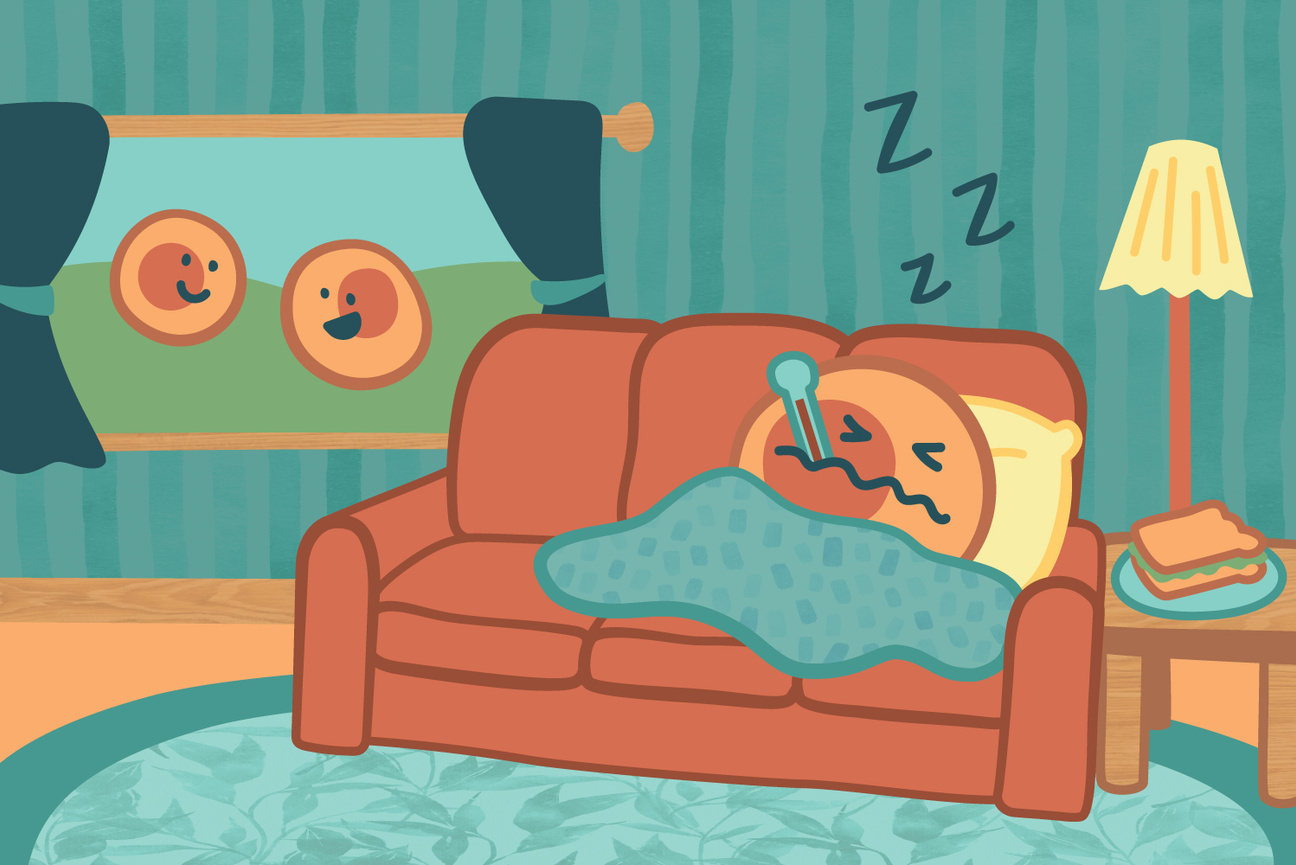
With respiratory illness season in full swing, a bad night’s sleep, sore throat, and desire to cancel dinner plans could all be considered hallmark symptoms of the flu, Covid-19 or other illnesses. Although everyone has, at some point, experienced illness and these stereotypical symptoms, the mechanisms that generate them are not well understood.

Zuri Sullivan, a new assistant professor in the MIT Department of Biology and core member of the Whitehead Institute for Biomedical Research, works at the interface of neuroscience, microbiology, physiology, and immunology to study the biological workings underlying illness. In this interview, she describes her work on immunity thus far as well as research avenues — and professional collaborations — she’s excited to explore at MIT.

Q: What is immunity, and why do we get sick in the first place?

A: We can think of immunity in two ways: the antimicrobial programs that defend against a pathogen directly, and sickness, the altered organismal state that happens when we get an infection.

Sickness itself arises from brain-immune system interaction. The immune system is talking to the brain, and then the brain has a system-wide impact on host defense via its ability to have top-down control of physiologic systems and behavior. People might assume that sickness is an unintended consequence of infection, that it happens because your immune system is active, but we hypothesize that it’s likely an adaptive process that contributes to host defense.

If we consider sickness as immunity at the organismal scale, I think of my work as bridging the dynamic immunological processes that occur at the cellular scale, the tissue scale, and the organismal scale. I’m interested in the molecular and cellular mechanisms by which the immune system communicates with the brain to generate changes in behavior and physiology, such as fever, loss of appetite, and changes in social interaction.

Q: What sickness behaviors fascinate you?

A: During my thesis work at Yale University, I studied how the gut processes different nutrients and the role of the immune system in regulating gut homeostasis in response to different kinds of food. I’m especially interested in the interaction between food, the immune system, and the brain. One of the things I’m most excited about is the reduction in appetite, or changes in food choice, because we have what I would consider pretty strong evidence that these may be adaptive.

Sleep is another area we’re interested in exploring. From their own subjective experience, everyone knows that sleep is often altered during infection.

I also don’t just want to examine snapshots in time. I want to characterize changes over the course of an infection. There’s probably going to be individual variability, which I think may be in part because pathogens are also changing over the course of an illness — we’re studying two different biological systems interacting with each other.

Q: What sorts of expertise are you hoping to recruit to your lab, and what collaborations are you excited about pursuing?

A: I really want to bring together different areas of biology to think about organism-wide questions. The thing that’s most important to me is people who are creative — I’d rather trainees come in with an interesting idea than a perfectly formed question within the bounds of what we already believe to be true. I’m also interested in people who would complement my expertise; I’m fascinated by microbiology, but I don’t have any formal training.

The Whitehead Institute is really invested in interdisciplinary work, and there’s a natural synergy between my work and the other labs in this small community at the Whitehead Institute.

I’ve been collaborating with Sebastian Lourido’s lab for a few years, looking at how Toxoplasma gondii influences social behavior, and I’m excited to invest more time in that project. I’m also interested in molecular neuroscience, which is a focus of Siniša Hrvatin’s lab. That lab is interested in the hypothalamus, and trying to understand the mechanisms that generate torpor. My work also focuses on the hypothalamus because it regulates homeostatic behaviors that change during sickness, such as appetite, sleep, social behavior, and body temperature.

By studying different sickness states generated by different kinds of pathogens — parasites, viruses, bacteria — we can ask really interesting questions about how and why we get sick.

Alumni Spotlight: Pia Banerjee, ’05

Banerjee lost a friend to brain cancer in eighth grade, sparking a lifelong curiosity about the disease and how it affects families.

Pamela Ferdinand | MIT Technology Review
March 3, 2026

Pia Banerjee ’05 traces her path into health care to eighth grade, when the loss of a friend to brain cancer first sparked her curiosity about the disease and how it affects families. Today, she is the inaugural director of cancer innovation and transformation at the American Cancer Society (ACS), which supports over 110 million patients and caregivers each year. Amid seismic shifts in how care is delivered and accessed, she leads initiatives to use technology to improve care and make it more equitable.

“Our goal is clear: to transform the cancer experience from fragmented and burdensome to equitable, connected, and personalized,” says Banerjee, who earned a biology degree from MIT and a PhD in psychology from Washington University in St. Louis before completing a postdoctoral fellowship in clinical neuropsychology at UCLA.

Working with patients and caregivers as a postdoc gave her a close-up view of how overwhelmed patients felt trying to coordinate complex care. Hoping to provide better support, Banerjee created her first digital health tool: a system designed to flag psychosocial and cognitive difficulties such as memory loss and prompt follow-up from the oncology team.

She then joined St. Jude Children’s Research Hospital as a researcher and clinician, helping lead studies on the long-term impacts of cancer treatment in children. Her work resulted in several high-impact publications and changes to clinical care guidelines.

Then the covid-19 pandemic hit, and as telehealth programs and remote patient monitoring soared, she reached a turning point. “I saw how moments of disruption can spark solutions that transform care in lasting ways,” she says.

Seeing the potential for personalized care from home, Banerjee next served as senior VP and founding clinical executive of Neuroglee Therapeutics, where she led the development of digital health solutions and a telehealth clinic. She then founded Synapse Health Partners in 2023 to help organizations create and adopt transformative health tech solutions.

In 2024, she joined the ACS, where her initiatives include an app for patients and caregivers to enhance quality of life and confidence in living with cancer, a unified data ecosystem, and an AI-facilitated service to match and navigate patients to clinical trials.

“MIT taught me to think across boundaries, with a curiosity and boldness that truly defines MIT,” Banerjee says. “That mindset drives me toward creating a future where every person with cancer can have more and better days.”

3 Questions with new faculty member Matthew G. Jones: Building predictive models to characterize tumor progression

The assistant professor hopes to decode molecular processes on the genetic, epigenetic, and microenvironment levels to anticipate how and when tumors evolve to resist treatment.

Lillian Eden | Department of Biology
March 10, 2026

Just as Darwin’s finches evolved in response to natural selection in order to endure, the cells that make up a cancerous tumor similarly counter selective pressures in order to survive, evolve, and spread. Tumors are, in fact, complex sets of cells with their own unique structure and ability to change. 

Today, artificial Intelligence and machine learning tools offer an unparalleled opportunity to illuminate the generalizable rules governing tumor progression on the genetic, epigenetic, metabolic, and microenvironmental levels. 

Matthew G. Jones, an Assistant Professor in the Department of Biology at MIT, the Koch Institute for Integrative Cancer Research, and the Institute for Medical Engineering and Science, hopes to use computational approaches to build predictive models — to play a game of chess with cancer, making sense of a tumor’s ability to evolve and resist treatment with the ultimate goal of improving patient outcomes. 

Q: What aspect of tumor progression are you hoping to explore and characterize? 

A: A very common story with cancer is that patients will respond to a therapy at first, and then eventually that treatment will stop working. The reason this largely happens is that tumors have an incredible, and very challenging, ability to evolve: the ability to change their genetic makeup, protein signaling composition, and cellular dynamics. The tumor as a system also evolves at a structural level. Oftentimes, the reason why a patient succumbs to a tumor is because either the tumor has evolved to a state we can no longer control, or it evolves in an unpredictable manner. 

In many ways, cancers can be thought of as, on the one hand, incredibly dysregulated and disorganized, and on the other hand, as having their own internal logic, which is constantly changing. The central thesis of my lab is that tumors follow stereotypical patterns in space and time, and we’re hoping to use computation and experimental technology to decode the molecular processes underlying these transformations.  

We’re focused on one specific way tumors are evolving through a form of DNA amplification called extrachromosomal DNA. Excised from the chromosome, these ecDNAs are circularized and exist as their own separate pool of DNA particles in the nucleus. 

Initially discovered in the 1960s, ecDNA were thought to be a rare event in cancer. However, as researchers began applying next-generation sequencing to large patient cohorts in the 2010s, it seemed like not only were these ecDNA amplifications conferring the ability of tumors to adapt to stresses, and therapies, faster, but that they were far more prevalent than initially thought.

We now know these ecDNA amplifications are apparent in about 25% of cancers, in the most aggressive cancers: brain, lung, and ovarian cancers. We have found that, for a variety of reasons, ecDNA amplifications are able to change the rule book by which tumors evolve in ways that allow them to accelerate to a more aggressive disease in very surprising ways. 

Q: How are you planning to use machine learning and artificial intelligence to study ecDNA amplifications and tumor evolution? 

A: There’s a mandate to translate what I’m doing in the lab to improve patients’ lives. I want to start with patient data to discover how various evolutionary pressures are driving disease and the mutations we observe. 

One of the tools we use to study tumor evolution is single-cell lineage tracing technologies. Broadly, they allow us to study the lineages of individual cells. When we sample a particular cell, not only do we know what that cell looks like, but we can, ideally, pinpoint exactly when aggressive mutations appeared in the tumor’s history. That evolutionary history gives us a way of studying these dynamic processes that we otherwise wouldn’t be able to observe in real time and helps us make sense of how we might be able to intercept that evolution. 

I hope we’re going to get better at stratifying patients who will respond to certain drugs, to anticipate and overcome drug resistance, and to identify new therapeutic targets.

Q: What excites you about joining this community, and what sorts of trainees are you hoping to recruit to your lab? 

A: One of the things that I was really attracted to was the integration of excellence in both engineering and biological sciences. At the Koch Institute, every floor is structured to promote this interface between engineers and basic scientists, and beyond campus, we can connect with all the biomedical research enterprises in the Greater Boston Area. 

Another thing that drew me to MIT was the fact that it places such a strong emphasis on education, training, and investing in student success. I’m a personal believer that what distinguishes academic research from industry research is that academic research is fundamentally a service job, in that we are training the next generation of scientists. 

It was always a mission of mine to bring excellence to both computational and experimental technology disciplines. The types of trainees I’m hoping to recruit are those who are eager to collaborate and solve big problems that require both disciplines. The KI is uniquely set up for this type of hybrid lab: my dry lab is right next to my wet lab, and it’s a source of collaboration and connection, and that reflects the KI’s general vision. 

New insights into a hidden process that protects cells from harmful mutations

To make up for the loss of an important gene's function, cells are known to ramp up activity of other genes with similar functions. New research from the Weissman Lab reveals insights into how cells coordinate this response.

Shafaq Zia | Whitehead Institute
February 12, 2026

Some genetic mutations that are expected to completely stop a gene from working surprisingly cause only mild or even no symptoms. Researchers in previous studies have discovered one reason why: cells can ramp up the activity of other genes that perform similar functions to make up for the loss of an important gene’s function. A new study, published Feb. 12 in the journal Science, from the lab of Whitehead Institute Member Jonathan Weissman now reveals insights into how cells can coordinate this compensation response.

Cells are constantly reading instructions stored in DNA. These instructions, called genes, tell them how to make the many proteins that carry out complex processes needed to sustain life. But first, they need to make a temporary copy of these genetic instructions called messenger RNA, or mRNA.

As part of normal maintenance, cells routinely break down these temporary messages. This process helps control gene activity — or how much protein is made from a given gene — and ensures that old or unnecessary messages don’t accumulate. Cells also destroy faulty mRNAs that contain errors. These messages, if used, could produce damaged proteins that clump together and interfere with normal cellular processes.

In 2019, external studies suggested that this cleanup could be serving as more than just a quality-control check. The researchers showed that when faulty mRNAs are broken down, this breakdown can signal cells to activate the compensation response. These works also suggested that cells decide which backup genes to turn up based on how closely these genes resemble the mRNA that’s being degraded.

But mRNA decay is a process that happens in the cytoplasm, outside the nucleus where DNA, and thereby genes, are stored. So, Mohamed El-Brolosy, a postdoc in the Weissman Lab and lead author of the study, and colleagues wondered how those two processes in different compartments of the cell could be connected. Understanding this mechanism with greater depth could enable development of therapeutics that trigger it in a targeted fashion.

The researchers started by investigating a specific gene that scientists know triggers a compensation response when its mRNA is destroyed by causing a closely related gene to become more active. To find out which molecules within the cell aid this process, the researchers systematically switched other genes off, one at a time.

That’s when they found a protein called ILF3. When the gene encoding this protein was turned off, cells could no longer ramp up the activity of the backup gene following mRNA decay.

Upon further investigation, the researchers identified small RNA fragments — left behind when faulty mRNAs are destroyed — underlying this response. These fragments contain a special sequence that acts like an “address”. The team proposed that this address guides ILF3 to related backup genes that share the same sequence as the faulty mRNA.

In fact, when they introduced mutations in this sequence, the cells’ compensation response dropped, suggesting that the system relies on precise sequence matching to target the correct backup genes.

“That was very exciting for us,” says Weissman, who is also a professor of biology at Massachusetts Institute of Technology and an investigator at the Howard Hughes Medical Institute (HHMI). “It showed us that this isn’t a generic stress response. It’s a regulated system.”

The researchers’ findings point toward new therapeutic possibilities, where boosting the activity of a related gene could mitigate symptoms of certain genetic diseases. More broadly, their work characterizes a mysterious layer of gene regulation.

El-Brolosy, M. A., et al. (2026). Mechanisms linking cytoplasmic decay of translation-defective mRNA to transcriptional adaptation. Science, 391, eaea1272. https://doi.org/10.1126/science.aea1272