
Antibiotic resistance: How to prevent the next public health emergency
Emma H. Yee, Steven S. Cheng, Grant A. Knappe, and Christine A. Moomau | MIT Science Policy Review
August 25, 2020

Article Summary

Antibiotics are a vital component of global health. By killing or inhibiting the growth of bacteria, antibiotics treat infections like pneumonia, staph, and tuberculosis.By preventing infections, they enable major medical procedures such as surgeries and chemotherapy. However,bacteria are becoming increasingly resistant to current antibiotics, causing an estimated 34,000 deaths annually in the US. Left unchecked, antibiotic resistance will have major public health consequences, causing over 5 million deaths each year by 2050. Major causes of this crisis are the misuse of existing antibiotics and the slow development of new antibiotics. To incentivize responsible use, governments and institutions are initiating education programs, mandating comprehensive hospital antibiotic stewardship programs, and funding the development of rapid diagnostics. To bring new antibiotic drugs to market, the US government and other non-governmental organizations are funding scientific research toward antibiotic development.Additional incentives are being pursued to improve the commercial viability of antibiotic development and protect drug developers from the unique challenges of the antibiotic market. With diligent efforts to improve responsible use and encourage novel antibiotic drug discovery, we can decrease the global disease burden, save money, and save lives.

Antibiotics are drugs that kill or inhibit the growth of bacteria, and we have them to thank for the 25-year increase in American life expectancy in the last century[1,2]. In 1900, the three leading causes of death were bacterial infections: pneumonia, tuberculosis, and diarrhea/enteritis[3]. Penicillin, the first antibiotic, was discovered in 1928. But it was not until World War II, when wounded soldiers were more likely to die from infections than the injuries themselves, that governments realized penicillin’s life-saving potential[4]. The US government began developing and mass-producing penicillin through unprecedented public, private, and international collaborations, prompting a new era of antibiotics. Antibiotics are now used to treat a myriad of common infections like strep throat, meningitis, tuberculosis, tetanus, urinary tract infections, and food poisoning. They also enable medical procedures that otherwise create a high risk of infection, such as invasive surgery, organ transplantation, and chemotherapy[5]. However, antibiotics are not “one size fits all”; certain types of antibiotics are only effective against certain kinds of bacteria, and all antibiotics are ineffective against viruses[6].

Antibiotics kill or inhibit bacterial growth via various mechanisms of action; they might attack the protective bacterial cell wall, interfere with bacterial reproduction, or interrupt production of molecules necessary for the bacteria’s survival[7]. However, bacteria reproduce and evolve rapidly, changing over time to resist an antibiotic’s destructive mechanism of action. In fact, the more we use antibiotics, the faster bacteria evolve to resist those antibiotics. As bacteria reproduce, random DNA mutations will occur. Most random mutations have no effect on the bacteria, but sometimes a mutation will give the bacteria a special ability to resist an antibiotic—for instance, the mutation may change the cellular target of the antibiotic, or allow the bacteria to pump the drug out of the cell. When an antibiotic is used on bacteria, most of the population will die, but if any of the bacteria have one of these resistance-conferring mutations, they will survive and continue to reproduce, until the entire population is resistant[5]. The use of antibiotics therefore creates environments where bacteria with antibiotic resistance mutations are more likely to survive and reproduce, while susceptible bacteria are gradually killed off.

Figure 1: Use of an antibiotic gradually increases the prevalence of resistant bacteria. If any cell has developed characteristics allowing it to resist attack by an antibiotic, it is more likely to survive and multiply.

This means that, over time, the bacteria that cause infections in humans are more and more likely to be resistant to common antibiotics. It is important to note that bacteria develop antibiotic resistance–not people. But when people use lots of antibiotics, they change bacterial populations such that more and more bacteria are resistant to those antibiotic drugs. This illustrates the double-edged sword nature of antibiotic use: antibiotics are immensely valuable for combating countless infections and enabling medical procedures, but the more we use them, the less valuable they become.

Today, antibiotic resistance is accelerating at alarming rates. The Centers for Disease Control and Prevention (CDC) estimates there are 3 million antibiotic resistant infections in the US every year, causing at least 34,000 deaths[5]. Globally, at least 700,000 deaths occur due to resistant infections, most of which are bacterial; the actual number is likely higher due to poor reporting and surveillance[8]. The prospect of widespread antibiotic resistance threatens to bring society into a post-antibiotic age where infections are more expensive and difficult to treat. This is a threat to not only public health but also the economic stability of the healthcare system[9] and national security[10].

Figure 2:Annual global deaths due to different factors. Antimicrobial resistance (AMR) accounts for resistance from bacteria, as well as fungi, viruses, parasites, and other microbes[15].
This review will focus on medical use of antibiotics in humans in the US, but antibiotic use in animals and agriculture are also major contributors to the current crisis[6]. It is also critical to understand that combating antibiotic resistance will require global cooperative action because infection-causing bacteria spread rapidly between cities, countries, and continents. A large part of addressing antibiotic resistance in the US is assisting and coordinating with other governments, especially those in low-income countries which have the highest instances of antibiotic resistance, but the fewest resources to deal with it[11]. It is also vital to understand the causes of antibiotic resistance in the US and effective actions US institutions can take.

Misuse and Overuse of Antibiotics

Overuse of antibiotics is a major contributor to the rapid proliferation of antibiotic resistant infections. It is estimated that US doctors’ offices and emergency departments prescribe about 47 million unnecessary antibiotic courses annually, amounting to 30% of all antibiotic prescriptions[12]. Many studies show that even when illnesses do require antibiotics, prescribed time courses are significantly longer than national guidelines[13, 14].

Rapid Diagnostics and Antibiotic Prescriptions: A major cause of ubiquitous antibiotic overuse is a lack of rapid methods for diagnosing infections. Physicians rely on tests that usually take days to weeks to identify if an infection is bacterial and, if so, which antibiotics will be most effective. Waiting this long can be harmful or even fatal for patients[15]. Therefore, physicians usually prescribe broadly effective antibiotics while knowing little about the nature of the infection[15]. This can save lives, but if the infection is caused by a virus or resistant bacteria, the antibiotics will not treat the illness and will give resistant strains a chance to further multiply, leaving patients susceptible to additional infections.

With growing awareness in the last 5-10 years that appropriate antibiotic use is difficult with current diagnostics, the CDC, the National Institute of Allergy and Infectious Diseases (NIAID), and the Biomedical Advanced Research and Development Authority (BARDA) have collectively awarded hundreds of millions of dollars to state health departments, businesses, and universities to develop rapid diagnostics[16]. BARDA and NIAID also organized a $20 million prize, the Antimicrobial Resistance Diagnostic Challenge[17], and fund the global non-profit, CARB-X, which has invested $82.5 million in 55 projects worldwide for antibiotic resistance research, including diagnostics[18]. This surge in resources and funding has increased rapid diagnostic development. For example, the NIAID funded development of BioFire’s FilmArray[19], which is now an FDA-cleared diagnostic test available for purchase in the US[20]. In just an hour, it tests patient samples for several common types of bacteria, viruses, and yeast, including antibiotic resistant ones[21].

However, new diagnostic technologies have limited effectiveness when they fail to meet practical cost and resource requirements. Cepheid’s GeneXpert MTB/RIF test, for example, can diagnose tuberculosis infection and determine resistance to rifampicin, a common antibiotic for tuberculosis, in 2 hours[22]. Unfortunately, it has not been used as widely as initially expected[23], mainly because the equipment costs $17,000, not counting training and set-up costs[24]. This illustrates another major shortcoming of current diagnostic technologies: high healthcare infrastructure and cost requirements that render them inaccessible to many people.

Widespread access to rapid diagnostics is not just about fairness, it’s a necessity. Antibiotic resistance will remain a problem in the US as long as it is a problem anywhere in the country or the world due to inevitable intra- and international bacterial transmission. Many recently developed rapid diagnostics cost $100-$250 per test[25, 26]. These diagnostic innovations are promising and valuable in filling part of the gap in rapid diagnostics, but their benefits will not be felt by the majority of global hospitals and patients that cannot afford or support high cost, high tech diagnostic investments. Increasing institutional funding in the last 10 years has resulted in new rapid diagnostics for identifying and characterizing infections, a potential step towards reducing antibiotic misuse and subsequent development of antibiotic resistance. However, ensuring accessibility of technological improvements is essential in combating antibiotic resistance.

Prescribing Practices: Updating prescription standards and educating healthcare workers and patients on responsible antibiotic use is another key step in reducing antibiotic overuse. In the US, patients are often prescribed antibiotics for far longer than necessary. Two recent studies found that 70% of patients with sinus infections and 70% of adults hospitalized with pneumonia were given antibiotics for 3 or more days longer than recommended[13, 14]. Oftentimes, this stems from an out-of-date belief that longer is better in terms of preventing the development and spread of resistant bacteria. In fact, the opposite is true. Shorter courses of antibiotics lower the selective pressure for development of resistance. This was illustrated in a study of pediatric antibiotic use[27], where children prescribed 5 days of amoxicillin for the treatment of respiratory infections were less likely to carry antibiotic resistant Streptococcus pneumoniae in their nasal passage than their peers who were treated for 10 days. These children were also found to be less likely to transmit resistant bacteria to others.

In many cases, common antibiotic treatments can be shortened without affecting the outcome. A trial of pneumonia patients found that the standard 8-day course of amoxicillin can be shortened to just 3 days with equal symptom relief and fewer side effects[28]. Similarly, treatment of ventilator-associated pneumonia can be effectively shortened from 14 to 8 days[29]. In some cases, shortened antibiotic courses have actually improved patient outcomes. A reduced course for urinary tract infections from 14 days to 7 days is not only effective, it also prevents post-treatment yeast infections[30].

As scientists and clinicians become more aware of the dangers of resistance, more studies are being conducted to determine the minimum amount of antibiotic required to adequately treat infections. The Infectious Diseases Society of America has also updated their Clinical Practice Guidelines to reflect findings that shorter treatment schedules are often just as effective, are easier to comply with, and reduce development and spread of resistant bacteria[31]. Performing
minimum effective antibiotic treatment trials is costly in the short term, but necessary to safely revise guidelines and save on long-term healthcare costs.

Public misunderstanding and misinformation regarding antibiotics also contribute to their overprescription. In many clinical settings where antibiotics are not necessary, patients may believe antibiotics are the most effective treatment and push their doctors to inappropriately prescribe them. For example, patients often seek antibiotics for viral respiratory illnesses (i.e. cold and flu), despite antibiotics being ineffective against viral infections[5]. It has been demonstrated that patient expectation of antibiotics or physician perception of this desire have a significant influence on antibiotic prescription[32–34].

Table 1: Antibiotic overuse is caused largely by shortcomings in diagnostic technologies and prescribing practices, but there are many possible ways to address these challenges.

Efforts to address this issue include educational initiatives for the public and antibiotic stewardship programs for healthcare providers. One such initiative was France’s national campaign to reduce antibiotic use, launched in 2001[35]. France, Europe’s largest antibiotics consumer, sought to address the problem through physician training and a public health campaign called “Antibiotics are not automatic”. This campaign spread public awareness that overusing antibiotics leads to resistance, and, during the winter flu season, that antibiotics kill bacteria – not the viruses responsible for most respiratory infections. Concurrently with this initiative, antibiotic use in France dropped by over 25% from 2000 to 2007, highlighting the ability of public health education to change clinical outcomes. In recent years, steps have been taken both in the US and internationally to encourage responsible antibiotic use via education, updated prescribing standards, and other courses of action. In 2016, the Joint Commission on Hospital Accreditation, an organization that accredits US healthcare organizations, mandated antibiotic stewardship programs in US hospitals that participate in Medicare and Medicaid. The Joint Commission issued standards cited from the CDC’s Core Elements of Hospital Antibiotic Stewardship Programs[36], including educating staff, healthcare practitioners, patients, and their families on responsible antibiotic use and resistance, appointing a pharmacist leaders to improve hospitals’ antibiotic use, tracking and reporting antibiotic prescribing and resistance patterns, and developing protocols for specific antibiotic use cases, such as pneumonia. The number of hospitals reporting an antibiotic stewardship program that meets all the CDC’s Core Elements doubled between 2014 and 2017[37], and will likely increase further, with stewardship programs now tied to accreditation. On an international scale, the UN and CDC have pushed for global implementation of One Health responses by releasing recommendations for engaging all members of society—governments, businesses, healthcare workers, etc.—in coordinated and strategic efforts to address antibiotic resistance[8]. Comprehensive promotion of responsible antibiotic use is vital to maintaining their usefulness for as long as possible, especially given the difficulty of developing new antibiotics.

Revitalizing the Antibiotic Pipeline

While it is important that existing antibiotics are prescribed cautiously and used responsibly, all antibiotics inevitably encounter resistance[38]. Consequently, continuously developing antibiotics with novel mechanisms of action—the method that an antibiotic uses to kill bacteria—that circumvent existing resistances will remain essential. However, developing these new drugs is costly; it can take well over a decade and cost more than $2 billion, with a 90% failure rate looming over the project[38]. Clinical trials, which require large, diverse populations to demonstrate evidence of drug superiority, account for 65% of the risk-adjusted cost for developing antibiotics[15]. The difficulty of antibiotic drug development is illustrated by the 2019 FDA approval of lefamulin, which marked the first approval of an IV/orally-administered antibiotic with a novel mechanism of action in two decades[39]. Scientific challenges inhibit discovery significantly. The immediately apparent antibiotic candidates have been developed, and discovering antibiotics with new mechanisms of action is challenging. It is now thought that any new, effective antibiotics will need multiple capabilities for killing bacteria, making their discovery more complex[3]. Emerging approaches in antibiotic discovery such as deep learning algorithms are promising technologies to solve these scientific challenges, but are far from bringing new antibiotics to patients[40].

In addition to scientific obstacles, the economics of antibiotic development have reduced innovation and output. The free market is failing to meet society’s antibiotic needs via multiple pathways[41]. Traditional sales-based models, in which revenue is directly proportional to the volume of sales, are antagonistic towards society’s goal of sustainable antibiotic use[2]. Evidence of the current system’s failure is the drastic decrease in antibiotic research programs[3] and the sparse output of new [2]. To address these challenges, policymakers are crucial actors; they can facilitate fertile economic conditions using a combination of 1) “push” policies to galvanize antibiotic discovery and development efforts and 2) “pull” policies to create profitable
economic conditions, incentivizing industry to work in this area. Simultaneously, these policies must be supplemented by sufficient regulations to ensure sustainable and equitable usage, broadly maximizing overall societal benefits.

Push Policies: Push policies drive companies to conduct antibiotic research and clinical trials[42] by providing monetary resources to antibiotic developers. Push policies are realized via grants and pipeline coordinators. Government grants allow both academia and industry to investigate antibiotic candidates and conduct clinical trials. Pipeline coordinators are agencies that ensure governmental funding is distributed efficiently across development stages. Coordinators are essential to ensuring equitable funding distribution across antibiotic candidates and identifying gaps and needs in the antibiotic pipeline from basic research through production. These vehicles have broad precedents and have demonstrated effectiveness at stimulating early stage scientific research. Current estimates show $550 million is spent annually on push spending, though some recommendations show that this number should be $800 million to fully meet the demand for antibiotic research[42]. However, push policies and spending do not completely address the major economic issues.

Figure 3:A combination of push and pull policies are necessary to generate conditions to revitalize the antibiotic pipeline. Currently, only push policies are implemented. Pull policies can de-link an antibiotic’s development from its economic success, which is projected to increase the development rate of antibiotics that society needs.

Pull Policies: The primary goal of push policies is to jump start research and development in antibiotic discovery, but issues remain with the current market structure for antibiotics. This is illustrated by the fact that companies are failing after bringing important antibiotics to market. For instance, the biopharmaceutical company Achaogen successfully developed the antibiotic plazomicin in 2018, but filed for bankruptcy the following year due to insufficient profits from plazomicin[43]. Why would a company that successfully brings a new antibiotic to market fail? Antibiotics are generally prescribed for short periods of time (usually under two weeks), modern health policies support reducing or delaying the use of new antibiotics, and the market lifetime of antibiotics is reduced due to the inevitable development of resistance[44].Overall, these realities minimize sales of the new antibiotic and thus the profits of the developing company. In response, policymakers have proposed pull policies to de-link the sales of the new antibiotic to the economic reward given to the developers, improving the economic viability of developing new antibiotics. These pull policies are supported by the Infectious Diseases Society of America[45]. By de-linking sales from economic reward, the revenue from a new antibiotic is not purely based on the sales volume of that antibiotic. For example, a market entry reward (MER) — a large monetary sum given to developers of novel antibiotics upon successful drug approval — can be used to partially or fully de-link the number of sales from the economic reward. Multiple groups, such as the Boston Consulting Group, have estimated that a $1 billion MER per antibiotic is sufficient, suggesting that this award amount would lead to twenty novel antibiotics for society over the next three decades[42, 46].

An important supplement to any MER policy is the antibiotic susceptibility bonus (ASB)[47]. The ASB rewards companies that develop antibiotics that are effective over long periods of time. As an antibiotic remains effective against target bacteria, companies receive monetary awards. This policy helps better align all stakeholders’ (companies, patients, hospitals, insurance networks) interests towards generating and maintaining effective antibiotics. Companies will no longer have an incentive to oversell antibiotics, as they will receive more money the longer their drug is effective. This supplemental policy could safeguard MERs against abuse, and incentivize the development of antibiotics that act in society’s best interest: to develop effective treatments for long periods of time.

Another potential pull policy is the long-term supply continuity model (LSCM)[42], which addresses how companies respond once market exclusivity for a drug ends due to patent expiration. Suppliers may respond to loss of market exclusivity by either manufacturing fewer units in the case of a modest market or by increasing sales through marketing and promotion. Both actions are detrimental to public health in the case of an antibiotic, either promoting antibiotic overuse or making it harder for people who need the antibiotic to get it. The LSCM addresses this by having a country or group of countries make an agreement with manufacturers to produce a predetermined amount of the respective antibiotic for a specified price. This model to generate a predictable supply of an antibiotic acts as a pull mechanism by making the market for novel, essential antibiotics more sustainable for manufacturers.

Pull policies also have some downsides. For one, pull policies only reward successful antibiotic discovery campaigns; the inherent risk in developing these drugs may still dissuade companies. Also, while push policies have been validated with real world results, pull policies have not been evaluated as extensively. To encourage companies to work in this area, push policies, as well as pull policies, are needed to lower the risk of failed discovery programs. To develop the new drugs that society needs, companies need funding to start research and development and economic incentives to take the drugs to market.

Conclusion Proliferation of antibiotic resistance in bacteria is a major public health problem that is only accelerating. This crisis is caused by overuse of existing antibiotic drugs and lagging development of new ones. To address the former, many US and international institutions are working to improve current diagnostic practices and adopt standards for responsible antibiotic use. Increasing funding for rapid diagnostics R&D, initiating educational programs, and mandating the adoption of comprehensive hospital antibiotic stewardship programs are possible ways to reduce antibiotic overuse. To encourage the development of novel antibiotic drugs, many organizations have also subsidized research and development in this area. Additional incentives are being pursued to improve the commercial viability of antibiotic development and protect drug developers from the risks of the antibiotic market. Antibiotic resistance is a major global health crisis, but with efforts to improve responsible use and end the almost 40-year drought of novel antibiotic drug discovery[48], we can take steps to prevent the next public health emergency. 4“The right of the people to be secure in their persons, houses, papers, and effects, against unreasonable searches and seizures, shall not be violated, and no warrants shall issue, but upon probable cause supported by oath or affirmation, and particularly describing the place to be searched, and the persons or things to be seized.”

Acknowledgements

We thank Erika Madrian for her input in shaping the manuscript.

Citation

Yee, E. H., Cheng, S. S., Knappe, G. A. & Moomau, C. A. Antibiotic resistance: How to prevent the next public health emergency. MIT Science Policy Review 1, 10-17 (2020).

A recipe for cell fitness

Researchers determine how much of an enzyme is ‘just enough’ to keep a cell healthy and growing.

Raleigh McElvery
July 28, 2020

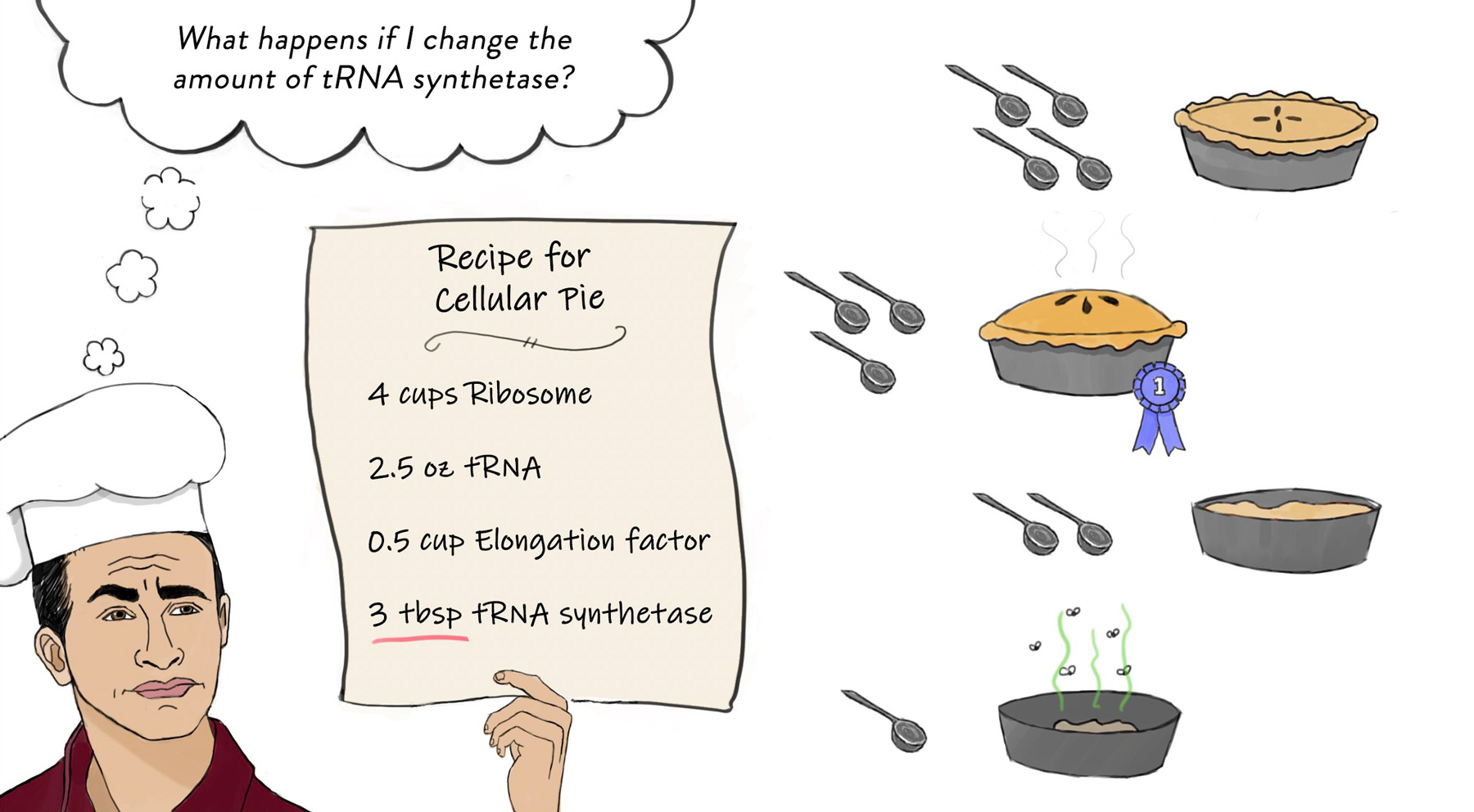
What ratio of ingredients makes a healthy cell? Researchers know which components are required for proper function, but they’re still working to understand what happens when there’s too much of one protein or not enough of another. As a graduate student in Gene-Wei Li’s lab, Darren Parker PhD ’20 spent years tweaking the recipe for a bacterial cell, adding more or less of one enzyme, aminoacyl-tRNA synthetase (aaRS). He wanted to know: How much aaRS is “just right” for bacterial cells? His findings were published in Cell Systems on July 28.

tRNAs, or transfer RNAs, carry amino acids to the ribosome to help produce proteins. But first, aaRSs must “charge” the tRNAs by attaching an amino acid to them. In doing so, aaRSs not only help the cell make proteins and grow; they also ensure the levels of “uncharged” tRNAs lacking amino acids don’t rise too high, as too many of them can trigger stress responses that slow cell growth. Parker and his collaborators predicted that tinkering with aaRS levels would uncover one of two possible scenarios. Perhaps cells tune their aaRS production to minimize the amount of uncharged tRNAs present. Alternatively, aaRS production could be dictated by the rate of protein synthesis necessary for cell growth — even if that means accumulating uncharged tRNAs.

The researchers determined the latter was true: cells make “just enough” aaRSs to optimize protein production and cell growth. This delicate balance was easily upset when too few aaRSs were produced, cueing the stress responses to kick in and slow growth. Although excess aaRSs reduced the amount of uncharged tRNA, it also hindered cell growth. The researchers determined that the cellular circuits in charge of controlling and sensing tRNA charging are collectively tuned to optimize bacterial growth.

“These results demonstrate that cells have delicately balanced the costs and benefits of producing their proteins,” Parker says. “Understanding the driving forces behind protein production is important for better understanding disease processes, and engineering cells to perform new functions.”

Parasite research heats up
Greta Friar | Whitehead Institute
July 7, 2020

Apicomplexan parasites infect hundreds of millions of people around the world each year. Several species of apicomplexan parasites in the Plasmodium genus cause malaria, while another apicomplexan species, Toxoplasma gondii (T. gondii), causes toxoplasmosis, a disease with flu-like symptoms that can be lethal for people with weakened immune systems. In spite of their impact, the biology of these disease-causing parasites is not very well understood and treatment options for infection are limited.

One potential approach to treat infection could be drugs that disrupt the parasites’ calcium signaling, which they rely on to spread from cell to cell in their hosts. The parasites need an influx of calcium in order to burst out of an infected host cell—a process called egress—and move through the host’s body and invade other cells. In previous work, a researcher from Whitehead Institute Member Sebastian Lourido’s lab, Saima Sidik, had tested a large collection of molecules and identified one called enhancer 1 (ENH1), which perturbed the parasites’ calcium levels and prevented egress, as a promising anti-parasitic lead. However, the original experiments did not determine how ENH1 acts. In research published in the journal ACS Chemical Biology on June 29, Alice Herneisen, a graduate student in Lourido’s lab, and Lourido, who is also an assistant professor of biology at the Massachusetts Institute of Technology, used an approach called thermal proteome profiling to discover how ENH1 prevents T. gondii parasites from egress. They identified the main target of ENH1 as a calcium-dependent molecule called CDPK1 that parasites use to prepare for egress, moving between cells, and invasion of host cells. ENH1 binds to and prevents CDPK1 from functioning.

“Advances over the past few decades have made discovering a molecule’s potentially therapeutic activity much easier, but the next step of figuring out how the molecule works is often still a challenge,” Lourido says. “By applying newer expansive approaches, we are starting to build a more holistic picture of the parasites’ cell biology.”

Understanding the biology responsible for a potential drug’s observed effects is important because most drugs require modification before they are ready for human use—they may need to be made less toxic, more potent, or more amenable to the environment of the human body—and these sorts of modifications cannot be made until the molecule and its activity are understood.

Herneisen decided to use a relatively new approach in parasites, thermal proteome profiling, to discover the targets of ENH1—the molecules it binds to, leading to its therapeutic effects. The approach works by graphing how each of the proteins inside the parasite reacts to changes in heat with and without being exposed to ENH1. One advantage of this approach is that it is unbiased, meaning that instead of researchers picking likely targets up front to test, they investigate as many molecules as possible, which can lead to unexpected findings. For example, Lourido has been investigating CDPK1 in other contexts for many years, and based on his lab’s previous understanding of its role would not have expected it to be a main target of ENH1—such surprises can direct research in exciting new directions.

Although CDPK1 is ENH1’s main target, the investigations did not uncover the target that allows ENH1 to cause oscillations in the parasites’ calcium levels. Finding this missing target is one of the lab’s next goals.

“The fact that ENH1 affects multiple aspects of calcium signaling may be what makes it such an effective antiparasitic agent,” Herneisen says. “It’s messing with the parasites on several levels.”

Translation of the research for clinical testing is a long way off, but there are multiple indicators that this is a promising direction for investigation. Not only is calcium signaling key to the parasites’ life cycle and ability to spread inside of a host, but the molecules and mechanisms that the parasites use to modulate calcium levels are very different from the ones found in mammals. This means that a drug that disrupts the parasites’ calcium signaling is unlikely to interfere with calcium signaling in human patients, and so could be deadly to the parasites without harming the patients’ cells.

Written by Greta Friar

***

Sebastian Lourido’s primary affiliation is with Whitehead Institute for Biomedical Research, where his laboratory is located and all his research is conducted. He is also an assistant professor of biology at the Massachusetts Institute of Technology.

***

Herneisen, Alice L. et al. “Identifying the target of an antiparasitic compound in Toxoplasma using thermal proteome profiling.” ACS Chemical Biology, June 29, 2020. https://doi.org/10.1021/acschembio.0c00369

Global perspectives on microscopic pathogens

Junior Emily O’Rourke traveled to South Africa to investigate epidemics and returned with a broader outlook on her fundamental disease research.

Raleigh McElvery
March 31, 2020

Growing up in El Paso, Texas near the border of the U.S. and Mexico, Emily O’Rourke could venture across cultures in less time than it takes most people to commute to work. In fact, her dad would make this short trip each day for his job as a mechanical engineer. Watching him cross over so frequently reminded O’Rourke that “ideas and skills don’t stop at the border.” O’Rourke herself would visit Mexico to see relatives, and these experiences seeded aspirations to spearhead international scientific collaborations. Now a junior in Course 7 (Biology), O’Rourke is continuing to add stamps to her passport while exploring the global implications of disease research.

O’Rourke chose MIT because it offered a particularly wide array of study abroad programs, in addition to having top-tier research opportunities. One such study abroad program, MIT International Science and Technology Initiatives (MISTI), operates 25 regional programs, matching undergraduate and graduate students with fully-funded internship, research, and teaching opportunities in over 40 countries. The summer after her first year, O’Rourke participated in MISTI’s MIT-Italy Program in order to gain some research experience in the realm of urban planning. For six weeks, she investigated the urban effects of sea level rise while living in Venice.

When she returned to campus for her sophomore year, O’Rourke was intending to double major in physics and biology. But she ultimately opted to drop physics and pursue the life sciences once she started working in Becky Lamason’s lab in the Department of Biology.

“I started to see how biology worked on a practical level,” she says. “I get to experience a hands-on connection by running DNA on a gel and doing other experiments. During our weekly lab meetings, I witness scientific stories as they unfold.”

More recently, the duo has begun to examine how Sca4 may coopt another protein in the host cell, known as clathrin, for its own malicious means. “Sca4 is a really big protein and we still don’t know its entire structure,” O’Rourke says, “and we’re hoping to uncover some new functions.”The Lamason lab investigates how parasites hijack host cells processes in order to spread infection. O’Rourke is working with graduate student Cassandra Vondrak to probe the proteins that allow the tick-borne Rickettsia parkeri to migrate from one cell to the next. Their protein of interest, surface cell antigen 4 (Sca4), is secreted by the bacterium and binds to the host’s cell membrane, reducing the tension across the membrane and allowing Rickettsia to punch through to the neighboring cell. O’Rourke and Vondrak aim to determine how Rickettsia releases Sca4, in the hopes of piecing together a general mechanism by which pathogens propagate.

While O’Rourke was studying infectious disease on a cellular level, she heard about an opportunity to explore epidemics on a global scale. Each January, the Harvard-MIT Program in Health Sciences and Technology sponsors a two-week class in South Africa called Evolution of an Epidemic. The class, taught by Professor of the Practice Bruce Walker, covers the medical, scientific, and political responses to new diseases, focusing on the HIV/AIDS epidemic. Walker, who is also the director of the Ragon Institute of MGH, MIT and Harvard, is a world leader in the study of immune control and evasion in HIV infection. Since then, he’s developed strong connections and research partnerships in South Africa where the disease is most prevalent.

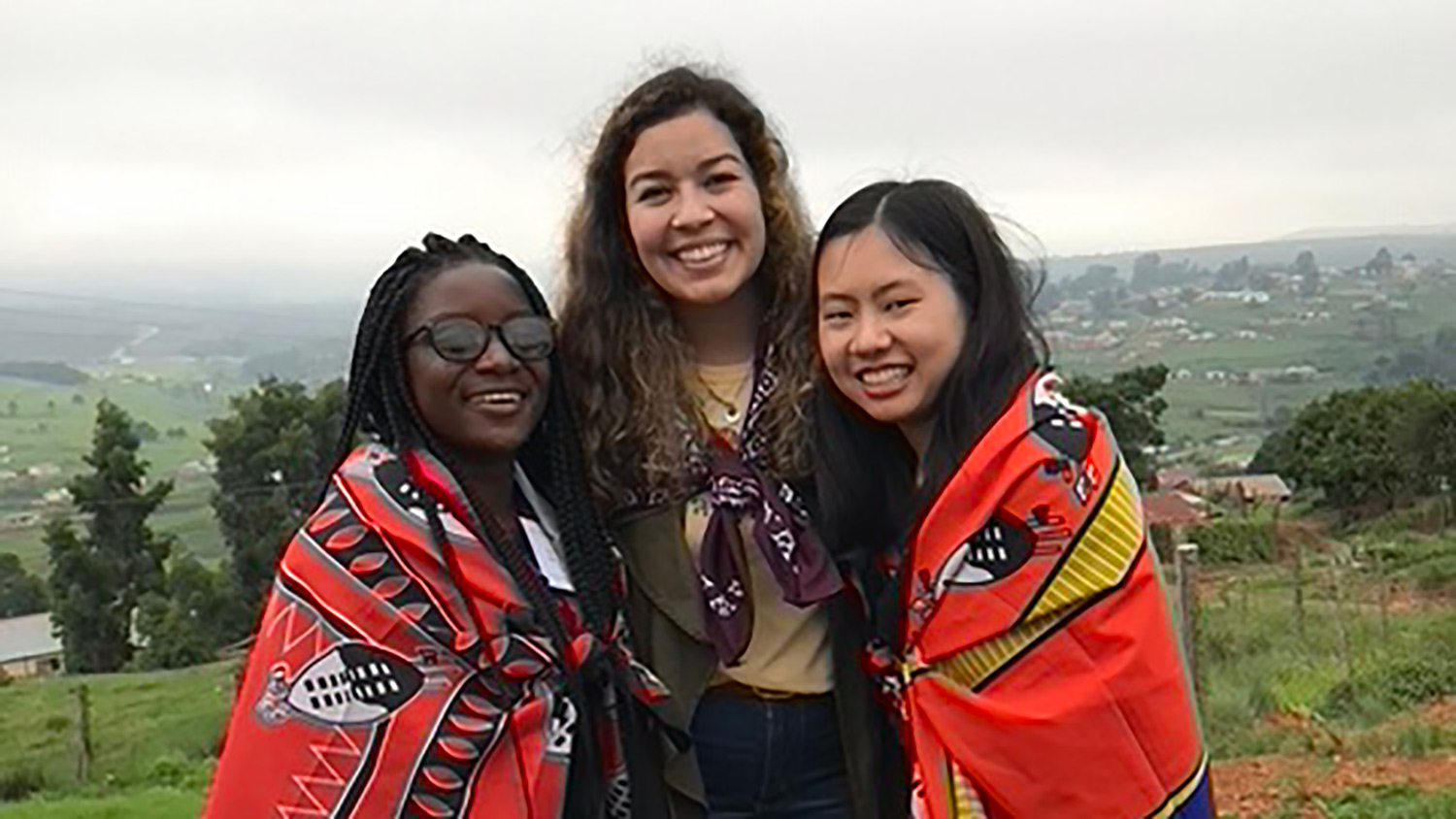
O’Rourke enrolled in Evolution of an Epidemic, and MISTI helped her to plan her trip. On January 16, she landed in Johannesburg, the first of three destinations. The cohort of students from MIT, Harvard, and the African Leadership Academy attended lectures, spoke with patients, and met medical professionals.

After Johannesburg, the class traveled to Durban where they visited traditional healers who were learning to administer HIV/AIDS tests as part of the iTeach program.

“We had the chance to ask these healers how they felt about interacting with Western medicine, and whether it clashed with their traditional values,” O’Rourke says. “They said HIV was so new that they couldn’t draw upon ancient wisdom from their ancestors to treat it. They were directing patients towards Western treatments because they’d seen the devastation the disease could cause.”

iTeach building
The iTEACH Program located in KwaZulu-Natal, South Africa.

At their third and final destination, the province of KwaZulu-Natal, O’Rourke toured the FRESH Program. Twice a week, as part of a clinical trial, healthy African women around O’Rourke’s age attend classes that address topics like self-esteem, gender-based violence, HIV prevention, career development, and computer training. Before each session, the women are tested for HIV/AIDS, so if they contract it the researchers can treat it early and learn more about the disease’s initial stages.

“I really liked going there because it helped me see a direct connection between science and social good,” O’Rourke says. “It showed the value of talking to patients and asking about their experiences, rather than just looking at study outcomes.”

After two weeks, O’Rourke returned to MIT Biology and the Lamason lab with a broader outlook on her parasite research. “I’m able to see how my works fits into a larger context,” she says, “and how it may eventually have far-reaching impacts on disease evolution and spread.”

O’Rourke still plans to pursue fundamental biological research, but intends to seek out international collaborations focused on global health as well. It’s hard to leave the MIT bubble, she says, but it’s worth it. “Traveling can really broaden your perspective as a scientist, and inform your research in unexpected ways.”

Photos courtesy of Emily O’Rourke
Posted 4.1.20
Bacterial enzyme could become a new target for antibiotics

Scientists discover the structure of an enzyme, found in the human gut, that breaks down a component of collagen.

Anne Trafton | MIT News Office
March 17, 2020

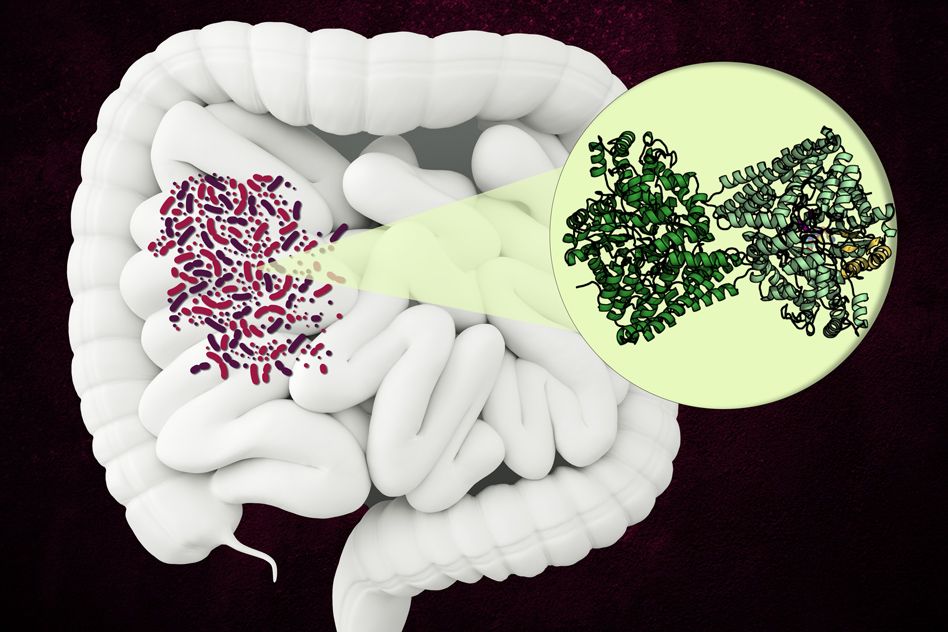
MIT and Harvard University chemists have discovered the structure of an unusual bacterial enzyme that can break down an amino acid found in collagen, which is the most abundant protein in the human body.

The enzyme, known as hydroxy-L-proline dehydratase (HypD), has been found in a few hundred species of bacteria that live in the human gut, including Clostridioides difficile. The enzyme performs a novel chemical reaction that dismantles hydroxy-L-proline, the molecule that gives collagen its tough, triple-helix structure.

Now that researchers know the structure of the enzyme, they can try to develop drugs that inhibit it. Such a drug could be useful in treating C. difficile infections, which are resistant to many existing antibiotics.

“This is very exciting because this enzyme doesn’t exist in humans, so it could be a potential target,” says Catherine Drennan, an MIT professor of chemistry and biology and a Howard Hughes Medical Institute Investigator. “If you could potentially inhibit that enzyme, that could be a unique antibiotic.”

Drennan and Emily Balskus, a professor of chemistry and chemical biology at Harvard University, are the senior authors of the study, which appears today in the journal eLife. MIT graduate student Lindsey Backman and former Harvard graduate student Yolanda Huang are the lead authors of the study.

A difficult reaction

The HypD enzyme is part of a large family of proteins called glycyl radical enzymes. These enzymes work in an unusual way, by converting a molecule of glycine, the simplest amino acid, into a radical — a molecule that has one unpaired electron. Because radicals are very unstable and reactive, they can be used as cofactors, which are molecules that help drive a chemical reaction that would otherwise be difficult to perform.

These enzymes work best in environments that don’t have a lot of oxygen, such as the human gut. The Human Microbiome Project, which has sequenced thousands of bacterial genes from species found in the human gut, has yielded several different types of glycyl radical enzymes, including HypD.

In a previous study, Balskus and researchers at the Broad Institute of MIT and Harvard discovered that HypD can break down hydroxy-L-proline into a precursor of proline, one of the essential amino acids, by removing the hydroxy modification as a molecule of water. These bacteria can ultimately use proline to generate ATP, a molecule that cells use to store energy, through a process called amino acid fermentation.

HypD has been found in about 360 species of bacteria that live in the human gut, and in this study, Drennan and her colleagues used X-ray crystallography to analyze the structure of the version of HypD found in C. difficile. In 2011, this species of bacteria was responsible for about half a million infections and 29,000 deaths in the United States.

The researchers were able to determine which region of the protein forms the enzyme’s “active site,” which is where the reaction occurs. Once hydroxy-L-proline binds to the active site, a nearby glycine molecule forms a glycyl radical that can pass that radical onto the hydroxy-L-proline, leading to the elimination of the hydroxy group.

Removing a hydroxy group is usually a difficult reaction that requires a large input of energy.

“By transferring a radical to hydroxy-L-proline, it lowers the energetic barrier and allows for that reaction to occur pretty rapidly,” Backman says. “There’s no other known enzyme that can perform this kind of chemistry.”

New drug target

It appears that once bacteria perform this reaction, they divert proline into their own metabolic pathways to help them grow. Therefore, blocking this enzyme could slow down the bacteria’s growth. This could be an advantage in controlling C. difficile, which often exists in small numbers in the human gut but can cause illness if the population becomes too large. This sometimes occurs after antibiotic treatment that wipes out other species and allows C. difficile to proliferate.

C. difficile can be in your gut without causing problems — it’s when you have too much of it compared to other bacteria that it becomes more problematic,” Drennan says. “So, the idea is that by targeting this enzyme, you could limit the resources of C. difficile, without necessarily killing it.”

The researchers now hope to begin designing drug candidates that could inhibit HypD, by targeting the elements of the protein structure that appear to be the most important in carrying out its function.

The research was funded by the National Institutes of Health, a National Science Foundation Graduate Research Fellowship, Harvard University, a Packard Fellowship for Science and Engineering, the NSERC Postgraduate Scholarship-Doctoral Program, an Arnold O. Beckman Postdoctoral Fellowship, a Dow Fellowship, and a Gilliam Fellowship from the Howard Hughes Medical Institute.

Exploring How Cells Repair and Tolerate DNA Damage
National Institute of Environmental Health Sciences
March 2, 2020

Graham Walker, Ph.D., studies the processes cells use to repair and tolerate DNA damage from environmental pollutants. For more than 40 years, he has worked to understand how cells respond to DNA damage, and how these processes can introduce mutations that lead to cancer and other human diseases.

His current NIEHS-funded work focuses on translesion synthesis (TLS). This damage tolerance process allows specialized enzymes that copy DNA, called TLS DNA polymerases, to replicate past lesions in damaged DNA. The process can help cells tolerate environmental DNA damage, but because TLS polymerases frequently insert the wrong DNA base, they can also lead to DNA mutations.

“The TLS process is critically important to human health because it helps cells survive DNA damage, but it can come at a cost,” said Walker. “It isn’t the kind of repair system you would think we would want because it makes a lot of mistakes. However, as we drill into these details, we are finding that there is so much more to be learned than just the strict biochemistry.”

In 2017, Walker was one of eight environmental health scientists to receive an inaugural Revolutionizing Innovative, Visionary Environmental Health Research (RIVER) Outstanding Investigator Award from NIEHS. The grant, which funds researchers rather than specific projects, provides Walker with flexibility to explore novel directions in his research.

From the Ames Test to TLS

Walker was drawn into the world of DNA repair and mutagenesis as a postdoctoral fellow at the University of California, Berkeley, under the guidance of Bruce Ames, Ph.D. Ames’ group created the Ames test, still used today, to determine whether a given chemical is likely to cause cancer. The Ames test uses bacterial strains that include a derivative of a naturally occurring drug-resistant plasmid, a small circular DNA molecule, known as pKM101. This molecule significantly increases the mutation rate of bacterial genes in response to chemical exposures, playing an important role in this quick and convenient test to estimate carcinogenic potential.

“I decided there must be something really interesting on that plasmid because it led to much higher mutation rates in bacteria for the same amount of damage,” said Walker.

After arriving at the Massachusetts Institute of Technology, his current employer, Walker continued to study the mechanisms behind these mutations.

Walker and his research team discovered the specific genes of pKM101 that are needed for it to produce more mutations. They showed that these genes are orthologs, or genes that evolved from a common ancestral gene, in the Escherichia coli (E. coli) chromosome that are required for the bacteria to mutate in response to DNA damage. This work helped lay the groundwork for the discovery of TLS DNA polymerases and how they are controlled.

“When we first sequenced these genes, nothing like them had been previously reported, but subsequently more and more related genes were discovered in all domains of life,” said Walker. “After decades of work by many labs, we now know that these are all TLS DNA polymerases and that the pKM101 plasmid encodes a polymerase that is responsible for the increased mutations.”

Using Bacteria to Understand DNA Damage

Walker’s prior research on the mutagenesis-enhancing function of pKM101 also led him to analyze E. coli’s SOS system, a set of biological responses that are activated to rescue cells from severe DNA damage. Walker and his team identified genes turned on by DNA damage that are regulated as part of E. coli’s SOS response. Many of the genes encode functions involved in DNA repair or mutagenesis. This work on the SOS response of E. coli was the first to directly demonstrate, in any organism, that DNA damage from environmental sources can change gene expression.

By further exploring TLS DNA polymerases in E. coli, he also identified the biological role of one of the most conserved DNA-damage response enzymes, DinB, which encodes a TLS DNA polymerase, and reported that the gene is required for resistance to some DNA-damaging agents. His work on DinB also suggested an additional mechanism by which antibiotics can become toxic to bacterial cells.

Blocking TLS in Cancer

“While a postdoc in the mid 1970’s with Bruce Ames, my ambitious hope was that by studying pKM101, I would learn something about the fundamental mechanism of how mutations arose in bacteria and humans, and might even learn how to control it,” said Walker. “That is now happening with my current, NIEHS-funded work.”

Some tumors can withstand damage from chemotherapy drugs by relying on TLS, which allows them to survive by replicating past damaged DNA caused by the drugs. In eukaryotes, including humans, mutagenic TLS is carried by two TLS DNA polymerases known as Rev1 and Pol zeta.

In addition to his innovative research, Walker is devoted to improving education and helping undergraduate students. In 2002, Walker became a Howard Hughes Medical Institute Professor and used his funding to establish a science education group modeled on his laboratory research group.

“I feel that training the next generations of scientists is as important as the science itself, and I have been incredibly lucky to have a spectacular set of grad students and post docs work with me over the years,” said Walker. “I have tried to focus as much on training, through teaching and mentoring, as on advancing the science.”

“Not only are these TLS polymerases responsible for introducing a lot of mutations that cause cancer, they also help cancer cells survive in the face of chemotherapy drugs that introduce DNA damage that would otherwise kill them,” said Walker.

Recently, Walker and his colleagues discovered that a small molecule and compound known as JH-RE-06 can block the Rev1-Pol zeta mutagenic TLS pathway by interfering with the ability of the Rev1 domain to recruit Pol zeta. The researchers tested the molecule in human cancer cell lines and showed that it enhanced the ability of several different types of chemotherapy to kill cancer cells, while also suppressing their ability to mutate in the presence of DNA-damaging drugs. In a mouse model of human melanoma, they found that not only did the tumors stop growing in mice treated with a combination of the chemotherapy drug cisplatin and JH-RE-06, those mice also survived longer.

“I am able to take more chances and try more high-risk experiments with the RIVER award,” said Walker. “The flexibility and extra resources are now allowing me to identify TLS inhibitors, which are offering startlingly unexpected mechanistic insights and also show potential to improve chemotherapy.”

Testing the waters

MIT sophomore Rachel Shen looks for microscopic solutions to big environmental challenges.

Lucy Jakub | Department of Biology
January 28, 2020

In 2010, the U.S. Army Corps of Engineers began restoring the Broad Meadows salt marsh in Quincy, Massachusetts. The marsh, which had grown over with invasive reeds and needed to be dredged, abutted the Broad Meadows Middle School, and its three-year transformation fascinated one inquisitive student. “I was always super curious about what sorts of things were going on there,” says Rachel Shen, who was in eighth grade when they finally finished the project. She’d spend hours watching birds in the marsh, and catching minnows by the beach.

In her bedroom at home, she kept an eye on four aquariums furnished with anubias, hornwort, guppy grass, amazon swords, and “too many snails.” Now, living in a dorm as a sophomore at MIT, she’s had to scale back to a single one-gallon tank. But as a Course 7 (Biology) major minoring in environmental and sustainability studies, she gets an even closer look at the natural world, seeing what most of us can’t: the impurities in our water, the matrices of plant cells, and the invisible processes that cycle nutrients in the oceans.

Shen’s love for nature has always been coupled with scientific inquiry. Growing up, she took part in Splash and Spark workshops for grade schoolers, taught by MIT students. “From a young age, I was always that kid catching bugs,” she says. In her junior year of high school, she landed the perfect summer internship through Boston University’s GROW program: studying ant brains at BU’s Traniello lab. Within a colony, ants with different morphological traits perform different jobs as workers, guards, and drones. To see how the brains of these castes might be wired differently, Shen dosed the ants with serotonin and dopamine and looked for differences in the ways the neurotransmitters altered the ants’ social behavior.

This experience in the Traniello lab later connected Shen to her first campus job working for MITx Biology, which develops online courses and educational resources for students with Department of Biology faculty. Darcy Gordon, one of the administrators for GROW and a postdoc at the Traniello Lab, joined MITx Biology as a digital learning fellow just as Shen was beginning her first year. MITx was looking for students to beta-test their biochemistry course, and Gordon encouraged Shen to apply. “I’d never taken a biochem course before, but I had enough background to pick it up,” says Shen, who is always willing to try something new. She went through the entire course, giving feedback on lesson clarity and writing practice problems.

Using what she learned on the job, she’s now the biochem leader on a student project with the It’s On Us Data Sciences club (formerly Project ORCA) to develop a live map of water contamination by rigging autonomous boats with pollution sensors. Environmental restoration has always been important to her, but it was on her trip to the Navajo Nation with her first-year advisory group, Terrascope, that Shen saw the effects of water scarcity and contamination firsthand. She and her peers devised filtration and collection methods to bring to the community, but she found the most valuable part of the project to be “working with the people, and coming up with solutions that incorporated their local culture and local politics.”

Through the Undergraduate Research Opportunities Program (UROP), Shen has put her problem-solving skills to work in the lab. Last summer, she interned at Draper and the Velásquez-García Group in MIT’s Microsystems Technologies Laboratories. Through experiments, she observed how plant cells can be coaxed with hormones to reinforce their cell walls with lignin and cellulose, becoming “woody” — insights that can be used in the development of biomaterials.

For her next UROP, she sought out a lab where she could work alongside a larger team, and was drawn to the people in the lab of Sallie “Penny” Chisholm in MIT’s departments of Biology and Civil and Environmental Engineering, who study the marine cyanobacterium Prochlorococcus. “I really feel like I could learn a lot from them,” Shen says. “They’re great at explaining things.”

Prochlorococcus is one of the most abundant photosynthesizers in the ocean. Cyanobacteria are mixotrophs, which means they get their energy from the sun through photosynthesis, but can also take up nutrients like carbon and nitrogen from their environment. One source of carbon and nitrogen is found in chitin, the insoluble biopolymer that crustaceans and other marine organisms use to build their shells and exoskeletons. Billions of tons of chitin are produced in the oceans every year, and nearly all of it is recycled back into carbon, nitrogen, and minerals by marine bacteria, allowing it to be used again.

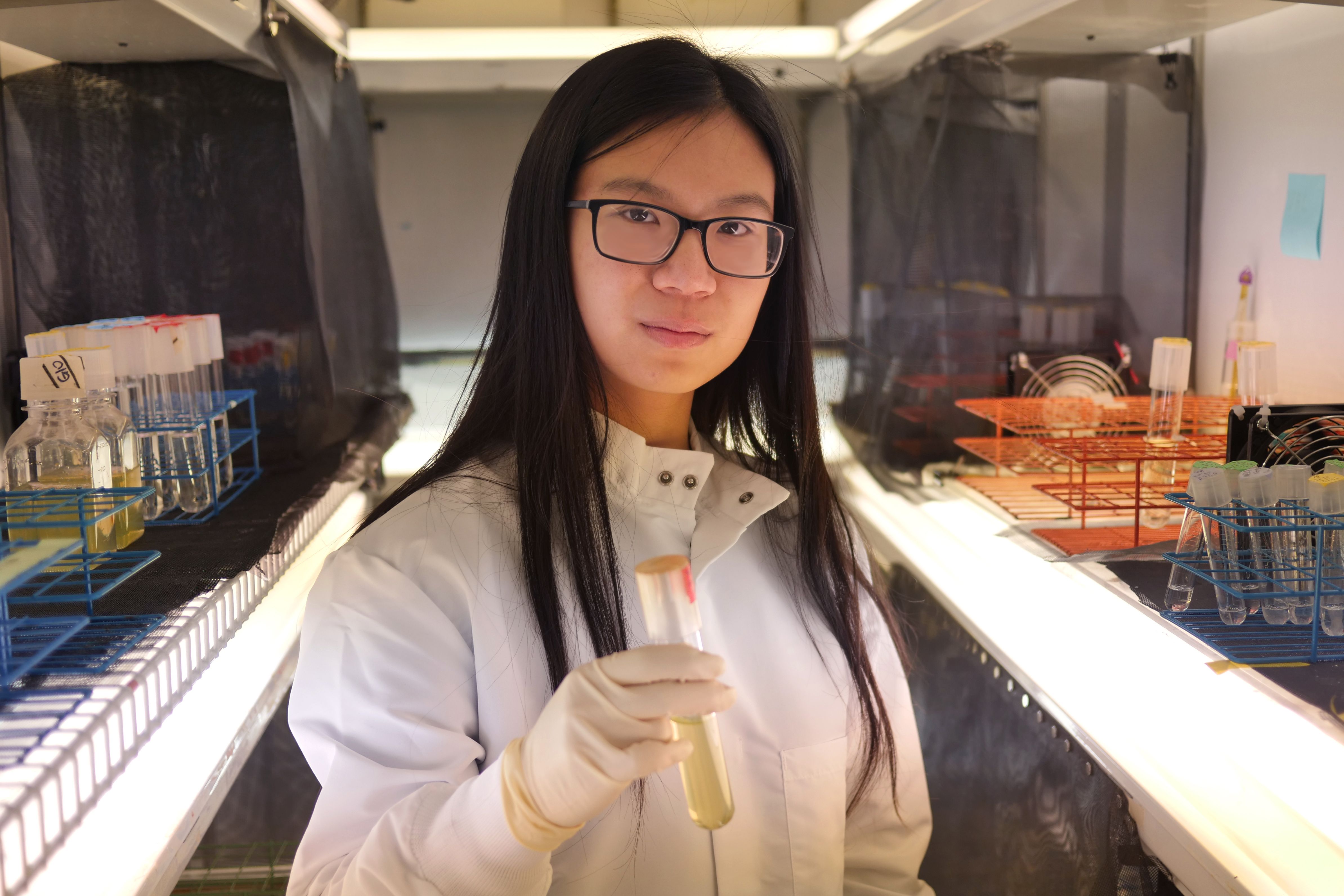
Shen is investigating whether Prochlorococcus also recycles chitin, like its close relative Synechococcus that secretes enzymes which can break down the polymer. In the lab’s grow room, she tends to test tubes that glow green with cyanobacteria. She’ll introduce chitin to half of the cultures to see if specific genes in Prochlorococcus are expressed that might be implicated in chitin degradation, and identify those genes with RNA sequencing.

Shen says working with Prochlorococcus is exciting because it’s a case study in which the smallest cellular processes of a species can have huge effects in its ecosystem. Cracking the chitin cycle would have implications for humans, too. Biochemists have been trying to turn chitin into a biodegradable alternative to plastic. “One thing I want to get out of my science education is learning the basic science,” she says, “but it’s really important to me that it has direct applications.”

Something else Shen has realized at MIT is that, whatever she ends up doing with her degree, she wants her research to involve fieldwork that takes her out into nature — maybe even back to the marsh, to restore shorelines and waterways. As she puts it, “something that’s directly relevant to people.” But she’s keeping her options open. “Currently I’m just trying to explore pretty much everything.”

The new front against antibiotic resistance

Deborah Hung shares research strategies to combat tuberculosis as part of the Department of Biology's IAP seminar series on microbes in health and disease.

Lucy Jakub | Department of Biology
January 21, 2020

After Alexander Fleming discovered the antibiotic penicillin in 1928, spurring a “golden age” of drug development, many scientists thought infectious disease would become a horror of the past. But as antibiotics have been overprescribed and used without adhering to strict regimens, bacterial strains have evolved new defenses that render previously effective drugs useless. Tuberculosis, once held at bay, has surpassed HIV/AIDS as the leading cause of death from infectious disease worldwide. And research in the lab hasn’t caught up to the needs of the clinic. In recent years, the U.S. Food and Drug Administration has approved only one or two new antibiotics annually.

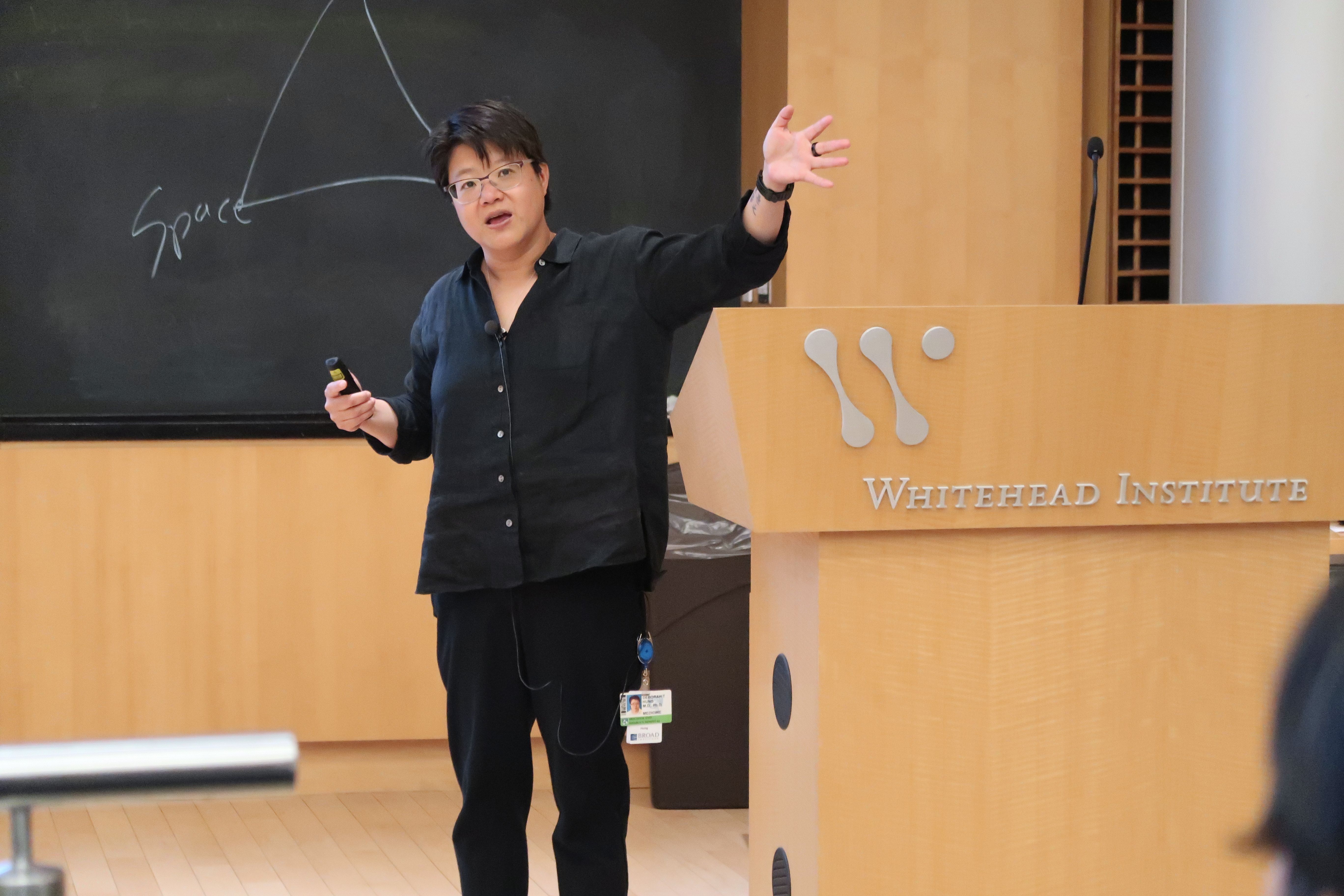
While these frustrations have led many scientists and drug developers to abandon the field, researchers are finally making breakthroughs in the discovery of new antibiotics. On Jan. 9, the Department of Biology hosted a talk by one of the chemical biologists who won’t quit: Deborah Hung, core member and co-director of the Infectious Disease and Microbiome Program at the Broad Institute of MIT and Harvard, and associate professor in the Department of Genetics at Harvard Medical School.

Each January during Independent Activities Period, the Department of Biology organizes a seminar series that highlights cutting-edge research in biology. Past series have included talks on synthetic and quantitative biology. This year’s theme is Microbes in Health and Disease. The team of student organizers, led by assistant professor of biology Omer Yilmaz, chose to explore our growing understanding of microbes as both pathogens and symbionts in the body. Hung’s presentation provided an invigorating introduction to the series.

“Deborah is an international pioneer in developing tools and discovering new biology on the interaction between hosts and pathogens,” Yilmaz says. “She’s done a lot of work on tuberculosis as well as other bacterial infections. So it’s a privilege for us to host her talk.”

A clinician as well as a chemical biologist, Hung understands firsthand the urgent need for new drugs. In her talk, she addressed the conventional approaches to finding new antibiotics, and why they’ve been failing scientists for decades.

“The rate of resistance is actually far outpacing our ability to discover new antibiotics,” she said. “I’m beginning to see patients [and] I have to tell them, I’m sorry, we have no antibiotics left.”

The way Hung sees it, there are two long-term goals in the fight against infectious disease. The first is to find a method that will greatly speed up the discovery of new antibiotics. The other is to think beyond antibiotics altogether, and find other ways to strengthen our bodies against intruders and increase patient survival.

Last year, in pursuit of the first goal, Hung spearheaded a multi-institutional collaboration to develop a new high-throughput screening method called PROSPECT (PRimary screening Of Strains to Prioritize Expanded Chemistry and Targets). By weakening the expression of genes essential to survival in the tuberculosis bacterium, researchers genetically engineered over 400 unique “hypomorphs,” vulnerable in different ways, that could be screened in large batches against tens of thousands of chemical compounds using PROSPECT.

With this approach, it’s possible to identify effective drug candidates 10 times faster than ever before. Some of the compounds Hung’s team has discovered, in addition to those that hit well-known targets like DNA gyrase and the cell wall, are able to kill tuberculosis in novel ways, such as disabling the bacterium’s molecular efflux pump.

But one of the challenges to antibiotic discovery is that the drugs that will kill a disease in a test tube won’t necessarily kill the disease in a patient. In order to address her second goal of strengthening our bodies against disease-causing microbes, Hung and her lab are now using zebrafish embryos to screen small molecules not just for their extermination of a pathogen, but for the survival of the host. This way, they can investigate drugs that have no effect on bacteria in a test tube but, in Hung’s words, “throw a wrench in the system” and interact with the host’s cells to provide immunity.

For much of the 20th century, microbes were primarily studied as agents of harm. But, more recent research into the microbiome — the trillions of organisms that inhabit our skin, gut, and cavities — has illuminated their complex and often symbiotic relationship with our immune system and bodily functions, which antibiotics can disrupt. The other three talks in the series, featuring researchers from Harvard Medical School, delve into the connections between the microbiome and colorectal cancer, inflammatory bowel disease, and stem cells.

“We’re just starting to scratch the surface of the dance between these different microbes, both good and bad, and their role in different aspects of organismal health, in terms of regeneration and other diseases such as cancer and infection,” Yilmaz says.

For those in the audience, these seminars are more than just a way to pass an afternoon during IAP. Hung addressed the audience as potential future collaborators, and she stressed that antibiotic research needs all hands on deck.

“It’s always a work in progress for us,” she said. “If any of you are very computationally-minded or really interested in looking at these large datasets of chemical-genetic interactions, come see me. We are always looking for new ideas and great minds who want to try to take this on.”

Putting a finger on the switch of chronic parasite infection
Greta Friar | Whitehead Institute
January 16, 2020

Toxoplasma gondii (T. gondii) is a parasite that chronically infects up to a quarter of the world’s population, causing toxoplasmosis, a disease that can be dangerous, or even deadly, for the immunocompromised and for developing fetuses. One reason that T. gondii is so pervasive is that the parasites are tenacious occupants once they have infected a host. They can transition from an acute infection stage into a quiescent life cycle stage and effectively barricade themselves inside of their host’s cells. In this protected state, they become impossible to eliminate, leading to long term infection. Researchers used to think that a combination of genes were involved in triggering the parasite’s transition into its chronic stage, due to the complexity of the process and because a gene essential for differentiation had not been identified. However, new research from Whitehead Institute Member Sebastian Lourido, who is also an assistant professor of biology at the Massachusetts Institute of Technology (MIT), and graduate student Benjamin Waldman has identified a sole gene whose protein product is the master regulator, which is both necessary and sufficient for the parasites to make the switch. Their findings, which appear online in the journal Cell on January 16, illuminate an important aspect of the parasite’s biology and provide researchers with the tools to control whether and when T. gondii transitions, or undergoes differentiation. These tools may prove valuable for treating toxoplasmosis, since preventing the parasites from assuming their chronic form keeps them susceptible to both treatment and elimination by the immune system.

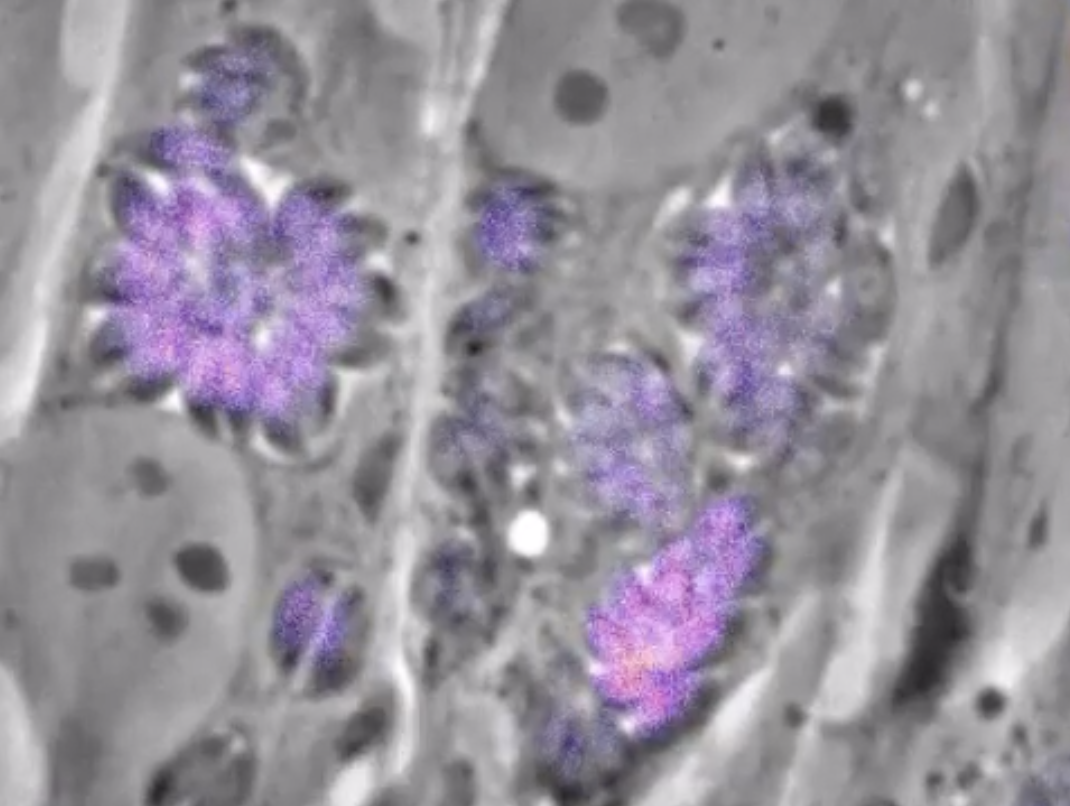
T. gondii spreads when a potential host, which can be any warm-blooded animal, ingests infected tissue from another animal—in the case of humans, by eating undercooked meat or unwashed vegetables—or when the parasite’s progeny are shed by an infected cat, T. gondii’s target host for sexual reproduction. When T. gondii parasites first invade the body, they are in a quickly replicating part of their life cycle, called the tachyzoite stage. Tachyzoites invade a cell, isolate themselves by forming a sealed compartment from the cell’s membrane, and then replicate inside of it until the cell explodes, at which point they move on to another cell to repeat the process. Although the tachyzoite stage is when the parasites do the most damage, it’s also when they are easily targetable by the immune system and medical therapies. In order for the parasites to make their stay more permanent, they must differentiate into bradyzoites, a slow-growing stage, during which they are less susceptible to drugs and have too little effect on the body to trigger the immune system. Bradyzoites construct an extra thick wall to isolate their compartment in the host cell and encyst themselves inside of it. This reservoir of parasites remains dormant and undetectable, until, under favorable conditions, they can spring back into action, attacking their host or spreading to new ones.

Although the common theory was that multiple genes collectively orchestrate the transition from tachyzoite to bradyzoite, Lourido and Waldman suspected that there was instead a single master regulator.

“Differentiation is not something a parasite wants to do halfway, which could leave them vulnerable,” Waldman says. “Multiple genes means more chances for things to go wrong, so you would want a master regulator to ensure that differentiation happens cleanly.”

To investigate this hypothesis, Waldman used CRISPR-based screens to knock out T. gondii genes, and then tested to see if the parasite could still differentiate from tachyzoite to bradyzoite. Waldman monitored whether the parasites were differentiating by developing a strain of T. gondii that fluoresces in its bradyzoite stage. The researchers also performed a first of its kind single-cell RNA sequencing of T. gondii in collaboration with members of Alex Shalek’s lab in the department of chemistry at MIT. This sequencing allowed the researchers to profile the genes’ activity at each stage in unprecedented detail, shedding light on changes in gene expression during the parasite’s cell-cycle progression and differentiation.

The experiments identified one gene, which the researchers named Bradyzoite-Formation Deficient 1 (BFD1), as the only gene both sufficient and necessary to prevent the transition from tachyzoite to bradyzoite: the master regulator. Not only was T. gondii unable to make the transition without the BFD1 protein, but Waldman found that artificially increasing its production induced the parasites to become bradyzoites, even without the usual stress triggers required to cue the switch. This means that the researchers can now control Toxoplasma differentiation in the lab.

These findings may inform research into potential therapies for toxoplasmosis, or even a vaccine.

Toxoplasma that can’t differentiate is a good candidate for a live vaccine, because the immune system can eliminate an acute infection very effectively,” Lourido says.

The researchers’ findings also have implications for food production. T. gondii and other cyst-forming parasites that use BFD1 can infect livestock. Further research into the gene could inform the development of vaccines for farm animals as well as humans.

“Chronic infection is a huge hurdle to curing many parasitic diseases,” Lourido says. “We need to study and figure out how to manipulate the transition from the acute to chronic stages in order to eradicate these diseases.”

This study was supported by an NIH Director’s Early Independence Award (1DP5OD017892), a grant from the Mathers Foundation, the Searle Scholars Program, the Beckman Young Investigator Program, a Sloan Fellowship in Chemistry, the NIH (1DP2GM119419, 2U19AI089992, 5U24AI118672), and the Bill and Melinda Gates Foundation.

Written by Greta Friar

***

Sebastian Lourido’s primary affiliation is with Whitehead Institute for Biomedical Research, where his laboratory is located and all his research is conducted. He is also an assistant professor of biology at the Massachusetts Institute of Technology.

***

Citation:

“Identification of a master regulator of differentiation in Toxoplasma”

Cell, online January 16, DOI: 10.1016/j.cell.2019.12.013

Benjamin S. Waldman (1,2), Dominic Schwarz (1,3), Marc H. Wadsworth II (4,5,6), Jeroen P. Saeij (7), Alex K. Shalek (4,5,6), Sebastian Lourido (1,2)

1. Whitehead Institute for Biomedical Research, Cambridge, MA 02142, USA

2. Department of Biology, Massachusetts Institute of Technology, Cambridge, MA 02142, USA

3. Institute of Pharmacy and Molecular Biotechnology, University of Heidelberg, Im Neuenheimer Feld 364, 69120 Heidelberg, Germany

4. Institute for Medical Engineering & Science (IMES), Department of Chemistry, and Koch Institute for Integrative Cancer Research, Massachusetts Institute of Technology, Cambridge, MA 02139, USA.

5. Broad Institute of MIT and Harvard, Cambridge, MA 02142, USA

6. Ragon Institute of MGH, MIT and Harvard, Cambridge, MA 02319, USA

7. Department of Pathology, Microbiology and Immunology, School of Veterinary Medicine, University of California, Davis, Davis, CA 95616, USA