Engineered yeast could expand biofuels’ reach

By making the microbes more tolerant to toxic byproducts, researchers show they can use a wider range of feedstocks, beyond corn.

Anne Trafton | MIT News Office
June 28, 2021

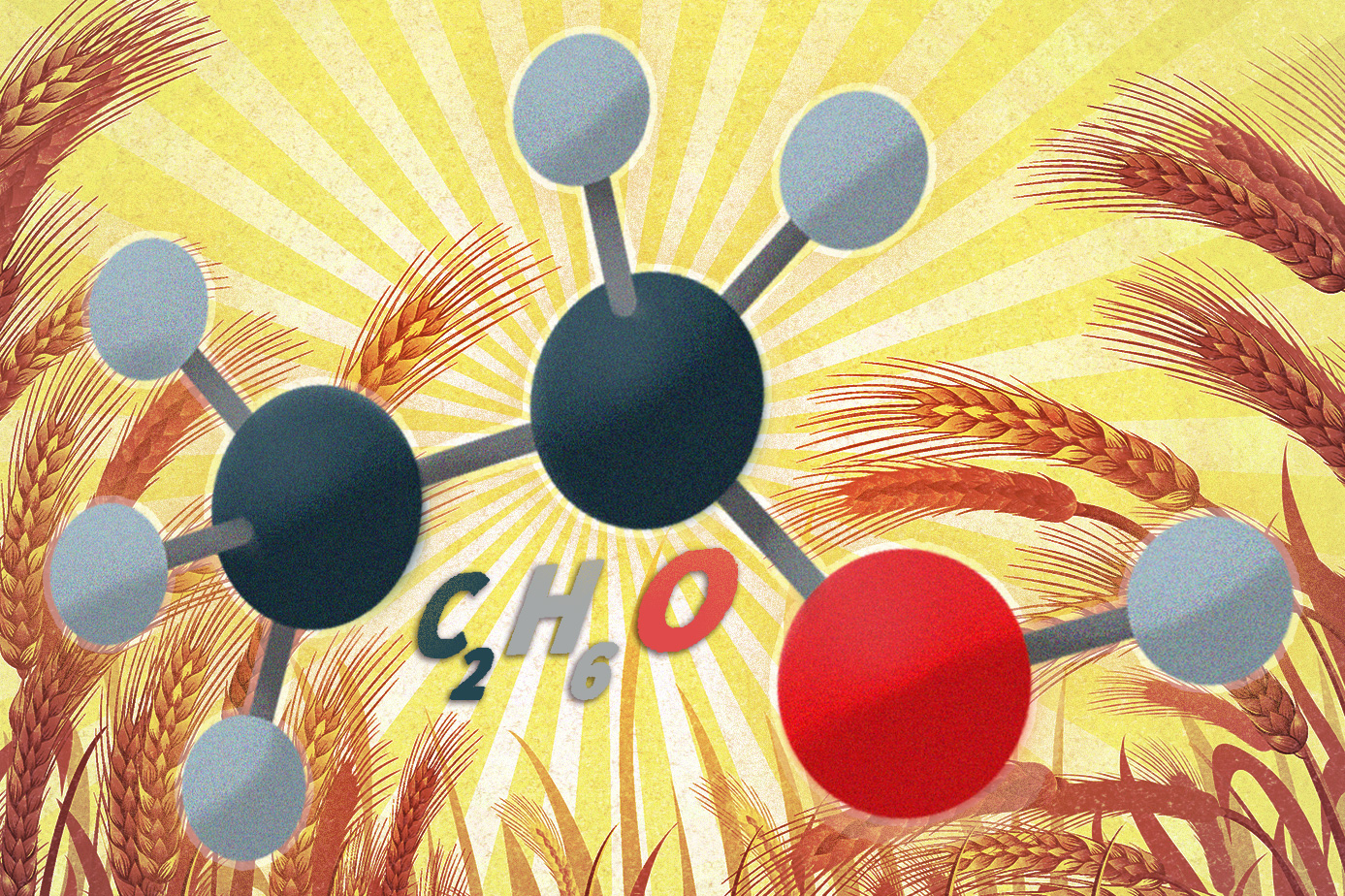
Boosting production of biofuels such as ethanol could be an important step toward reducing global consumption of fossil fuels. However, ethanol production is limited in large part by its reliance on corn, which isn’t grown in large enough quantities to make up a significant portion of U.S. fuel needs.

To try to expand biofuels’ potential impact, a team of MIT engineers has now found a way to expand the use of a wider range of nonfood feedstocks to produce such fuels. At the moment, feedstocks such as straw and woody plants are difficult to use for biofuel production  because they first need to be broken down to fermentable sugars, a process that releases numerous byproducts that are toxic to yeast, the microbes most commonly used to produce biofuels.

The MIT researchers developed a way to circumvent that toxicity, making it feasible to use those sources, which are much more plentiful, to produce biofuels. They also showed that this tolerance can be engineered into strains of yeast used to manufacture other chemicals, potentially making it possible to use “cellulosic” woody plant material as a source to make biodiesel or bioplastics.

“What we really want to do is open cellulose feedstocks to almost any product and take advantage of the sheer abundance that cellulose offers,” says Felix Lam, an MIT research associate and the lead author of the new study.

Gregory Stephanopoulos, the Willard Henry Dow Professor in Chemical Engineering, and Gerald Fink, the Margaret and Herman Sokol Professor at the Whitehead Institute of Biomedical Research and the American Cancer Society Professor of Genetics in MIT’s Department of Biology, are the senior authors of the paper, which appears today in Science Advances.

Boosting tolerance

Currently, around 40 percent of the U.S. corn harvest goes into ethanol. Corn is primarily a food crop that requires a great deal of water and fertilizer, so plant material known as cellulosic biomass is considered an attractive, noncompeting source for renewable fuels and chemicals. This biomass, which includes many types of straw, and parts of the corn plant that typically go unused, could amount to more than 1 billion tons of material per year, according to a U.S. Department of Energy study — enough to substitute for 30 to 50 percent of the petroleum used for transportation.

However, two major obstacles to using cellulosic biomass are that cellulose first needs to be liberated from the woody lignin, and the cellulose then needs to be further broken down into simple sugars that yeast can use. The particularly aggressive preprocessing needed generates compounds called aldehydes, which are very reactive and can kill yeast cells.

To overcome this, the MIT team built on a technique they had developed several years ago to improve yeast cells’ tolerance to a wide range of alcohols, which are also toxic to yeast in large quantities. In that study, they showed that spiking the bioreactor with specific compounds that strengthen the membrane of the yeast helped yeast to survive much longer in high concentrations of ethanol. Using this approach, they were able to improve the traditional fuel ethanol yield of a high-performing strain of yeast by about 80 percent.

In their new study, the researchers engineered yeast so that they could convert the cellulosic byproduct aldehydes into alcohols, allowing them to take advantage of the alcohol tolerance strategy they had already developed. They tested several naturally occurring enzymes that perform this reaction, from several species of yeast, and identified one that worked the best. Then, they used directed evolution to further improve it.

“This enzyme converts aldehydes into alcohols, and we have shown that yeast can be made a lot more tolerant of alcohols as a class than it is of aldehydes, using the other methods we have developed,” Stephanopoulos says.

Yeast are generally not very efficient at producing ethanol from toxic cellulosic feedstocks; however, when the researchers expressed this top-performing enzyme and spiked the reactor with the membrane-strengthening additives, the strain more than tripled its cellulosic ethanol production, to levels matching traditional corn ethanol.

Abundant feedstocks

The researchers demonstrated that they could achieve high yields of ethanol with five different types of cellulosic feedstocks, including switchgrass, wheat straw, and corn stover (the leaves, stalks, and husks left behind after the corn is harvested).

“With our engineered strain, you can essentially get maximum cellulosic fermentation from all these feedstocks that are usually very toxic,” Lam says. “The great thing about this is it doesn’t matter if maybe one season your corn residues aren’t that great. You can switch to energy straws, or if you don’t have high availability of straws, you can switch to some sort of pulpy, woody residue.”
The researchers also engineered their aldehyde-to-ethanol enzyme into a strain of yeast that has been engineered to produce lactic acid, a precursor to bioplastics. As it did with ethanol, this strain was able to produce the same yield of lactic acid from cellulosic materials as it does from corn.

This demonstration suggests that it could be feasible to engineer aldehyde tolerance into strains of yeast that generate other products such as diesel. Biodiesels could potentially have a big impact on industries such as heavy trucking, shipping, or aviation, which lack an emission-free alternative like electrification and require huge amounts of fossil fuel.

“Now we have a tolerance module that you can bolt on to almost any sort of production pathway,” Stephanopoulos says. “Our goal is to extend this technology to other organisms that are better suited for the production of these heavy fuels, like oils, diesel, and jet fuel.”

The research was funded by the U.S. Department of Energy and the National Institutes of Health.

Childhood hobbies jump-start a research career

MIT Biology junior Eduardo Canto tinkered with science long before he started studying Treacher Collins syndrome in the Calo lab.

Saima Sidik | Department of Biology
May 19, 2021

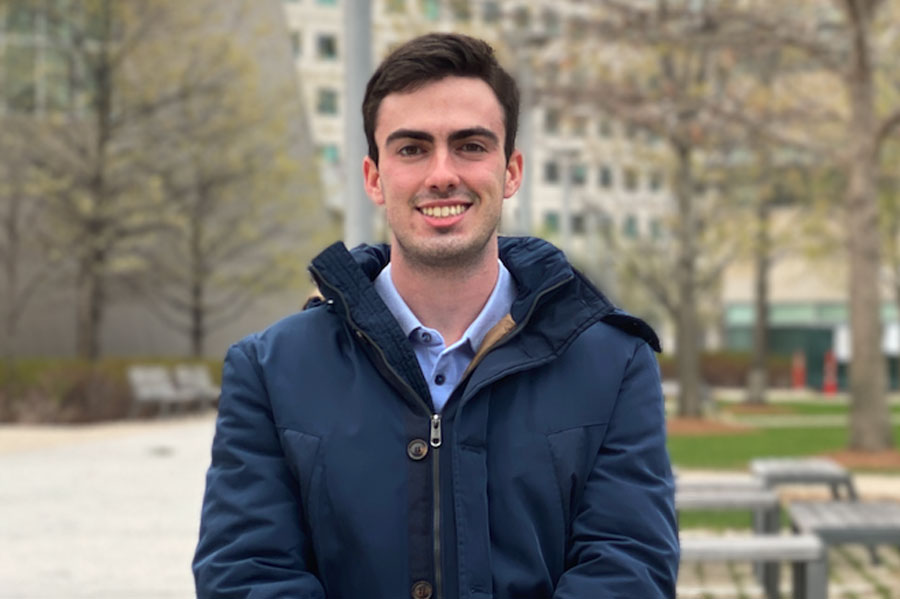
In seventh grade, Eduardo Canto wanted a dog. His mom said no, though. She didn’t want to spend her days vacuuming fur. They reached a compromise: Canto was allowed to have pet fish. Soon Canto’s disappointment with his new pets turned to curiosity. While he couldn’t train the fish to sit or roll over, he decided that breeding the fish could be a fun pastime.

An internet search told Canto that some aquarists use dried Indian almond leaves, a traditional Asian herbal remedy, to stimulate fish breeding, although no one is quite sure how the leaves do this. However, finding Indian almond leaves presented a problem for a kid without an Amazon account living far from the tree’s native habitat. On a whim, Canto picked up some similar-looking leaves in a park near his house in Puerto Rico. He knew they weren’t from an Indian almond tree, but he put them in the tank anyhow, just to see what would happen. A few days later, he noticed a collection of eggs attached to the bottom of a leaf!

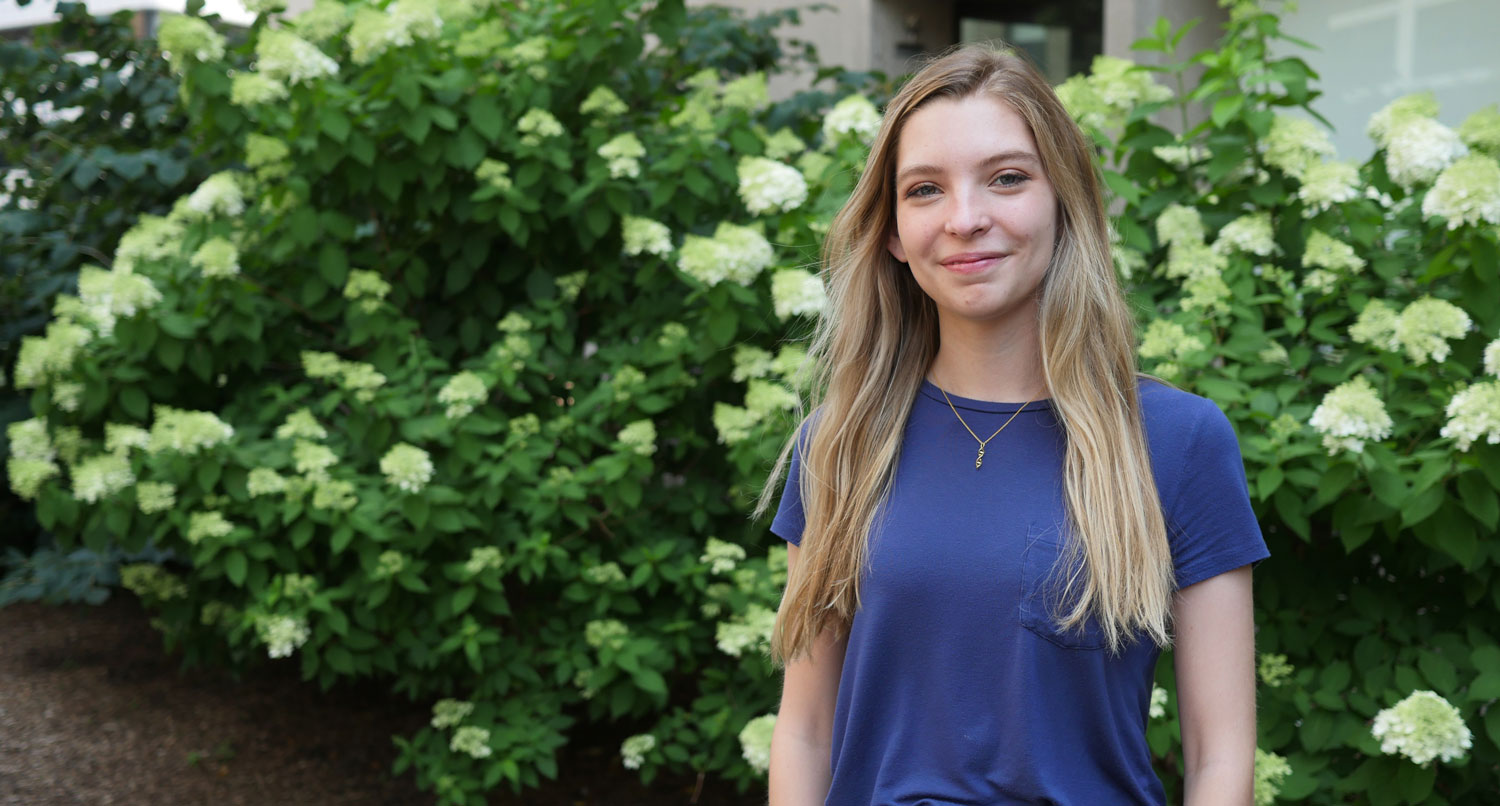
Canto often took on little experiments like this, which caused his grandfather to predict early on that he would have a scientific career. Eight years after the breeding endeavor, Canto is fulfilling his grandfather’s prediction by studying Course 7 (Biology) at MIT, where he’s currently in his third year of a bachelor’s degree. Once again, fish have come into Canto’s life — he’s working in Eliezer Calo’s lab, where researchers use zebrafish to study a genetic disorder called Treacher Collins syndrome, which causes deformities in eyes, ears, cheekbones, and chins.

Throughout middle school and high school, Canto dipped his toes into many scientific disciplines. School science fairs motivated him to build a dry ice-powered trolley, a solar-powered water heater, and start a vegetable garden.

Sometimes, he admits, his motivation for joining science clubs wasn’t lofty. “I joined the math club because I got to miss a day of school every year for their annual competition,” he says with a laugh. But he also talks excitedly about his early experiments, particularly in biology. “I’ve always loved working with my hands,” he says.

Canto’s father, a medical doctor, encouraged his son’s interest by letting Canto shadow him at work. He also started a molecular biology summer program at Canto’s high school that taught students how to pipette and do simple experiments. By the time Canto applied to college, he was convinced he wanted to study biology, and MIT drew his attention because of its reputation as a top science school with excellent biology teachers. He knew it was the right choice for him when he attended Campus Preview Weekend, and found a large Puerto Rican community ready to welcome him. Even far from the island, he felt at home.

Canto has kept up with his roots since joining MIT by playing on a soccer team for Puerto Rican students. He’s also become part of a new community in a lab run by Eliezer Calo — who is a Puerto Rican himself. The lab is interested in ribosomes, the molecular machines that build proteins. Treacher Collins syndrome arises when cells can’t make ribosomes properly, and Canto wants to understand why that is.

Before Canto joined the Calo lab, the group had already started studying a protein called DDX21 that’s involved in making ribosomes in both humans and zebrafish. When genetic mutations in zebrafish cause DDX21 to go to the wrong part of the cell, the fish develop jaw deformations that mirror Treacher Collins syndrome. The Calo lab thinks cells with mislocalized DDX21 probably don’t produce ribosomes as well as normal cells, but they’re still testing this hypothesis.

Canto wants to probe the relationship between DDX21 and Treacher Collins syndrome further, but fish reproduce slowly, so they’re not ideal organisms for his research. Instead, he’s built a strain of Escherichia coli bacteria that carry DDX21 in place of the equivalent bacterial gene. DDX21 helps these bacteria survive the stress associated with cold temperatures, so without it, the bacteria will die in the cold. Canto hopes to take advantage of this trait by finding small molecules that stop the bacteria from growing at low temperatures — just like a DDX21 mutation would. Studying how these molecules bind DDX21 will help him understand which parts of this protein are important for its function.

The possibility that this work will one day reveal how Treacher Collins syndrome develops in patients is rewarding to Canto, and in fact he hopes helping patients will soon become his life’s focus. He wants to attend medical school, and eventually become a doctor. The human physiology class he took last semester was one of his favorites, even though it was over Zoom due to the COVID-19 pandemic. Becoming a doctor will let him help others while studying topics he finds fascinating. “Medicine is like biology on steroids!” he says.

And who knows — one day after he’s a doctor, maybe he’ll even get that pet he’s always wanted. But unlike Canto’s interest in biology, some of his interests have evolved over time. These days, he prefers cats over dogs.

Photo credit: Saima Sidik
Posted: 5.19.21
“Selfish” DNA helps bacteria cheat and grow in densely-packed microbial communities
Raleigh McElvery
March 12, 2021

Scientists have a term for genes that spread themselves throughout a population at any cost: “selfish” DNA. One way that these genes transmit through bacterial communities is via a type of bacterial sex called conjugation. When one bacterium makes contact with another, DNA from the host cell can be injected into a recipient cell.

Alan Grossman’s lab at the MIT Department of Biology studies a small but selfish chunk of DNA called ICEBs1. His group has identified several ways in which this so-called mobile genetic element actually benefits its host bacterium as it fights to spread. Building off this body of work, Grossman’s lab collaborated with colleagues at Tel Aviv University on a new study recently published in eLife. The international team found that ICEBs1 contains one gene in particular, which allows the host cell to continue dividing in densely-packed microbial communities. This helps the host to grow in conditions where nutrients are scarce, while also potentially helping ICEBs1 to propagate.

“Mobile genetic elements like ICEBs1 are found in the chromosomes of many different types of bacteria,” says Grossman, department head and co-senior author on the study. “Studying these elements — how they spread and how they affect their host cells — is critical for understanding the evolution of bacteria, engineering some types of bacteria to do useful things, and possibly preventing the deleterious effects caused by harmful bacteria.”

Like many DNA segments on the move, ICEBs1 includes genes that encode the molecular machinery required to transfer itself from one cell to the next. But mobile genetic elements can also contain “cargo” genes that bestow the host bacterium with new traits, such as antibiotic resistance. However, in many cases, the properties a cargo gene will endow are hard to predict.

“The host cell can get a lot of new genes in a hurry through mobile genetic elements like ICEBs1, and there’s a lot we still don’t know about the types of phenotypes cargo genes confer,” says the study’s first author, Joshua Jones PhD ’20. “The array of possible traits is probably a lot more diverse than we currently appreciate.”

To investigate the changes that ICEBs1 triggers in the host cell, Jones and colleagues examined large microbial communities called biofilms. These form when many bacteria aggregate on a surface and secrete a slimy “glue” made of sugar, proteins, and DNA that encases the population. Common examples of biofilms include dental plaque, the sludge that coats the inside of pipes, or the deleterious infections that form on surgical implants in patients’ bodies.

Because there are so many bacteria in close contact, biofilms are hot spots for exchanging mobile genetic elements like ICEBs1. However, secreting the materials needed to produce the slimy glue can rapidly deplete resources. As a result, bacteria in a biofilm do not always have the capacity to grow, divide, and potentially spread ICEBs1. Instead, certain types of rod-shaped bacteria begin to produce spores that are analogous to plant seeds. This process, called sporulation, enables these bacteria to become dormant and survive extreme conditions.

Jones found that Bacillus subtilis bacteria containing ICEBs1 were delayed in contributing to the biofilm glue, and also delayed in producing dormant spores. As a result, these bacteria could continue dividing for longer than bacteria without ICEBs1 — increasing the number of bacteria with ICEBs1 and the likelihood that ICEBs1 would spread. The researchers were able to pinpoint one ICEBs1 cargo gene in particular, called Development Inhibitor (devI), that triggered this delay in both biofilm development and sporulation.

“In a way, the cells with ICEBs1 are ‘cheating’ by delaying sporulation and not contributing to the greater good of the biofilm community,” Jones says. But, he explains, they can get away with it because the devI pathway only initiates when ICEBs1-containing cells are the minority in a microbial population. In order to spread as widely as possible, it’s best for ICEBs1 to transfer to new cells that don’t already contain existing copies. Furthermore, accumulating duplicate copies can have detrimental effects on ICEBs1 itself.

“It’s a very clever system for assessing the situation around the cell, and deciding whether it’s worthwhile for ICEBs1 to attempt to transfer,” Jones adds.

Next, the Grossman lab plans to determine precisely how devI exerts its effects on biofilm formation and sporulation. They suspect that other ICEBs1-like elements may also use genes analogous to devI to execute similar propagation strategies. Probing such “cheating” tactics orchestrated by selfish genes will help scientists better understand microbial evolution and, eventually, perhaps even inspire drugs to disrupt harmful biofilms, like those that form around surgical implants.

Our gut-brain connection

“Organs-on-a-chip” system sheds light on how bacteria in the human digestive tract may influence neurological diseases.

Anne Trafton | MIT News Office
January 29, 2021

In many ways, our brain and our digestive tract are deeply connected. Feeling nervous may lead to physical pain in the stomach, while hunger signals from the gut make us feel irritable. Recent studies have even suggested that the bacteria living in our gut can influence some neurological diseases.

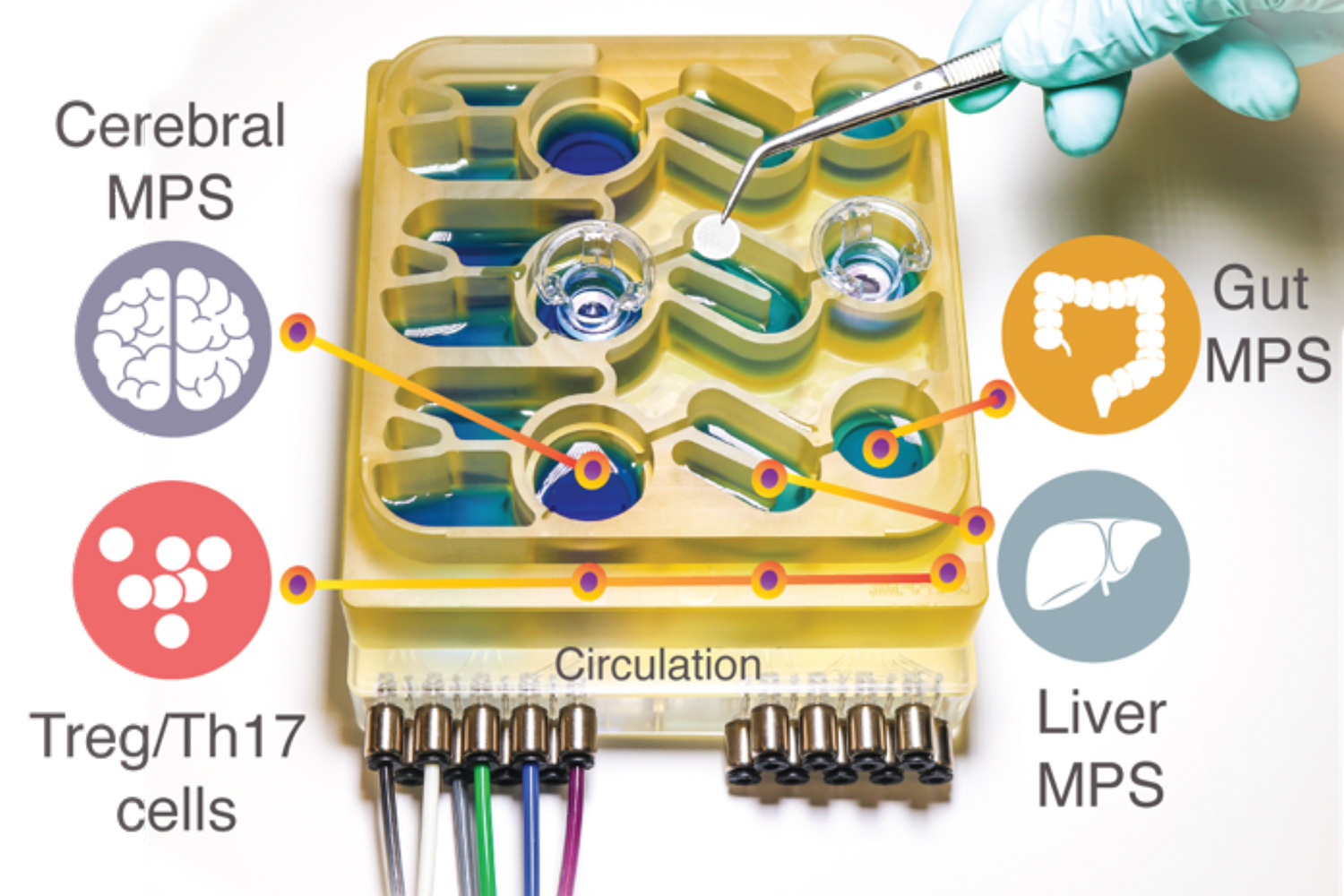
Modeling these complex interactions in animals such as mice is difficult to do, because their physiology is very different from humans’. To help researchers better understa nd the gut-brain axis, MIT researchers have developed an “organs-on-a-chip” system that replicates interactions between the brain, liver, and colon.

Using that system, the researchers were able to model the influence that microbes living in the gut have on both healthy brain tissue and tissue samples derived from patients with Parkinson’s disease. They found that short-chain fatty acids, which are produced by microbes in the gut and are transported to the brain, can have very different effects on healthy and diseased brain cells.

“While short-chain fatty acids are largely beneficial to human health, we observed that under certain conditions they can further exacerbate certain brain pathologies, such as protein misfolding and neuronal death, related to Parkinson’s disease,” says Martin Trapecar, an MIT postdoc and the lead author of the study.

Linda Griffith, the School of Engineering Professor of Teaching Innovation and a professor of biological engineering and mechanical engineering, and Rudolf Jaenisch, an MIT professor of biology and a member of MIT’s Whitehead Institute for Medical Research, are the senior authors of the paper, which appears today in Science Advances.

The gut-brain connection

For several years, Griffith’s lab has been developing microphysiological systems — small devices that can be used to grow engineered tissue models of different organs, connected by microfluidic channels. In some cases, these models can offer more accurate information on human disease than animal models can, Griffith says.

In a paper published last year, Griffith and Trapecar used a microphysiological system to model interactions between the liver and the colon. In that study, they found that short-chain fatty acids (SCFAs), molecules produced by microbes in the gut, can worsen autoimmune inflammation associated with ulcerative colitis under certain conditions. SCFAs, which include butyrate, propionate, and acetate, can also have beneficial effects on tissues, including increased immune tolerance, and they account for about 10 percent of the energy that we get from food.

In the new study, the MIT team decided to add the brain and circulating immune cells to their multiorgan system. The brain has many interactions with the digestive tract, which can occur via the enteric nervous system or through the circulation of immune cells, nutrients, and hormones between organs.

Several years ago, Sarkis Mazmanian, a professor of microbiology at Caltech, discovered a connection between SCFAs and Parkinson’s disease in mice. He showed that SCFAs, which are produced by bacteria as they consume undigested fiber in the gut, sped up the progression of the disease, while mice raised in a germ-free environment were slower to develop the disease.

Griffith and Trapecar decided to further explore Mazmanian’s findings, using their microphysiological model. To do that, they teamed up with Jaenisch’s lab at the Whitehead Institute. Jaenisch had previously developed a way to transform fibroblast cells from Parkinson’s patients into pluripotent stem cells, which can then be induced to differentiate into different types of brain cells — neurons, astrocytes, and microglia.

More than 80 percent of Parkinson’s cases cannot be linked to a specific gene mutation, but the rest do have a genetic cause. The cells that the MIT researchers used for their Parkinson’s model carry a mutation that causes accumulation of a protein called alpha synuclein, which damages neurons and causes inflammation in brain cells. Jaenisch’s lab has also generated brain cells that have this mutation corrected but are otherwise genetically identical and from the same patient as the diseased cells.

Griffith and Trapecar first studied these two sets of brain cells in microphysiological systems that were not connected to any other tissues, and found that the Parkinson’s cells showed more inflammation than the healthy, corrected cells. The Parkinson’s cells also had impairments in their ability to metabolize lipids and cholesterol.

Opposite effects

The researchers then connected the brain cells to tissue models of the colon and liver, using channels that allow immune cells and nutrients, including SCFAs, to flow between them. They found that for healthy brain cells, being exposed to SCFAs is beneficial, and helps them to mature. However, when brain cells derived from Parkinson’s patients were exposed to SCFAs, the beneficial effects disappeared. Instead, the cells experienced higher levels of protein misfolding and cell death.

These effects were seen even when immune cells were removed from the system, leading the researchers to hypothesize that the effects are mediated by changes to lipid metabolism.

“It seems that short-chain fatty acids can be linked to neurodegenerative diseases by affecting lipid metabolism rather than directly affecting a certain immune cell population,” Trapecar says. “Now the goal for us is to try to understand this.”

The researchers also plan to model other types of neurological diseases that may be influenced by the gut microbiome. The findings offer support for the idea that human tissue models could yield information that animal models cannot, Griffith says. She is now working on a new version of the model that will include micro blood vessels connecting different tissue types, allowing researchers to study how blood flow between tissues influences them.

“We should be really pushing development of these, because it is important to start bringing more human features into our models,” Griffith says. “We have been able to start getting insights into the human condition that are hard to get from mice.”

The research was funded by DARPA, the National Institutes of Health, the National Institute of Biomedical Imaging and Bioengineering, the National Institute of Environmental Health Sciences, the Koch Institute Support (core) Grant from the National Cancer Institute, and the Army Research Office Institute for Collaborative Biotechnologies.

A new database of potential antibiotic targets
Raleigh McElvery
January 20, 2021

Many cells, including bacteria, are covered in a sugar-rich coating that protects their membrane and internal components. These sugars are often joined to other macromolecules, like proteins or lipids, to form glycoconjugates. The glycoconjugates that encrust bacteria help prevent them from “popping” under environmental stress, and facilitate host-pathogen interactions. Because the sugary layer perpetuates survival and virulence, researchers are looking for ways to create chinks in this microbial armor — or better yet, to prevent it from being made in the first place.

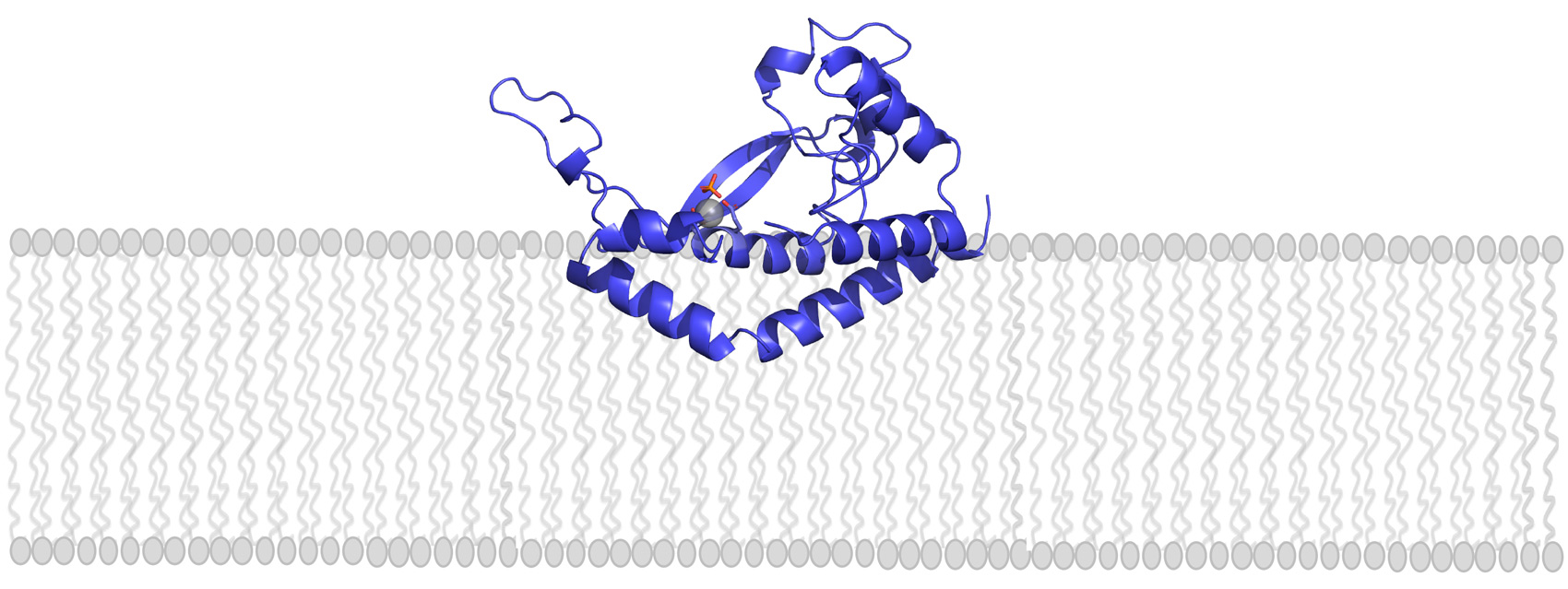
Glycoconjugates are built by many enzymes working in close succession at the cell membrane. One enzyme family, comprised of phosphoglycosyl transferases (PGTs), is responsible for catalyzing the first step in the assembly line. Of this large enzyme family, one subtype in particular stands out: “monotopic” PGTs, which are unique to bacteria and could serve as antibiotic targets. If researchers can develop drugs that inhibit monoPGTs, the sugar armor wouldn’t be built and noxious bacteria could be easier to defeat.

new PNAS study co-authored by Professor of Biology and Chemistry, Barbara Imperiali, highlights the diversity and significance of these potential drug targets. Imperiali teamed up with graduate student Katherine O’Toole and Professor of Chemistry Karen Allen from Boston University to categorize over 38,000 different monoPGTs, compiling this information into the first database of its kind.

“We’ve taken an enzyme family that was once considered quirky and insignificant, and demonstrated that it’s actually very prevalent,” Imperiali says. “Hopefully the database will help us better understand these enzymes, their molecular pathways, and the human pathogens they support.”

Imperiali and her colleagues used sequence analysis of known monoPGTs to define a “signature” amino acid sequence. They leveraged this signature to identify the entire superfamily of monoPGTs amidst the 63,152 sequences downloaded from an online portal, which they then clustered into closely-related subtypes. The researchers also created a family tree, which included over 100 monoPGTs from diverse bacterial species. Imperiali hopes others will take advantage of this new information to pinpoint monoPGTs in pathogens of interest, and explore similarities and differences in related microbes and their enzymes.

The researchers’ analyses also revealed strange, new proteins that appeared to include two enzymes in one — a monoPGT fused to one of the other enzymes that typically play a separate role in the same sugar-modifying pathway. “It’s essentially one protein with two functions,” Imperiali explains. These fusion enzymes could reveal which enzymes “talk” to one another and work sequentially during the glycoconjugate-building process, she adds, revealing the complicated chain of events that creates the bacterial sugar shield.

The team even found cases where one monoPGT was fused to a member of a different PGT family — polytopic PGTs (polyPGTs). MonoPGTs and polyPGTs are involved in different pathways that each build glycoconjugates, so having a dual-function protein could allow cells to easily switch between mechanisms. Bacterial cells lack the organizational compartments that human and other eukaryotic cells have, so perhaps these fusion enzymes help exert control and order at different points in the cell cycle, Imperiali speculates. At the moment, though, the hybrid PGTs remain an evolutionary mystery.

While some researchers parse these ancient puzzles, others may use the database to inspire new drugs to combat antibiotic resistance. “At the end of the day,” Imperiali says, “we’ve shed light on a set of enzymes that could become pivotal therapeutic targets.”

The untidy experiment that catalyzed recombinant DNA technology

Salvador Luria is known for his research on phage genetics, but his lab’s contribution to the discovery of restriction enzymes also sparked important technological advances.

Saima Sidik
December 15, 2020

In the early 1950s, a woman named Mary Human found the first evidence of a group of proteins called restriction enzymes — a discovery that would reverberate throughout the research community for decades. But many important discoveries, from penicillin to medical X-rays, are inspired by a messy fluke rather than carefully reasoned logic, and Human’s discovery was no different.

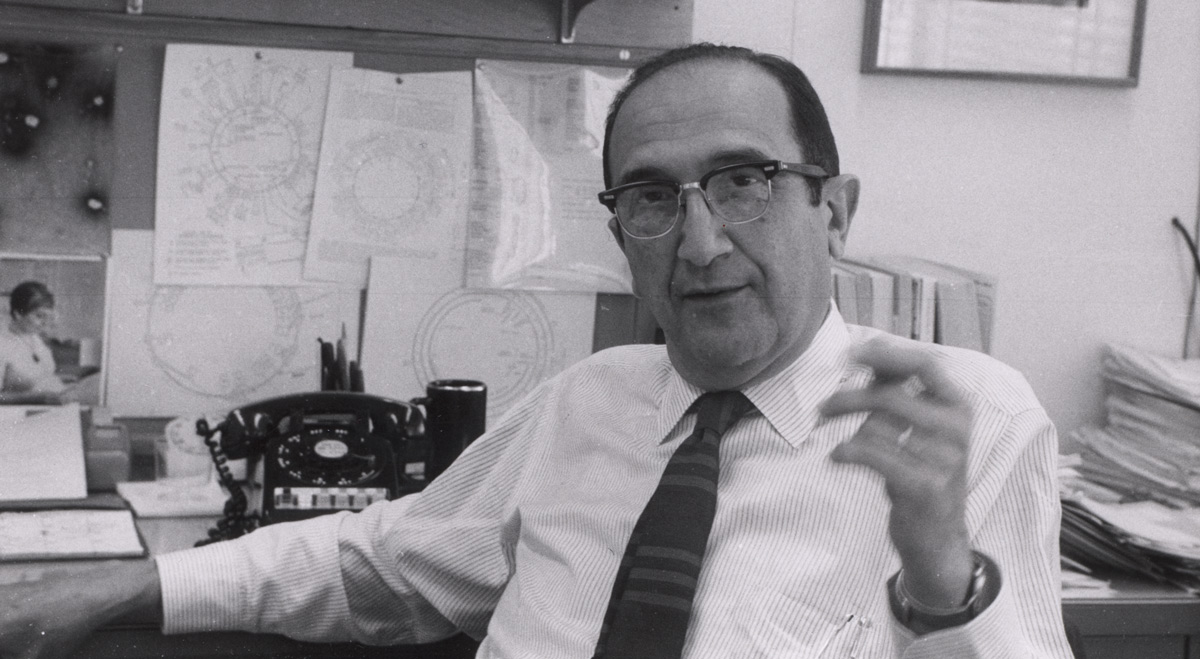
Fortunately, Human’s boss was a jovial scientist named Salvador Luria, who appreciated that life’s quirks often yield the most valuable results — so much so that he wrote a 1955 Scientific American article in which he praised Human’s approach. “It often pays to do somewhat untidy experiments, provided one is aware of the element of untidiness,” he wrote.

Indeed, Luria’s life was far from being a tidy package. This Italian native fled Europe to escape Nazis, was briefly blacklisted by the NIH presumably because of his vocal opposition to American foreign policy, and suffered from depression despite his outwardly cheery appearance. But Luria’s life was also extraordinary. He earned a medical degree in Torino, Italy, but decided he preferred performing research over practicing medicine. After leaving Europe in the 1940s to escape the persecution of Jews like himself, he held professorships at three American institutions, including MIT. He was known as an insightful scientist, a kind colleague, and a thoughtful mentor, right up until his death in 1991.

A Surprising Observation in the Midwest

For much of his career, Luria applied his keen insight to phages — viruses that invade and kill bacteria. He and two collaborators won the Nobel Prize after realizing that genetic mutations in bacteria can protect them from deadly phages. But the untidy experiment Luria referred to in his Scientific American article related to a lesser-known aspect of his lab’s phage work: restriction enzymes, which cut DNA at specific places. Luria was the first person to find evidence of these critical tools, which opened a whole new field of genetic manipulation. A cascade of research spanning two decades eventually led a scientist supervised by Luria’s former research associate to win a Nobel prize for characterizing these enzymes, which catalyzed modern molecular biology.

The restriction enzyme story starts in the late 1940s, when Luria was a professor at Indiana University. He noticed that a phage called T2 didn’t seem to grow inside and kill certain mutant strains of Escherichia coli. T2 always killed the first batch of mutant E. coli, but when he tested whether a new batch of the same type of bacteria would catch the virus from the dead bacteria, the new batch didn’t succumb to the virus.

In 1950, Luria moved to the University of Illinois, Urbana, where one of his employees, a woman named Mary Human, continued to work on the T2 mystery. One day, in the midst of an experiment, Human realized she’d run out of the strain of E. coli she usually used, and this is where the experiment got a little untidy. Instead of waiting to do the experiment on another day with a healthy batch of E. coli, Human mixed phage-killed E. coli with a different type of bacteria called Shigella. T2 always seemed to act the same in Shigella as it did in E. coli, so she didn’t expect the switch to matter. But the next morning, the Shigella were dead! It seemed that T2 could only reproduce once in the particular mutant strain of E. coli that Human was studying, but when she moved T2 from these mutant E. coli to Shigella, it restored the virus’ ability to reproduce. Human and Luria concluded that something about the mutant E. coli changed the T2, and limited the kinds of bacteria in which it could grow.

At the time, Human and Luria couldn’t explain what was happening to T2 in these mutant bacteria. Luria went about his career, still carrying this mystery with him.

An explanation in Cambridge, Massachusetts

In 1958, Luria came to MIT Biology for a sabbatical. The structure of DNA had been discovered just five years earlier, and MIT needed someone who understood its implications to usher the Institute into the genomics era. Luria was renowned for his ability to predict which direction biology would move, so the Institute wanted him to fill this role. At the end of his sabbatical, Luria accepted a permanent position in MIT Biology, where he stayed for the rest of his career.

“I asked Luria if he thought it was possible to do molecular biology with animal viruses, and he said, ‘I don’t know, why don’t you find out and tell me?’” Baltimore says.In addition to being a skilled scientist, Luria was a thoughtful mentor. David Baltimore, professor at the California Institute of Technology, was one of Luria’s early mentees at MIT. At the time, most research into viruses focused on the phages that Luria studied, but Baltimore wanted to break new ground by studying viruses that infect animals. He credits Luria for encouraging him to go down this path — one that led him to become a Nobel Laureate himself.

In addition to being a skilled scientist, Luria was deeply opposed to McCarthyism and the Vietnam War, and he devoted a lot of time to political activism like writing letters, to newspaper editors as well as to other scientists, trying to gather support for his views.

Fortunately, Luria had a deputy to help him run his lab while he was revamping MIT Biology and trying to stop the war. “If you wanted to know something on a daily basis, you went to Helen Revel,” recalls Costa Georgopoulos, a professor at the University of Utah who earned his PhD in Luria’s lab in the 1960s.

Revel earned her PhD with MIT Biology’s Boris Magasanik before becoming Luria’s research associate. “Those days, women were not readily made professors, so she worked on Luria’s grants,” Georgopoulos says.

Georgopoulos describes Revel as reserved and meticulous. She didn’t advertise her skill as a scientist; she just got to work. With this attitude, she led the scientists who figured out the mystery of the mutant bacteria that changed the T2 phage.

Since Human’s fortuitously messy experiment, a lineage of phage researchers that originated in Luria’s lab had learned a lot about how bacteria and phages interact. First, Luria’s former research associate, Guiseppe Bertani, showed that phages other than T2 also behave differently in different types of bacteria. Later, Bertani’s own research associate, Werner Arber, went on to discover that bacteria can mark the DNA of phages that replicate within them. When marked phages try to enter new bacteria, the marks can signal that the phages are foreign invaders, allowing the new bacteria to kill the phages. Arber and two of his colleagues, Daniel Nathans and Hamilton O. Smith, eventually won their own Nobel prize for their work on restriction enzymes.

Certain bacteria mark phage DNA by replacing one of the bases that make up the genetic code, called cytosine, with a modified version called 5-hydroxymethylcytosine. Revel, with help from Luria, Georgopoulos, and others, found that the T2 phage takes this system one step farther by using a bacterial enzyme to attach sugars to modified cytosines. Some mutant bacteria are unable to transfer sugars to phage cytosines, and so the phages grown in these bacteria come out “sour” instead of “sweet,” as Luria wrote. Restriction enzymes recognize these sweet-natured phages as foreign, and destroy them.

As researchers learned more about restriction enzymes, they realized that they can work in all sorts of ways. Bacteria can also mark their own DNA to prevent restriction enzymes from cutting it, allowing certain kinds of restriction enzymes to cut naked DNA sequences in the genomes of invading phages. Soon, biologists realized that restriction enzymes would let them cut any kind of DNA, not just phage genomes. This discovery had many consequences, one of which was that scientists could paste snipped DNA back together in new combinations. Many people were initially wary that combining DNA from different organisms could have unintended consequences. But by the 1980s, scientists had harnessed restriction enzymes for a whole host of safe purposes, and technologies centered around these enzymes continue to evolve.

Today, after decades of work, scientists have used restriction enzymes to study genetic variations in humans, find sequences that cause disease, identify relationships between people, and solve crimes. Scientists have used restriction enzymes to make proteins glow like jellyfish, to study the structure of DNA, and to make bacteria produce insulin.

T2 phages and their relationship to restriction enzymes are just one area of biology where Luria and his lab made profound contributions. Among his biggest achievements was recruiting and employing many forward-thinking scientists who built MIT Biology into the department it is today. In fact, as the first director of the Center for Cancer Research, Luria recruited Phillip Sharp, who would go on to win a Nobel Prize for discovering RNA splicing. Sharp joined a center that already included David Baltimore, as well as current MIT Biology professors Nancy Hopkins and Robert Weinberg, all of whom have made huge contributions to cancer research.

Scientists had just begun to elucidate the link between genetics, viruses, and cancer in the early 1970s, but Baltimore says that Luria was often the first person to jump on new applications for the techniques and thinking underlying molecular biology.

“Luria’s genius was understanding where biology was going,” says Baltimore. “At every stage, he was wondering what the next step would be.” But even geniuses need a messy fluke like Human’s now and then.

Bench, bath and beyond

Transform your apartment into a yeast lab, and have fun doing it!

Grad Admissions Blog | Veda K.
October 22, 2020
One of the very first lessons you learn in microbiology is that while countless things can – and will – go wrong, you can almost always count on your microbes to grow. There is some strange comfort in knowing that what looks like clear liquid today will reveal countless gleaming colonies smiling up at you from your petri dish tomorrow. This radical assurance of growth transforms the many tedious tasks of lab work into an almost meditative experience. Pouring, plating, streaking — these could easily be yoga poses in the clinically sterile studio of a BSL-2 lab[1].

When the pandemic-that-shall-not-be-named abruptly separated me from my work this March, I threatened to bring the lab home. Unsurprisingly, my roommates were far from enthused at the idea of me culturing human pathogens in our garage. Somewhere in-between trying to bribe them with beer and baked goods I realized I could turn my scientific focus on an organism far more delicious than MRSA[2]: yeast!

Yeast, the tiny organism so miraculous that it was known as “godisgoode” in the days before microscopes were invented, is behind the magical transformations that give us beer, wine, sourdough, doughnuts, kombucha — you name it. In our technological times, it is tempting to relegate the study of microbes to sterile, fluorescently-lit, strictly controlled labs where the genetically engineered organisms you order off the internet live pampered lives. In quarantine in my own home, I re-discovered a centuries-old truth: yeast will appear and grow anywhere. Like any good pet, yeast are largely well-behaved and will sit, stand, and shake your hand on command. Disclaimer: they may also bubble over and stain your carpet in unsavory ways.

With a bit of intuition and a lot of patience, you too can transform any apartment into a lab to grow your pet yeast in!

The kitchen: your new bench

Sourdough: needy but delicious

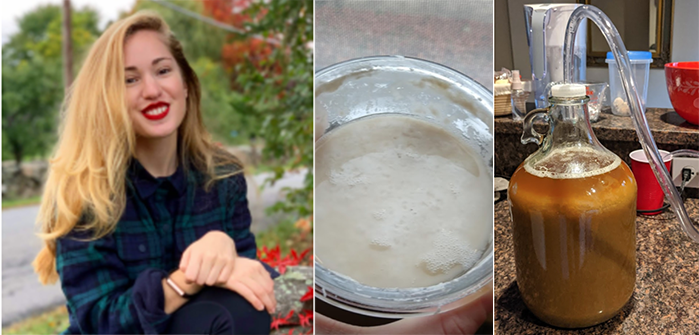
Growing your own sourdough starter is a relatively low-effort process that is not only ridiculously easy, it also lends you serious kitchen clout. All you need to get started are flour, water, and the right temperature. Combine the flour and water in equal quantities in a container with quite a bit of headspace. “Feed” your starter once a day by replacing half of it by weight with a fresh water-flour mixture. Grow your starter at 68-75F. In the cold of the winter, yeast will take longer to grow and consume the complex nutrients in flour. In the summer, your starter may be so active it requires “feeding” twice a day!

 A young starter with “hooch” on top

As the complex community develops in your starter, it will go from being watery (the liquid on top is actually called “hooch”, if that is any indication of its actual nature) and frankly pretty stinky to bubbly and aromatic. Your nose and eyes are your best tools for judging what bugs are living in your starter (move over, Illumina[3]!). Fuzzy and white? Probably mould! Orange and cheesey? Serratia marcescens is likely the culprit. Simply use a clean spoon to remove these offending species. The wonderful magic of your starter is that, as a living community of wild yeasts and bacteria, it will eventually fend off nastier invaders and reach a set-point of well-behaved yeast. Patience is crucial! Keep feeding, and believe in “godisgoode”.

As a microbiologist, I must admit that the process of developing a working starter far outweighed the actual bread-baking process. For those of you who are excited about baking – the starter can be used for pancakes, doughnuts, muffins, cake, almost any dessert that uses dry active yeast. When you need a break from your prolific baking streak, simply pop your starter in the freezer and it’ll be ready for the next time you get hungry!

Beer: hurry up and wait

Over our many weeks in confinement, my roommates and I have been refining our beer-tasting palates by attending Lamplighter Brewery’s virtual tasting events. The wonderful folks at lamp gave me my first introduction to how beer is made and, eager to fill my weekends with more than just existential dread, I decided to venture into brewing.

To be completely honest, I’d also been missing those $6 pitchers of High Life at the Muddy (the Muddy Charles Pub, a campus highlight).

Like baking, brewing is a process that has engendered a cult-following. Homebrewers take their craft seriously, and you can find countless blog posts and youtube videos describing everything from sanitization techniques to pitch rates (how much yeast goes in) to heated debates on hop flavor profiles. To an MIT grad student, drinking from this “firehose” of information should feel almost comfortable, if you can withstand the flashbacks to 7.51 (principles of biochemical analysis). The trick, I’ve learned, is to dive in headfirst and take in specific pieces of information only as needed.

Brewing requires a little more investment than baking. The equipment you need will likely not be lying around the house, and unfortunately cannot be repurposed for much if you find that brewing isn’t quite your thing. The good news is that there are several companies selling pre-assembled “kits” to get you started on your boozy journey. After doing some research of my own, and soliciting advice from my homebrewer friends, I went with an IPA kit that included most of the hardware I’d need.

My first (and only, so far) brew day was a 6-hour process. Like any experiment in the lab, I anxiously sanitized, scrubbed, stirred, heated and cooled alternately. The day after, I realized my hyper-aware level of caution had been superfluous – my yeast were happily bubbling away in their preferred temperature range of 68F-75F. Little did I know that they’d still be bubbling away two weeks later at 91F (!!), thanks to the heat of a Boston summer and a failed condenser in our central AC.

The garage: your new incubator / engineering lab

Once your beer has been brewed, it needs to ferment in a cool, dark place for two weeks. The only cool, dark place in our now very hot apartment is our garage, which has been taken over by my MechE roomie (hey Annie!) Annie, not constrained by a study of deadly bacteria, was uninhibited in her assembly of a mini-engineering lab in our garage, even having equipment sent directly to our apartment! My yeast and fermenting beer join her assorted selection of wires in filling the void in our hearts normally filled by our labs.

Sourdough starter fed and beer bottled, all that is left to do is wait. In between waiting for bread and booze, I like to sneak in some studying for my upcoming qualifying exams!

As we become ever more intimately acquainted with our homes and the yeast that inhabit them, I highly encourage you to experience the magic of micro-organismal life for yourself. Biting into that first slice of bread or taking your first sip of home-brewed beer is a fulfilling reminder that, but for the pardoning mercy of an only 99.99% effective clorox wipe, our sterile world would be dull and flat. Grant yourself a moment to breathe and celebrate the 0.01% of microbes that make our world wonderful — you’ll be back in the lab in no time!

[1] Biosafety level 2 (BSL-2)refers to  laboratories that work with biological agents that pose a moderate health hazard

[2] Methicillin-Resistant Staphylococcus Aureus (MRSA) is a form of antibiotic resistant bacteria that causes infections

[3] Illumina is a DNA sequencing company that is well known for its technology

These genes help explain how malaria parasites survive treatment with common drug
Eva Frederick | Whitehead Institute
September 23, 2020

The essential malaria drug artemisinin acts like a “ticking time bomb” in parasite cells — but in the half a century since the drug was introduced, malaria-causing parasites have slowly grown less and less susceptible to the treatment, threatening attempts at global control over the disease.

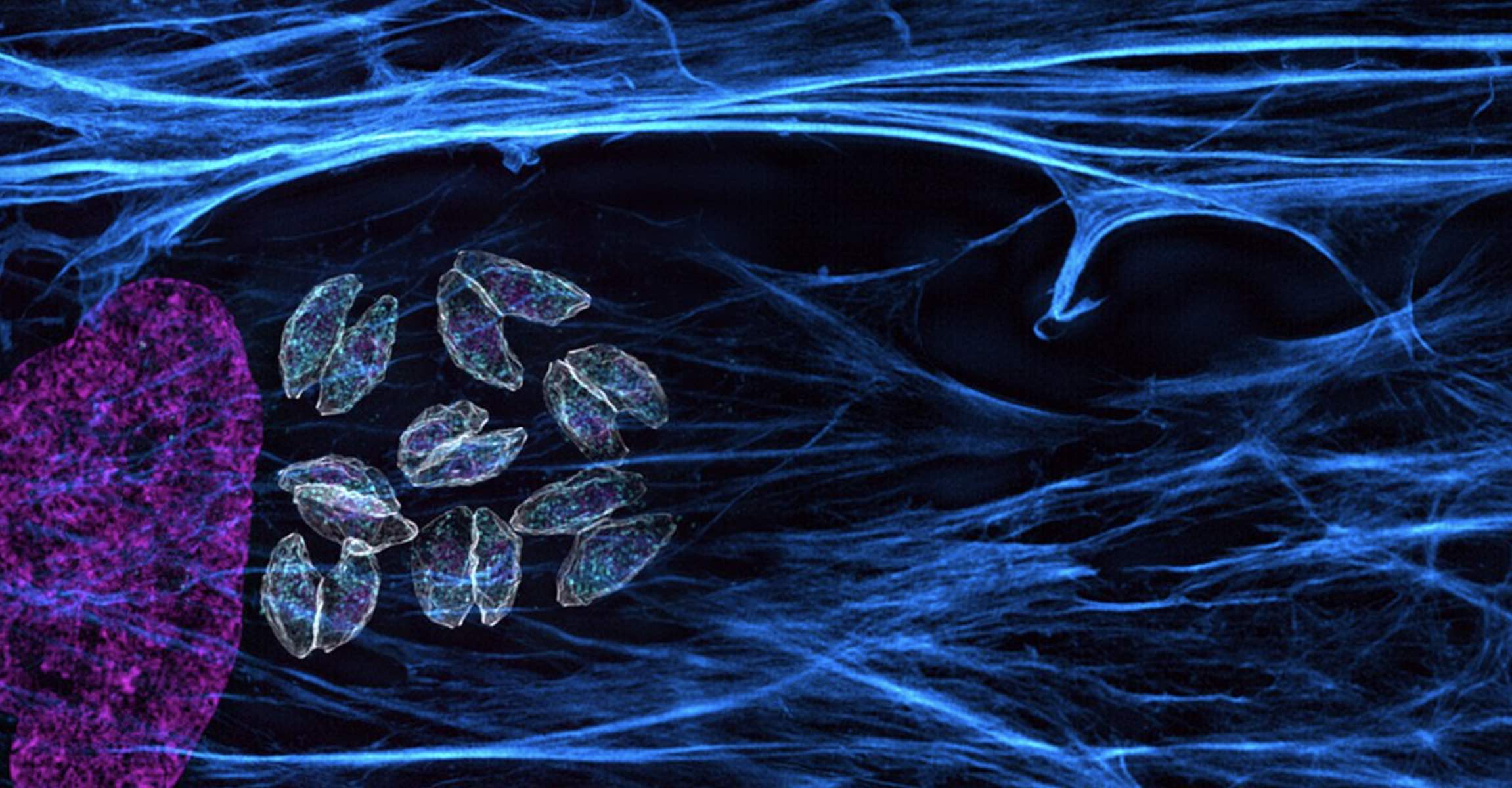
In a paper published September 23 in Nature Communications, Whitehead Institute Member Sebastian Lourido and colleagues use genome screening techniques in the related parasite Toxoplasma gondii (T. gondii) to identify genes that affect the parasites’ susceptibility to artemisinin. Two genes stood out in the screen: one that makes the drug more lethal, and another that helps the parasite survive the treatment.

Artemisinin is derived from the extract of sweet wormwood (Artemisia annua), and is usually used against malaria as part of a combination therapy. “Artemisinin kills malaria-causing parasites super fast—it will wipe out 90 percent of parasites within 24 hours,” says former postdoctoral researcher and co-first author Clare Harding, now a research fellow at the University of Glasgow. Once the fast-acting drug clears out the bulk of the parasites—such as Plasmodium falciparum, the culprit in the deadliest forms of malaria—from the bloodstream, the second drug finishes off the stragglers, curing the infection.

“Artemisinin works differently than most antibiotics,” Lourido said. “You can think of it as a sort of bomb that needs to be turned on in order to work.” The molecule required to light the drug’s fuse is called heme. Heme is a small molecule that facilitates several cellular functions, including electron transport and the delivery of oxygen to tissues as a component of hemoglobin. When heme molecules encounter artemisinin, they activate the drug allowing the creation of small, toxic radicals which react with proteins, lipids and metabolites inside the parasite, leading to its death.

Lourido, Harding, and co-first authors Boryana Petrova and Saima Sidik (“We were the ‘Heme Team,’” Harding said) wanted to understand what mechanisms the less susceptible parasites were using to avoid activating the “bomb”. Previously, Lourido and his lab—which focuses on apicomplexan parasites, a group which includes both Toxoplasma gondii and the malaria-causing Plasmodium falciparum—had developed a method to screen the entire genome of T. gondii to discover beneficial and harmful mutations. For a number of reasons, the screen does not work on Plasmodium parasites, but Lourido hypothesized that the related parasites’ genomes were similar enough that the method could prove helpful.

After running the screen, two genes stood out to the researchers as important factors in the parasites’ susceptibility to artemisinin treatment. One, called Tmem14c, seemed to be protecting the parasites: when the gene was disrupted in the screen, the parasites became more susceptible to treatment with artemisinin. The gene is analogous to one in red blood cells that serves as a transporter for heme and its building blocks, shuttling them in and out of the mitochondrion.

“What could be happening here is that, in the absence of Tmem14c, heme, artemisinin’s activator, collects within the mitochondria where it is being synthesized, thereby rendering the mitochondria better at activating that ticking time bomb,” Lourido said. “Having that high concentration of heme in the mitochondria is like having a flame when there is a gas leak.”

The screen also identified one mutation that led to parasites being less sensitive to artemisinin. The mutation affected a gene called DegP2, the product of which interacts with several mitochondrial proteins and appears to play a role in heme metabolism. When less DegP2 was present, the cells contained a lower amount of heme, which in turn made it less likely that the parasites would be killed by artemisinin.

Both the findings support other research suggesting that heme metabolism is crucial for artemisinin susceptibility. “It is important to consider the role of heme when combining artemisinin with other therapies,” Lourido said. “You would want to avoid combination therapy that might inadvertently suppress the level of heme within the parasite and thereby reduce susceptibility to antiparasitic agents.”

The project also showed the potential of using the Toxoplasma screening method as a model to study other related parasites. The screen confirmed findings in Toxoplasma that had previously been shown in Plasmodium, suggesting that it could be a valuable tool in studying malaria and other diseases caused by apicomplexan parasites.

“Through the amazing screens and molecular biology that you can do in Toxoplasma, we can really learn a lot about the biology of this diverse group of parasites,” Lourido said. “Defeating malaria is going to take a lot of different and creative approaches, and the fundamental research that we can do in Toxoplasma can in fact inform many of the critical clinical questions we need to answer to control this disease.”

***

Written by Eva Frederick

***

Harding, C., Sidik, S, and Petrova, B., et al. “Genetic screens reveal a central role for heme metabolism in artemisinin susceptibility.” Nature Communications. DOI: https://doi.org/10.1038/s41467-020-18624-0

“Runaway” Transcription

Researchers discover new rules governing bacterial gene expression that overturn fundamental assumptions about basic biological pathways.

Raleigh McElvery
August 26, 2020

On the evolutionary tree, humans diverged from yeast roughly one billion years ago. By comparison, two seemingly similar species of bacteria, Escherichia coli and Bacillus subtilis, have been evolving apart for roughly twice as long. In other words: walking, talking bipeds are closer on the tree of life to single-celled fungus than these two bacteria are to one another. In fact, it’s becoming increasingly clear that what is true of one bacterial type may not be true of another — even when it comes down to life’s most basic biological pathways.

E. coli has served as a model organism in scientific research for over a century, and helped researchers parse many fundamental processes, including gene expression. In these bacteria, as one molecular machine, the RNA polymerase, moves along the DNA transcribing it into RNA, it is followed in close pursuit by a second molecular machine, the ribosome, which translates the RNA into proteins. This “coupled” transcription-translation helps monitor and tune RNA output, and is considered a hallmark of bacteria.

However, an interdisciplinary team of biologists and physicists recently showed that the B. subtilis bacterium employs a different set of rules. Rather than working in tandem with the ribosome, the polymerase in B. subtilis speeds ahead. This system of “runaway” transcription creates alternative rules for RNA quality control, and provides insights into the sheer diversity of bacterial species.

“Generations of researchers, including myself, were taught that coupled transcription-translation is fundamental to bacterial gene expression,” says Gene-Wei Li, an associate professor of biology and senior author of the study. “But our very precise, quantitative measurements have overturned that long-held view, and this study could be just the tip of the iceberg.”

Grace Johnson, a graduate student in the Department of Biology, and Jean-Benoît Lalanne, a graduate student in the Department of Physics, are the lead authors on the paper, which appeared in Nature on Aug. 26.

A curious clue

In 2018, Lalanne developed an experimental technique to measure the boundaries of RNA transcripts. When DNA is transcribed into RNA, the resulting transcripts are generally longer than the DNA coding sequence because they also have to include an extra bit at the end to signal the polymerase to stop. In B. subtilis, Lalanne noticed there simply wasn’t enough space between the ends of the coding sequences and the ends of the RNA transcripts — the extra code was too short for both the polymerase and the ribosome to fit at the same time. In this bacterium, coupled transcription-translation didn’t seem possible.

“It was a pretty weird observation,” Lalanne recalls. “It just didn’t square up with the accepted dogma.”

To delve further into these puzzling observations, Johnson measured the speeds of the RNA polymerase and ribosome in B. subtilis. She was surprised to find that they were moving at very different rates: the polymerase was going roughly twice as fast as the ribosome.

During coupled transcription-translation in E. coli, the ribosome is so closely associated with the RNA polymerase that it can control when transcription terminates. If the RNA encodes a “premature” signal for the polymerase to stop transcribing, the nearby ribosome can mask it and spur the polymerase on. However, if something goes awry and the ribosome is halted too far behind the polymerase, a protein called Rho can intervene to terminate transcription at these premature sites, halting the production of these presumably non-functional transcripts.

However, in B. subtilis, the ribosome is always too far behind the polymerase to exert its masking effect. Instead, Johnson found that Rho recognizes signals encoded in the RNA itself. This allows Rho to prevent production of select RNAs while ensuring it doesn’t suppress all RNAs. However, these specific signals also mean Rho likely has a more limited role in B. subtilis than it does in E. coli.

A family trait

To gauge how common runaway transcription is, Lalanne created algorithms that sifted through genomes from over 1,000 bacterial species to identify the ends of transcripts. In many cases, there was not enough space at the end of the transcripts for both the RNA polymerase and the ribosome to fit, indicating that more than 200 additional bacteria also rely on runaway transcription.

“It was striking to see just how widespread this phenomenon is,” Li says. “It raises the question: How much do we really know about these model organisms we’ve been studying for so many years?”

Carol Gross, a professor in the Department of Microbiology and Immunology at University of California San Francisco who was not involved with the study, refers to the work as a “tour de force.”

“Gene-Wei Li and colleagues show transcription-translation coupling, thought to be a foundational feature of bacterial gene regulation, is not universal,” she says. “Instead, runaway transcription leads to a host of alternative regulatory strategies, thereby opening a new frontier in our study of bacterial strategies to thrive in varied environments.”

As researchers widen their experimental radius to include more types of bacteria, they are learning more about the basic biological processes underlying these microorganisms — with implications for those that take up residence in the human body, from helpful gut microbes to noxious pathogens.

“We’re beginning to realize that bacteria can have distinct ways of regulating gene expression and responding to environmental stress,” Johnson says. “It just shows how much interesting biology is left to uncover as we study increasingly diverse bacteria.”

Citation:
“Functionally uncoupled transcription–translation in Bacillus subtilis
Nature, online August 26, 2020, DOI: 10.1038/s41586-020-2638-5
Grace E. Johnson, Jean-Benoît Lalanne, Michelle L. Peters, and Gene-Wei Li

Top illustration: Researchers discovered a new system of transcription and translation in bacteria, where the polymerase (pink) in B. subtilis “runs away” from the ribosome (blue). Credit: Grace Johnson
Posted: 8.26.20