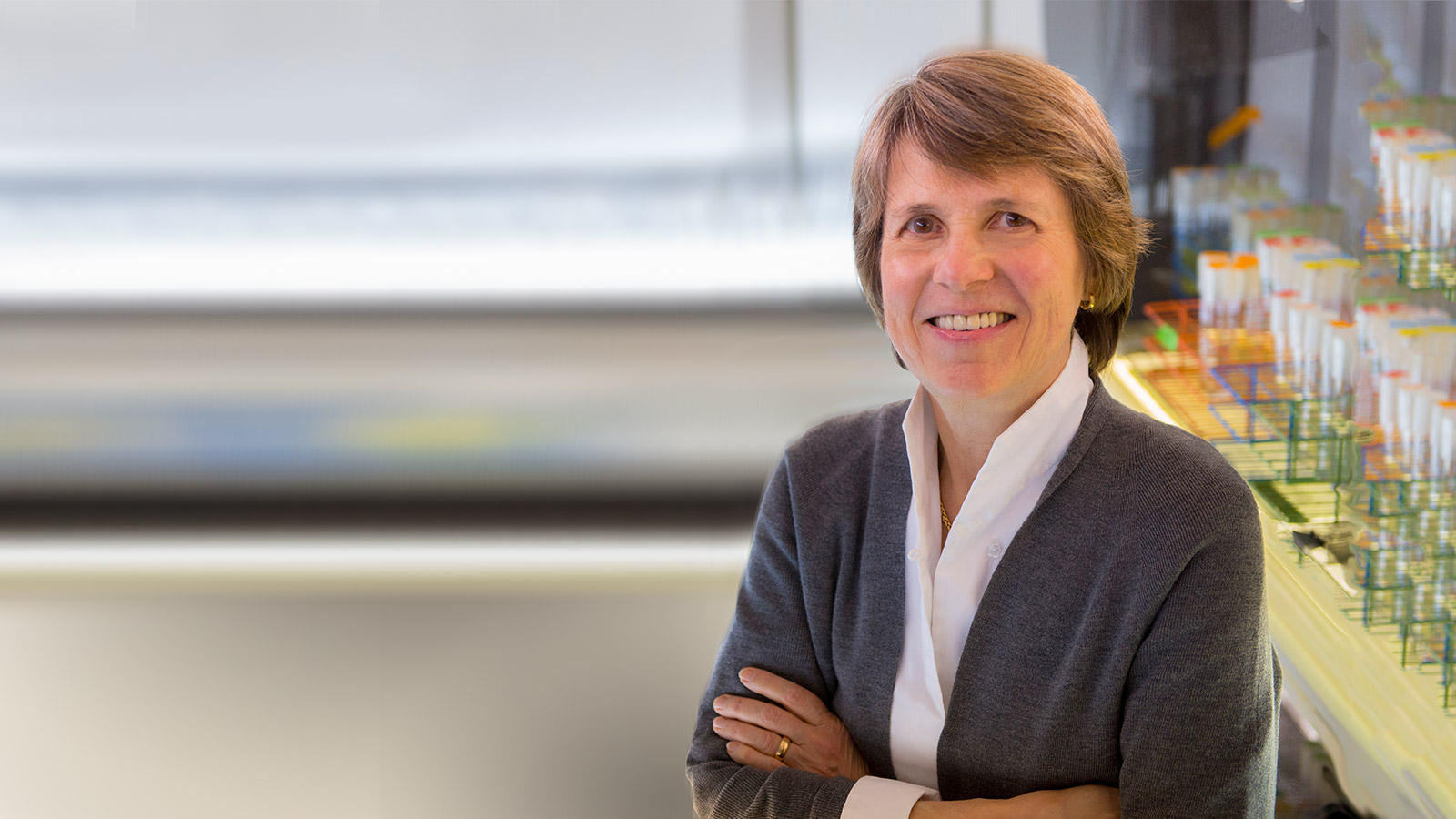
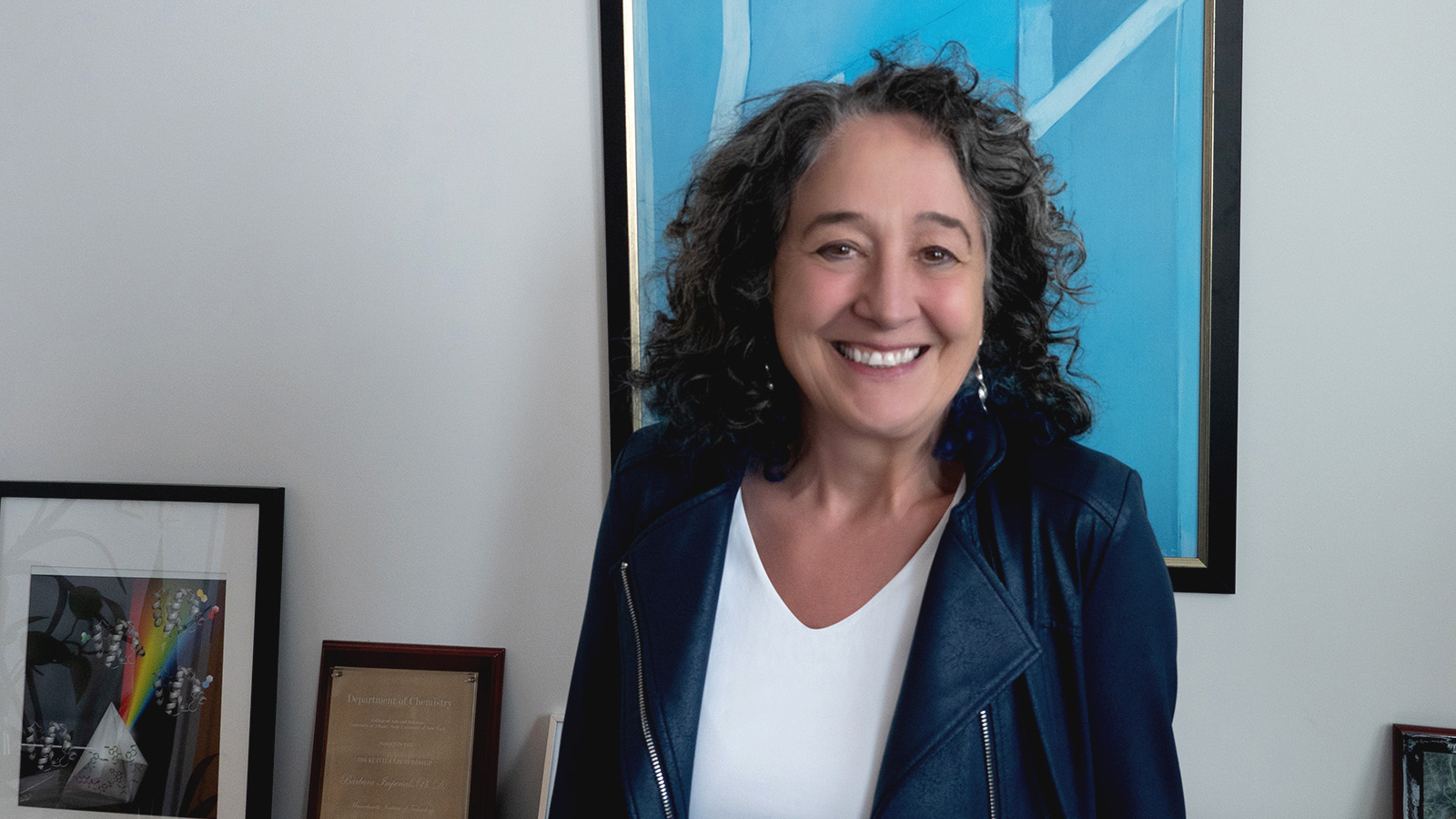
Barbara Imperiali

Education

  • PhD, 1983, MIT
  • BSc, 1979, Medicinal Chemistry, University College London

Research Summary

We study diverse aspects of protein structure and function and employ multidisciplinary approaches to address fundamental problems at the interface of chemistry and biology. We are fascinated by the amazing complexity and myriad functions of glycoconjugates in human health and disease. Still more enthralling are the intricate membrane-associated pathways that lead to the cellular biogenesis of these important macromolecules. Our group applies approaches and technologies from a wide range of synergistic fields including chemical biology (for inhibitor and probe development), biochemistry and biophysics (for analyses within and beyond native and model membranes), and cellular, molecular and microbiology to unravel these pathways. Ultimately we seek to decipher the molecular logic of glycoconjugate biosynthesis and to identify processes to target in the study of infectious disease.

Awards

  • National Academy of Sciences, Member, 2010
  • Fellow of the Royal Society of Chemistry (FRSC) 2006
  • American Chemical Society – Breslow Award for Achievement in Biomimetic Chemistry 2006
  • Protein Society – Kaiser Award, 2006
  • Margaret MacVicar Faculty Fellow, 2003-2013
  • American Academy of Arts and Sciences, Fellow, 2001
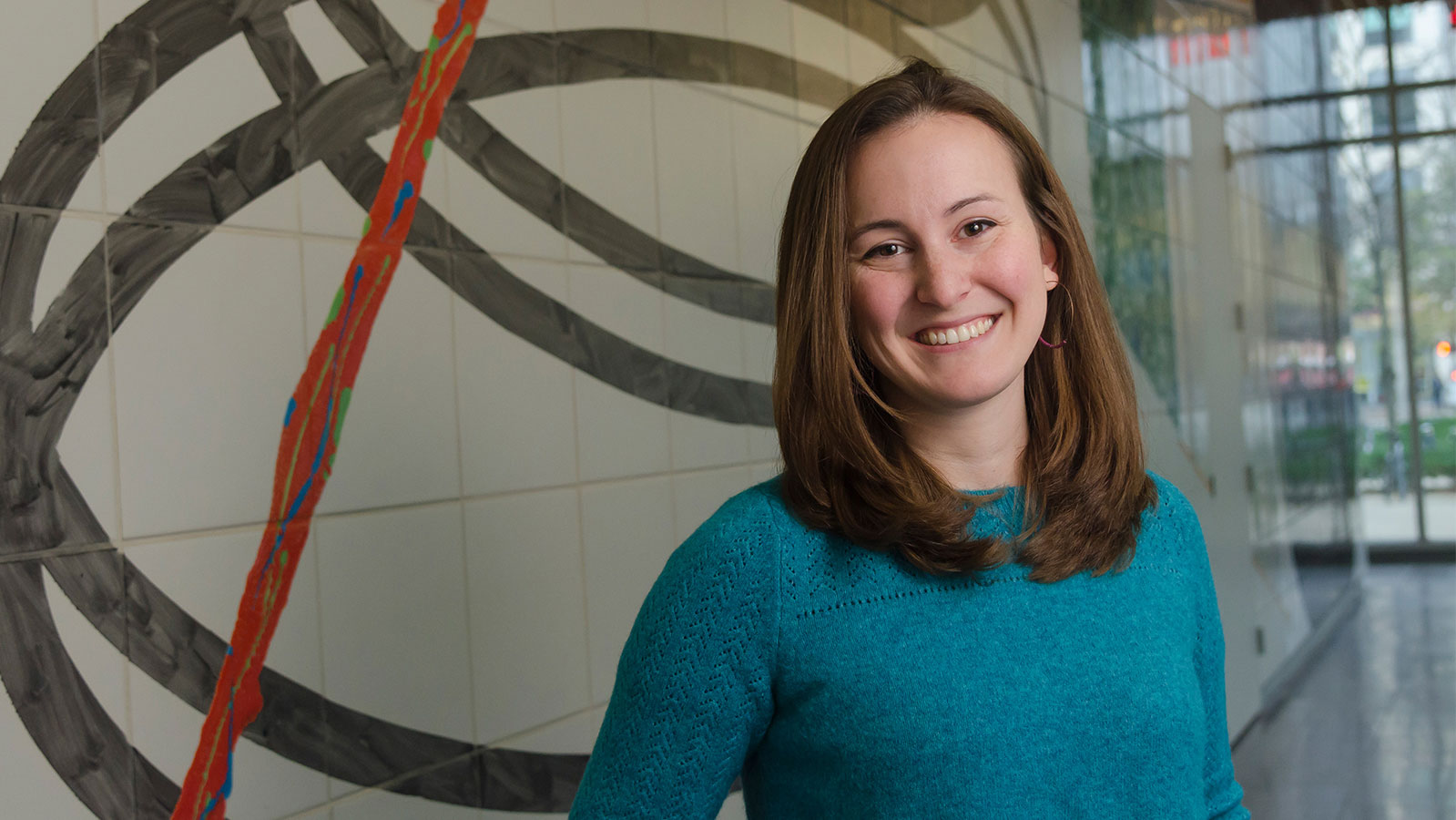
Rebecca Lamason

Education

  • PhD, 2011, The Johns Hopkins University School of Medicine
  • BS, 2002, Molecular Biology and Biotechnology, Millersville University

Research Summary

In the Lamason lab, we investigate how intracellular bacterial pathogens hijack host cell processes to promote infection. In particular, we study how Rickettsia parkeri and Listeria monocytogenes move through our tissues via a process called cell-to-cell spread. We utilize cellular, molecular, genetic, biochemical and biophysical approaches to elucidate the mechanisms of spread in order to reveal key aspects of pathogenesis and host cell biology.

Awards

  • NIH Pathway to Independence Award, 2015
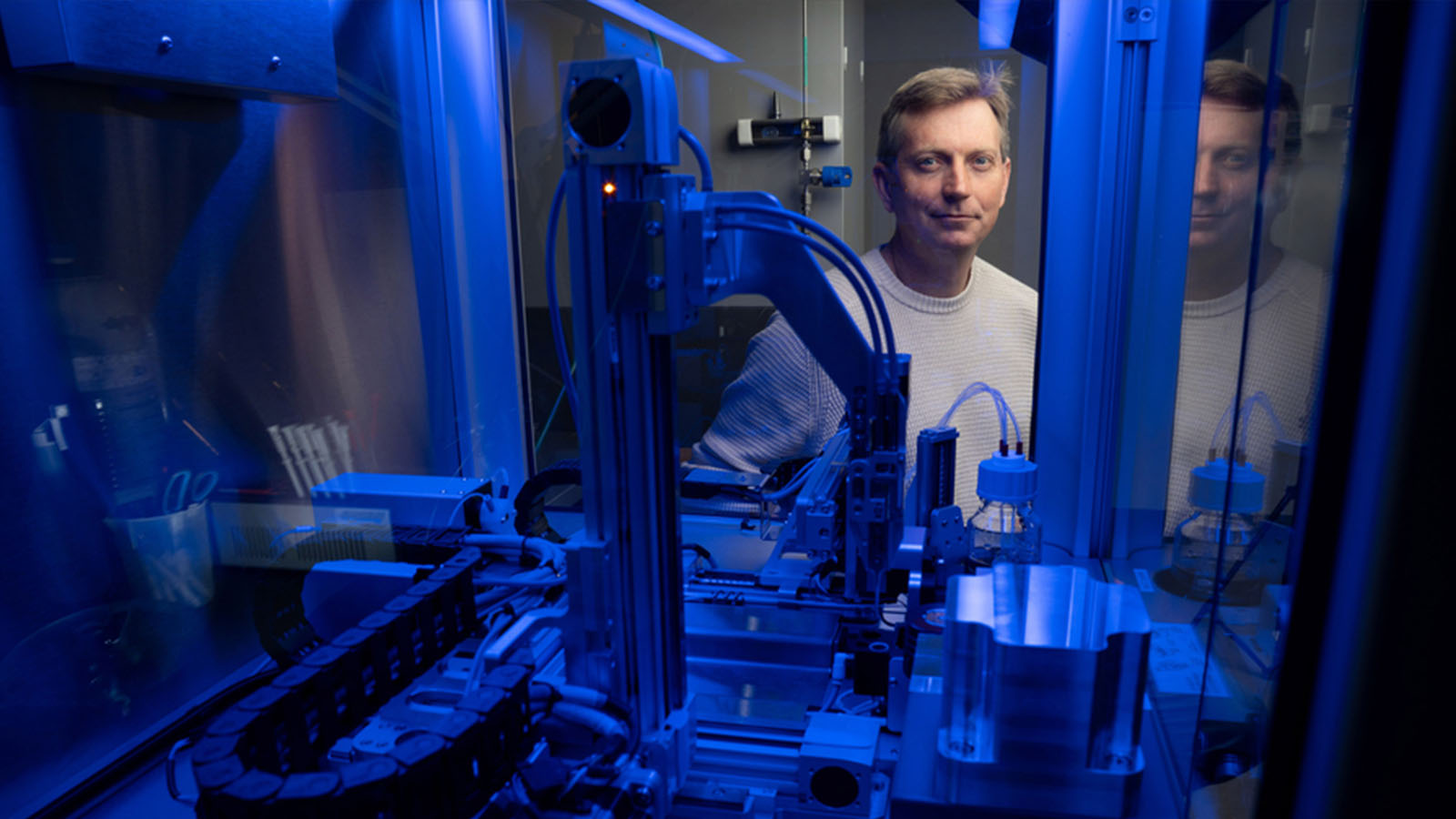
Joseph (Joey) Davis

Education

  • PhD, 2010, MIT
  • BA,  2003, Computer Science, University of California, Berkeley
  • BS, 2003, Biological Engineering, University of California, Berkeley

Research Summary

The Davis lab is working to uncover how cells construct and degrade complex molecular machines rapidly and efficiently. We apply a variety of biochemical, biophysical, and structural approaches including quantitative mass spectrometry and single particle cryo-electron microscopy to understand the detailed molecular mechanisms of these processes. Ongoing projects in the lab are focused on autophagy, an essential eukaryotic protein and organelle degradation pathway, and assembly of the ribosome, which is essential in all cells.

Awards

  • Sloan Research Fellowship, Alfred P. Sloan Foundation, 2021
  • National Institute on Aging R00 Fellowship, 2017
  • National Institute on Aging K99 Fellowship, 2015
Sallie (Penny) W. Chisholm

Education

  • PhD, 1974, SUNY Albany

Research Summary

Our goal is to understand the ecology and evolution of ocean microbes and how they influence global biogeochemical cycles. We focus on the cyanobacterium Prochlorococcus, which is the smallest and most abundant microbe in ocean ecosystems — sometimes accounting for half the total photosynthetic biomass. We use this model system to study life across all scales — from the genome to the ecosystem.

Awards

  • Crafoord Prize, 2019
  • Generalitat of Catalonia, Ramon Margalef Prize in Ecology, 2013
  • American Association for the Advancement of Science, Fellow, 2012
  • National Medal of Science, 2011
  • National Academy of Sciences, Alexander Agassiz Medal, 2010
  • National Academy of Sciences, Member, 2003
  • John Simon Guggenheim Memorial Foundation, Guggenheim Fellowship, 1997
  • American Academy of Arts and Sciences, Fellow, 1992
Stephen Bell

Education 

  • PhD, 1990, University of California, Berkeley
  • BS, 1985, Integrated Science Program and Biochemistry, Molecular Biology and Cell Biology, Northwestern University

Research Summary

We focus on the events that occur at the starting points of chromosome duplication. These DNA sequences — called “origins of replication” — are found at multiple sites on each eukaryotic chromosome and direct the assembly of replisomes, which replicate the DNA on both sides of the origin. We study this assembly process to understand how chromosomes are replicated, and how these events are regulated during the cell cycle to ensure genome maintenance.

Awards

  • National Academy of Sciences, Member, 2017
  • National Academy of Sciences Award in Molecular Biology, 2009
  • Howard Hughes Medical Institute, HHMI Investigator, 2000
Gerald R. Fink

Education

  • PhD, 1965, Yale University
  • BA, 1962, Biology, Amherst College

Research Summary

We study the molecules that allow fungi to penetrate tissues and grow in a hostile environment. Using genetics, biochemistry and genomics, we answer questions such as:  What makes Candida albicans such a successful pathogen?  How do fungal pathogens evolve antibiotic resistance? How do they manage to change their genetic composition so rapidly?

The Fink lab is no longer accepting students.

Awards

  • Thomas Hunt Morgan Medal, Genetics Society of America, 2020
  • James R. Killian Jr. Faculty Achievement Award, 2018
  • American Association for the Advancement of Science, Fellow, 2015
  • Gruber International Prize in Genetics, 2010
  • American Philosophical Society, 2003
  • Yeast Genetics and Molecular Biology – Lifetime Achievement Award, 2002
  • George W. Beadle Award, Genetics Society of America, 2001
  • Ellison Medical Foundation, Senior Scholar Award, 2001
  • National Academy of Medicine, 1996
  • Wilbur Lucius Cross Medal, Yale University, 1992
  • Emil Christian Hansen Foundation Award for Microbiology, Denmark, 1986
  • American Academy of Arts and Sciences, Fellow, 1984
  • Yale Science and Engineering Award, 1984
  • National Academy of Sciences, Member, 1981
  • National Academy of Sciences Award in Molecular Biology, 1981
  • John Simon Guggenheim Memorial Foundation, Guggenheim Fellowship, 1974
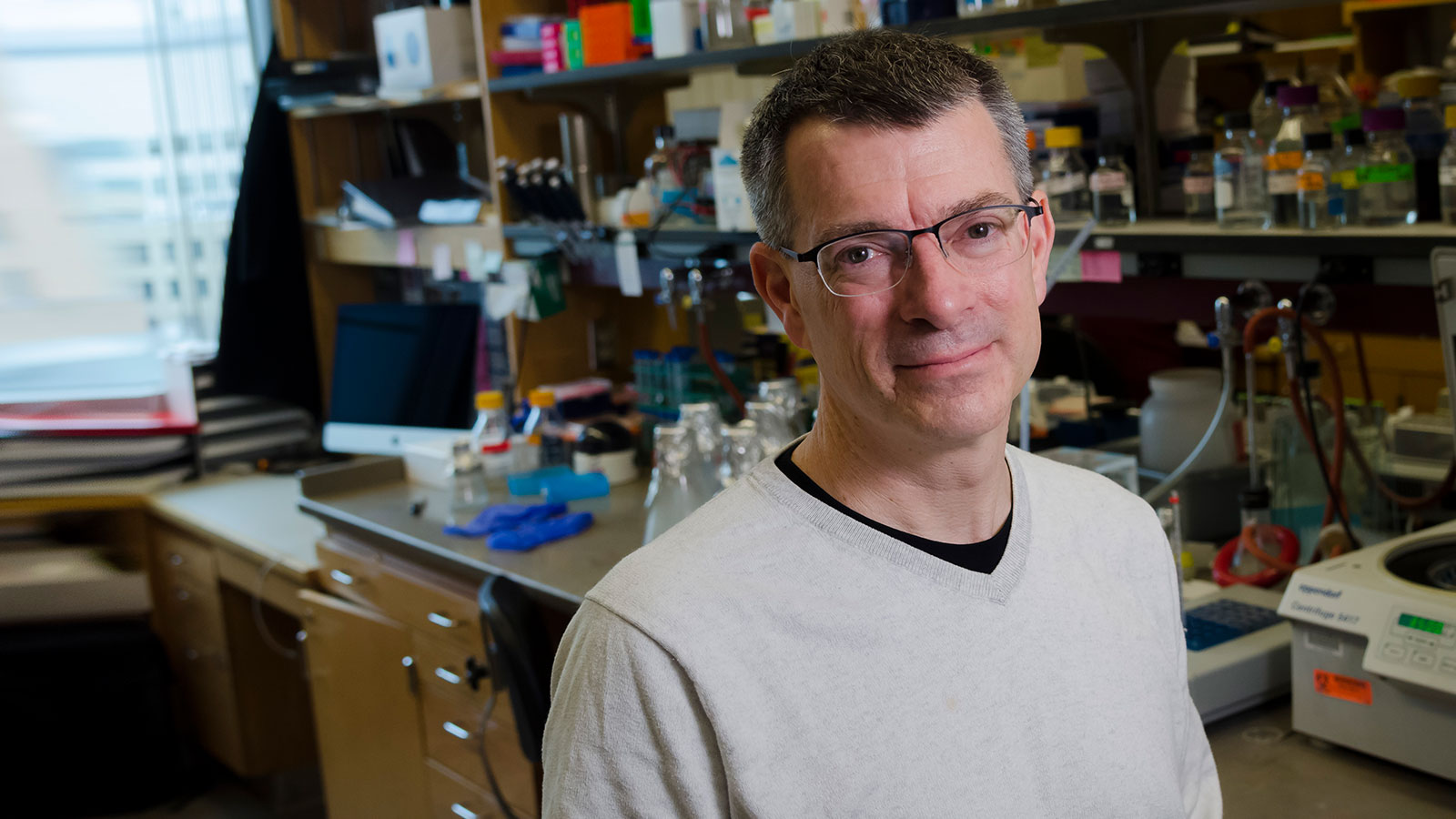
Alan D. Grossman

Education

  • PhD, 1984, University of Wisconsin, Madison
  • BS, 1979, Biochemistry, Brown University

Research Summary

We use a variety of approaches to investigate several of the fundamental and conserved processes used by bacteria for propagation and growth, adaptation to stresses, and acquisition of new genes and traits via horizontal gene transfer. Our long term goals are to understand many of the molecular mechanisms and regulation underlying basic cellular processes in bacteria. Our organism of choice for these studies is usually the Gram positive bacterium Bacillus subtilis.

Our current efforts are focused in two important areas of biology: 1) The control of horizontal gene transfer, specifically the lifecycle, function, and control of integrative and conjugative elements (ICEs). These elements are widespread in bacteria and contribute greatly to the spread of antibiotic resistances between organisms. 2) Regulation of the initiation of DNA replication and the connections between replication and gene expression, with particular focus on the conserved replication initiator and transcription factor DnaA. This work is directly related to mechanisms controlling bacterial growth, survival, and stress responses.

Awards

  • National Academy of Sciences, 2014
  • American Academy of Arts and Sciences, 2008
  • American Academy of Microbiology 1998
  • Eli Lilly Company Research Award, 1997
School of Science welcomes new faculty members

This fall brings 14 new professors in the departments of Biology, Chemistry, Mathematics, and Physics.

School of Science
October 10, 2017

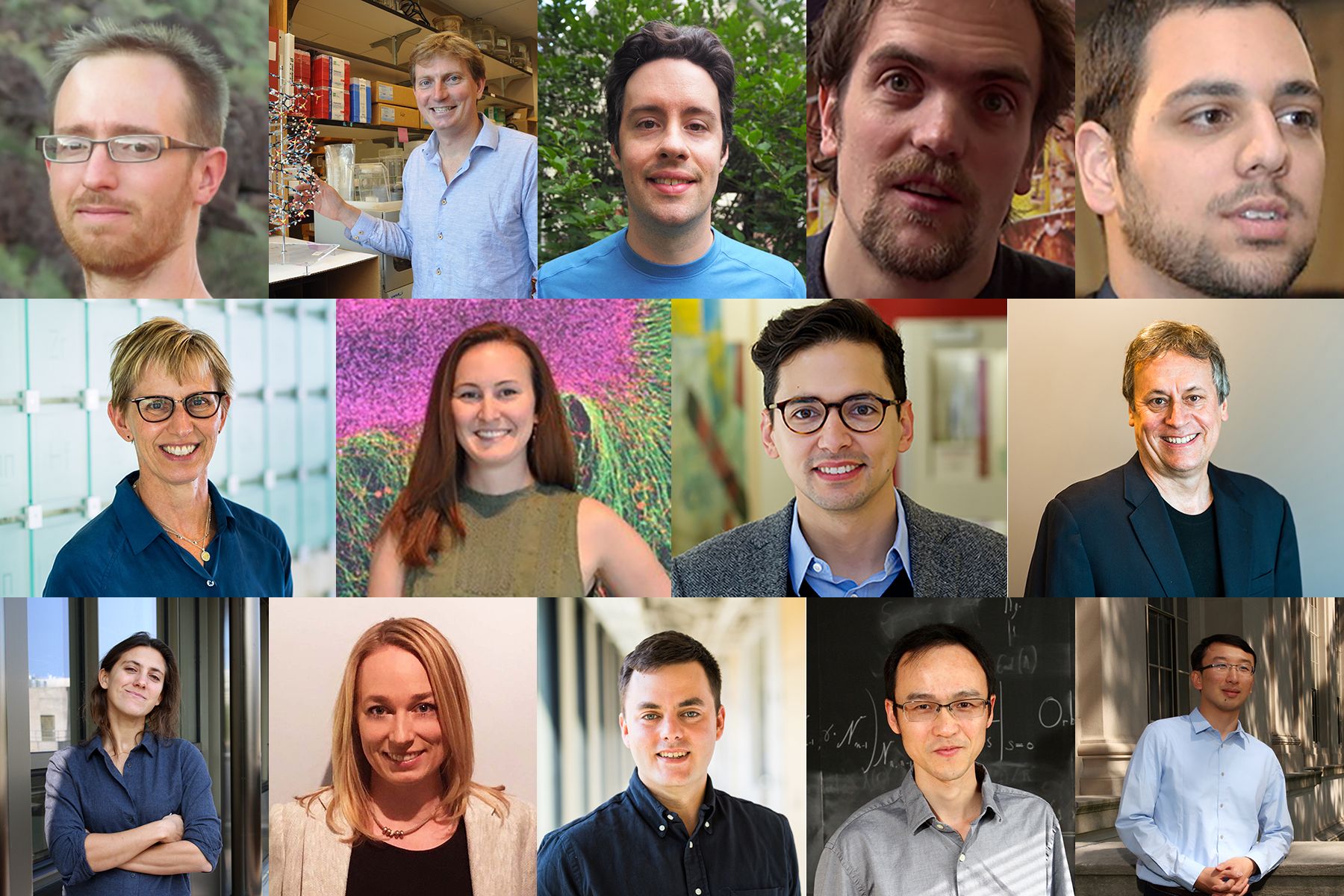
This fall, the MIT School of Science has welcomed 14 new professors in the departments of Biology, Chemistry, Mathematics, and Physics.

Ian J. M. Crossfield focuses on the atmospheric characterization of exoplanets through all possible methods — transits, eclipses, phase curves, and direct imaging — from the ground and from space, with an additional interest in the discovery of new exoplanets, especially those whose atmospheres that can be studied in more detail. He joins the MIT Department of Physics as an assistant professor.

Joey Davis, an assistant professor in the Department of Biology, studies the molecular mechanisms underpinning autophagy using biochemical, biophysical, and structural biology techniques such as mass spectrometry and cryo-electron microscopy. This pathway is responsible for protein and organelle degradation and has been linked to a variety of aging associated disorders including neurodegeneration and cancer.

Daniel Harlow works on black holes and cosmology, viewed through the lens of quantum gravity and quantum field theory. He has joined the Department of Physics as assistant professor.

Philip Harris, a new assistant professor in the Department of Physics, searches for dark matter, seeking a deeper understanding of the petabytes of data collected at the Large Hadron Collider. Much of his research exploits new techniques to resolve the structure of quark and gluon decays, known as jet substructure.

Or Hen studies quantum chromodynamics effects in the nuclear medium, and the interplay between partonic and nucleonic degrees of freedom in nuclei, conducting experiments at the Thomas Jefferson and Fermi National Accelerator Laboratories, as well as other accelerators around the world. He has joined the faculty as an assistant professor in the Department of Physics and the Laboratory of Nuclear Science.

Laura Kiessling investigates how carbohydrates are assembled, recognized, and function in living cells, which is crucial to understanding key biological processes such as bacterial cell wall biogenesis, bacteria chemotaxis, enzyme catalysis and inhibition, immunity, and stem cell propagation and differentiation. She is the new Novartis Professor of Chemistry.

Rebecca Lamason investigates how intracellular bacterial pathogens hijack host cell processes to promote infection. In particular, she studies how Rickettsia parkeri and Listeria monocytogenes move through tissues via a process called cell-to-cell spread. She has joined the Department of Biology as an assistant professor.

Sebastian Lourido studies the molecular events that enable parasites in the phylum Apicomplexa to remain widespread and deadly infectious agents. Lourido uses Toxoplasma gondii to model processes conserved throughout the phylum, in order to expand our understanding of eukaryotic diversity and identify specific features that can be targeted to treat parasite infections. He has been welcomed into the Department of Biology as an assistant professor.

Ronald T. Raines, who has joined the faculty as the Firmenich Professor of Chemistry, uses techniques that range from synthetic chemistry to cell biology to illuminate in atomic detail both the chemical basis and the biological purpose for protein structure and protein function. He seeks insights into the relationship between amino-acid sequence and protein function (or dysfunction), as well as to the creation of novel proteins with desirable properties.

Giulia Saccà is an algebraic geometer with a focus on hyperkähler and Calabi-Yau manifolds, K3 surfaces, moduli spaces of sheaves, families of abelian varieties and their degenerations, and symplectic resolutions. She is now an assistant professor in the Department of Mathematics.

Stefani Spranger studies the interactions between cancer and the immune system, with the goal of improving existing immunotherapies or developing novel therapeutic approaches. Spranger seeks to understand how CD8 T cells, otherwise known as killer T cells, are excluded from the tumor microenvironment, with a focus on lung and pancreatic cancers. She has joined the Department of Biology as an assistant professor.

Daniel Suess works at the intersection of inorganic and biological chemistry, studying redox reactions that underpin global biogeochemical cycles, metabolism, and energy conversion. He develops chemical strategies for attaining precise, molecular-level control over the structures of complex active sites. In doing so, his research yields detailed mechanistic insight and enables the preparation of catalysts with improved function. Suess is an assistant professor in the Department of Chemistry.

Wei Zhang is a number theorist who works in arithmetic geometry, with special interest in fundamental objects such as L-functions, which appear in the Riemann hypothesis and its generalizations, and are central to the Langlands program. Zhang has joined the Department of Mathematics as a full professor.

Yufei Zhao, who has joined the Department of Mathematics as an assistant professor, works in combinatorics and graph theory, and is especially interested in problems with extremal, probabilistic, and additive flavors.

Department of Biology hosts its first Science Slam

Eight biology trainees had just three minutes to explain their research and earn favor with the judges and audience in new yearly event.

Raleigh McElvery | Department of Biology
October 5, 2017

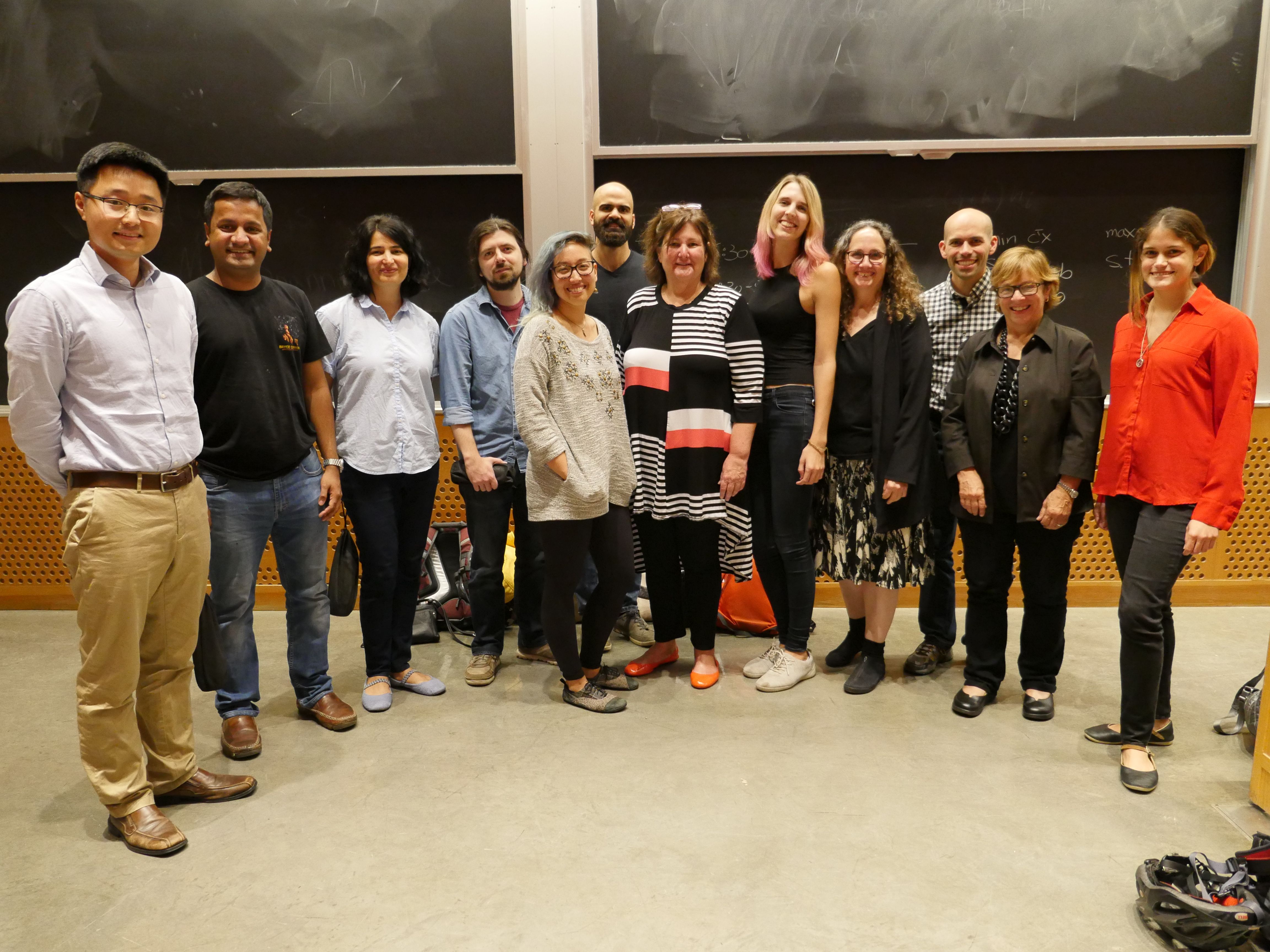
Nearly 300 spectators crowded into a lecture hall at the Ray and Maria Stata Center on a recent Tuesday to witness the first annual Science Slam, hosted by MIT’s Department of Biology.

A science slam features a series of short presentations where researchers explain their work in a compelling manner and — as the name suggests — make an impact. The presentations aren’t just talks, they’re performances geared towards a science-literate but non-specialized public audience. In this case, competitors were each given one slide and three minutes to tell their scientific tales and earn votes from audience members and judges.

The jury included Ellen Clegg, editorial page editor of The Boston Globe and co-author of two award-winning books, “ChemoBrain” and “The Alzheimer’s Solution;” Emilie Marcus, CEO of Cell Press and editor-in-chief of the flagship journal, Cell; and Ari Daniel, an independent science reporter who produces digital videos for PBS NOVA and co-produces the Boston branch of Story Collider.

Among the competitors were five graduate students and three postdocs who hailed from labs scattered throughout Building 68, the Whitehead Institute, the Broad Institute, the Koch Institute for Integrative Cancer Research, and the Picower Institute for Learning and Memory. The storytellers were:

  • Sahin Naqvi, from David Page’s lab, who spoke about the evolution of genetic sex differences in mammals, as well as how these differences impact the likelihood of developing certain diseases based on gender;
  • Sudha Kumari, from Darrell Irvine’s lab, who spoke about her work investigating immune cell interactions — specifically how T cells communicate using physical contact;
  • Deniz Atabay, from Peter Reddien’s lab, who spoke about the ways cells in flatworms self-organize during regeneration to re-form organs, tissues, and even neural circuits;
  • Emma Kowal, from Christopher Burge’s lab, who spoke about her goals to demystify the ways in which certain noncoding regions of genetic sequence, known as introns, contribute to protein production;
  • Xin Tang, from Rudolf Jaenisch’s lab, who spoke about a technique to illuminate the seemingly invisible changes in brain cells that trigger disease, using a glowing enzyme from a firefly;
  • Nicole Aponte, from Troy Littleton’s lab, who spoke about her ability to manipulate brain cell activity in the fruit fly, and study how defects in neuronal connections contribute to developmental disorders;
  • Karthik Shekhar, from Aviv Regev’s lab, who spoke about his efforts to identify and manipulate different types of brain cells, understanding how they assemble into complex networks to facilitate learning, memory, and — in some cases — disease; and
  • Monika Avello, from Alan Grossman’s lab, who spoke about “bacterial sexology,” that is, how and why these organisms choose to block unwanted sexual advances from fellow bacteria.

Vivian Siegel, who oversees the department’s communications efforts, moderated the event. Siegel and the Building 68 communications team joined forces with three members of the Building 68 MIT Postdoctoral Association — Ana Fiszbein, Isabel Nocedal, and Peter Sudmant — to publicize the event and to host two pre-slam workshops, as well as one-on-one training sessions with individual participants.

“Participating in a Science Slam seemed like a great way for our trainees to learn how to communicate to a nonspecialized audience, which is something they will need to be able to do throughout their careers,” Siegel said. “We really wanted to develop a camaraderie among the participants, and bring trainees together from across the department to help each other tell compelling stories about their science.”

Kowal — whose talk was titled “Gone but Not Forgotten: How Do Introns Enhance Gene Expression?”  — ultimately took home both the audience and jury cash prizes. Kowal completed her undergraduate degree in chemical and physical biology at Harvard before coming to MIT for graduate school. Her dream is to write science fiction, so she decided she’d better study science so she’d know what to write about.

“I really enjoyed seeing people get stoked about introns, and the fact that they enhance gene expression,” she said. “It’s a great way to get comfortable explaining your project in a compelling way to a broad audience. Since you’ll probably be telling people about your work for a while, I think it’s a very good use of time to practice doing that.”

Three MIT biologists receive NIH Outstanding Investigator Awards

Graham Walker, Michael Yaffe, and Robert Weinberg earn support from the National Institutes of Health to further their research endeavors.

Raleigh McElvery | Department of Biology
September 19, 2017

This fall, two faculty members from the MIT Department of Biology received R35 Outstanding Investigator Awards sponsored by the National Institute of Environmental Health Sciences (NIEHS), while a third garnered the same distinction from the National Cancer Institute (NCI). These awards provide long-term support to experienced investigators with outstanding records of research productivity as they undertake lengthy projects with unusual potential.

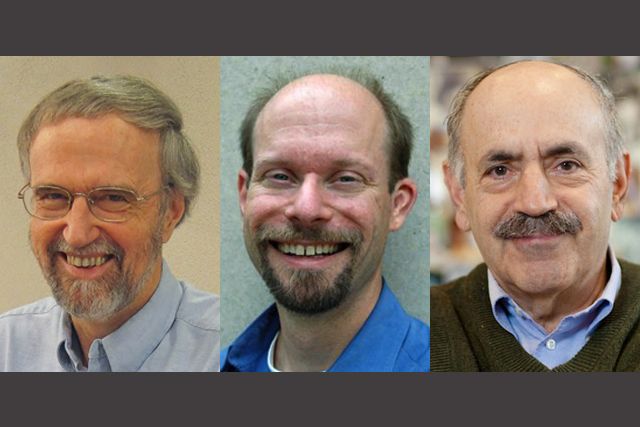
Graham Walker, the American Cancer Society Professor in the Department of Biology at MIT, a member of the Center for Environmental Health Sciences, and affiliate member of the Koch Institute for Integrative Cancer Research, is one of two biology faculty to earn the R35 Outstanding Investigator Award from the NIEHS.

This award is supported by the NIEHS through the Revolutionizing Innovative, Visionary Environmental health Research (RIVER) program. The program recognizes outstanding investigators in the field of environmental health, potentially offering up to $750,000 per year over the next eight years.

The awardees include both mid-career and senior researchers, whose work spans many aspects environmental health science — including technology development, mechanistic, clinical, and epidemiological research. A total of eight investigators received the NIEHS RIVER R35 this year.

“The RIVER program is designed to fund people, not projects,” said David Balshaw, chief of the NIEHS Exposure, Response, and Technology Branch who leads the NIEHS team overseeing this initiative. “It gives outstanding environmental health scientists stable funding, time, and, importantly, flexibility to pursue creative scientific ideas, rather than constantly writing grants to support their research programs.”

Walker will use his award to continue investigating the fundamental mechanisms of mutagenesis and DNA repair, with a special emphasis on the Rev1/3/7-dependent pathway of mutagenic translation synthesis found in eukaryotes, including humans. He and his colleagues recently published evidence suggesting that inhibiting this pathway could potentially improve chemotherapy.

Michael Yaffe, the David H. Koch Professor of Science at MIT, a member of the Koch Institute and the Center for Environmental Health Sciences, and attending surgeon at the Beth Israel Deaconess Medical Center, also received a NIEHS RIVER R35 award.

Yaffe’s work concerns how cells respond to injury, including damage to DNA and RNA molecules arising because of the environment and in response to drugs used to treat cancer. He is also interested in the relationship between inflammation, blood clotting, and cancer. He employs multidisciplinary approaches harnessing techniques from biochemistry, structural and cell biology, computer science, and systems biology/engineering.

Yaffe will use his funds to further a project investigating the roles of protein kinases in coordinating cellular responses to damage to both DNA and RNA molecules.

Robert Weinberg, founding member of the Whitehead Institute, professor of biology at MIT, an affiliate member of the Koch Institute, and director of the MIT Ludwig Center for Molecular Oncology, has received his R35 Outstanding Investigator Award from the NCI.

The award provides up to $600,000 per year over seven years to accomplished cancer researchers, nominated by their institutions, who have served as principal investigators on an NCI grant for the last five years. A total of 18 investigators received the NCI Outstanding Investigator Award this year.

“The NCI Outstanding Investigator Award addresses a problem that many cancer researchers experience: finding a balance between focusing on their science while ensuring that they will have funds to continue their research in the future,” said Dinah Singer, director of NCI’s Division of Cancer Biology. “With seven years of uninterrupted funding, NCI is providing investigators the opportunity to fully develop exceptional and ambitious cancer research programs.”

Weinberg is a pioneer in cancer research, best known for his role in discovering the first human oncogene — a gene that, when activated, can spur tumor growth. His lab is also credited with isolating the first known tumor suppressor gene.

He will use his funds to delve into the mechanisms of metastasis — the process that allows cancer cells to spread. He aims to learn more about how these cells disseminate from primary tumors, as well as how they become established in distant tissues after they metastasize.