A tale of two projects

Graduate student Julie Monda has spent five years investigating two divergent aspects of cell division, revealing some unexpected results and new research questions.

Raleigh McElvery
July 23, 2018

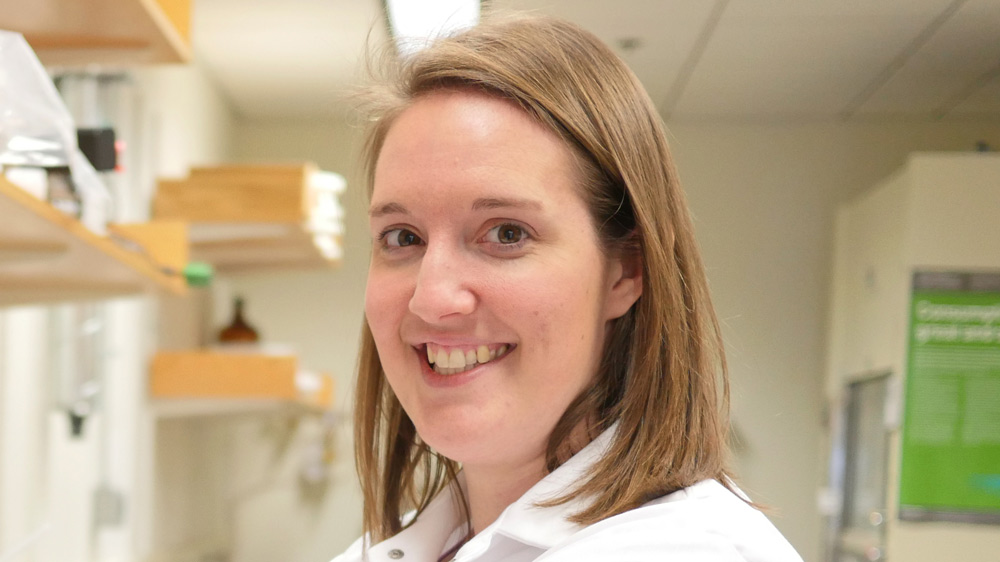
To sixth year graduate student Julie Monda, dividing cells are among the most beautiful things she’s ever seen. Watching the tiny, delicate spheres split into identical versions of themselves also provides her with a visual readout for her experiments — will the process continue if she removes a certain piece of a certain protein? Will the genetic material still distribute equally between the two cells? Which molecules are crucial for cell division, and how are they regulated?

Our cells are constantly dividing in order to grow and repair themselves, although some (like skin cells) do so more often than others, say, in the brain. This process, known as mitosis, is the primary focus of Iain Cheeseman’s lab, situated in the Whitehead Institute for Biomedical Research. Most of the research in the Cheeseman lab involves the kinetochore, a group of proteins located on the chromosome where the arms join. During mitosis, long, fibrous structures, known as microtubules, attach to the kinetochore to pull apart the duplicated chromosomes as the parent cell splits in half, ensuring each daughter cell receives an exact copy of the parent’s genetic blueprint.

Before she arrived at MIT Biology in the fall of 2012, Monda worked as a research technician at St. Jude Children’s Research Hospital in Memphis, Tennessee in the lab of Brenda Schulman PhD ’96 . As she recalls, she always “preferred performing hands-on research techniques at the lab bench over being in a classroom.” So she surprised even herself when she chose MIT’s graduate program in biology precisely because it requires all first-year students to take a full course load their fall semester before beginning lab rotations.

“That structure seemed useful given that I studied biochemistry as an undergraduate at the University of Tulsa, and the degree requirements were weighted more towards chemistry than biology,” she says. “Plus, when you’re only taking classes, you spend more time interacting with your classmates. It creates a close-knit community that extends throughout your entire graduate career and beyond.”

Monda ultimately selected the Cheeseman lab because it married her interests in biochemistry and cell biology.

“The research in this lab focuses on various elements of kinetochore function and cell division, but everyone is generally working on their own distinct questions,” she explains. “I knew I would have an area that was mine to explore. It’s both exciting and challenging because no one else is thinking about your projects to the extent that you are.”

Monda’s story is a tale of two projects: one focused on the interface between the kinetochore and the array of microtubules known as the mitotic “spindle,” and another project that ended up taking both her and the lab in a slightly new direction.

The first, concerning kinetochore-microtubule interactions, represented a collaboration with former lab technician Ian Whitney. For this endeavor, Monda investigated a protein complex called Ska1, found at the outer kinetochore.

The Ska1 complex is located where the kinetochore and microtubule meet. Ska1’s role, Monda explains, is to allow the kinetochores to remain attached to the spindle during chromosome segregation, even as the microtubules that compose the spindle begin to disassemble (as they must do).

“We wanted to know how the kinetochore hangs onto this polymer that is essentially falling apart,” Monda explains. “Long story short, we ended up defining specific surfaces within the Ska1 complex that are important for holding on to the microtubule as it shrinks, and — as we were surprised to note — also as it grows”

Although Ska1 only requires a single point of contact to bind a microtubule, Monda and Whitney pinpointed multiple surfaces on Ska1 that are required to allow it to remain associated with the microtubules as they disassemble and reassemble themselves.

While her Ska1 project was very much in line with the types of questions that the Cheeseman lab traditionally pursues, Monda also worked on another endeavor that “began as a side project and slowly evolved into a more full-time effort.” This project involves a motor protein called dynein, which helps to align the chromosomes and position the spindle during mitosis.

Dynein piqued Monda’s interest because of its role in mitosis, as well as its importance throughout the entire cell cycle. Motor proteins are molecules powered by the release of chemical energy that move along surfaces, sometimes transporting cargo, sometimes performing other essential tasks. Dynein is a motor protein that walks in one direction along microtubules, even when the microtubules latch onto the kinetochore to yank apart the chromosomes during mitosis.

But dynein doesn’t act alone. There are a number of additional proteins that also play a key role in coordinating its activity and localization. Monda is studying two of these accessory regulatory proteins, Nde1 and NdeL1, which bind to dynein and help promote some of its functions. She wanted to understand how Nde1 and NdeL1 interact with dynein to activate it. Although Nde1 and NdeL1 are nearly identical in function, Monda discovered that Nde1 (but not NdeL1) binds to another complex: the 26S proteasome.

The proteasome degrades proteins within the cell, influencing virtually all aspects of cellular function, including DNA synthesis and repair, transcription, translation, and cell signaling. Given its ubiquity, it has remained a point of interest among the scientific community for years. And yet, before Monda’s research, the interaction between Nde1 and the proteasome had apparently gone unnoticed. Researchers have long studied Nde1 in relation to dynein, but it’s possible that the interaction between Nde1 and the proteasome represents a new function for Nde1 unrelated to dynein regulation. In fact, Monda’s finding may have implications for understanding the development of the human brain.

“It’s clear that patients with mutations in Nde1 have much more severe neurodevelopmental defects than scientists would have predicted,” Monda says, “so it’s possible that this new interaction between Nde1 and the proteasome could help to explain why Nde1 is so important in the brain.”

Her most recent results have been published in Molecular Biology of the Cell.

“I’ve found some exciting results over the past few years,” Monda says, “and even though a lot of my research has gone in a direction that’s not strictly mitosis-related, Iain has been great about allowing me to follow the science wherever it leads. We want to know what these proteins are actually doing, both in terms of this new interaction and also more broadly within the cell.”

Monda intends to submit and defend her thesis this summer, and assume a postdoctoral position at the University California, San Diego in the fall. Although she’s been watching cells divide for years now, the process still retains its grandeur.

“Often times biologists investigate questions at scales where we can’t really see what we’re studying as we study it,” she says. “But having this visual readout makes it more tangible; I feel like I can better appreciate what exactly it is that I’m trying to understand, as well as the beauty and complexity of the processes that sustain life.”

Decoding RNA-protein interactions

Scientists leverage one step, unbiased method to characterize the binding preferences of more than 70 human RNA-binding proteins.

Raleigh McElvery
June 7, 2018

Thanks to continued advances in genetic sequencing, scientists have identified virtually every A, T, C, and G nucleotide in our genetic code. But to fully understand how the human genome encodes us, we need to go one step further, mapping the function of each base. That is the goal of the Encyclopedia of DNA Elements (ENCODE) project, funded by the National Human Genome Research Institute and launched on the heels of the Human Genome Project in 2003. Although much has already been accomplished — mapping protein-DNA interactions and the inheritance of different epigenetic states — understanding the function of a DNA sequence also requires deciphering the purpose of the RNAs encoded by it, as well as which proteins bind to those RNAs.

Such RNA-binding proteins (RBPs) regulate gene expression by controlling various post-transcriptional processes — directing where the RNAs go in the cell, how stable they are, and which proteins will be synthesized. Yet these vital RNA-protein relationships remain difficult to catalog, since most of the necessary experiments are arduous to complete and difficult to interpret accurately.

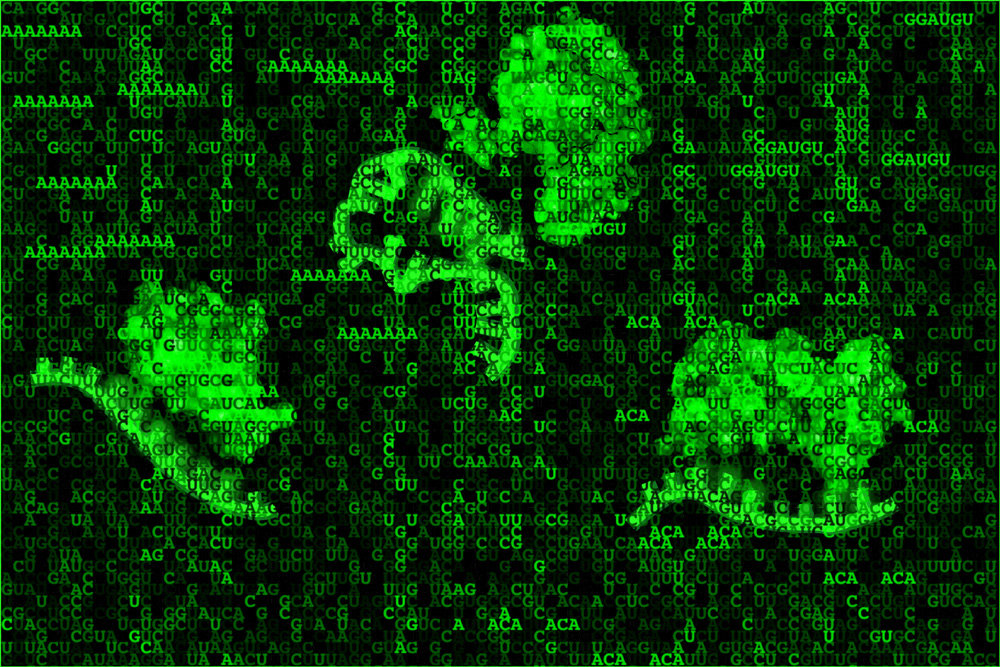
In a new study, a team of MIT biologists and their collaborators describes the binding specificity of 78 human RBPs, using a one-step, unbiased method that efficiently and precisely determines the spectrum of RNA sequences and structures these proteins prefer. Their findings suggest that RBPs don’t just recognize specific RNA segments, but are often influenced by contextual features as well — like the folded structures of the RNA in question, or the nucleotides flanking the RNA-binding sequence.

“RNA is never naked in the cell because there are always proteins binding, guiding, and modifying it,” says Christopher Burge, director of the Computational and Systems Biology PhD Program, professor of biology and biological engineering, extramural member of the Koch Institute for Integrative Cancer Research, associate member of the Broad Institute of MIT and Harvard, and senior author of the study. “If you really want to understand post-transcriptional gene regulation, then you need to characterize those interactions. Here, we take advantage of deep sequencing to give a more nuanced picture of exactly what RNAs the proteins bind and where.”

MIT postdoc Daniel Dominguez, former graduate student Peter Freese, and current graduate student Maria Alexis are the lead authors of the study, which is part of the ENCODE project and appears in Molecular Cell on June 7.

A method for the madness

From the moment an RNA is born, it is coated by RBPs that control nearly every aspect of its lifecycle. RBPs generally contain a binding domain, a three-dimensional folded structure that can attach to a specific nucleotide sequence on the RNA called a motif. Because there are over 1,500 different RBPs found in the human genome, the biologists needed a way to systematically determine which of those proteins bound to which RNA motifs.

After considering a number of different approaches to analyze RNA-protein interactions both directly in the cell (in vivo) and isolated in a test tube (in vitro), the biologists settled on an in vitro method known as RNA Bind-n-Seq (RBNS), developed four years ago by former Burge lab postdoc and co-author Nicole Lambert.

Although Lambert had previously tested only a small subset of proteins, RBNS surpassed other approaches because it was a quantitative method that revealed both low and high affinity RNA-protein interactions, required only a single procedural step, and screened nearly every possible RNA motif. This new study improved the assay’s throughput, systematically exploring the binding specificities of more than 70 human RBPs at a high resolution.

“Even with that initial small sample, it was clear RBNS was the way to go, and over the last three-and-a-half years we’ve been gradually building on this approach,” Dominguez says. “Since a single RBP can select from billions of unique RNA molecules, our approach gives you a lot more power to detect the all those possible targets, taking into account RNA secondary structure and contextual features. It’s an extremely deep and detailed assay.”

First, the researchers purified the human RBPs, mixing them with randomly-generated synthetic RNAs roughly 20 nucleotides long, which represented virtually all the RNAs an RBP could bind to. Next, they extracted the RBPs along with their bound RNAs and sequenced them. With the help of their collaborators from the University of California at San Diego and University of Connecticut Health, the team conducted additional assays to glean what these RNA-protein interactions might look like in an actual cell, and infer the cellular function of the RBPs.

The researchers expected most RBPs to bind to a unique RNA motif, but to their surprise they found the opposite: Many of the proteins, regardless of structural class, seemed to prefer similar short, unfolded nucleotide sequence motifs.

“Human cells express hundreds of thousands of distinct transcripts, so you might think that each RBP would bind a slightly different RNA sequence in order to distinguish between targets,” Alexis says. “In fact, one might assume that having distinct RBP motifs would ensure maximum flexibility. But, as it turns out, nature has built in substantial redundancy; multiple proteins seem to bind the same short, linear sequences.”

Redundant motifs with distinct targets and functions

This overlap in RBP binding preference suggested to the scientists that there must be some other indicator besides the sequence of the motif that signaled RBPs which RNA to target. Those signals, it turned out, stemmed from the spacing of the motifs as well as which nucleotide bases flank its binding sites. For the less common RBPs that targeted non-linear RNA sequences, the precise way the RNA folded also seemed to influence binding specificity.

The obvious question, then, is: Why might RBPs have evolved to rely on contextual features instead of just giving them distinct motifs?

Accessibility seems like one of the more plausible arguments. The researchers reasoned that linear RNA segments are physically easier to reach because they are not obstructed by other RNA strands, and they found that more accessible motifs are more likely to be bound. Another possibility is that having many proteins target the same motif creates some inter-protein competition. If one protein increases RNA stability and another decreases it, whichever binds the strongest will prevent the other from binding at all, enabling more pronounced changes in gene activity between cells or cell states. In other scenarios, proteins with similar functions that target the same motif could provide redundancy to ensure that regulation occurs in the cell.

“It’s definitely a difficult question, and one that we may never truly be able to answer,” Dominguez says. “As RBPs duplicated over evolutionary time, perhaps altering recognition of the contextual features around the RNA motif was easier than changing the entire RNA motif. And that would give new opportunities for RBPs to select different cellular targets.”

This study marks one of the first in vitro contributions to the ENCODE Project. While in vivo assays reveal information specific to the particular cell line or tissue in which they were conducted, RBNS will help define the basic rules of RNA-protein interactions — so fundamental they are likely to apply across many cell types and tissues.

The research was funded by the National Institutes of Health ENCODE Project, an NIH/NIGMS grant, the National Defense Science and Engineering Graduate Fellowship, Kirschstein National Research Service Award, Burroughs Wellcome Postdoctoral Fund, and an NIH Individual Postdoctoral Fellowship.

Network of diverse noncoding RNAs acts in the brain

Scientists identify the first known network consisting of three types of regulatory RNAs.

Nicole Giese Rura | Whitehead Institute
June 7, 2018

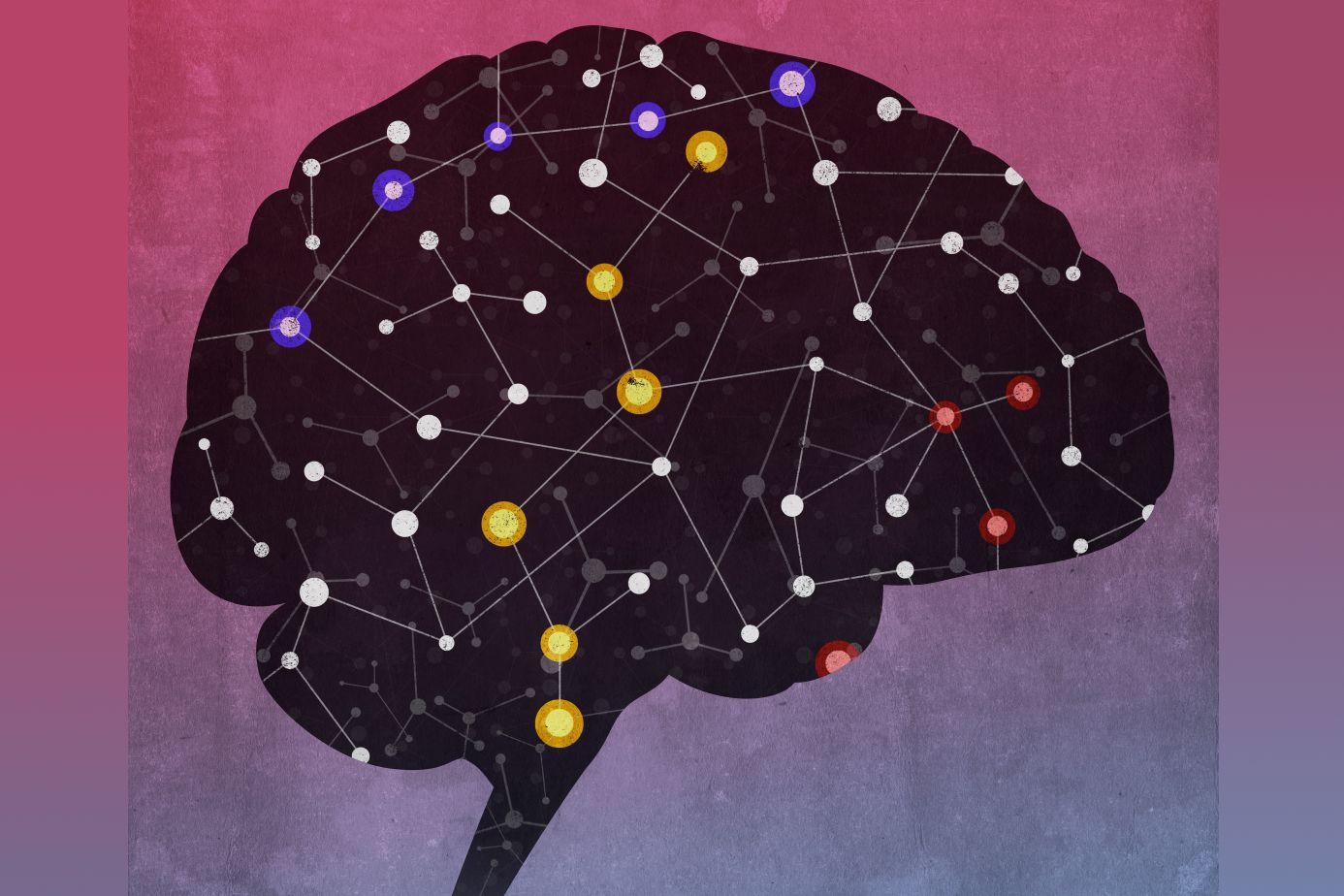
Scientists at MIT’s Whitehead Institute have identified a highly conserved network of noncoding RNAs acting in the mammalian brain. While gene regulatory networks are well described, this is the first documented regulatory network comprised of three types of noncoding RNA: microRNA, long noncoding RNA, and circular RNA. The finding, which is described online this week in the journal Cell, expands our understanding of how several noncoding RNAs can interact to regulate each other.

This sophisticated network, which is conserved in placental mammals, intrigued Whitehead Member David Bartel, whose lab identified it.

“It has been quite an adventure to unravel the different elements of this network,” says Bartel, who is also a professor of biology at MIT and investigator with the Howard Hughes Medical Institute. “When we removed the long noncoding RNA, we saw huge increases in the microRNA, which, with the help of a second microRNA turned out to reduce the levels of the circular RNA.”

RNA may be best known for acting as a template during protein production, but most RNA molecules in the cell do not actually code for proteins. Many play fundamental roles in the splicing and translation of protein-coding RNAs, whereas others play regulatory roles. MicroRNAs, as the name would suggest, are small, about 22 nucleotides (nucleotides are the building blocks of RNA); long noncoding RNAs (lncRNAs) are longer than 200 nucleotides; and circular RNAs (circRNAs) are looped RNAs formed by atypical splicing of either lncRNAs or protein-coding RNAs. These three types of noncoding RNAs have been shown previously to be vital for controlling protein-coding gene expression, and in some instances their dysregulation is linked to cancer or other diseases.

Previous work by Bartel and Whitehead member and MIT Professor Hazel Sive identified hundreds of lncRNAs conserved in vertebrate animals, including Cyrano, which contains an unusual binding site for the microRNA miR-7.

In the current research, Ben Kleaveland, a postdoc in Bartel’s lab and first author of the Cell paper, delves into Cyrano’s function in mice. His results are surprising: a regulatory network centered on four noncoding RNAs — a lncRNA, a circRNA, and two microRNAs — acting in mammalian neurons. The network employs multiple interactions between these noncoding RNAs to ultimately ensure that the levels of one microRNA, miR-7, are kept extremely low and the levels of one circRNA, Cdr1as, are kept high.

Several aspects of this highly tuned network are unique. The lncRNA Cyrano targets miR-7 for degradation. Cyrano is exceptionally efficient, and in some cells, reduces miR-7 by an astounding 98 percent — a stronger effect than scientists have ever documented for this phenomenon, called target RNA-directed microRNA degradation. In the described network, unchecked miR-7 indirectly leads to degradation of the circRNA Cdr1as. CircRNAs such as this one are usually highly stable because the RNA degradation machinery needs to latch onto the end of an RNA molecule before the machinery can operate. In the case of Cdr1as, the circRNA contains a prodigious number of sites that can interact with miR-7: 130 in mice and 73 in humans. As these sites are bound by miR-7, another microRNA, miR-671, springs into action and directs slicing of the Cdr1as. This renders Cdr1as vulnerable to degradation.

The network’s precise function still eludes researchers, but evidence suggests that it may be important in brain function. All four components of the network are enriched in the brain, particularly in neurons, and recently, Cdr1as has been reported to influence neuronal activity in mice.

“We’re in the early stages of understanding this network, and there’s so much left to discover,” Kleaveland says. “Our current hypothesis is that Cdr1as is not only regulated by miR-7 but also facilitates miR-7 function by delivering this microRNA to neuronal synapses.”

This work was supported by the National Institutes of Health and the Howard Hughes Medical Institute.

Structure of key growth regulator revealed

Researchers identify the molecular structure of the GATOR1 protein complex, which regulates growth signals in human cells, using cryo-electron microscopy.

Nicole Davis | Whitehead Institute
March 28, 2018

A team of researchers from Whitehead Institute and the Howard Hughes Medical Institute has revealed the structure of a key protein complex in humans that transmits signals about nutrient levels, enabling cells to align their growth with the supply of materials needed to support that growth. This complex, called GATOR1, acts as a kind of on-off switch for the “grow” (or “don’t grow”) signals that flow through a critical cellular growth pathway known as mTORC1.

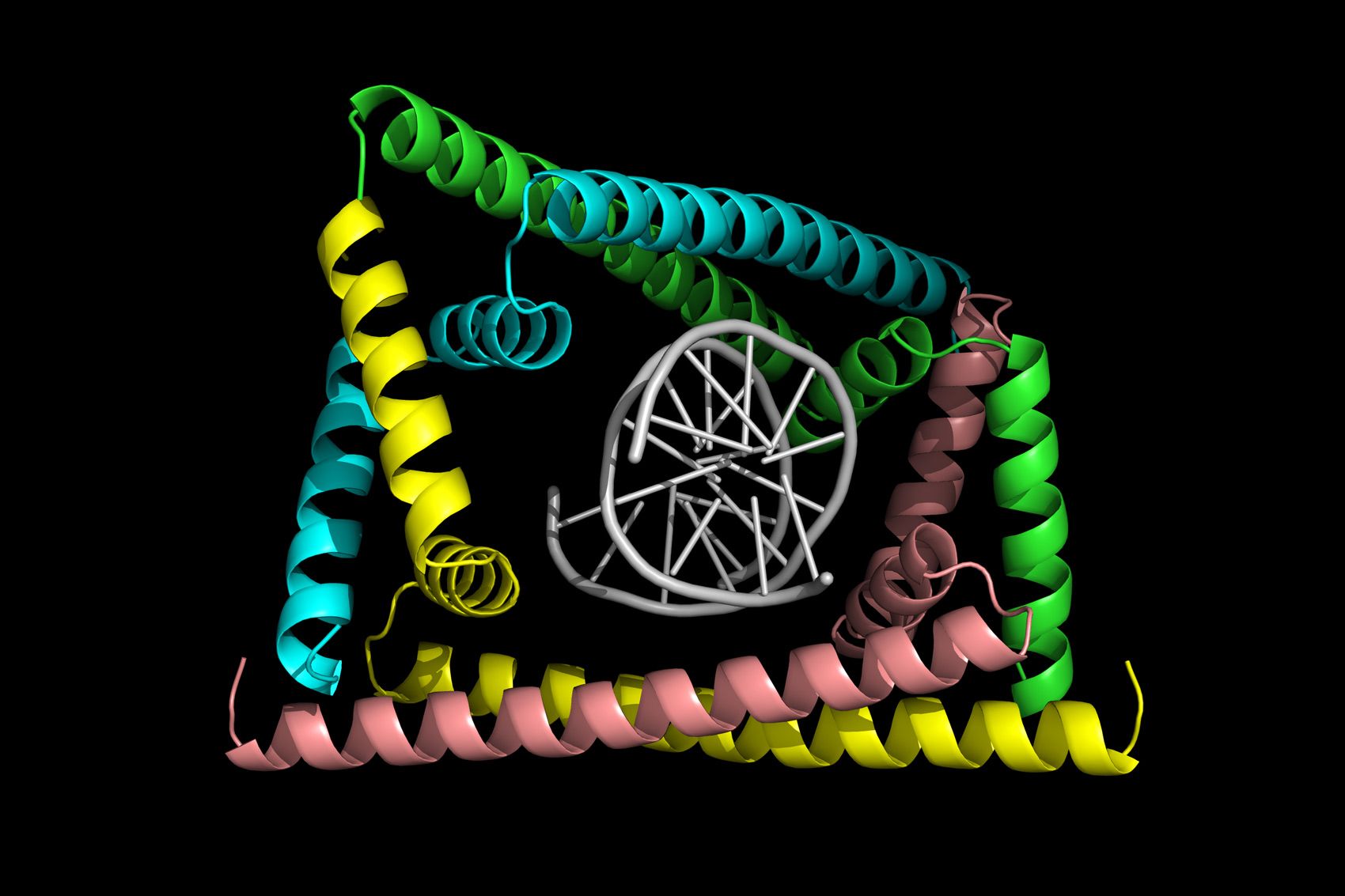
Despite its importance, GATOR1 bears little similarity to known proteins, leaving major gaps in scientists’ understanding of its molecular structure and function. Now, as described online on March 28 in the journal Nature, Whitehead scientists and their colleagues have generated the first detailed molecular picture of GATOR1, revealing a highly ordered group of proteins and an extremely unusual interaction with its partner, the Rag GTPase.

“If you know something about a protein’s three-dimensional structure, then you can make some informed guesses about how it might work. But GATOR1 has basically been a black box,” says senior author David Sabatini, a member of Whitehead Institute, a professor of biology at MIT, and investigator with the Howard Hughes Medical Institute (HHMI). “Now, for the first time, we have generated high-resolution images of GATOR1 and can begin to dissect how this critical protein complex works.”

GATOR1 was first identified about five years ago. It consists of three protein subunits (Depdc5, Nprl2, and Nprl3), and mutations in these subunits have been associated with human diseases, including cancers and neurological conditions such as epilepsy. However, because of the lack of similarity to other proteins, the majority of the GATOR1 complex is a molecular mystery. “GATOR1 has no well-defined protein domains,” explains Whitehead researcher Kuang Shen, one of the study’s first authors. “So, this complex is really quite special and also very challenging to study.”

Because of the complex’s large size and relative flexibility, GATOR1 cannot be readily crystallized — a necessary step for resolving protein structure through standard, X-ray crystallographic methods. As a result, Shen and Sabatini turned to HHMI’s Zhiheng Yu. Yu and his team specialize in cryo-electron microscopy (cryo-EM), an emerging technique that holds promise for visualizing the molecular structures of large proteins and protein complexes. Importantly, it does not utilize protein crystals. Instead, proteins are rapidly frozen in a thin layer of vitrified ice and then imaged by a beam of fast electrons inside an electron microscope column.

“There have been some major advances in cryo-EM technology over the last decade, and now, it is possible to achieve atomic or near atomic resolution for a variety of proteins,” explains Yu, a senior author of the paper and director of HHMI’s shared, state-of-the-art cryo-EM facility at Janelia Research Campus. Last year’s Nobel Prize in chemistry was awarded to three scientists for their pioneering efforts to develop cryo-EM.

GATOR1 proved to be a tricky subject, even for cryo-EM, and required some trial-and-error on the part of Yu, Shen, and their colleagues to prepare samples that could yield robust structural information. Moreover, the team’s work was made even more difficult by the complex’s unique form. With no inklings of GATOR1’s potential structure, Shen and his colleagues, including co-author Edward Brignole of MIT, had to derive it completely from scratch.

Nevertheless, the Whitehead-HHMI team was able to resolve near-complete structures for GATOR1 as well as for GATOR1 bound to its partner proteins, the Rag GTPases. (Two regions of the subunit Depdc5 are highly flexible and therefore could not be resolved.) From this wealth of new information as well as from the team’s subsequent biochemical analyses, some surprising findings emerged.

First is the remarkable level of organization of GATOR1. The protein is extremely well organized, which is quite unusual for proteins that have no predicted structures. (Such proteins are usually quite disorganized.) In addition, the researchers identified four protein domains that have never before been visualized. These novel motifs — named NTD, SABA, SHEN, and CTD — could provide crucial insights into the inner workings of the GATOR1 complex.

Shen, Sabatini, and their colleagues uncovered another surprise. Unlike other proteins that bind to Rag GTPases, GATOR1 contacts these proteins at at least two distinct sites. Moreover, one of the binding sites serves to inhibit — rather than stimulate — the activity of the Rag GTPase. “This kind of dual binding has never been observed — it is highly unusual,” Shen says. The researchers hypothesize that this feature is one reason why GATOR1 is so large — because it must hold its Rag GTPase at multiple sites, rather than one, as most other proteins of this type do.

Despite these surprises, the researchers acknowledge that their analyses have only begun to scratch the surface of GATOR1 and the mechanisms through which it regulates the mTOR signaling pathway.

“There is much left to discover in this protein,” Sabatini says.

This work was supported by the National Institutes of Health, Department of Defense, National Science Foundation, the Life Sciences Research Foundation, and the Howard Hughes Medical Institute.

Scientists deliver high-resolution glimpse of enzyme structure

New finding suggests differences in how humans and bacteria control production of DNA’s building blocks.

Anne Trafton | MIT News Office
February 20, 2018

Using a state-of-the-art type of electron microscopy, an MIT-led team has discovered the structure of an enzyme that is crucial for maintaining an adequate supply of DNA building blocks in human cells.

Their new structure also reveals the likely mechanism for how cells regulate the enzyme, known as ribonucleotide reductase (RNR). Significantly, the mechanism appears to differ from that of the bacterial version of the enzyme, suggesting that it could be possible to design antibiotics that selectively block the bacterial enzyme.

“People have been trying to figure out whether there is something different enough that you could inhibit bacterial enzymes and not the human version,” says Catherine Drennan, an MIT professor of chemistry and biology and a Howard Hughes Medical Institute Investigator. “By considering these key enzymes and figuring out what are the differences and similarities, we can see if there’s anything in the bacterial enzyme that could be targeted with small-molecule drugs.”

Drennan is one of the senior authors of the study, which appears in the Feb. 20 issue of the journal eLife. JoAnne Stubbe, the Novartis Professor of Chemistry Emerita at MIT, and Francisco Asturias, an associate professor of biochemistry at the University of Colorado School of Medicine, are also senior authors. The paper’s lead authors are MIT research scientist Edward Brignole and former Scripps Research Institute postdoc Kuang-Lei Tsai, who is now an assistant professor at the University of Texas Houston Medical Center.

An unusual enzyme

The RNR enzyme, which is found in all living cells, converts ribonucleotides (the building blocks of RNA) to deoxyribonucleotides (the building blocks of DNA). Cells must keep a sufficient stockpile of these building blocks, but when they accumulate too many, RNR is shut off by a deoxynucleotide molecule known as dATP. When more deoxynucleotides are needed, a related molecule called ATP binds to RNR and turns it back on.

An unusual feature of RNR is that it can catalyze the production of four different products: the nucleotide bases often abbreviated as A, G, C, and T. In 2016, Drennan discovered that the enzyme achieves this by changing its shape in response to regulatory molecules.

Most of the researchers’ previous work on RNR structure has focused on the version found in E. coli. For those studies, they used X-ray crystallography, a technique that can reveal the atomic and molecular structure of a protein after it has been crystallized.

In the new study, Drennan and her colleagues set out to examine the human version of RNR. This protein’s structure, which turned out to be very different from the bacterial version, proved elusive using X-ray crystallography, which doesn’t work well for proteins that don’t readily crystallize. Instead, the researchers turned to an advanced form of microscopy known as cryo-electron microscopy (cryo-EM).

Until recently, cryo-EM typically offered resolution of about 10 to 20 angstroms, which might reveal the overall shape of a protein but no detail about the position and shape of smaller structural units within it. However, in the past few years, technological advances have led to an explosion in the number of structures achieving resolutions of about 3 angstroms. That is high enough to trace individual protein chains within the larger molecule, as well as internal structures such as helices and even side chains of amino acids.

Scientists already knew that RNR consists of two protein subunits known as alpha and beta. Using cryo-EM, the MIT team found that the human version of the enzyme forms a ring made from six of the alpha subunits. When ATP, which activates RNR, is bound to the enzyme, the ring is unstable and can be easily opened up, allowing the beta subunit to make its way into the ring. This joining of alpha and beta allows the enzyme’s active site, located in the beta subunit, to perform the chemical reactions necessary to produce deoxynucleotides.

However, when the inhibitor dATP is present, the ring becomes much more rigid and does not allow the beta subunit to enter. This prevents the enzyme from catalyzing the production of deoxynucleotides.

Designing drugs

Several cancer drugs now in use or in development target the human version of RNR, interfering with cancer cells’ ability to reproduce by limiting their supply of DNA building blocks. The MIT team has found evidence that at least one of these drugs, clofarabine diphosphate, works by inducing the formation of rigid 6-unit alpha rings.

This 6-unit ring is not found in the bacterial form of RNR, which instead assembles into a distinct ring containing four alpha subunits and four beta subunits. This means it could be possible to design antibiotics that target the bacterial version but not the human version, Drennan says.

She now plans to investigate the structures of other protein molecules that are difficult to study with X-ray crystallography, including proteins with iron sulfur clusters, which are found in many metabolic pathways. The microscopy work in this study was performed at the Scripps Research Institute, but when MIT’s new MIT.nano building opens, it will house two cryo-EM microscopes that will be available to the MIT community as well as other potential users in industry and academia.

“The technological advances that have allowed cryo-EM to get to such high resolution are really exciting,” Drennan says. “It’s really starting to revolutionize the study of biology.”

The research was funded by the National Institutes of Health.

December 14, 2017

Lab coat meets legislation

Person with red hair in bun stands outside with umbrella.

Undergraduate Courtney Diamond combines biology and policy to tackle real-world challenges

Raleigh McElvery


Undergraduate Courtney Diamond arrived at MIT determined to be an oncologist. Five years later, she’s leaving with a broader focus on human health, grappling with real-world, biomedical problems by way of public policy rather than medicine or research.

Although Diamond had completed her requirements for a degree in biology at the beginning of her senior year, she decided then to add a second major: Course 17 (Political Science), and with it a fifth year of study at MIT.

“I came into MIT wanting to be a doctor, but the more I thought about it the less it felt like medical school would be a good fit,” she says. “I spent a long time narrowing my interests within the realm of human health, and recently realized there was another dimension to that interest related to public policy, which was also this common thread among my extracurriculars.”

Diamond grew up in a small town in Massachusetts called Millbury, not too far from MIT, which she describes as special to her but “rather unremarkable” in most other ways — with the exception of one particularly zealous and articulate high school biology teacher. His infectious enthusiasm sparked Diamond’s passion for the life sciences, but over the course of her senior year this interest became far more personal. It was around that time that her mother developed breast cancer, and Diamond resolved to be an oncologist.

“My mom had been diagnosed once before with a different kind of cancer, cervical cancer,” she says. “But I was in sixth grade back then, and assumed she was just at home resting. By the time the breast cancer rolled around, I was old enough to understand that most people are lucky to survive cancer once. But twice?”

Her mother has since entered remission, and the year Diamond began at MIT her interests matured away from a career in medicine and towards biomedical research. In April 2014, she applied to the MIT Undergraduate Research Opportunities Program (UROP). “I wanted to figure out which part of biology excited me — which area I really wanted to drill down on,” she recalls.

She began working with a postdoctoral fellow in Professor Darrell Irvine’s lab at the Koch Institute for Integrative Cancer Research, tackling research questions related to cancer immunology. Diamond’s job was to analyze murine tumors as they developed over time, in order to understand how they were affected by changes to their cellular environments.

After a year, Diamond took a break from research in order to focus on her classes. But she didn’t stay away for long.

“I’ve had a life-long obsession with Australia,” she says, “and in the fall of my sophomore year, I told my advisor, Professor Bob Horvitz, that my dream was to study biochemistry in Melbourne.” One email and two hours later, she received an offer from the Walter and Eliza Hall Institute for Medical Research to spend a summer abroad in Jeff Babon’s lab. “It turns out the director of the Institute did his postdoc at MIT, and liked the UROP system so much he decided to bring it back to Australia,” she explains.

There, Diamond helped to unravel the structure of a protein complex known as JAK-STAT. This complex is involved in many diverse processes — from cell proliferation and programmed cell death to immunity — making it critical to understand how the different molecular components of the complex fit together to influence function.

When she returned to MIT, Diamond decided to maintain her focus on structural biology. She completed her thesis in Professor Thomas Schwartz’s lab, studying the Y complex, a component of the nuclear pore — a channel that allows mRNA and other molecules to pass into the cell’s nucleus. Diamond helped creat a library of fluorescing antibodies that could adhere to the Y complex, allowing her to visualize its position within the nuclear pore. After a year, she opted to broaden her interests by taking classes outside her major.

One of those classes, recommended by a friend, was in political science: 17.309 (Science, Technology, and Public Policy), taught by Professor Kenneth Oye. During one of his lectures, Oye made a quip about a small Massachusetts town called Millbury.

“I came up to him after class to ask him, ‘Did you know I’m actually from there?’ and he thought it was the funniest thing,” she says. “That initial, informal interaction led to more meaningful conversations, and I ended up working with him on a few projects.”

Today, she is pursuing a final UROP with Oye, looking at technologies and policies related to synthetic biology. At Oye’s weekly working group of graduate students and postdocs, she debates the possible repercussions of using gene editing techniques like CRISPR-Cas9 to control the transmission of certain traits throughout a given population. For example, what would happen if mosquitos in the regions where malaria is most prevalent carried a gene encoding malaria resistance — would that eradicate the illness? But might there be unintended, negative consequences?

As part of a separate project, Diamond is researching U.S. consent and privacy policies in the realm of health information technology. She’s also hard at work on her political science thesis, focusing on ways to incentivize companies and researchers to develop new and more effective antibiotics to combat antimicrobial resistance.

Diamond is now applying for public health consulting jobs, and she plans to pursue graduate training in epidemiology, followed by a master’s in public health. Long-term, she sees herself at the Centers for Disease Control and Prevention or the World Health Organization.

“I mean, that’s the current plan,” she says. “Check back in with me in two years.”

Photo credit: Raleigh McElvery
From DNA forensics to cancer metabolism

Carolyn Lanzkron discovered bench science while attending community college with her son, and followed her newfound passion to MIT

Raleigh McElvery
December 3, 2017

From DNA forensics to cancer metabolism

Person in black hat and purple shirt sitting in front of lab building.

Carolyn Lanzkron discovered bench science while attending community college with her son, and followed her newfound passion to MIT

Raleigh McElvery


Carolyn Lanzkron spent 20 years as a stay-at-home mother raising five children before starting at MIT. Life has taught her patience, which she, in turn, has tried to pass on to her kids: “A successful person falls down many times and gets up — just pick a direction and move forward.”

Those were the same words she told her teenage son back in 2011 when she encouraged him to attend community college.

“I figured I would just take a few courses with him,” she says. “He enjoyed his chemistry classes, so I was looking at the chemistry offerings, and on the wall there was a poster for Dr. Bruce Jackson’s unique Forensic DNA Science program.” Lanzkron was intrigued, and decided to enroll.

The students aided Jackson with real cases, and were given dedicated lab space and materials to follow their curiosities, as well as design their own inquiries. The program was based on a peer-mentoring model, and Lanzkron was appointed chief of peer mentors and forensic case manager. Under Jackson’s tutelage, she worked on lineage cases tracing ancestry and criminal cases for defense and prosecution.

“I was hoping my son would join me in a chemistry class, but he wasn’t so interested in having his mom as a lab partner — go figure,” she says. “But we carpooled to school together for a year, and by that time I’d developed a love for bench science.”

After two years, Lanzkron had completed her degree, but it wasn’t enough. So she applied to several institutions within her carpool radius, including MIT. Like all transfers here, she began as a sophomore.

“I love bench science because I really appreciate the combination of being part of a team and solving a big, important question, but at the same time having tasks in my day that allow me to focus on small details — like keeping track of the labels on my tubes,” she says. “That balance works really well for me; it satisfies my need for a quest while still having control over a small environment.”

She’s turned her attention from DNA forensics to cancer metabolism, an interest which has become far more personal over the past year. Last spring, Lanzkron’s mother was diagnosed with lung cancer, and Lanzkron took a leave of absence to care for her.

“Right now, my mother is doing really well, and we are enjoying a window of stability,” Lanzkron says, “which has allowed me to come back to MIT and finish my degree.”

Although Lanzkron is not currently in a lab, lest that period of stability suddenly end, she’s worked in several over the course of her three years at MIT. She began in Jean Francois Hamel’s chemical engineering lab, adapting an adherent cell line to grow in a suspension-like culture in various bioreactors using microcarriers.

Later, Lanzkron joined David Sabatini’s lab in the Whitehead Institute for Biomedical Research, aiding two separate projects: one spearheaded by then-postdoc Yoav Shaul, and the other led by MD-PhD student Walter Chen.

Chen was hard at work developing a new method for profiling undamaged mitochondria, while Shaul had discovered a unique set of 44 metabolic genes that were upregulated in certain cancers that expressed mesenchymal markers (which he called the “Mesenchymal Metabolic Signature,” or “MMS”), indicating that those cells were acquiring cancerous characteristics. Lanzkron collaborated with Shaul as he worked to further characterize the metabolic requirements and behavior of the MMS. She also helped him refine his web-based gene analysis tool, Metabolic gEne RApid Visualizer (MERAV), which queries a database comprising ∼4,400 microarrays, representing human gene expression in normal tissues, cancer cell lines, and primary tumors.

The summer after Shaul completed his postdoctoral training, Lanzkron interned in his lab in at the Hebrew University of Jerusalem at Hadassah Ein Kerem through the MISTI/Israel program, to continue working with him on these projects.

“When I went to Israel, my husband stayed in Boston and took care of the kids,” she recalls. “Without family responsibilities, I could work in lab around the clock, and that was great. I was actually able to finish things up, prepare them for the next day, and cover for other people and really focus; I look forward to being able to do that again as the kids get older.”

Lanzkron admits these aren’t the only aspects of the MIT undergraduate experience she’s missed — not just because she lives off campus and can’t meet at odd hours of the night to collaborate on problem sets — but also because she’s a generation and a half older than her classmates.

But in some ways she considers this an advantage. For instance, she now has the tools to guide her own children through today’s college process.

“I no longer have this outdated view of what it’s like to apply to schools and navigate the SAT,” she says. “Granted, MIT is not your average school. It’s been quite the ride to be at the community college where I had to bring my own masking tape to complete the gel trays because we didn’t have any sealing rings — I didn’t even know there was such a thing as a seal back then. And to go from that to the MIT Department of Biology and the Whitehead Institute where the resources are phenomenal, it’s just mind blowing. I have learned so much from both situations — having to make do, and having an abundance of resources.”

While Lanzkron intends to graduate this spring, her future plans depend on her mother’s health.

“I picked my classes this semester so that I could take her to her cancer treatment,” Lanzkron says, “so, though I’m ultimately planning to go to graduate school, right now things are still in flux.”

While maintaining this school-family balance would be inconceivable for most, Lanzkron takes her personal and academic responsibilities in stride.

“Honestly I’m so happy here at MIT,” she says. “I tell my kids, ‘Don’t get too worked up about the college process. You’ll get where you need to go — the starting point almost doesn’t matter; what matters is what you do when you get there.’”

Photo credit: Raleigh McElvery
Sizing up cancer

Graduate student Zhaoqi Li investigates how cancer cells grow by harnessing exceptional chemical reactions

Justin Chen
January 11, 2018

Cancer cells use extreme measures to fuel their growth. In fact, researchers like Zhaoqi Li, a third-year graduate student, witness chemical reactions in these cells that would be impossible in the context of normal cells. In a petri dish, normal cells stop dividing once they cover the bottom of the dish and fit neatly together like mosaic tiles. In contrast, cancer cells continue to proliferate and pile haphazardly into small mounds. Within the human body, this abnormal growth — when combined with the spread of cancer cells throughout the body — interferes with organ function and causes death.

Li, a member of Professor Matthew Vander Heiden’s lab located in the Koch Institute, studies cancer metabolism. His work describes the chemical reactions cancer cells use to create energy and materials to make new cells such as membranes, proteins, and DNA. By tracking the flow of nutrients through cancer cells, Li and his labmates are learning how such cells change their metabolism to stimulate growth. These insights will help scientists develop new ways to treat the disease.

Cell metabolism comprises all the chemical reactions occurring in the cell, but researchers are particularly interested in a few reactions that aren’t required by normal cells but are critical for cancer growth. Stopping these reactions with drugs would disrupt the metabolism of cancer cells and hinder tumor development.

“Even though many people may not think of metabolism as a treatment target for cancer, this strategy has been used unwittingly for a long time,” Li says. “Many chemotherapies, such as antifolates, were originally used by doctors without knowing exactly how they worked. Since then, we’ve discovered that those treatments target metabolic pathways. By understanding the details of cancer metabolism we are hoping to design drugs in a more rational way.”

– –

Li might never have joined the Vander Heiden lab or studied cancer metabolism were it not for the unique structure of graduate training at MIT.

During their first year at MIT, graduate students are required to take four classes. Unlike their counterparts at many other PhD programs, they do not work in laboratories until their second semester. This allows students to focus initially on coursework — covering biochemistry, genetics, and research methodology — designed to build a foundation of knowledge. As a result, students discover new interests and develop the confidence to move out of their comfort zones. When it comes time to select a lab, they can choose from 56 spread across six locations, spanning a wide breadth of biological research.

Li could study how the brain forms memories, interpret X-rays to deduce protein structure, or even build miniature organs for drug testing. Before making his decision, he rotated in three laboratories. During each month-long rotation, he performed a small project allowing him to experience the culture of the lab and learn more about its research.

“The first two labs I visited were studying topics I was familiar with and thought were interesting,” he says. “But when I visited the Vander Heiden lab it was so different and caught me off guard. That’s why I eventually joined, even though I had never imagined myself working in a metabolism lab before.”

Diagram showing a metabolism pathway
Cellular metabolism is comprised of a network of interconnected biochemical reactions resembling a subway system. Zhaoqi Li compares normal and diseased cells to determine the differences in the way nutrients travel through this network. Credit: Justin Chen

– –

Although he is new to the community of researchers specializing in metabolism, Li has long known that he wanted to interact with the world through science. As an immigrant who moved from China to southern Tennessee at the age of six, Li struggled to learn English and began to view science as a universal language that transcended culture.

“My parents were also non-native speakers and the English as a Second Language classes in my elementary school were geared towards Spanish speakers, so I had a really hard time,” Li says. “I joke that the only reason I passed the first grade was because I was good at math.”

Li’s contrasting relationship with science and English continued as an undergraduate at Columbia University. There he majored in biochemistry and also studied literature of the Western Canon to fulfill his general degree requirements.

“I took four semesters worth of classes that started with Plato and ended with Virginia Woolf,” he says, “It was an eye-opening experience, but I never really loved it. I found biology more intuitive because it doesn’t rely on being familiar with a specific cultural lens. Most every society in the world values the scientific method to some extent.”

Li began working in a lab during his sophomore year at Columbia. To his surprise, he was mentored by a professor who valued his input and encouraged creative thinking. Li’s supervisor also introduced him to basic science — a type of research driven not by the desire to find a specific answer or cure, but by curiosity and the need to better understand the natural world.

– –

During his second semester rotation at MIT, Li searched for similarly open-minded environments, and was attracted to cancer metabolism because the field was relatively young.

“In other more established areas of biology, if you have a question someone has probably answered it in some capacity,” Li says. “The Vander Heiden lab was using new techniques so there was a lot of space to explore. Many questions I asked — even during my initial rotation —  didn’t have an answer, which was exciting.”

The great challenge confronting the metabolism field is translating decades’ worth of research on enzymes — proteins that manage chemical reactions — from the test tube to the cell and human body. By studying enzymes individually in the controlled setting of test tubes, researchers have documented almost all the chemical reactions that occur in the cell. When combined, these reactions look like a giant subway map where each stop, indicated by a dot, is a different molecule, and the line between stops represents a chemical reaction where atoms are added or subtracted. Some pathways are a straight line but others have nodes or intersections where a molecule can take part in several different reactions. Other pathways are circular where the molecule that starts the pathway is remade at the end so that the line circles back on itself.

Despite the ability to study chemical reactions in a test tube, scientists have struggled to understand what is actually happening in the complex environment of cells, which coordinate millions of reactions that not only affect each other, but are also influenced by outside stresses like nutrient deprivation.

To Li, using the metabolism map to figure out what chemical reactions are occurring and how atoms are moving through the cell is like using a subway map to track how people are traveling through a city.

“The map describes all the possible routes people could take,” Li says, “but you have to track the passengers to figure out where they are actually going. You could imagine people commuting into the city during the week and going to entirely different places on the weekend. There are a lot of different patterns of movement that you can’t infer just from looking at a map.”

To analyze what chemical reactions are occurring in the cell, Li utilizes cutting edge technology to track carbon atoms — an essential element that is required to build all components of the cell. By tagging carbon with an extra neutron, Li makes the experimentally altered atom heavier and distinguishable from naturally occurring carbon in the cell. Feeding cells nutrients like glucose made with heavy carbons allows Li to compare how molecules are broken down and used by normal and cancerous cells.

Person at lab instrument with sample“Returning to the subway map analogy, this labeling technique is similar to not only being inside the subway, but also giving everyone in Downtown Boston a red shirt,” Li says. “After 12 hours, we can look at the rest of the city. If we see a lot of red shirts in Allston, we would know that this particular route is really popular.”

In the case of glucose, Li and his labmates observed that normal cells break down the sugar to release energy and heavy carbons in the form of carbon dioxide. In contrast, cancer cells alter their metabolism so that the heavy carbons originally found in glucose are used to build new parts of the cells that are required for cancer cells to grow, such as membranes, DNA, and proteins.

Li’s observations demonstrate how cancer cells sustain abnormal growth by accumulating carbon. For his thesis project, Li has chosen to investigate one of the main tricks cancer cells use to hoard carbon atoms: a process known as carbon fixation. This type of chemical reaction, originally studied in plants performing photosynthesis, attaches carbon dioxide to other molecules. Li’s initial findings suggest that a protein, Malic Enzyme 1, helps cancer cells use carbon dioxide to build components required for growing and dividing.

“This is surprising,” he says, “because the textbook version of this enzyme actually catalyzes the reverse reaction in normal cells where carbon dioxide is removed from molecules.  Malic Enzyme 1 is an example of how cancer performs remarkable chemical reactions — who would have thought that cancer cells use carbon like plants do?”

Li is at the beginning stages of his research, and can’t predict where his project will take him. His current goal is to determine how cancer cells react when they are missing Malic Enzyme 1. Such loss could slow growth, but Li will have to perform experiments to be sure, since cancer is a resourceful and elusive target.

Like a detour rerouting travelers around a closed metro stop, cancer cells may further contort their metabolism, taking advantage of little-used or still unidentified chemical reactions to maintain growth. In the face of such adaptability, Li and his labmates believe the best course of action is to be as curious as possible to understand as much as they can about how cancer works. Working together, they discuss confounding results, adjust hypotheses, and design new experiments.

“It’s really encouraging to be part of Matt’s lab and the Koch Institute in general where researchers take a basic science approach,” Li says. “We try to keep an open mind because there’s probably no single thing that cancer cells depend on. Everyone’s work builds together to form a cumulative understanding.”

Photo credit: Raleigh McElvery
Combatting chemotherapy resistance

Graduate student Faye-Marie Vassel investigates a protein that helps cells tolerate DNA damage, sharing her expertise with budding scientists to further STEM education

Raleigh McElvery
December 8, 2017

Combatting chemotherapy resistance

Person with long, dark hair and lab coat stares into microscope.

Graduate student Faye-Marie Vassel investigates a protein that helps cells tolerate DNA damage, sharing her expertise with budding scientists to further STEM education

Raleigh McElvery


Faye-Marie Vassel has a protein. Well, as a living entity, technically she has many, but just one she affectionately refers to as her own. “My protein, REV7.” And it makes sense — if you were hard at work characterizing a single protein for all six years of your graduate career, you’d be pretty attached, too. Plus, the stakes are high. REV7, which aids in DNA damage repair, could ultimately provide insight into ways to combat chemotherapy resistance.

Although Vassel’s mother trained as an OB/GYN in Russia before moving to the U.S., serving as what Vassel describes as a “quiet” scientific role model, Vassel spent her early childhood emulating her father, a social worker, and engrossed in the social sciences. She intended to one day work in science policy — until high school when she joined an after-school program at the American Museum of Natural History in New York City, and discovered an additional interest.

Here, Vassel took a series of molecular biology classes and met her first female research mentor, a postdoctoral fellow at Rockefeller University, who encouraged her to participate in another, more advanced science program funded by the National Science Foundation.

“I initially had my doubts, but just having that support changed everything,” Vassel says. “That was my first time doing research of any kind, and I got a sense of the sheer diversity of potential research projects. That’s also when I heard there was something called biophysics.”

From that point on, Vassel was hooked. As an undergraduate at Stony Brook University, she initially declared a major in physics before switching to biochemistry. Later, when it came time to select a graduate school, she was split between MIT and the University of California, Berkeley. As she recalls, MIT’s graduate preview weekend made all the difference.

“I had the chance to stay with biology students and speak with professors,” she says. “The whole experience made the department seem personal, and demystified the graduate school process by making it more tangible.”

She proposed a joint position between two labs: Graham Walker’s lab, based in Building 68, and Michael Hemann’s lab situated in the Koch Institute for Integrative Cancer Research. Walker’s lab focuses on microbiology, DNA repair, and antibiotic resistance, while Hemann’s lab investigates chemotherapy resistance in hopes of improving cancer therapies. After stumbling upon one of their joint papers, Vassel decided she’d like to combine the two.

“It’s invaluable to have both perspectives,” she says. “Mike’s lab just celebrated its 10th anniversary, while Graham‘s just had its 35th. It’s been interesting seeing the different ways they approach their respective research questions, because they were trained in such different scientific eras.”

Although Vassel is currently the only student formally working in both labs, the collaboration between Walker and Hemann, aimed at combatting chemotherapy resistance, has been ongoing.

Frontline chemotherapies, including one anticancer agent called cisplatin, kill cancer cells by damaging their DNA and preventing them from synthesizing new genetic material. Just how sensitive cancer cells are to cisplatin — and therefore how effective the treatment is — depends on whether the cell can repair the damage and bypass DNA-damage induced cell death. In some cases, cells increase production of “translesion polymerases,” which are specialized DNA polymerases that can help cells tolerate certain kinds of DNA damage by synthesizing across from damaged DNA or DNA bound to a carcinogen.

Vassel’s protein, REV7, is a structural subunit of one key translesion polymerase, and its expression is deregulated in many different cancer cells. As Vassel suggests, if one aspect of these translesion polymerases — say, the REV7 subunit — could be altered to hinder repair, then perhaps cancer-ridden cells could regain drug sensitivity.

Thanks to recently-developed CRISPR-Cas9 gene editing techniques, Vassel has removed REV7 entirely from drug resistant lung cancer cellsand watched as cisplatin sensitivity was restored. She also conducted rescue experiments, adding REV7 back into cell lines lacking the protein to see whether those cells become resistant to the drug once again. Most recently, she has been working in murine models to see whether REV7 has similar effects in a living system.

If her hypothesis is correct, REV7 would be a powerful target for drug development. Treatments that inhibit REV7, she explains, could be used in tandem with frontline chemotherapies like cisplatin to prevent resistance.

Since her foray into biology at the American Museum of Natural History almost a decade ago, Vassel has maintained her passion for science outreach. During her time at MIT, she has served as a math tutor for middle schoolers in the Cambridge public school system. She also volunteered as a science and math mentor for high school students, as part of a dual athletic and academic program founded by MIT.

As Vassel wraps up her final year of graduate studies, she is torn between completing an academic postdoc and indulging her early interest in science education policy.

“Growing up in New York City, it was not lost on me that — despite the city’s wonderful diversity — people from historically underserved groups were still missing from many science-related positions,” Vassel says. “It got me thinking about the dire need for policymakers to improve curricula to make science more inclusive of all life experiences. There’s this idea that science is apolitical when it’s really not, and that mindset can have detrimental effects on equity and diversity in science.”

Photo credit: Raleigh McElvery