Placement: Promote to Homepage

August 28, 2020
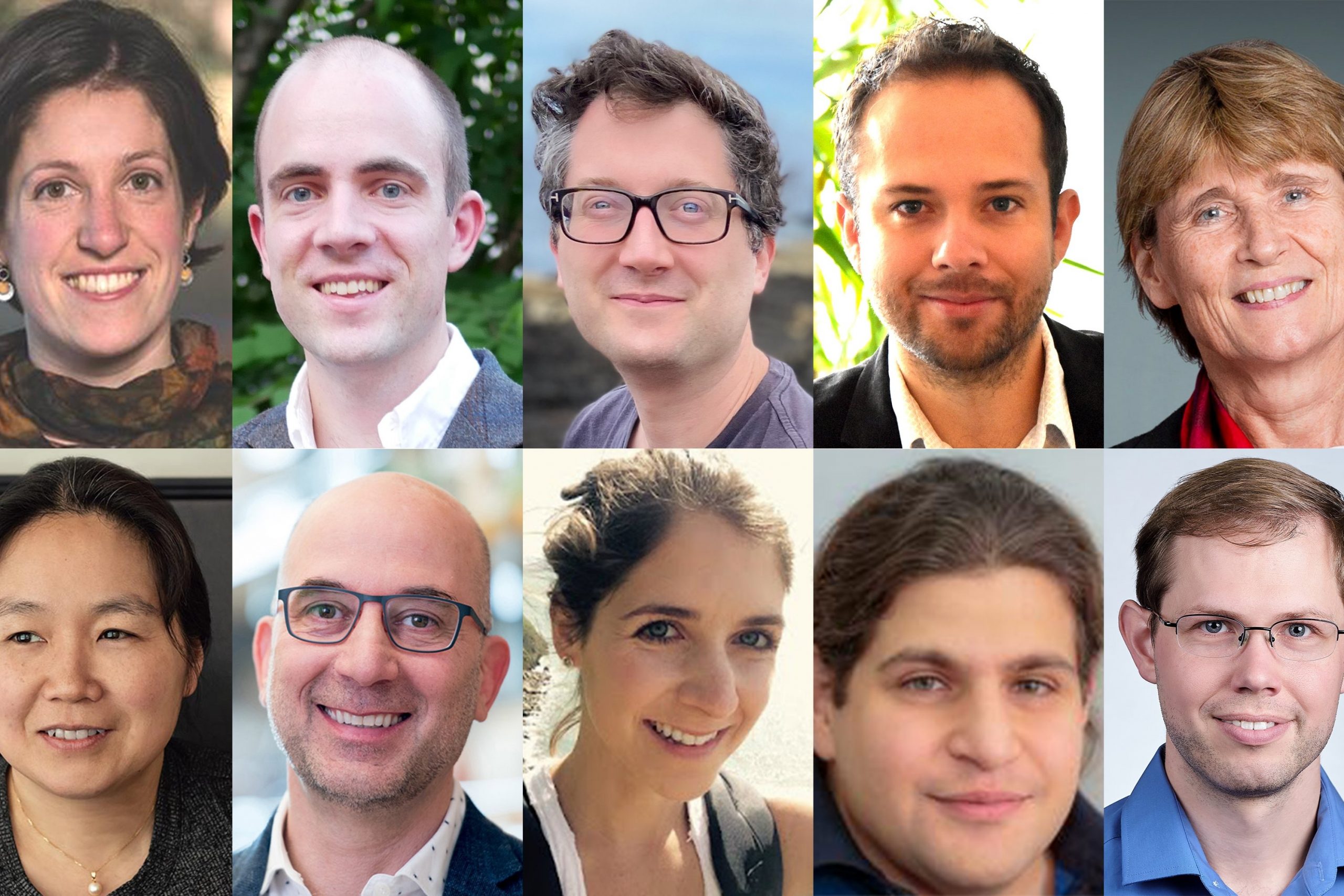
Washington, D.C. – August 27, 2020 – The 2021 American Society for Microbiology (ASM) awardees in research, education and leadership have now been announced. ASM congratulates all of the award recipients for their achievements. The ASM Awards program is managed by the American Academy of Microbiology, the honorific leadership group within ASM. The mission of the Academy is to recognize microbiologists for outstanding contributions to the microbial sciences and to provide microbiological expertise in the service of science and the public.
The 2021 ASM Award Laureates:
ASM Alice C. Evans Award for Advancement of Women
Recognizes outstanding contributions toward the full participation and advancement of women in the microbial sciences. This award is given in memory of Alice C. Evans, the first woman to be elected ASM president (elected in 1928).
• Jennifer Glass, Ph.D.
ASM Award for Applied and Biotechnological Research
Recognizes an outstanding scientist with distinguished research achievements in the development of products, processes and technologies that have advanced the microbial sciences.
• Dennis Hruby, Ph.D.
ASM Award for Early Career Applied and Biotechnological Research
Recognizes an early career investigator with distinguished research achievements in the development of products, processes and technologies that have advanced the microbial sciences.
• Kizzmekia Corbett, Ph.D.
ASM Award for Basic Research
Recognizes an outstanding scientist whose discoveries have been fundamental to advancing our understanding of the microbial world.
• Sue Wickner, Ph.D.
ASM Award for Early Career Basic Research
Recognizes an early career investigator with distinguished basic research achievements in the microbial sciences.
• Sebastian Lourido, Ph.D.
ASM Award for Environmental Research
Recognizes an outstanding scientist with distinguished research achievements that have improved our understanding of microbes in the environment, including aquatic, terrestrial and atmospheric settings.
• Terry Hazen, Ph.D.
ASM Award for Early Career Environmental Research
Recognizes an early career investigator with distinguished research achievements that have improved our understanding of microbes in the environment, including aquatic, terrestrial and atmospheric settings.
• A. Murat Eren, Ph.D.
ASM Award for Education
Recognizes general excellence in microbiology education. Education is broadly defined and meant to include any and all activities that inform and motivate students about the discipline of microbiology.
• Nichole Broderick, Ph.D.
ASM Award for Research and Leadership in Clinical Microbiology
Recognizes an outstanding scientist/clinical microbiologist with distinguished research achievements, and a record of innovation and advancement of the clinical microbiology profession. This award represents the merging of the BD Research and Sonnenwirth Awards given annually since 1978 and 1986, respectively.
• Melissa Miller, Ph.D.
ASM Award for Service
Recognizes outstanding contributions through service to the microbiological community.
• Barbara Robinson-Dunn, Ph.D.
ASM Carski Award
Recognizes an educator for outstanding teaching of microbiology to undergraduate students and for encouraging them to subsequent achievement.
• Jason Tor, Ph.D.
ASM D.C. White Award
Recognizes distinguished accomplishments in interdisciplinary research and mentoring in microbiology. This award honors D.C. White, who was known for his interdisciplinary scientific approach and for being a dedicated and inspiring mentor.
• Ferran Garcia-Pichel, Ph.D.
ASM Lifetime Achievement Award
ASM’s premier award for sustained contributions to the microbiological sciences.
• Bernard Moss, MD, Ph.D.
ASM Moselio Schaechter Award in Recognition of a Developing-Country Microbiologist
This award, named in honor of Professor Moselio Schaechter, former ASM president, recognizes a scientist who has shown exemplary leadership and commitment towards the substantial furthering of the profession of microbiology in research, education or technology in the developing world.
• Gustavo Goldman, Ph.D.
ASM Scherago-Rubin Award for Clinical Microbiology
Recognizes an outstanding bench-level clinical microbiologist involved in routine diagnostic work that has distinguished her- or himself by excellent performance. The award was established by the late Sally Jo Rubin, an active member of ASM’s Clinical Microbiology Division, in honor of her grandfather, Professor Morris Scherago.
• Brandon Ellis, B.S.
ASM William A. Hinton Award for Advancement of a Diverse Community of Microbiologists
Recognizes outstanding contributions toward fostering the research training of minorities and in increasing diversity in microbiology. It is given in memory of William A. Hinton, a physician-research scientist, and one of the first African-Americans to join ASM.
• Eric Triplett, Ph.D.
The American Society for Microbiology is one of the largest professional societies dedicated to the life sciences and is composed of 30,000 scientists and health practitioners. ASM’s mission is to promote and advance the microbial sciences.
ASM advances the microbial sciences through conferences, publications, certifications and educational opportunities. It enhances laboratory capacity around the globe through training and resources. It provides a network for scientists in academia, industry and clinical settings. Additionally, ASM promotes a deeper understanding of the microbial sciences to diverse audiences.
August 27, 2020

Researchers discover new rules governing bacterial gene expression that overturn fundamental assumptions about basic biological pathways.
Raleigh McElvery
August 26, 2020
On the evolutionary tree, humans diverged from yeast roughly one billion years ago. By comparison, two seemingly similar species of bacteria, Escherichia coli and Bacillus subtilis, have been evolving apart for roughly twice as long. In other words: walking, talking bipeds are closer on the tree of life to single-celled fungus than these two bacteria are to one another. In fact, it’s becoming increasingly clear that what is true of one bacterial type may not be true of another — even when it comes down to life’s most basic biological pathways.
E. coli has served as a model organism in scientific research for over a century, and helped researchers parse many fundamental processes, including gene expression. In these bacteria, as one molecular machine, the RNA polymerase, moves along the DNA transcribing it into RNA, it is followed in close pursuit by a second molecular machine, the ribosome, which translates the RNA into proteins. This “coupled” transcription-translation helps monitor and tune RNA output, and is considered a hallmark of bacteria.
However, an interdisciplinary team of biologists and physicists recently showed that the B. subtilis bacterium employs a different set of rules. Rather than working in tandem with the ribosome, the polymerase in B. subtilis speeds ahead. This system of “runaway” transcription creates alternative rules for RNA quality control, and provides insights into the sheer diversity of bacterial species.
“Generations of researchers, including myself, were taught that coupled transcription-translation is fundamental to bacterial gene expression,” says Gene-Wei Li, an associate professor of biology and senior author of the study. “But our very precise, quantitative measurements have overturned that long-held view, and this study could be just the tip of the iceberg.”
Grace Johnson, a graduate student in the Department of Biology, and Jean-Benoît Lalanne, a graduate student in the Department of Physics, are the lead authors on the paper, which appeared in Nature on Aug. 26.
A curious clue
In 2018, Lalanne developed an experimental technique to measure the boundaries of RNA transcripts. When DNA is transcribed into RNA, the resulting transcripts are generally longer than the DNA coding sequence because they also have to include an extra bit at the end to signal the polymerase to stop. In B. subtilis, Lalanne noticed there simply wasn’t enough space between the ends of the coding sequences and the ends of the RNA transcripts — the extra code was too short for both the polymerase and the ribosome to fit at the same time. In this bacterium, coupled transcription-translation didn’t seem possible.
“It was a pretty weird observation,” Lalanne recalls. “It just didn’t square up with the accepted dogma.”
To delve further into these puzzling observations, Johnson measured the speeds of the RNA polymerase and ribosome in B. subtilis. She was surprised to find that they were moving at very different rates: the polymerase was going roughly twice as fast as the ribosome.
During coupled transcription-translation in E. coli, the ribosome is so closely associated with the RNA polymerase that it can control when transcription terminates. If the RNA encodes a “premature” signal for the polymerase to stop transcribing, the nearby ribosome can mask it and spur the polymerase on. However, if something goes awry and the ribosome is halted too far behind the polymerase, a protein called Rho can intervene to terminate transcription at these premature sites, halting the production of these presumably non-functional transcripts.
However, in B. subtilis, the ribosome is always too far behind the polymerase to exert its masking effect. Instead, Johnson found that Rho recognizes signals encoded in the RNA itself. This allows Rho to prevent production of select RNAs while ensuring it doesn’t suppress all RNAs. However, these specific signals also mean Rho likely has a more limited role in B. subtilis than it does in E. coli.
A family trait
To gauge how common runaway transcription is, Lalanne created algorithms that sifted through genomes from over 1,000 bacterial species to identify the ends of transcripts. In many cases, there was not enough space at the end of the transcripts for both the RNA polymerase and the ribosome to fit, indicating that more than 200 additional bacteria also rely on runaway transcription.
“It was striking to see just how widespread this phenomenon is,” Li says. “It raises the question: How much do we really know about these model organisms we’ve been studying for so many years?”
Carol Gross, a professor in the Department of Microbiology and Immunology at University of California San Francisco who was not involved with the study, refers to the work as a “tour de force.”
“Gene-Wei Li and colleagues show transcription-translation coupling, thought to be a foundational feature of bacterial gene regulation, is not universal,” she says. “Instead, runaway transcription leads to a host of alternative regulatory strategies, thereby opening a new frontier in our study of bacterial strategies to thrive in varied environments.”
As researchers widen their experimental radius to include more types of bacteria, they are learning more about the basic biological processes underlying these microorganisms — with implications for those that take up residence in the human body, from helpful gut microbes to noxious pathogens.
“We’re beginning to realize that bacteria can have distinct ways of regulating gene expression and responding to environmental stress,” Johnson says. “It just shows how much interesting biology is left to uncover as we study increasingly diverse bacteria.”
Citation:
“Functionally uncoupled transcription–translation in Bacillus subtilis”
Nature, online August 26, 2020, DOI: 10.1038/s41586-020-2638-5
Grace E. Johnson, Jean-Benoît Lalanne, Michelle L. Peters, and Gene-Wei Li
Top illustration: Researchers discovered a new system of transcription and translation in bacteria, where the polymerase (pink) in B. subtilis “runs away” from the ribosome (blue). Credit: Grace Johnson
Posted: 8.26.20

Emma H. Yee, Steven S. Cheng, Grant A. Knappe, and Christine A. Moomau | MIT Science Policy Review
August 25, 2020

Toni-Ann Nelson transformed remote summer research into an opportunity to learn a new set of tools for analyzing tumors.
Raleigh McElvery
August 20, 2020
Toni-Ann Nelson has wanted to find a cure for cancer ever since she was nine years old and lost her grandfather to the disease. “I remember thinking there must be something that the doctors and scientists were missing,” she recalls. “It just couldn’t be that complicated.” Now one semester away from earning her degree in molecular biology, Nelson is realizing cancer is just that — complicated. After conducting cancer research during MIT’s Summer Research Program in Biology (MSRP-Bio), she understands much more about the intricacies of tumors and metastasis. But she’s also glimpsed just how many cellular puzzles remain to be solved.
Growing up in Jamaica, Nelson enjoyed all her science classes, but preferred biology because she knew it would provide the foundation to probe cancer. She graduated as the valedictorian of her high school class, and earned a scholarship to Alcorn State University in Mississippi, where she began in the spring of 2017.
Alcorn doesn’t have any cancer research facilities, so Nelson secured a position as an undergraduate researcher in Yan Meng’s plant tissue culture lab. For three years, Nelson aimed to improve viral disease resistance in sweet potatoes. Even though she wasn’t conducting clinical research, she mastered key molecular biology techniques like PCR, gel electrophoresis, and tissue culture.
“Fundamental research is important because many times finding a cure requires starting with the basics, and understanding what’s going on inside the cell,” she says.
When Nelson was accepted into MSRP-Bio as a Gould Fellow and assigned to work in Tyler Jacks’ lab, she was elated to get her first hands-on cancer research experience. But in April 2020 — two months before the program was slated to begin — MIT’s campus temporarily shut down due to the COVID-19 pandemic, and MSRP-Bio 2020 became a remote learning experience.
As a result, Nelson and her MSRP-Bio cohort conducted their research from home. She took on a computationally-intensive project that was conducive to remote work and required taking an online quantitative methods class. In a manner of weeks, she learned an entirely new set of skills, including programming languages like Python.
“I always thought that I wouldn’t need those types of computational tools as part of my cancer research,” she explains. “But working at MIT was enlightening, because it showed me that they are key to understanding disease. I can definitely see myself using them on my own projects in the future.”

The Jacks lab studies the genetic events that contribute to cancer, and Nelson’s project centered on lung adenocarcinoma. The predominant form of non-small cell lung cancer, it begins in alveolar type II (AT2) cells. Past studies showed that, as the tumor progresses, AT2 cells change state and lose their original identity. Nelson wanted to determine which genes and proteins underlie this evolution. Her analyses showed that genetic markers characteristic of AT2 cells tend to decrease over time, while markers denoting faster-growing “high grade” tumors become more prevalent.
“The kinetics of these gene expression changes that are happening early on are still poorly understood,” she explains. “It just goes to show how complicated this pathology is, which I find even more fascinating.”
Once researchers can pinpoint the genes and proteins that drive changes in cancer cell state, they’ll be better equipped to design drugs that target and prevent metastatic processes.
Although Nelson couldn’t visit the lab in person, as on-campus research slowly began ramping up again, her graduate student mentor Amanda Cruz would show her around during their video conference calls. Cruz also helped Nelson explore the scientific literature, choose studies for the lab’s journal club, and perform computational analyses.
Given the unprecedented circumstances, Nelson says having a solid support system was key to her success. Nelson and her MSRP cohort also relied on one another for encouragement, and were each assigned a graduate student “pal” for guidance outside of lab.
“The program catered to our every need, and it’s structured to ensure that someone will always check up on you if you’re feeling alone,” Nelson says. “I never expected to get so much from this experience, especially because I’m not physically on campus. But what I learned this summer was so much more than I could ever have anticipated.”
Her time in the Jacks lab has solidified her fervor for cancer research, and she intends to apply to cancer biology PhD programs in order to continue this line of inquiry. “I’ve realized there’s still so much more to learn,” she says, “but we’re getting there.”
Top image courtesy of Toni-Ann Nelson
Posted: 8.19.20

Diego Detrés spent the summer probing protein function and collaborating with MIT researchers remotely from his home in Puerto Rico.
Raleigh McElvery
August 17, 2020
When he was young, Diego Detrés wanted to become a magician in order to learn the tricks of the trade and transform enigma into fact. Now a fourth-year industrial microbiology major at University of Puerto Rico at Mayagüez, he’s on track to become a researcher while chasing a similar aim. To Detrés, the complex biological processes that continue to stump researchers are akin to acts of magic — although deciphering them is much more complicated than pulling a rabbit out of a hat. As a participant in MIT’s Summer Research Program in Biology (MSRP-Bio), he’s getting closer to parsing the mechanisms behind molecular mysteries.
After his magician phase but before developing an affinity for biology, Detrés was on track to become a professional boxer in Puerto Rico. In high school, he spent hours each night reading about nutrition to supplement his training. Before long, he found himself entranced by the intricacies of the metabolic processes that allow cells to convert food into energy.
At the University of Puerto Rico at Mayagüez, he wanted to continue exploring biology and focus on medicine. “My plan was to become a doctor, because I thought that’s what you do with a biology degree,” he says. “It also seemed like the best way to make an impact on people’s lives.”
But Detrés’ first semester was cut short when hurricane Maria tore through Puerto Rico in September 2017. His spring classes were canceled as the island reeled in the aftermath, so he joined a relief project headed by his university to bring help and legal aid to local communities. “It wasn’t scientific research, but it did show me that understanding a problem is critical to finding an effective solution,” he recalls. “It also allowed me to explore other ways in which I could impact other people.”

Detrés’ first lab experience came the next summer at the University of Minnesota, where he studied the genetics of maize. That internship affirmed his interest in biology but shifted his gaze away from medicine and towards fundamental research.
“I really liked being at the bench,” he says. “I fell in love with working in lab and basic science. It’s fundamental knowledge that’s important for the building blocks of science; you might discover something today that will help a lot of people later on.”
When he returned home to the University of Puerto Rico at Mayagüez that August, Detrés was accepted into the Maximizing Access to Research Careers (MARC) Program, which is sponsored by the National Institute of General Medical Sciences and provides research-related opportunities and a special science curriculum. He joined the lab of Carlos Ríos Velázquez, investigating novel antibiotic resistance genes within the gut microbiome of the Caracolus marginella snail, and helping Ríos Velázquez teach biology workshops to high school students.
“He gave me a background in science when I didn’t have one, and I want to do the same for other people,” Detrés says. “I hope to teach eventually.”
In January 2020, Detrés was invited to come to MIT for the annual Quantitative Methods Workshop, a seven-day boot camp that introduces students to tools for analyzing experimental data. He enjoyed the “feel” of campus, and decided to apply to MSRP-Bio in hopes of returning in June.
Although the Covid-19 pandemic prevented the Institute from hosting in-person summer programs, Detrés has been gleaning the MIT experience from his apartment in Puerto Rico. His days are filled with Zoom meetings featuring faculty and graduate student talks, group hangouts, informal exercise sessions, musical jams, and cooking classes. He was also named a 2020 MSRP-Bio Gould Fellow. “Even remotely, I’ve gotten to know the MSRP cohort really well, and the faculty have been very interactive,” he says.
He’s been conducting research in Eliezer Calo’s lab for the past two months, running literature searches and bioinformatic analyses. Like Detrés, Calo grew up in Puerto Rico and attended MSRP-Bio. Now, Calo is a professor in MIT’s Department of Biology. His lab investigates RNA metabolism to inform developmental disorders and cancer research.
Detrés is focusing on a family of RNA helicases called DEAD-box ATPases, or “DDXs,” which are involved in every step of RNA metabolism. These proteins are conserved across many species, and contain a core amino acid sequence that helps catalyze reactions with other molecules in the cell.
However, the Calo lab suspects that the less-conserved sequences near the ends of the proteins may be more critical for specialized function. Detrés is investigating what it is about these terminal sequences that determines DDXs’ specific roles in RNA metabolism.

This summer, he showed that DDX proteins are more likely to lack a stable structure near one end, known as the C-terminus, compared to other closely-related helicases. These findings will help the Calo lab better understand the relationship between DDX’s functional specificity and its intrinsically disordered regions like the C-terminus.
“Most of these proteins are essential for life, and yet we don’t really know how they’re involved in so many dynamic processes,” Detrés says. “It’s been interesting to analyze already-existing data in ways that allow us to investigate novel possibilities.”
Working from home has been challenging to say the least. Not having the in-person support from his labmates has been difficult. On the other hand, spending so much time with his family has been enjoyable.
“I had to make a routine for myself that allowed me to work effectively from home, as well as maintain my physical and mental well-being,” he says. “Program activities also gave us the chance to be physically active and to interact with other students”.
Detrés aims to return for a second summer of MSRP next year, hopefully in person.
“Since starting MSRP, I’ve noticed a lot of changes in myself,” he says. “The more I get into research, even remote research, the more I realize it’s what I want to do. Science is not about being really smart; it’s about being really curious.”
As Detrés continues to follow his curiosity, the inner workings of the cell are becoming more comprehensible — but no less mesmerizing.
Photos courtesy of Diego Detrés
Posted: 8.18.20

A well-known protein family binds to many more RNA sequences than previously thought to help neurons grow.
Raleigh McElvery
August 17, 2020
In every cell, RNA-binding proteins (RBPs) help tune gene expression and control biological processes by binding to RNA sequences. Researchers often assume that individual RBPs latch tightly to just one RNA sequence. For instance, an essential family of RBPs, the Rbfox family, was thought to bind one particular RNA sequence alone. However, it’s becoming increasingly clear that this idea greatly oversimplifies Rbfox’s vital role in development.
Members of the Rbfox family are among the best-studied RBPs and have been implicated in mammalian brain, heart, and muscle development since their discovery 25 years ago. They influence how RNA transcripts are “spliced” together to form a final RNA product, and have been associated with disorders like autism and epilepsy. But this family of RBPs is compelling for another reason as well: until recently, it was considered a classic example of predictable binding.
More often than not, it seemed, Rbfox proteins bound to a very specific sequence, or motif, of nucleotide bases, “GCAUG.” Occasionally, binding analyses hinted that Rbfox proteins might attach to other RNA sequences as well, but these findings were usually discarded. Now, a team of biologists from MIT has found that Rbfox proteins actually bind less tightly — but no less frequently — to a handful of other RNA nucleotide sequences besides GCAUG. These so-called “secondary motifs” could be key to normal brain development, and help neurons grow and assume specific roles.
“Previously, possible binding of Rbfox proteins to atypical sites had been largely ignored,” says Christopher Burge, professor of biology and the study’s senior author. “But we’ve helped demonstrate that these secondary motifs form their own separate class of binding sites with important physiological functions.”
Graduate student Bridget Begg is the first author of the study, published on August 17 in Nature Structural & Molecular Biology.
“Two-wave” regulation
After the discovery that GCAUG was the primary RNA binding site for mammalian Rbfox proteins, researchers characterized its binding in living cells using a technique called CLIP (crosslinking-immunoprecipitation). However, CLIP has several limitations. For example, it can indicate where a protein is bound, but not how much protein is bound there. It’s also hampered by some technical biases, including substantial false-negative and false-positive results.
To address these shortcomings, the Burge lab developed two complementary techniques to better quantify protein binding, this time in a test tube: RBNS (RNA Bind-n-Seq), and later, nsRBNS (RNA Bind-n-Seq with natural sequences), both of which incubate an RBP of interest with a synthetic RNA library. First author Begg performed nsRBNS with naturally-occurring mammalian RNA sequences, and identified a variety of intermediate-affinity secondary motifs that were bound in the absence of GCAUG. She then compared her own data with publicly-available CLIP results to examine the “aberrant” binding that had often been discarded, demonstrating that signals for these motifs existed across many CLIP datasets.
To probe the biological role of these motifs, Begg performed reporter assays to show that the motifs could regulate Rbfox’s RNA splicing behavior. Subsequently, computational analyses by Begg and co-author Marvin Jens using mouse neuronal data established a handful of secondary motifs that appeared to be involved in neuronal differentiation and cellular diversification.
Based on analyses of these key secondary motifs, Begg and colleagues devised a “two-wave” model. Early in development, they believe, Rbfox proteins bind predominantly to high-affinity RNA sequences like GCAUG, in order to tune gene expression. Later on, as the Rbfox concentration increases, those primary motifs become fully occupied and Rbfox additionally binds to the secondary motifs. This results in a second wave of Rbfox-regulated RNA splicing with a different set of genes.
Begg theorizes that the first wave of Rbfox proteins binds GCAUG sequences early in development, and she showed that they regulate genes involved in nerve growth, like cytoskeleton and membrane organization. The second wave appears to help neurons establish electrical and chemical signaling. In other cases, secondary motifs might help neurons specialize into different subtypes with different jobs.
John Conboy, a molecular biologist at Lawrence Berkeley National Lab and an expert in Rbfox binding, says the Burge lab’s two-wave model clearly shows how a single RBP can bind different RNA sequences — regulating splicing of distinct gene sets and influencing key processes during brain development. “This quantitative analysis of RNA-protein interactions, in a field that is often semi-quantitative at best, contributes fascinating new insights into the role of RNA splicing in cell type specification,” he says.
A binding spectrum
The researchers suspect that this two-wave model is not unique to Rbfox. “This is probably happening with many different RBPs that regulate development and other dynamic processes,” Burge says. “In the future, considering secondary motifs will help us to better understand developmental disorders and diseases, which can occur when RBPs are over- or under-expressed.”
Begg adds that secondary motifs should be incorporated into computer models that predict gene expression, in order to probe cellular behavior. “I think it’s very exciting that these more finely-tuned developmental processes, like neuronal differentiation, could be regulated by secondary motifs,” she says.
Both Begg and Burge agree it’s time to consider the entire spectrum of Rbfox binding, which are highly influenced by factors like protein concentration, binding strength, and timing. According to Begg, “Rbfox regulation is actually more complex than we sometimes give it credit for.”
Citation:
“Concentration-dependent splicing is enabled by Rbfox motifs of intermediate affinity”
Nature Structural & Molecular Biology, online August 17, 2020, DOI: 10.1038/s41594-020-0475-8
Bridget E. Begg, Marvin Jens, Peter Y. Wang, Christine M. Minor, and Christopher B. Burge
Top illustration: Some RNA-binding proteins like Rbfox (gold ellipses) help tune gene expression and control biological processes by latching onto more RNA sequences (black and gold lines) as their concentration increases (teal shading). Credit: Bridget Begg
Posted: 8.17.20

Singapore-MIT Alliance for Research and Technology
August 13, 2020
Researchers from the Singapore-MIT Alliance for Research and Technology (SMART), MIT’s research enterprise in Singapore, have found a practical way to induce a strong and broad immunity to the dengue virus based on proof-of-concept studies in mice. Dengue is a mosquito-borne viral disease with an estimated 100 million symptomatic infections every year. It is endemic in over 100 countries in the world, from the United States to Africa and wide swathes of Asia. In Singapore, over 1,700 dengue new cases were reported recently.
The study is reported in a paper titled “Sequential immunization induces strong and broad immunity against all four dengue virus serotypes,” published in NPJ Vaccines. It is jointly published by SMART researchers Jue Hou, Shubham Shrivastava, Hooi Linn Loo, Lan Hiong Wong, Eng Eong Ooi, and Jianzhu Chen from SMART’s Infectious Diseases and Antimicrobial Resistance (AMR) interdisciplinary research groups (IRGs).
The dengue virus (DENV) consists of four antigenically distinct serotypes and there is no lasting immunity following infection with any of the DENV serotypes, meaning someone can be infected again by any of the remaining three variants of DENVs.
Today, Dengvaxia is the only vaccine available to combat dengue. It consists of four variant dengue antigens, one for each of the four serotypes of dengue, expressed from attenuated yellow-fever virus. The current three doses of immunization with the tetravalent vaccine induce only suboptimal protection against DENV1 and DENV2. Furthermore, in people who have not been infected by dengue, the vaccine induces a more severe dengue infection in the future. Therefore, in most of the world, the vaccination is only given to those who have been previously infected.
To help overcome these issues, SMART researchers tested on mice whether sequential immunization (or one serotype per dose) induces stronger and broader immunity against four DENV serotypes than tetravalent-formulated immunization — and found that sequential immunization induced significantly higher levels of virus-specific T cell responses than tetravalent immunization. Moreover, sequential immunization induced higher levels of neutralizing antibodies to all four DENV serotypes than tetravalent vaccination.
“The principle of sequential immunization generally aligns with the reality for individuals living in dengue-endemic areas, whose immune responses may become protective after multiple heterotypic exposures,” says Professor Eng Eong Ooi, SMART AMR principal investigator and senior author of the study. “We were able to find a similar effect based on the use of sequential immunization, which will pave the way for a safe and effective use of the vaccine and to combat the virus.”
Upon these promising results, the investigators will aim to test the sequential immunization in humans in the near future.
The work was supported by the National Research Foundation (NRF) Singapore through the SMART Infectious Disease Research Program and AMR IRG. SMART was established by MIT in partnership with the NRF Singapore in 2007. SMART is the first entity in the Campus for Research Excellence and Technological Enterprise (CREATE) developed by NRF. SMART serves as an intellectual and innovation hub for research interactions between MIT and Singapore, performing cutting-edge research of interest to both Singapore and MIT. SMART currently comprises an Innovation Centre and five IRGs: AMR, Critical Analytics for Manufacturing Personalized-Medicine, Disruptive and Sustainable Technologies for Agricultural Precision, Future Urban Mobility, and Low Energy Electronic Systems. SMART research is funded by the NRF Singapore under the CREATE program.
The AMR IRG is a translational research and entrepreneurship program that tackles the growing threat of antimicrobial resistance. By leveraging talent and convergent technologies across Singapore and MIT, they aim to tackle AMR head-on by developing multiple innovative and disruptive approaches to identify, respond to, and treat drug-resistant microbial infections. Through strong scientific and clinical collaborations, they provide transformative, holistic solutions for Singapore and the world.

Buck Institute
August 10, 2020
The Global Consortium for Reproductive Longevity and Equality (GCRLE) at the Buck Institute for Research on Aging, made possible by the Bia-Echo Foundation, announces its inaugural recipients of its GCRLE Scholar Awards. The 22 recipients comprise a global group who share a vision of advancing research to better understand the underlying causes of female reproductive aging. Grantees were selected by a Scientific Advisory Council composed of leaders in the fields of Aging and Reproductive Biology. Grantees range from early career scientists to established scholars in the field.
“I am incredibly excited by the potential impact for the GCRLE. The ability to convene a diverse community from across institutions will positively and constructively impact this field and move science forward in a way that simply would not be possible otherwise,” says GCRLE Pilot Award recipient Iain Cheeseman, PhD, of the Whitehead Institute for Biomedical Research at MIT. GCRLE Junior Scholar Award recipient Lynae Brayboy, MD of Charité-Universitätsmedizin, Berlin adds, “I think reproductive scientists can often exist in isolation and don’t have the unique experience GCRLE is fostering…I think it also very challenging for physician scientists to find support in the field of reproductive aging and reproductive biology in general.”
The mission of the GCRLE is to support breakthrough research on reproductive aging through funding, training, infrastructure, programs to support women in science, and a collaborative intellectual network. The GCRLE network will enable grantees and all consortium members to pursue support and collaboration across multidisciplinary approaches and institutions, thereby establishing a foundation on which to grow a diverse and sustainable research ecosystem.
Grants totaling $7.4 million will be awarded over 2 years, with flexibility in budgeting for maximum creativity and non-traditional support such as childcare. “We are thrilled to welcome these promising researchers as our very first grant recipients.” says Jennifer Garrison, PhD, GCRLE Faculty Director and Assistant Professor at the Buck Institute for Research on Aging. “The GCRLE unites two disciplines – reproductive science and geroscience – in an unprecedented way to investigate an area of biology that has tangible societal and clinical implications. Our goal is to foster truly bold, innovative scientists with the potential to transform the field. Beyond funding, we are building an infrastructure to grow a vibrant community and developing creative programs to break down gender barriers in scientific research careers. This is the beginning of something big!”
The GCRLE is anchored at the Buck’s Center for Female Reproductive Longevity and Equality which was established in 2018 with a gift from attorney and entrepreneur Nicole Shanahan. The Center is the first research facility in the world focused solely on reproductive equality and ovarian aging, a key determinant not only of fertility but of overall health and longevity. The GCRLE was established in 2019 with a gift from Shanahan’s Bia-Echo Foundation to build the global ecosystem for this new and exciting field of research.
2020 Inaugural GCRLE Scholars
The Senior Scholar Award supports established investigators who are thought leaders in their fields and are recognized for substantial contributions of creative and productive research.
2020 Senior Scholar Award Recipients:
Holly Ingraham, Ph.D.
University of California, San Francisco
“Identifying Novel Drivers in Central Control of Female Reproduction”
Coleen Murphy, Ph.D.
Princeton University
“Defining a “Clock” for Female Reproductive Decline”
Mary Zelinski, Ph.D.
Oregon Health & Science University
“Interventions for Ovarian Aging”
The Junior Scholar Award supports newly independent investigators with outstanding promise as they are establishing their own labs.
2020 Junior Scholar Award Recipients:
Bérénice Benayoun, Ph.D.
University of Southern California
“Establishing new age-relevant mouse models of menopause”
Lynae Brayboy, M.D.
Charité – Universitätsmedizin, Berlin
“Dysfunctional MDR-1 disrupts mitochondrial homeostasis in the oocyte”
Ingrid Fetter-Pruneda, Ph.D.
Universidad Nacional Autónoma de México
“The molecular and cellular basis of high fecundity in social insects”
Amanda Kallen, M.D.
Yale University
“Ovarian Senescence as a Novel Driver of Female Reproductive Aging”
The Pilot Award is designed to foster innovative collaborative or novel research projects that have the potential for high impact and high reward at an accelerated rate.
Pilot Award Recipients:
Ivana Celic, Ph.D.
Tulane University
“LINE1 Retrotransposons in Female Reproductive Aging”
Iain Cheeseman, Ph.D.
Whitehead Institute/MIT
“Analyzing centromere rejuvenation during female reproductive aging”
Marco Conti, M.D.
University of California, San Francisco
“mRNA translation program and oocyte aging”
Arjumand Ghazi, Ph.D.
University of Pittsburgh
“Genetic & Chemical Modulation of Splicing to Combat Reproductive Senescence”
Polina Lishko, Ph.D.
University of California, Berkeley
“Endocannabinoid signaling in the mammalian ovary and reproductive longevity”
Zita Santos, Ph.D., Carlos Ribeiro, Ph.D.
Champalimaud Foundation, Portugal
“Metabolic reprogramming, dietary nutrients and food cravings in ovary aging”
Yousin Suh, Ph.D.
Columbia University
“Genetic Control of Ovarian Aging in Humans”
The Postdoctoral Scholar Award supports training imaginative junior scientists who will lead the next generation of reproductive aging researchers.
2020 Postdoctoral Scholar Award Recipients:
Cristina Quesada Candela, Ph.D.
University of Pittsburg
“Proteasomal Targets Driving Meiotic Failure During Reproductive Aging”
Ana Milunovic Jevtic, Ph.D., D.V.M.
University of California, Berkeley
“The role of endocannabinoid hydrolase ABHD2 in the ovarian aging”
Gul Bikem Soygur Kaya, Ph.D.
University of California, San Francisco
“How duration of meiotic prophase affects development and aging of oocytes”
Min Hoo Kim, Ph.D.
University of Southern California
“Elucidating causal effects of the microbiome on reproductive aging”
Seungsoo Kim, Ph.D.
Columbia University Medical Center
“Integrative bioinformatic analysis of human ovarian aging and healthspan”
Olfat Malak, Ph.D.
Buck Institute for Research on Aging
“Role of sympathetic transmission in the regulation of ovarian aging”
Farners Amargant i Riera, Ph.D.
Northwestern University
“Targeting fibrosis and inflammation to extend reproductive longevity”
Zijing Zhang, Ph.D.
University of Arkansas for Medical Sciences
“The impact of ovarian macrophage population on mouse ovarian aging”
About the Global Consortium for Reproductive Longevity and Equality
The Buck Institute, through the generous support of the Bia Echo Foundation, has launched a novel, global collaborative Consortium dedicated to facilitating and accelerating research on female reproductive longevity and equality. The end of fertility sets off a cascade of negative health effects in a woman’s body. As a society, every aspect of a woman’s life is influenced by the fact that reproductive capacity is limited — overall health, family planning, career decisions. The downstream consequences are clear, but why women undergo a precipitous decline in fertility at midlife and what sets it in motion are a mystery. Despite its profound impact on health and well-being, female reproductive aging is an understudied topic.
The Global Consortium for Reproductive Longevity and Equality (GCRLE) is advancing research to better understand the underlying causes of female reproductive aging. This has implications for everyone – we think that understanding the limits on reproductive capacity will provide important clues about aging in other tissues. Through funding, collaboration, and innovation, we hope to accelerate the pace of discovery and inform the path to intervention. We believe we can profoundly alter the societal balance toward equality for women by defining what leads to menopause and developing interventions to slow or reverse it. Our goal is to build the field to understand the basic biological mechanisms that trigger female reproductive senescence, from the earliest stages through to menopause, and ultimately leverage this understanding to intervene and balance the scales. Contact info@gcrle.org for more information and to find out how to join the GCRLE today! https://buckinstitute.org/gcrle/
About the Buck Institute for Research on Aging
Our success will ultimately change healthcare. At the Buck, we aim to end the threat of age-related diseases for this and future generations by bringing together the most capable and passionate scientists from a broad range of disciplines to identify and impede the ways in which we age. An independent, nonprofit institution, our goal is to increase human health span, or the healthy years of life. Globally recognized as the pioneer and leader in efforts to target aging, the number one risk factor serious diseases including Alzheimer’s, Parkinson’s, cancer, macular degeneration, heart disease, and diabetes, the Buck wants to help people live better longer. Learn more at: https://buckinstitute.org
About the Bia-Echo Foundation
Bia-Echo Foundation is a private foundation, founded by Nicole Shanahan that aims to accelerate social change in order to establish a fair and equitable society for future generations to thrive. We invest in changemakers at the forefront of innovation who are tackling some of the world’s greatest challenges within our core areas of equality-based investment: Reproductive Longevity & Equality, Criminal Justice Reform and Healthy and Livable Ecosystems. https://www.biaecho.org