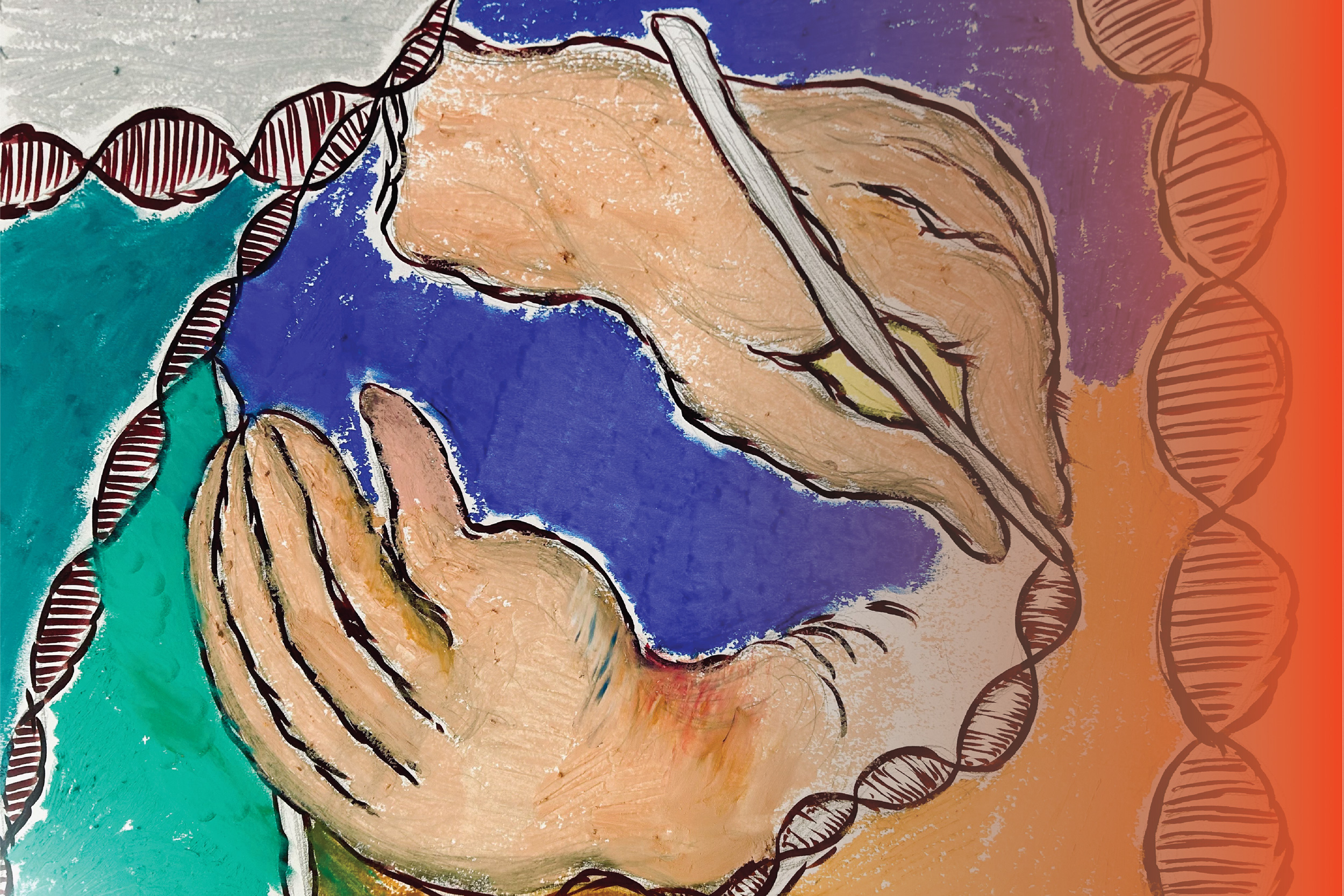
Focus on function helps identify the changes that made us human

It can be difficult to tell which of the many small genetic differences between us and chimps have been significant to our evolution. New research from Jonathan Weissman and colleagues narrowed in on the key differences in how humans and chimps rely on certain genes, including how humans became able to grow comparatively large brains.

Greta Friar | Whitehead Institute
June 22, 2023

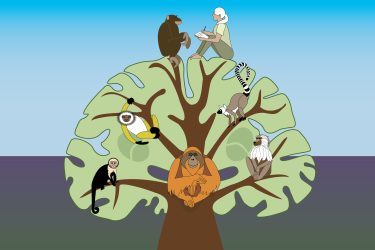
Humans split away from our closest animal relatives, chimpanzees, and formed our own branch on the evolutionary tree about seven million years ago. In the time since—brief, from an evolutionary perspective—our ancestors evolved the traits that make us human, including a much bigger brain than chimpanzees and bodies that are better suited to walking on two feet. These physical differences are underpinned by subtle changes at the level of our DNA. However, it can be hard to tell which of the many small genetic differences between us and chimps have been significant to our evolution.

New research from Whitehead Institute Member Jonathan Weissman; University of California, San Francisco Assistant Professor Alex Pollen; Weissman lab postdoc Richard She; Pollen lab graduate student Tyler Fair; and colleagues uses cutting edge tools developed in the Weissman lab to narrow in on the key differences in how humans and chimps rely on certain genes. Their findings, published in the journal Cell on June 20, may provide unique clues into how humans and chimps have evolved, including how humans became able to grow comparatively large brains.

Studying function rather than genetic code

Only a handful of genes are fundamentally different between humans and chimps; the rest of the two species’ genes are typically nearly identical. Differences between the species often come down to when and how cells use those nearly identical genes. However, only some of the many differences in gene use between the two species underlie big changes in physical traits. The researchers developed an approach to narrow in on these impactful differences.

Their approach, using stem cells derived from human and chimp skin samples, relies on a tool called CRISPR interference (CRISPRi) that Weissman’s lab developed. CRISPRi uses a modified version of the CRISPR/Cas9 gene editing system to effectively turn off individual genes. The researchers used CRISPRi to turn off each gene one at a time in a group of human stem cells and a group of chimp stem cells. Then they looked to see whether or not the cells multiplied at their normal rate. If the cells stopped multiplying as quickly or stopped altogether, then the gene that had been turned off was considered essential: a gene that the cells need to be active–producing a protein product–in order to thrive. The researchers looked for instances in which a gene was essential in one species but not the other as a way of exploring if and how there were fundamental differences in the basic ways that human and chimp cells function.

By looking for differences in how cells function with particular genes disabled, rather than looking at differences in the DNA sequence or expression of genes, the approach ignores differences that do not appear to impact cells. If a difference in gene use between species has a large, measurable effect at the level of the cell, this likely reflects a meaningful difference between the species at a larger physical scale, and so the genes identified in this way are likely to be relevant to the distinguishing features that have emerged over human and chimp evolution.

“The problem with looking at expression changes or changes in DNA sequences is that there are many of them and their functional importance is unclear,” says Weissman, who is also a professor of biology at the Massachusetts Institute of Technology and an Investigator with the Howard Hughes Medical Institute. “This approach looks at changes in how genes interact to perform key biological processes, and what we see by doing that is that, even on the short timescale of human evolution, there has been fundamental rewiring of cells.”

After the CRISPRi experiments were completed, She compiled a list of the genes that appeared to be essential in one species but not the other. Then he looked for patterns. Many of the 75 genes identified by the experiments clustered together in the same pathways, meaning the clusters were involved in the same biological processes. This is what the researchers hoped to see. Individual small changes in gene use may not have much of an effect, but when those changes accumulate in the same biological pathway or process, collectively they can cause a substantive change in the species. When the researchers’ approach identified genes that cluster in the same processes, this suggested to them that their approach had worked and that the genes were likely involved in human and chimp evolution.

“Isolating the genetic changes that made us human has been compared to searching for needles in a haystack because there are millions of genetic differences, and most are likely to have negligible effects on traits,” Pollen says. “However, we know that there are lots of small effect mutations that in aggregate may account for many species differences. This new approach allows us to study these aggregate effects, enabling us to weigh the impact of the haystack on cellular functions.”

Researchers think bigger brains may rely on genes regulating how quickly cells divide

One cluster on the list stood out to the researchers: a group of genes essential to chimps, but not to humans, that help to control the cell cycle, which regulates when and how cells decide to divide. Cell cycle regulation has long been hypothesized to play a role in the evolution of humans’ large brains. The hypothesis goes like this: Neural progenitors are the cells that will become neurons and other brain cells. Before becoming mature brain cells, neural progenitors divide multiple times to make more of themselves. The more divisions that the neural progenitors undergo, the more cells the brain will ultimately contain—and so, the bigger it will be. Researchers think that something changed during human evolution to allow neural progenitors to spend less time in a non-dividing phase of the cell cycle and transition more quickly towards division. This simple difference would lead to additional divisions, each of which could essentially double the final number of brain cells.

Consistent with the popular hypothesis that human neural progenitors may undergo more divisions, resulting in a larger brain, the researchers found that several genes that help cells to transition more quickly through the cell cycle are essential in chimp neural progenitor cells but not in human cells. When chimp neural progenitor cells lose these genes, they linger in a non-dividing phase, but when human cells lose them, they keep cycling and dividing. These findings suggest that human neural progenitors may be better able to withstand stresses—such as the loss of cell cycle genes—that would limit the number of divisions the cells undergo, enabling humans to produce enough cells to build a larger brain.

“This hypothesis has been around for a long time, and I think our study is among the first to show that there is in fact a species difference in how the cell cycle is regulated in neural progenitors,” She says. “We had no idea going in which genes our approach would highlight, and it was really exciting when we saw that one of our strongest findings matched and expanded on this existing hypothesis.”

More subjects lead to more robust results

Research comparing chimps to humans often uses samples from only one or two individuals from each species, but this study used samples from six humans and six chimps. By making sure that the patterns they observed were consistent across multiple individuals of each species, the researchers could avoid mistaking the naturally occurring genetic variation between individuals as representative of the whole species. This allowed them to be confident that the differences they identified were truly differences between species.

The researchers also compared their findings for chimps and humans to orangutans, which split from the other species earlier in our shared evolutionary history. This allowed them to figure out where on the evolutionary tree a change in gene use most likely occurred. If a gene is essential in both chimps and orangutans, then it was likely essential in the shared ancestor of all three species; it’s more likely for a particular difference to have evolved once, in a common ancestor, than to have evolved independently multiple times. If the same gene is no longer essential in humans, then its role most likely shifted after humans split from chimps. Using this system, the researchers showed that the changes in cell cycle regulation occurred during human evolution, consistent with the proposal that they contributed to the expansion of the brain in humans.

The researchers hope that their work not only improves our understanding of human and chimp evolution, but also demonstrates the strength of the CRISPRi approach for studying human evolution and other areas of human biology. Researchers in the Weissman and Pollen labs are now using the approach to better understand human diseases—looking for the subtle differences in gene use that may underlie important traits such as whether someone is at risk of developing a disease, or how they will respond to a medication. The researchers anticipate that their approach will enable them to sort through many small genetic differences between people to narrow in on impactful ones underlying traits in health and disease, just as the approach enabled them to narrow in on the evolutionary changes that helped make us human.

Siniša Hrvatin Named a Searle Scholar

Biology Professor and Whitehead Institute Member Siniša Hrvatin has been named as one of the 15 researchers to be selected as 2023 Searle Scholars. The Searle Scholars Program supports the research of exceptional young faculty in the biomedical sciences and chemistry.

Merrill Meadow | Whitehead Institute
May 12, 2023

Whitehead Institute Member Siniša Hrvatin has been named as one of the 15 researchers to be selected as 2023 Searle Scholars. The Searle Scholars Program supports the research of exceptional young faculty in the biomedical sciences and chemistry.

Chosen by an advisory board of eminent scientists, Searle Scholars are considered among the most creative researchers pursuing careers in academic research. Their investigations address challenging research questions and can lead to new insights that fundamentally change their fields—and to opportunities for translating discoveries into new therapeutics and diagnostics.

“I am truly grateful for the support of the Searle Scholar Program as we embark on this ambitious project,” says Hrvatin, who joined the Institute in 2021 and is also an assistant professor of biology at Massachusetts Institute of Technology. The three-year grant accompanying the award will support his work developing a new animal model for the study of hibernation.

“The ability to maintain nearly constant body temperature is a defining feature of mammalian and avian evolution; but, when challenged by harsh environments, many species decrease body temperature and metabolic rate and initiate energy-conserving states of torpor and hibernation,” Hrvatin notes. “Science has not yet answered the fundamental questions of how mammals initiate, regulate, and survive these extraordinary hypometabolic and hypothermic states.

“However, those answers could have profound medical applications,” he explains. “For example, harnessing the mechanisms behind hibernation might provide new approaches to protect neurons from ischemic injury and to preserve tissues and organs for transplantation.”

In the Searle-supported study, Hrvatin aims to discover a control center in the brain that regulates distinct stages of hibernation in the Syrian hamster. His lab will start by identifying the brain regions active during the deep torpor stage of hibernation and, using molecular profiling techniques, will then identify the specific neuronal populations and molecular pathways involved. Finally, the team will develop new tools to determine specific activities in those neural populations that are necessary for natural hibernation—and that may be sufficient to induce a synthetic state of hibernation.

“Taken together,” Hrvatin says, “I believe that our discoveries and the tools we build will help establish the first controllable animal model of hibernation.”

Since 1981, 677 scientists have been named Searle Scholars and the Program has awarded more than $152 million in support for Scholars’ research. To date, 85 Searle Scholars have been inducted into the National Academy of Sciences, 20 have been recognized with a MacArthur Fellowship, and two have been awarded the Nobel Prize for Chemistry.

Gene-editing technique could speed up study of cancer mutations

With the new method, scientists can explore many cancer mutations whose roles are unknown, helping them develop new drugs that target those mutations.

Anne Trafton | MIT News Office
May 11, 2023

Genomic studies of cancer patients have revealed thousands of mutations linked to tumor development. However, for the vast majority of those mutations, researchers are unsure of how they contribute to cancer because there’s no easy way to study them in animal models.

In an advance that could help scientists make a dent in that long list of unexplored mutations, MIT researchers have developed a way to easily engineer specific cancer-linked mutations into mouse models.

Using this technique, which is based on CRISPR genome-editing technology, the researchers have created models of several different mutations of the cancer-causing gene Kras, in different organs. They believe this technique could also be used for nearly any other type of cancer mutation that has been identified.

Such models could help researchers identify and test new drugs that target these mutations.

“This is a remarkably powerful tool for examining the effects of essentially any mutation of interest in an intact animal, and in a fraction of the time required for earlier methods,” says Tyler Jacks, the David H. Koch Professor of Biology, a member of the Koch Institute for Integrative Cancer Research at MIT, and one of the senior authors of the new study.

Francisco Sánchez-Rivera, an assistant professor of biology at MIT and member of the Koch Institute, and David Liu, a professor in the Harvard University Department of Chemistry and Chemical Biology and a core institute member of the Broad Institute, are also senior authors of the study, which appears today in Nature Biotechnology.

Zack Ely PhD ’22, a former MIT graduate student who is now a visiting scientist at MIT, and MIT graduate student Nicolas Mathey-Andrews are the lead authors of the paper.

Faster editing

Testing cancer drugs in mouse models is an important step in determining whether they are safe and effective enough to go into human clinical trials. Over the past 20 years, researchers have used genetic engineering to create mouse models by deleting tumor suppressor genes or activating cancer-promoting genes. However, this approach is labor-intensive and requires several months or even years to produce and analyze mice with a single cancer-linked mutation.

“A graduate student can build a whole PhD around building a model for one mutation,” Ely says. “With traditional models, it would take the field decades to catch up to all of the mutations we’ve discovered with the Cancer Genome Atlas.”

In the mid-2010s, researchers began exploring the possibility of using the CRISPR genome-editing system to make cancerous mutations more easily. Some of this work occurred in Jacks’ lab, where Sánchez-Rivera (then an MIT graduate student) and his colleagues showed that they could use CRISPR to quickly and easily knock out genes that are often lost in tumors. However, while this approach makes it easy to knock out genes, it doesn’t lend itself to inserting new mutations into a gene because it relies on the cell’s DNA repair mechanisms, which tend to introduce errors.

Inspired by research from Liu’s lab at the Broad Institute, the MIT team wanted to come up with a way to perform more precise gene-editing that would allow them to make very targeted mutations to either oncogenes (genes that drive cancer) or tumor suppressors.

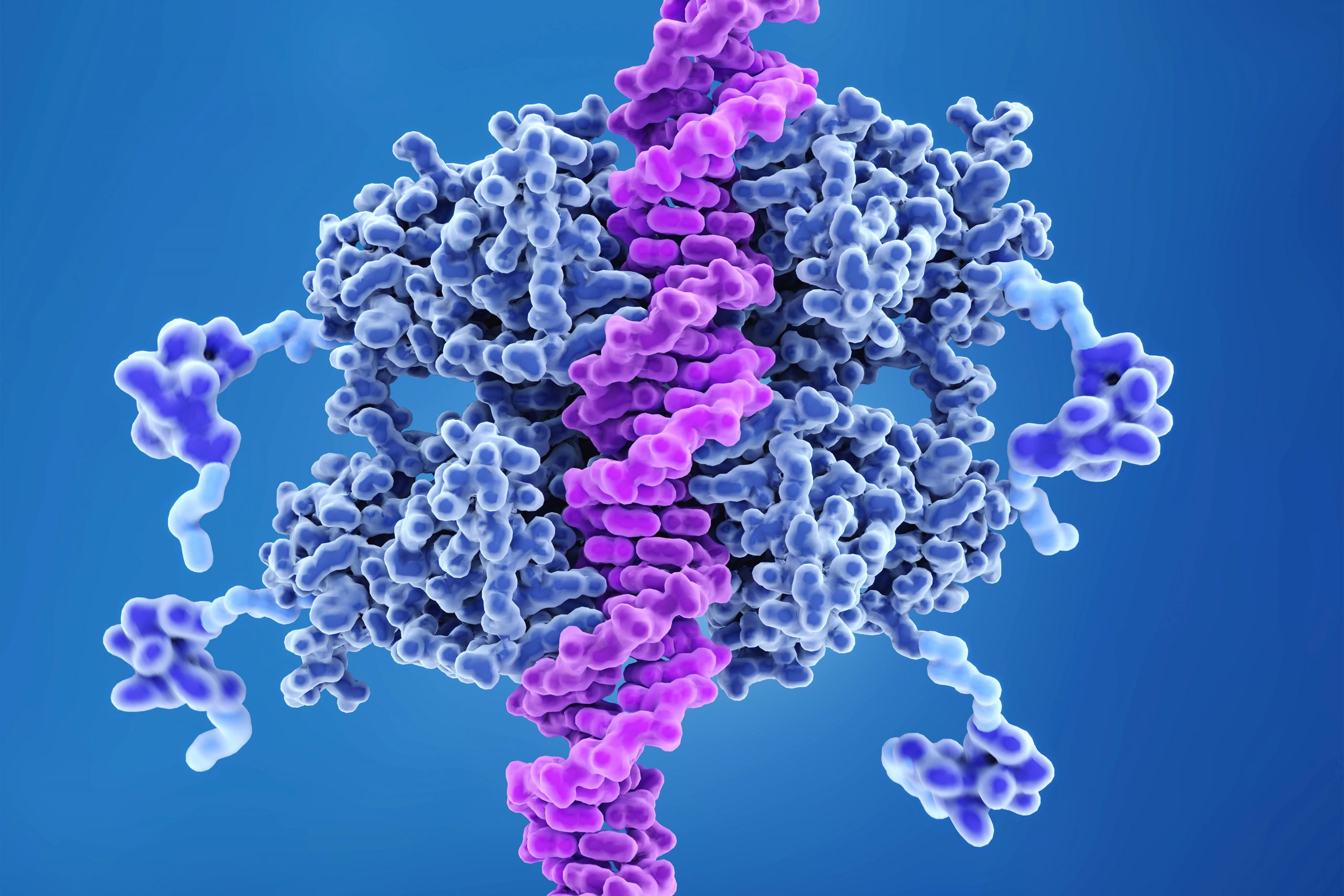
In 2019, Liu and colleagues reported a new version of CRISPR genome-editing called prime editing. Unlike the original version of CRISPR, which uses an enzyme called Cas9 to create double-stranded breaks in DNA, prime editing uses a modified enzyme called Cas9 nickase, which is fused to another enzyme called reverse transcriptase. This fusion enzyme cuts only one strand of the DNA helix, which avoids introducing double-stranded DNA breaks that can lead to errors when the cell repairs the DNA.

The MIT researchers designed their new mouse models by engineering the gene for the prime editor enzyme into the germline cells of the mice, which means that it will be present in every cell of the organism. The encoded prime editor enzyme allows cells to copy an RNA sequence into DNA that is incorporated into the genome. However, the prime editor gene remains silent until activated by the delivery of a specific protein called Cre recombinase.

Since the prime editing system is installed in the mouse genome, researchers can initiate tumor growth by injecting Cre recombinase into the tissue where they want a cancer mutation to be expressed, along with a guide RNA that directs Cas9 nickase to make a specific edit in the cells’ genome. The RNA guide can be designed to induce single DNA base substitutions, deletions, or additions in a specified gene, allowing the researchers to create any cancer mutation they wish.

Modeling mutations

To demonstrate the potential of this technique, the researchers engineered several different mutations into the Kras gene, which drives about 30 percent of all human cancers, including nearly all pancreatic adenocarcinomas. However, not all Kras mutations are identical. Many Kras mutations occur at a location known as G12, where the amino acid glycine is found, and depending on the mutation, this glycine can be converted into one of several different amino acids.

The researchers developed models of four different types of Kras mutations found in lung cancer: G12C, G12D, G12R, and G12A. To their surprise, they found that the tumors generated in each of these models had very different traits. For example, G12R mutations produced large, aggressive lung tumors, while G12A tumors were smaller and progressed more slowly.

Learning more about how these mutations affect tumor development differently could help researchers develop drugs that target each of the different mutations. Currently, there are only two FDA-approved drugs that target Kras mutations, and they are both specific to the G12C mutation, which accounts for about 30 percent of the Kras mutations seen in lung cancer.

The researchers also used their technique to create pancreatic organoids with several different types of mutations in the tumor suppressor gene p53, and they are now developing mouse models of these mutations. They are also working on generating models of additional Kras mutations, along with other mutations that help to confer resistance to Kras inhibitors.

“One thing that we’re excited about is looking at combinations of mutations including Kras mutations that drives tumorigenesis, along with resistance associated mutations,” Mathey-Andrews says. “We hope that will give us a handle on not just whether the mutation causes resistance, but what does a resistant tumor look like?”

The researchers have made mice with the prime editing system engineered into their genome available through a repository at the Jackson Laboratory, and they hope that other labs will begin to use this technique for their own studies of cancer mutations.

The research was funded by the Ludwig Center at MIT, the National Cancer Institute, a Howard Hughes Medical Institute Hanna Grey Fellowship, the V Foundation for Cancer Research, a Koch Institute Frontier Award, the MIT Research Support Committee, a Helen Hay Whitney Postdoctoral Fellowship, the David H. Koch Graduate Fellowship Fund, the National Institutes of Health, and the Lustgarten Foundation for Pancreatic Cancer Research.

Other authors of the paper include Santiago Naranjo, Samuel Gould, Kim Mercer, Gregory Newby, Christina Cabana, William Rideout, Grissel Cervantes Jaramillo, Jennifer Khirallah, Katie Holland, Peyton Randolph, William Freed-Pastor, Jessie Davis, Zachary Kulstad, Peter Westcott, Lin Lin, Andrew Anzalone, Brendan Horton, Nimisha Pattada, Sean-Luc Shanahan, Zhongfeng Ye, Stefani Spranger, and Qiaobing Xu.

Inaugural J-WAFS Grand Challenge aims to develop enhanced crop variants and move them from lab to land

Matt Shoulders will lead an interdisciplinary team to improve RuBisCO — the photosynthesis enzyme thought to be the holy grail for improving agricultural yield.

Carolyn Blais | Abdul Latif Jameel Water and Food Systems Lab
May 10, 2023

According to MIT’s charter, established in 1861, part of the Institute’s mission is to advance the “development and practical application of science in connection with arts, agriculture, manufactures, and commerce.” Today, the Abdul Latif Jameel Water and Food Systems Lab (J-WAFS) is one of the driving forces behind water and food-related research on campus, much of which relates to agriculture. In 2022, J-WAFS established the Water and Food Grand Challenge Grant to inspire MIT researchers to work toward a water-secure and food-secure future for our changing planet. Not unlike MIT’s Climate Grand Challenges, the J-WAFS Grand Challenge seeks to leverage multiple areas of expertise, programs, and Institute resources. The initial call for statements of interests returned 23 letters from MIT researchers spanning 18 departments, labs, and centers. J-WAFS hosted workshops for the proposers to present and discuss their initial ideas. These were winnowed down to a smaller set of invited concept papers, followed by the final proposal stage.

Today, J-WAFS is delighted to report that the inaugural J-WAFS Grand Challenge Grant has been awarded to a team of researchers led by Professor Matt Shoulders and research scientist Robert Wilson of the Department of Chemistry. A panel of expert, external reviewers highly endorsed their proposal, which tackles a longstanding problem in crop biology — how to make photosynthesis more efficient. The team will receive $1.5 million over three years to facilitate a multistage research project that combines cutting-edge innovations in synthetic and computational biology. If successful, this project could create major benefits for agriculture and food systems worldwide.

“Food systems are a major source of global greenhouse gas emissions, and they are also increasingly vulnerable to the impacts of climate change. That’s why when we talk about climate change, we have to talk about food systems, and vice versa,” says Maria T. Zuber, MIT’s vice president for research. “J-WAFS is central to MIT’s efforts to address the interlocking challenges of climate, water, and food. This new grant program aims to catalyze innovative projects that will have real and meaningful impacts on water and food. I congratulate Professor Shoulders and the rest of the research team on being the inaugural recipients of this grant.”

Shoulders will work with Bryan Bryson, associate professor of biological engineering, as well as Bin Zhang, associate professor of chemistry, and Mary Gehring, a professor in the Department of Biology and the Whitehead Institute for Biomedical Research. Robert Wilson from the Shoulders lab will be coordinating the research effort. The team at MIT will work with outside collaborators Spencer Whitney, a professor from the Australian National University, and Ahmed Badran, an assistant professor at the Scripps Research Institute. A milestone-based collaboration will also take place with Stephen Long, a professor from the University of Illinois at Urbana-Champaign. The group consists of experts in continuous directed evolution, machine learning, molecular dynamics simulations, translational plant biochemistry, and field trials.

“This project seeks to fundamentally improve the RuBisCO enzyme that plants use to convert carbon dioxide into the energy-rich molecules that constitute our food,” says J-WAFS Director John H. Lienhard V. “This difficult problem is a true grand challenge, calling for extensive resources. With J-WAFS’ support, this long-sought goal may finally be achieved through MIT’s leading-edge research,” he adds.

RuBisCO: No, it’s not a new breakfast cereal; it just might be the key to an agricultural revolution

A growing global population, the effects of climate change, and social and political conflicts like the war in Ukraine are all threatening food supplies, particularly grain crops. Current projections estimate that crop production must increase by at least 50 percent over the next 30 years to meet food demands. One key barrier to increased crop yields is a photosynthetic enzyme called Ribulose-1,5-Bisphosphate Carboxylase/Oxygenase (RuBisCO). During photosynthesis, crops use energy gathered from light to draw carbon dioxide (CO2) from the atmosphere and transform it into sugars and cellulose for growth, a process known as carbon fixation. RuBisCO is essential for capturing the CO2 from the air to initiate conversion of CO2 into energy-rich molecules like glucose. This reaction occurs during the second stage of photosynthesis, also known as the Calvin cycle. Without RuBisCO, the chemical reactions that account for virtually all carbon acquisition in life could not occur.

Unfortunately, RuBisCO has biochemical shortcomings. Notably, the enzyme acts slowly. Many other enzymes can process a thousand molecules per second, but RuBisCO in chloroplasts fixes less than six carbon dioxide molecules per second, often limiting the rate of plant photosynthesis. Another problem is that oxygen (O2) molecules and carbon dioxide molecules are relatively similar in shape and chemical properties, and RuBisCO is unable to fully discriminate between the two. The inadvertent fixation of oxygen by RuBisCO leads to energy and carbon loss. What’s more, at higher temperatures RuBisCO reacts even more frequently with oxygen, which will contribute to decreased photosynthetic efficiency in many staple crops as our climate warms.

The scientific consensus is that genetic engineering and synthetic biology approaches could revolutionize photosynthesis and offer protection against crop losses. To date, crop RuBisCO engineering has been impaired by technological obstacles that have limited any success in significantly enhancing crop production. Excitingly, genetic engineering and synthetic biology tools are now at a point where they can be applied and tested with the aim of creating crops with new or improved biological pathways for producing more food for the growing population.

An epic plan for fighting food insecurity

The 2023 J-WAFS Grand Challenge project will use state-of-the-art, transformative protein engineering techniques drawn from biomedicine to improve the biochemistry of photosynthesis, specifically focusing on RuBisCO. Shoulders and his team are planning to build what they call the Enhanced Photosynthesis in Crops (EPiC) platform. The project will evolve and design better crop RuBisCO in the laboratory, followed by validation of the improved enzymes in plants, ultimately resulting in the deployment of enhanced RuBisCO in field trials to evaluate the impact on crop yield.

Several recent developments make high-throughput engineering of crop RuBisCO possible. RuBisCO requires a complex chaperone network for proper assembly and function in plants. Chaperones are like helpers that guide proteins during their maturation process, shielding them from aggregation while coordinating their correct assembly. Wilson and his collaborators previously unlocked the ability to recombinantly produce plant RuBisCO outside of plant chloroplasts by reconstructing this chaperone network in Escherichia coli (E. coli). Whitney has now established that the RuBisCO enzymes from a range of agriculturally relevant crops, including potato, carrot, strawberry, and tobacco, can also be expressed using this technology. Whitney and Wilson have further developed a range of RuBisCO-dependent E. coli screens that can identify improved RuBisCO from complex gene libraries. Moreover, Shoulders and his lab have developed sophisticated in vivo mutagenesis technologies that enable efficient continuous directed evolution campaigns. Continuous directed evolution refers to a protein engineering process that can accelerate the steps of natural evolution simultaneously in an uninterrupted cycle in the lab, allowing for rapid testing of protein sequences. While Shoulders and Badran both have prior experience with cutting-edge directed evolution platforms, this will be the first time directed evolution is applied to RuBisCO from plants.

Artificial intelligence is changing the way enzyme engineering is undertaken by researchers. Principal investigators Zhang and Bryson will leverage modern computational methods to simulate the dynamics of RuBisCO structure and explore its evolutionary landscape. Specifically, Zhang will use molecular dynamics simulations to simulate and monitor the conformational dynamics of the atoms in a protein and its programmed environment over time. This approach will help the team evaluate the effect of mutations and new chemical functionalities on the properties of RuBisCO. Bryson will employ artificial intelligence and machine learning to search the RuBisCO activity landscape for optimal sequences. The computational and biological arms of the EPiC platform will work together to both validate and inform each other’s approaches to accelerate the overall engineering effort.

Shoulders and the group will deploy their designed enzymes in tobacco plants to evaluate their effects on growth and yield relative to natural RuBisCO. Gehring, a plant biologist, will assist with screening improved RuBisCO variants using the tobacco variety Nicotiana benthamianaI, where transient expression can be deployed. Transient expression is a speedy approach to test whether novel engineered RuBisCO variants can be correctly synthesized in leaf chloroplasts. Variants that pass this quality-control checkpoint at MIT will be passed to the Whitney Lab at the Australian National University for stable transformation into Nicotiana tabacum (tobacco), enabling robust measurements of photosynthetic improvement. In a final step, Professor Long at the University of Illinois at Urbana-Champaign will perform field trials of the most promising variants.

Even small improvements could have a big impact

A common criticism of efforts to improve RuBisCO is that natural evolution has not already identified a better enzyme, possibly implying that none will be found. Traditional views have speculated a catalytic trade-off between RuBisCO’s specificity factor for CO2 / O2 versus its CO2 fixation efficiency, leading to the belief that specificity factor improvements might be offset by even slower carbon fixation or vice versa. This trade-off has been suggested to explain why natural evolution has been slow to achieve a better RuBisCO. But Shoulders and the team are convinced that the EPiC platform can unlock significant overall improvements to plant RuBisCO. This view is supported by the fact that Wilson and Whitney have previously used directed evolution to improve CO2 fixation efficiency by 50 percent in RuBisCO from cyanobacteria (the ancient progenitors of plant chloroplasts) while simultaneously increasing the specificity factor.

The EPiC researchers anticipate that their initial variants could yield 20 percent increases in RuBisCO’s specificity factor without impairing other aspects of catalysis. More sophisticated variants could lift RuBisCO out of its evolutionary trap and display attributes not currently observed in nature. “If we achieve anywhere close to such an improvement and it translates to crops, the results could help transform agriculture,” Shoulders says. “If our accomplishments are more modest, it will still recruit massive new investments to this essential field.”

Successful engineering of RuBisCO would be a scientific feat of its own and ignite renewed enthusiasm for improving plant CO2 fixation. Combined with other advances in photosynthetic engineering, such as improved light usage, a new green revolution in agriculture could be achieved. Long-term impacts of the technology’s success will be measured in improvements to crop yield and grain availability, as well as resilience against yield losses under higher field temperatures. Moreover, improved land productivity together with policy initiatives would assist in reducing the environmental footprint of agriculture. With more “crop per drop,” reductions in water consumption from agriculture would be a major boost to sustainable farming practices.

“Our collaborative team of biochemists and synthetic biologists, computational biologists, and chemists is deeply integrated with plant biologists and field trial experts, yielding a robust feedback loop for enzyme engineering,” Shoulders adds. “Together, this team will be able to make a concerted effort using the most modern, state-of-the-art techniques to engineer crop RuBisCO with an eye to helping make meaningful gains in securing a stable crop supply, hopefully with accompanying improvements in both food and water security.”

Seychelle Vos and Hernandez Moura Silva named HHMI Freeman Hrabowski Scholars

The program supports early-career faculty who have strong potential to become leaders in their fields and to advance diversity, equity, and inclusion.

Lillian Eden | Department of Biology
May 9, 2023

Two faculty members from the MIT Department of Biology have been selected by the Howard Hughes Medical Institute (HHMI) for the inaugural cohort of HHMI Freeman Hrabowski Scholars.

Seychelle Vos, the Robert A. Swanson Career Development Professor of Life Sciences, and Hernandez Moura Silva, an assistant professor of biology and core member of the Ragon Institute of MGH, MIT and Harvard, are among 31 early-career faculty selected for their potential to become leaders in their research fields and to create diverse and inclusive lab environments in which everyone can thrive, according to a press release.

Freeman Hrabowski Scholars are appointed to a five-year term, renewable for a second five-year term after a successful progress evaluation. Each scholar will receive up to $8.6 million over 10 years, including full salary, benefits, a research budget, and scientific equipment. In addition, they will participate in professional development to advance their leadership and mentorship skills.

The Freeman Hrabowski Scholars Program represents a key component of HHMI’s diversity, equity, and inclusion goals. Over the next 20 years, HHMI expects to hire and support up to 150 Freeman Hrabowski Scholars — appointing roughly 30 scholars every other year for the next 10 years. The institute has committed up to $1.5 billion for the Freeman Hrabowski Scholars to be selected over the next decade. The program was named for Freeman A. Hrabowski III, president emeritus of the University of Maryland at Baltimore County, who played a major role in increasing the number of scientists, engineers, and physicians from backgrounds underrepresented in science in the United States.

Seychelle Vos

Seychelle Vos studies how DNA organization impacts gene expression at the atomic level, using cryogenic electron microscopy (cryo-EM), X-ray crystallography, biochemistry, and genetics. Human cells contain about 2 meters of DNA, which is packed so tightly that its entirety is contained within the nucleus, which is only a few microns across. Although DNA needs to be compacted, it also needs to be accessible to, and readable by, the cell’s molecular machinery.

Vos received a BS in genetics from the University of Georgia in 2008 and a PhD from University of California at Berkeley in 2013. During her postdoctoral research at the Max Planck Institute for Biophysical Chemistry in Germany, she determined how the molecular machine responsible for gene expression is regulated near gene promoters.

Vos joined MIT as an assistant professor of biology in fall 2019.

“I am very humbled and honored to have been named a HHMI Freeman Hrabowski Scholar,” Vos says. “It would not have been possible without the hard work of my lab and the help of my colleagues. It provides us with the support to achieve our ambitious research goals.”

Hernandez Moura Silva

Hernandez Moura Silva studies the role of immune cells in the maintenance and normal function of our bodies and tissues, beyond their role in battling infection. Specifically, he looks at a specific type of immune cell called a macrophage and its role in the proper function of white adipose tissue — our fat. White adipose tissue in a healthy state is highly populated by macrophages, including very abundant ones known as “vasculature-associated adipose tissue macrophages,” which are located around the blood vessels. When the activity of these adipose macrophages is disrupted, there are changes in the proper function of the white adipose tissue, which may ultimately link to disease. By understanding macrophage function in healthy tissues, Hernandez hopes to learn how to restore tissue homeostasis in disease.

Hernandez Moura Silva received a BS in biology in 2005 and an MSc in molecular biology in 2008 from the University of Brazil. He received his PhD in 2011 from the University of São Paulo Heart Institute. Silva pursued his postdoctoral work as the Bernard Levine Postdoctoral Fellow in immunology and immuno-metabolism at the New York University School of Medicine Skirball Institute of Biomolecular Medicine.

He joined MIT as an assistant professor of biology in 2022. He is also a core member of the Ragon Institute.

“For an immigrant coming from an underrepresented group, it’s a huge privilege to be granted this opportunity from HHMI that will empower me and my lab to shape the next generation of scientists and provide an environment where people can feel welcome and encouraged to do the science that they love and be successful,” Silva says. “It also aligns with MIT’s commitment to increase diversity and opportunity across the Institute and to become a place where all people can thrive.”

Yamashita elected to American Academy of Arts and Sciences for 2023

The prestigious honor society announces more than 250 new members, including MIT Biology Professor Yukiko Yamashita.

MIT News Office
April 24, 2023

Eight MIT faculty members are among more than 250 leaders from academia, the arts, industry, public policy, and research elected to the American Academy of Arts and Sciences, the academy announced April 19.

One of the nation’s most prestigious honorary societies, the academy is also a leading center for independent policy research. Members contribute to academy publications, as well as studies of science and technology policy, energy and global security, social policy and American institutions, the humanities and culture, and education.

Those elected from MIT in 2023 are:

  • Arnaud Costinot, professor of economics;
  • James J. DiCarlo, the Peter de Florez Professor of Brain and Cognitive Sciences and director of the MIT Quest for Intelligence;
  • Piotr Indyk, the Thomas D. and Virginia W. Cabot Professor of Electrical Engineering and Computer Science;
  • Senthil Todadri, professor of physics;
  • Evelyn N. Wang, the Ford Professor of Engineering (on leave) and director of the Department of Energy’s Advanced Research Projects Agency-Energy;
  • Boleslaw Wyslouch, professor of physics and director of the Laboratory for Nuclear Science and Bates Research and Engineering Center;
  • Yukiko Yamashita, professor of biology and core member of the Whitehead Institute; and
  • Wei Zhang, professor of mathematics.

“With the election of these members, the academy is honoring excellence, innovation, and leadership and recognizing a broad array of stellar accomplishments. We hope every new member celebrates this achievement and joins our work advancing the common good,” says David W. Oxtoby, president of the academy.

Since its founding in 1780, the academy has elected leading thinkers from each generation, including George Washington and Benjamin Franklin in the 18th century, Maria Mitchell and Daniel Webster in the 19th century, and Toni Morrison and Albert Einstein in the 20th century. The current membership includes more than 250 Nobel and Pulitzer Prize winners.

The Human Genome Project Turns 20: Here’s How It Altered the World

"It simply changed the way that people thought that biology could be done."

Ed Cara | Gizmodo
April 11, 2023

On April 14 2003, scientists announced the end to one of the most remarkable achievements in history: the first (nearly) complete sequencing of a human genome. It was the culmination of a decade-plus endeavor that involved thousands of scientists across the globe. Many people hoped the accomplishment would change the world for the better.

For the 20-year anniversary of this historic event, we took a look back at the Human Genome Project and its impact. How did it shape science moving forward? How many of the expected goals have been reached since? And what lies ahead for the study of genetics?

A genome is the entire set of genetic information that makes up an organism. This information is packaged into sequences of DNA we call genes, which in humans are spread along 23 pairs of chromosomes. Only a small portion of these genes contain the instructions for coding the many proteins essential for life, but much of the rest is still thought to be important to our functioning. As scientists would eventually confirm, one copy of the human genome has around 3 billion base pairs of DNA. The sheer magnitude of the effort needed to map all this wasn’t lost on the researchers involved in the project, especially given the technology available decades ago.

“There’s been lots of analogies that people have put forward—like us being Lewis and Clark. We didn’t really have a map,” said Richard Gibbs, founder and director of the Baylor College of Medicine Human Genome Sequencing Center in Texas, one of the major institutions involved in the project.

Gibbs and his many colleagues knew they had to make compromises. Despite the advancements in sequencing technology since the official start of the project in 1990, they couldn’t fill in every gap with their current tools. And the first human genome was a composite of several blood donors in the U.S., not a single person. Along the way, private company Celera entered the picture, promising that it would complete a separate genome project using its own techniques even faster. Ultimately, both groups finished ahead of schedule around the same time, with the first draft sequences released in 2000, though Celera announced its success a few months earlier.

Regardless of the victor, the feat certainly did usher in a new era of genetics research—one that has seen great leaps in speed and efficiency since 2003.

“I think the very most important accomplishment in the past 20 years has been the advent of next-generation sequencing. The ability to perform sequencing in a massively parallel way, so that you could do it far more quickly and cheaply,” said Stacey Gabriel, director of the Genomics Platform at the Broad Institute of MIT and Harvard, another major research site involved in the Human Genome Project. “And that has come with all of the associated advancement in our computational abilities, too, to really be able to take that data and analyze it at a massive scale as well.”

The original project cost $2.7 billion, with most of the genome being mapped over a two-year span. Nowadays, the current speed record for sequencing a genome is around five hours (more often, though, it takes weeks), and this past fall, the company Illumina unveiled a machine that it claims will cost as little as $200 per sequence, down from the recently typical $600 cost.

Greg Findlay leads the Genome Function Laboratory at the Francis Crick Institute in the UK. His team is one of many around the world that is building on the work of the original project. They’re currently trying to identify and understand how certain variants in tumor-suppressor genes can raise our risk of cancer.

“So what my lab tries to do is actually understand what variants do to the genome. That is, we want to know exactly which variants cause disease and why they cause disease. Right now, we’re focused on certain genetic changes that lead to cancer, and I think this particular field has really been revolutionized by the Human Genome Project,” Findlay said. “We now know there are many, many different genetic paths by which cells can turn into cancer. And we know this, because we’ve been able to actually sequence the DNA in so many different tumors repeatedly, across all different types of cancer, to see what are the mutations that actually lead to cancer forming.”

Perhaps equally important was the project’s impact on scientific collaboration. The effort directly led to an international agreement meant to ensure open access to DNA sequences. It also made clear that great things could be possible when large groups of scientists worked together, according to Gibbs.

“It simply changed the way that people thought that biology could be done,” he said. “It built a model for team science that was not there before.”

Even at the time, though, the project knowingly left some things unfinished. They had mapped roughly 92% of the genome by 2003, but it would take almost 20 more years for other scientists to track down the remaining 8%. This missing “dark matter” of our genome could very well provide new clues about how humans evolved or our susceptibility to various diseases.

Much of the genetic information collected and analyzed since the project ended has come from white and European populations—a disparity that hampers our ability to truly understand the impact of genetics on everyone’s health. But scientists today are working on bridging that gap through initiatives like the Human Pangenome Project, which will sequence and make available the full genomes of over 300 people intended to represent the breadth of human diversity around the globe.

“There’s genetic variation that exists across all the world’s populations. And if you only use variations from a sliver of the world’s populations, and you try to apply that to everybody else, it just doesn’t work very well, because we all have different backgrounds,” said Lucinda Antonacci-Fulton, one of the project’s coordinators and director of project development & new initiatives at Washington University in St. Louis’s McDonnell Genome Institute. “So the more inclusive you can be, the better off you are in terms of treatments that you want to bring into the clinic.”

As important as genetics research has been, some of the expectations fueled by the Human Genome Project likely were too lofty. In 2000, for instance, President Bill Clinton claimed that the project would “revolutionize the diagnosis, prevention and treatment of most, if not all, human diseases.” While we do continue to discover new gene variants that strongly predict the odds of developing a specific disease or trait, there are countless others that we’re still in the dark about. Elsewhere, it’s become clear that our genome often only plays a small or negligible role in why we get sick or experience something in a particular manner. So although the project has helped unlock some of the mysteries of the world, there are so many more questions out there about why we are the way we are, and our genes are probably not going to provide a neat answer to many of them.

“I think where things are oversold, sometimes, is with this notion that just because the human genome is done, you’re going to be able to read it off for some sort of deterministic answer—where finding genes for disease becomes like falling off a log,” Gabriel notes. “But often human disease, especially the diseases that impact us the most, these are not simple genetic diseases. They’re multifactorial. They’re combinations of your genes, your behavior, exposure to the environment, sometimes just bad luck.”

None of this is to sell short the potential of genetics. Hans Lehrach, a former director at the Max Planck Institute for Molecular Genetics in Germany, was one of the first researchers involved in the Human Genome Project. He’s also one of many scientists who believe that we’ll someday be able to cheaply and easily scan a person’s genome at a moment’s notice and that this information, along with other aspects of our molecular make-up, will help guide the specific drugs or interventions doctors prescribe—a concept known as personalized medicine. Notably, the treatment of some cancers is already influenced by the variants that underlie their growth. Some experts even argue that widespread whole genome sequencing should start as early as birth, and there are already small-scale programs in the U.S., UK, and elsewhere testing out its potential benefits and risks.

“Not knowing about your genome is a bit like crossing the street while closing your eyes because you don’t want to see a bus coming. If we don’t sequence our genomes, the buses keep coming anyway—it just lets us open our eyes and maybe see the kind of danger that we can escape or do something about,” Lehrach said.

The Human Genome Project truly has changed the scientific landscape, but we’re still only at the very beginning of seeing the world that it’s made possible.

Balance between proteins keeps sperm swimming swiftly

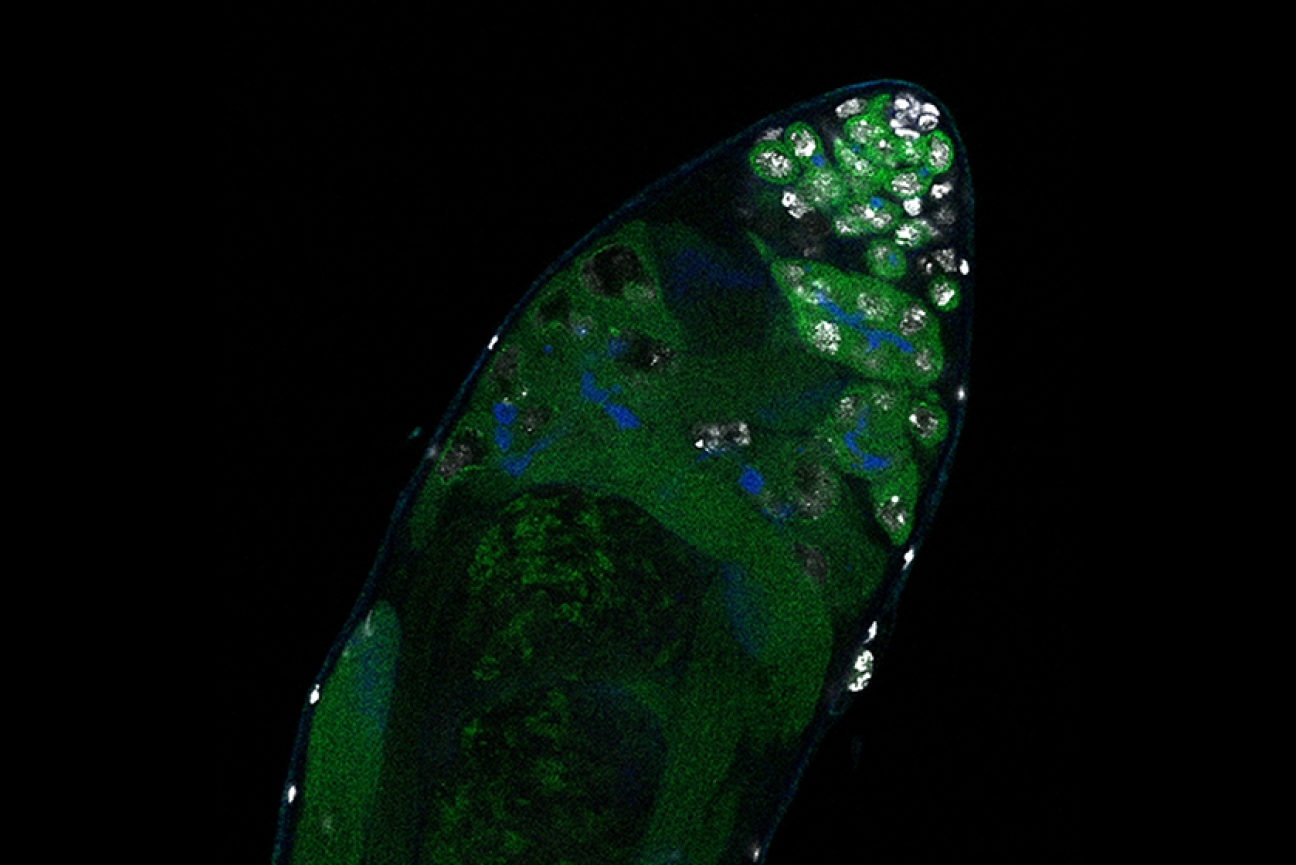
Developing sperm cells swap out histones for proteins called protamines to coil DNA tightly enough to fit inside the hydrodynamic shape ideal for the task of swimming swiftly to an egg in order to fertilize it. If the balance of protamines in the sperm is wrong, however, the sperm may become misshapen and die, making the animal infertile. Whitehead Institute Member Yukiko Yamashita and former graduate student Jun Park have discovered why this imbalance causes infertility in the fruit fly.

Greta Friar | Whitehead Institute
April 10, 2023

Sperm must swim swiftly to an egg in order to fertilize it, and so they have evolved hydrodynamic shapes. Most of the space in the head of sperm cells is taken up by the DNA they carry, so the cells coil up their DNA super tightly to stay small and streamlined. In most cell types, DNA is coiled around proteins called histones. These do not package DNA tightly enough for sperm, so when a sperm cell is developing, it swaps out histones for another type of protein called protamines that coil DNA very tightly.

Many species, including humans, mice, and flies, have multiple types of protamines. If the balance between the different types is wrong, then the sperm’s DNA may not be packaged correctly and it may become misshapen and die, making the animal infertile. Whitehead Institute Member Yukiko Yamashita and former graduate student Jun Park have discovered why this imbalance causes infertility in the fruit fly (Drosophila melanogaster). The finding, published in the Proceedings of the National Academy of Sciences on April 10, showed a mechanism that balances different types of protamines to ensure male fertility.

Mst77F is a major fruit fly protamine. Yamashita and Park determined that the fruit fly protamine Mst77Y, which is related to Mst77F, can interfere with the function of Mst77F. Fruit flies usually make a lot of Mst77F and a little of Mst77Y. The researchers found that when expression of the Mst77Y gene is too high, especially when expression of Mst77F is low, it disrupts the process of DNA packaging, leading to infertility.

How does Mst77Y interfere with Mst77F? The researchers discovered that this is because the Mst77Y gene makes faulty protamines. There are multiple copies of Mst77Y on the fly’s Y chromosome. They likely evolved from a copy of Mst77F, which is not on a sex chromosome. However, the different versions of Mst77Y have lost or altered parts that they need in order to function, so unlike the Mst77F protamine, Mst77Y protamines likely cannot coil DNA tightly around themselves. In spite of the fact that the Mst77Y protamines do not work correctly, they are dominant: when they are present, the sperm cell will use them over the functional Mst77F protamines.

“Mst77Y is a half-broken tool,” says Yamashita, who is also a professor of biology at the Massachusetts Institute of Technology and a Howard Hughes Medical Institute investigator. “It is able to take the place of the working tool, Mst77F, but not to do its job, so when too much Mst77Y is present, the sperm cell does not have enough working tools in place to compact its DNA.”

The researchers also figured out how sperm cells keep expression of Mst77F high and Mst77Y low: with the help of a protein called Modulo. In order for an RNA read from a gene to be made into a protein, it needs to have a tail added to it made up of a string of adenines—one of the four building blocks that make up RNA. Modulo makes sure that the cell preferentially adds this tail to the RNA coding for Mst77F. Although Yamashita and Park did not determine the exact mechanism by which Modulo ensures this preferential treatment, they did observe that Modulo and the Mst77F RNA group together in the same part of the cell, the nucleolus, whereas Mst77Y does not.

Altogether, these findings explain why and how fruit fly sperm cells carefully balance the levels of these two protamines. However, the research raises the question, what are sperm cells using the non-functional Mst77Y protamines for? Yamashita and Park can only speculate, but the answer may have to do with their observation that high levels of Mst77Y killed off more X-chromosome bearing sperm than Y-chromosome bearing sperm. Past research has suggested that protamines may be involved in a process called meiotic drive, which animals can use to skew the sex ratio of their offspring. This new work is not only consistent with that hypothesis, but provides a possible mechanism to explain how protamines contribute. The researchers note that they did not see a strong effect on the sex ratio of offspring in this experiment, but hope that this work could set the stage to understand the role of non-functional protamines in meiotic drive.

“At the cell level, we were able to show that there’s some basis for this protamine to be involved in biasing whether X or Y chromosome bearing sperm survive,” Park says. “An interesting next question would be to see if there are certain conditions in which this mechanism more clearly acts as a driver at the level of offspring’s sex ratio.”

Notes

Park, Jun I., George W. Bell, and Yukiko M. Yamashita. 2023. “Derepression of Y-linked multicopy protamine-like genes interferes with sperm nuclear compaction in D. melanogaster,” PNAS 120 (16). https://www.pnas.org/doi/10.1073/pnas.2220576120

Not so inactive X chromosome

Whitehead Institute Member David Page has spent his career understanding how the differences between X and Y contribute to these sex differences, but a recent project is taking his lab in a new direction: understanding how the differences between X chromosomes contribute to sex differences.

Greta Friar | Whitehead Institute
February 7, 2023

Nearly every cell in our body contains pairs of each of our chromosomes, and these pairs are identical in all but one case: that of our sex chromosomes. Males typically have one X and one Y sex chromosome, while females typically have two X chromosomes. In recent years, research has suggested that these different chromosomes can influence far more than sex determination. Gene expression from the sex chromosomes appears to contribute to sex differences in health and disease, which males and females experience in everything from the incidence of getting certain diseases, to the symptoms of diseases, to responses to drugs, and more. For example, women are more likely to develop autoimmune disorders, while men are more likely to develop heart conditions.

Whitehead Institute Member David Page has spent his career understanding how the differences between X and Y contribute to these sex differences, but a recent project is taking his lab in a new direction: understanding how the differences between X chromosomes contribute to sex differences. Although females’ pair of X chromosomes contain the same genes, they have different patterns of gene expression. New research from Page and postdoc Adrianna San Roman reveals just how different the two types of X chromosomes are. The findings, published in the journal Cell Genomics on February 8, show that one type of X chromosome, known as the inactive X chromosome, can modulate the gene expression of the other type of X chromosome, known as the active X chromosome. Their work indicates that inactive X chromosomes have underappreciated roles in gene regulation and, most likely, in sex differences in health and disease.

Difference rooted in history

Females’ two X chromosomes have different gene expression activity because of the sex chromosomes’ evolutionary history. The X and Y sex chromosomes evolved from a pair of identical non-sex chromosomes. Because of this ancestry, the sex chromosomes still contain genes that are important outside of regulating sex differences, such as genes that contribute to our immune system or regulate gene expression throughout the body. However, over time the Y chromosome shrank and lost most of its genes. Researchers think that in order to make up for the loss of necessary genes on the Y, expression of the corresponding genes on the X chromosome increased. This ensured that males still had the necessary levels of gene expression from their sex chromosomes, but now females, with two copies of X both working overtime, had levels of gene expression that were too high. To solve this problem, our bodies developed a process called X chromosome inactivation, by which the majority of genes on all but one copy of the X chromosome in each cell are silenced, or turned off. This means that everyone, male and female alike, has one copy of the X chromosome working at full strength–the active X chromosome. In males, the active X chromosome is paired with a Y chromosome, and in females, it is paired with a so-called inactive X chromosome, on which most of the genes are turned off.

In spite of the evolution of X chromosome inactivation, some percentage of genes on the inactive X chromosome are still expressed, such as genes that have an active counterpart on the Y chromosome. Previous research has indicated that about a quarter of the genes on the inactive X are, in fact, active, so researchers have long been aware that the chromosome is not completely silent. However, it’s still often painted as a passive copy playing backup for its more active partner. San Roman’s work shows that the inactive X chromosome’s gene expression is much more potent and complex than that.

A spectrum of sex chromosomes

In order to understand the inactive X chromosome’s contributions to gene expression, San Roman and colleagues in the Page lab collected blood and skin samples from people born with unusual combinations of sex chromosomes—everything from X0 (one X chromosome) to XXXXY. People with these different sets of chromosomes often have health issues; for example, X0 females have Turner syndrome, which can cause heart defects, hearing impairment, and more; and XXY males have Klinefelter syndrome, which can cause infertility, weak muscles, and more. Page and San Roman hope their research could provide useful insights into these health issues as well as into sex differences between XY males and XX females.

In people with more than one X chromosome, every X but one is an inactive X. The researchers graphed sex chromosome gene expression, measuring the change in expression level of each gene with the addition of each inactive X, for people with anything from zero to three inactive X chromosomes, as well as different numbers of Y chromosomes. They also looked at the relative contribution to overall expression from the active versus inactive X chromosomes. One might expect the graphs they made to be relatively straightforward: for genes that are turned off on the inactive X chromosome, the gene expression level would not change at all as the number of copies of the inactive X increased. For genes that are turned on, the gene expression level would double with two X chromosomes, triple with three X chromosomes, and so on. When the researchers looked at chromosomes other than X with extra copies—namely, Y and chromosome 21—this is essentially the pattern they observed. Gene expression from additional X chromosomes, however, was not so straightforward.

Each additional inactive X chromosome changes gene expression by the same amount. However, the researchers found a surprising diversity in expression levels across X chromosome genes. The presence of each additional inactive X might increase one gene’s expression by 20 percent and another’s by 70 percent. Then the results grew more surprising: for some genes, the addition of an inactive X decreased their expression. For some genes that are only expressed on the active X chromosome, and completely silent on the inactive X, additional inactive X chromosomes nonetheless changed their expression level.

These discrepancies led the researchers to a startling finding. The X chromosomes do not function independently of each other. Instead, the inactive X chromosome can modulate expression of genes on the active X chromosome. In other words, some genes on the inactive X chromosome regulate genes on the active X chromosome, dialing their expression up or down. Altogether, the researchers found that 38% of the X chromosome genes in the two cell types that they tested are affected by the presence of inactive X chromosomes, either because the genes are expressed on the inactive X, or because the inactive X regulates their expression on the active X, or through some combination of the two mechanisms.

These findings show that the inactive X plays a much more active role in gene expression and regulation than was previously appreciated. Rather than just playing second fiddle to the active X chromosome, the inactive X is sometimes harmonizing with and sometimes even conducting its partner.

Rethinking the role of the inactive X in health and disease

Page and San Roman hope that their findings will help refocus research into sex differences. Previous research into the mechanisms behind these differences has focused on the effects of having X versus Y chromosomes. Page and San Roman’s work show that researchers also need to consider how the presence (in females) or absence (in males) of an inactive X chromosome contributes to sex differences.

“Everybody on the planet carries one active X chromosome, so that first X chromosome really does not contribute, we think, to differences between males and females,” says Page, who is also a professor of biology at the Massachusetts Institute of Technology and Investigator with the Howard Hughes Medical Institute. “If we transition from saying that females are XX and males are XY, to saying that females are Xi [have an inactive X] and males are Y, that really focuses the question.”

Page lab researchers have already begun using their findings to identify X chromosome genes that are likely to be important for sex differences in health and disease. From their list of genes that change in expression based on the presence of an inactive X, the researchers narrowed in on a top ten list of genes that need to maintain a specific expression level or else there will be severe negative consequences. These genes are also likely to be responsible for causing the health issues associated with different atypical sex chromosome compositions, because changes in their expression level are most likely to have strong effects on cells.

“This is a new way of thinking about how the X chromosome is expressed and how it might be impacting our biology,” San Roman says. “This top ten list will be really interesting to consider in the future in terms of how the level of expression of these genes affects cells and tissues in very fundamental ways.”

Notes

Citation:

Adrianna K. San Roman, Alexander K. Godfrey, Helen Skaletsky, Daniel W. Bellott, Abigail F. Groff, Hannah L. Harris, Laura V. Blanton, Jennifer F. Hughes, Laura Brown, Sidaly Phou, Ashley Buscetta, Paul Kruszka, Nicole Banks, Amalia Dutra, Evgenia Pak, Patricia C. Lasutschinkow, Colleen Keen, Shanlee M. Davis, Nicole R. Tartaglia, Carole Samango-Sprouse, Maximilian Muenke, and David C. Page. (2023). The human inactive X chromosome modulates expression of the active X chromosome. Cell Genomics. https://doi.org/10.1016/j.xgen.2023.100259

Daniel Lew

Education

  • Graduate: PhD, 1990, Rockefeller University
  • Undergraduate: BA, 1984, Genetics, Cambridge University

Research Summary

Different cells take on an astonishing variety of shapes, which are often critical to be able to perform specialized cell functions like absorbing nutrients or contracting muscles. We study how different cell shapes arise and how cells control the spatial distribution of their internal constituents. We take advantage of the tractability of fungal model systems, and address these questions using approaches from cell biology, genetics, and computational biology to understand molecular mechanisms. 

Honors and Awards

  • Fellow, American Academy of Microbiology, 2008
  • Fellow, American Association for the Advancement of Science, 2010
  • Duke Equity, Diversity, and Inclusion Award, 2019