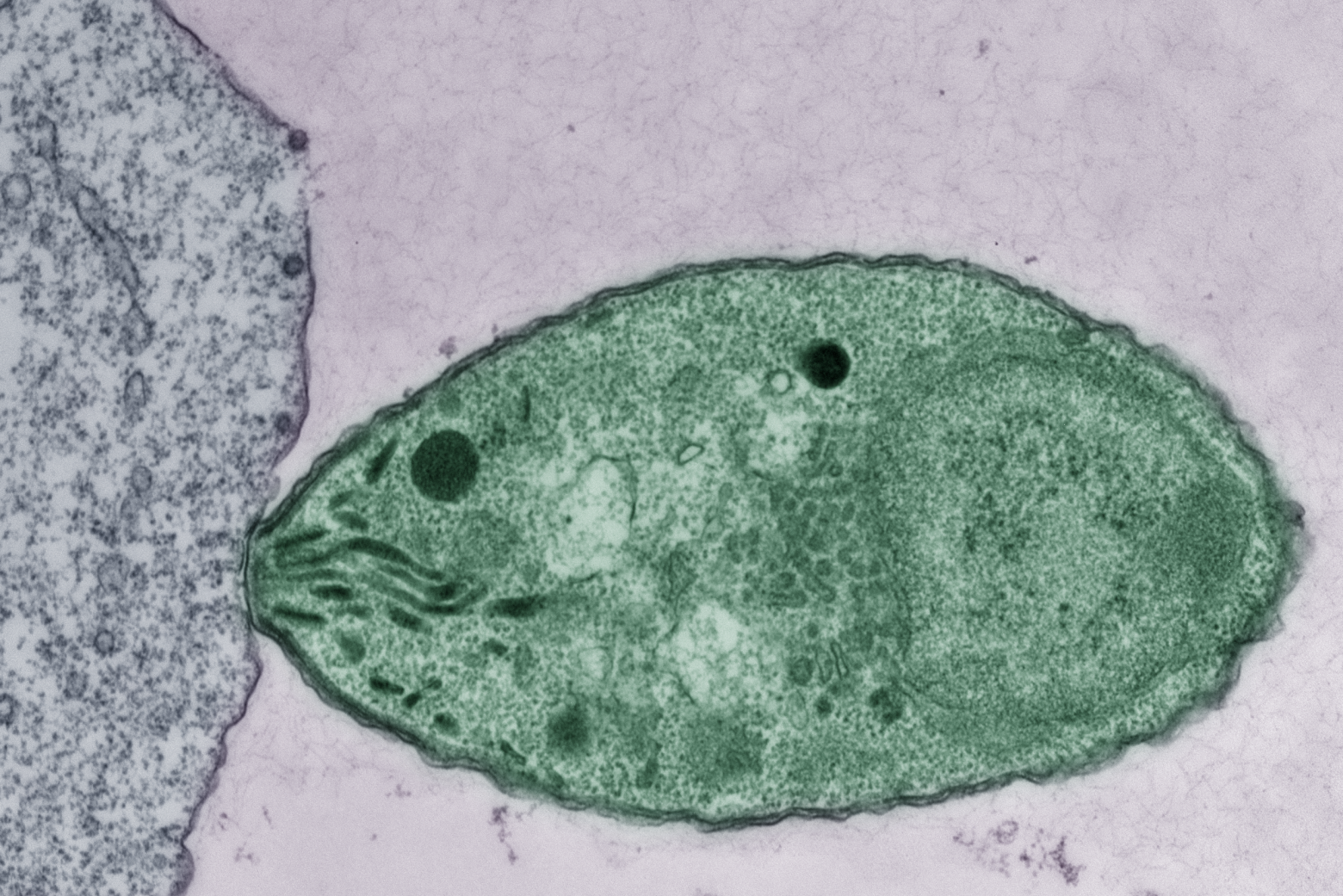
Apicomplexan parasites are responsible for several serious and prevalent diseases, including malaria & toxoplasmosis. New work from the Lourido Lab identifies the CLAMP protein complex, which plays a key role in helping apicomplexan parasites invade new cells.
Greta Friar | Whitehead Institute
October 27, 2023
October 26, 2023
The Pew Charitable Trusts’ 2023 class of Innovation Fund investigators—12 accomplished scientists with expertise in cancer biology, neuroscience, immunology, and more—are pairing up to explore challenges in human health and medicine.
October 24, 2023
Small molecule drugs, such as those used for cancer treatment, tend to concentrate in specific regions of the cell, and can bind to things besides their intended target. These collective, weak interactions may detain a significant percentage of drug molecules. New research from the Young lab trained a machine learning model to predict where a drug will concentrate based on its chemical features, which may be relevant to understanding many cellular processes and to the design of safe and effective drugs.