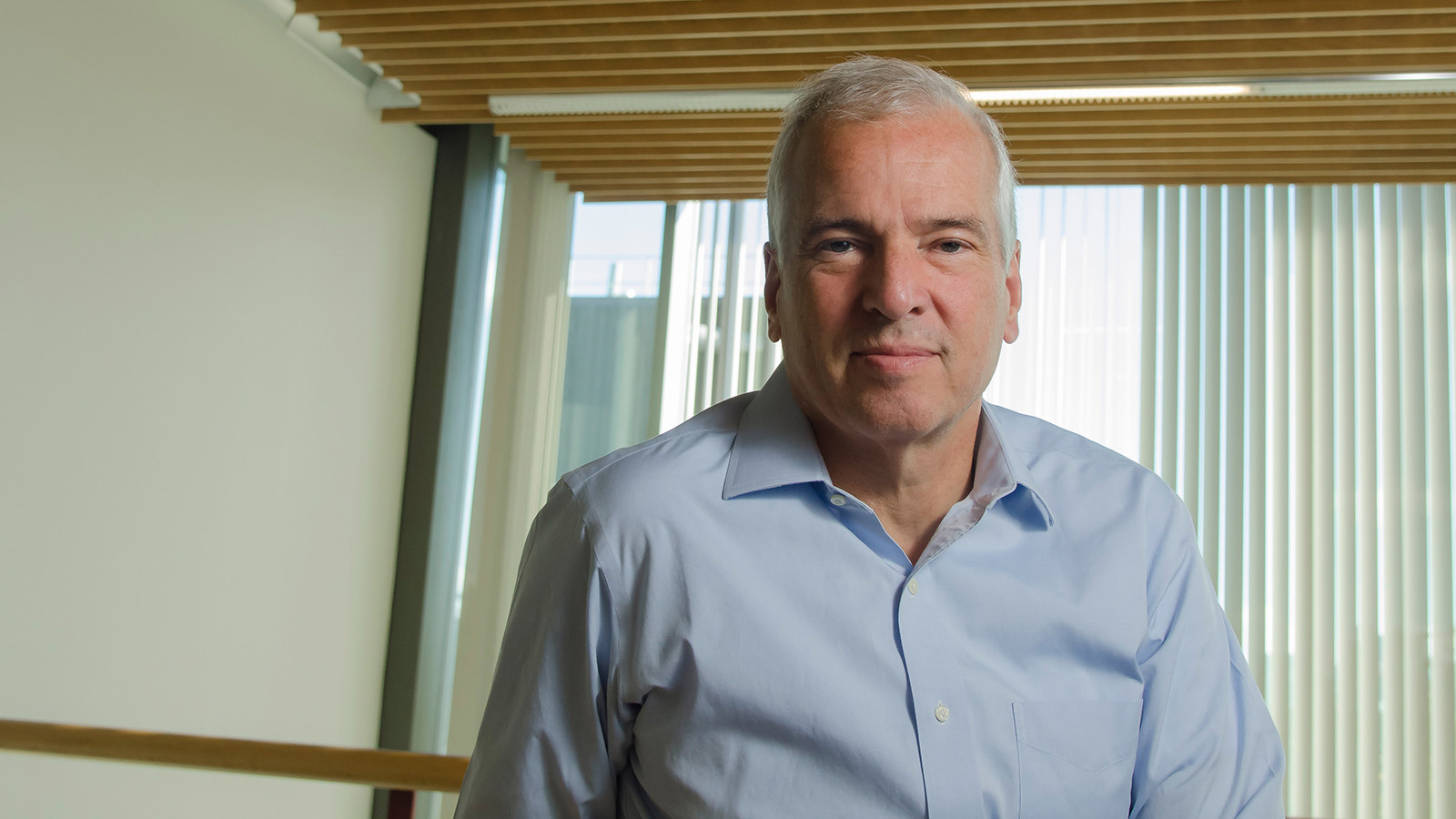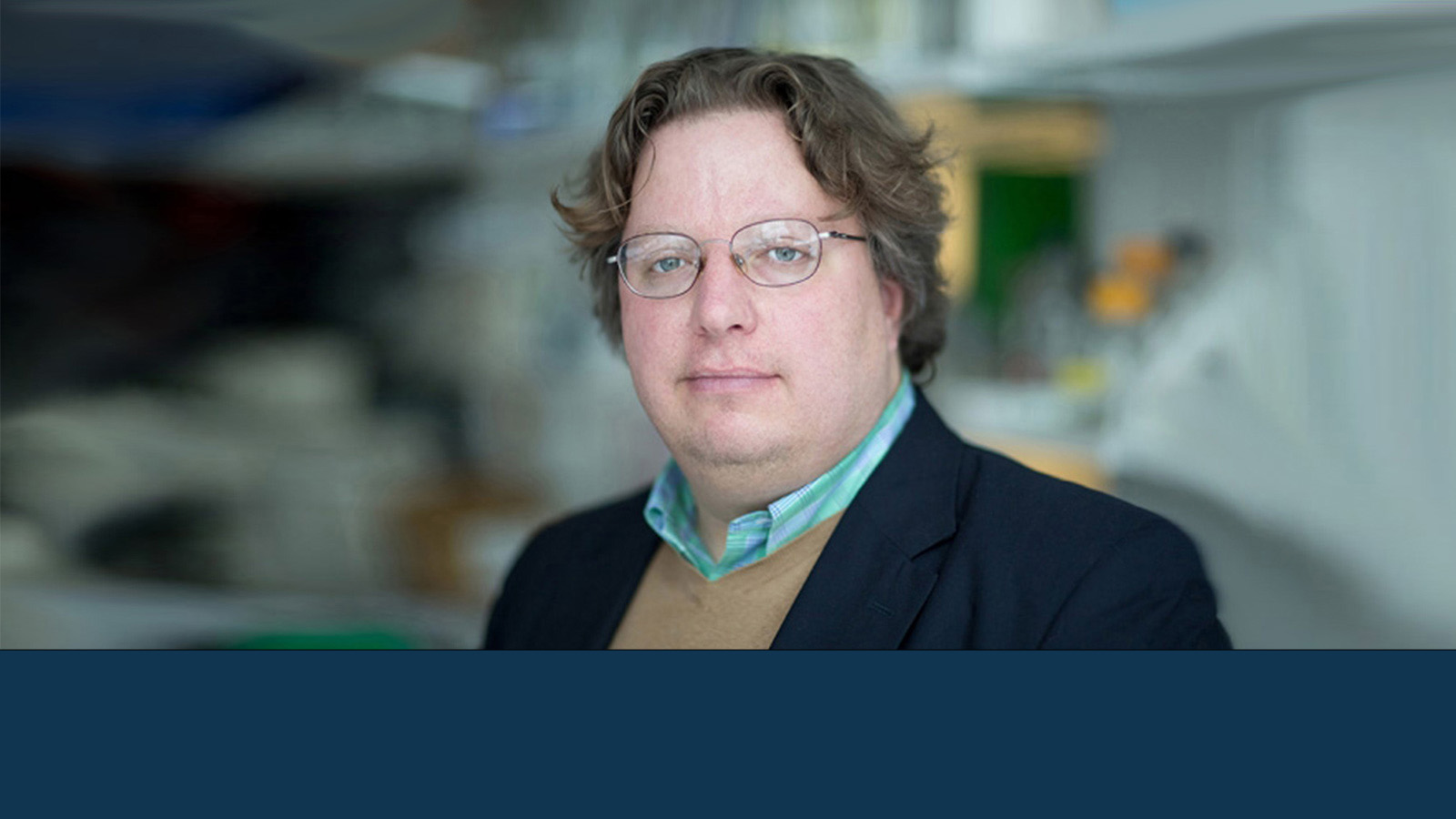
Michael T. Laub

Education

  • PhD, 2002, Stanford University
  • BS, 1997, Molecular Biology, University of California, San Diego

Research Summary

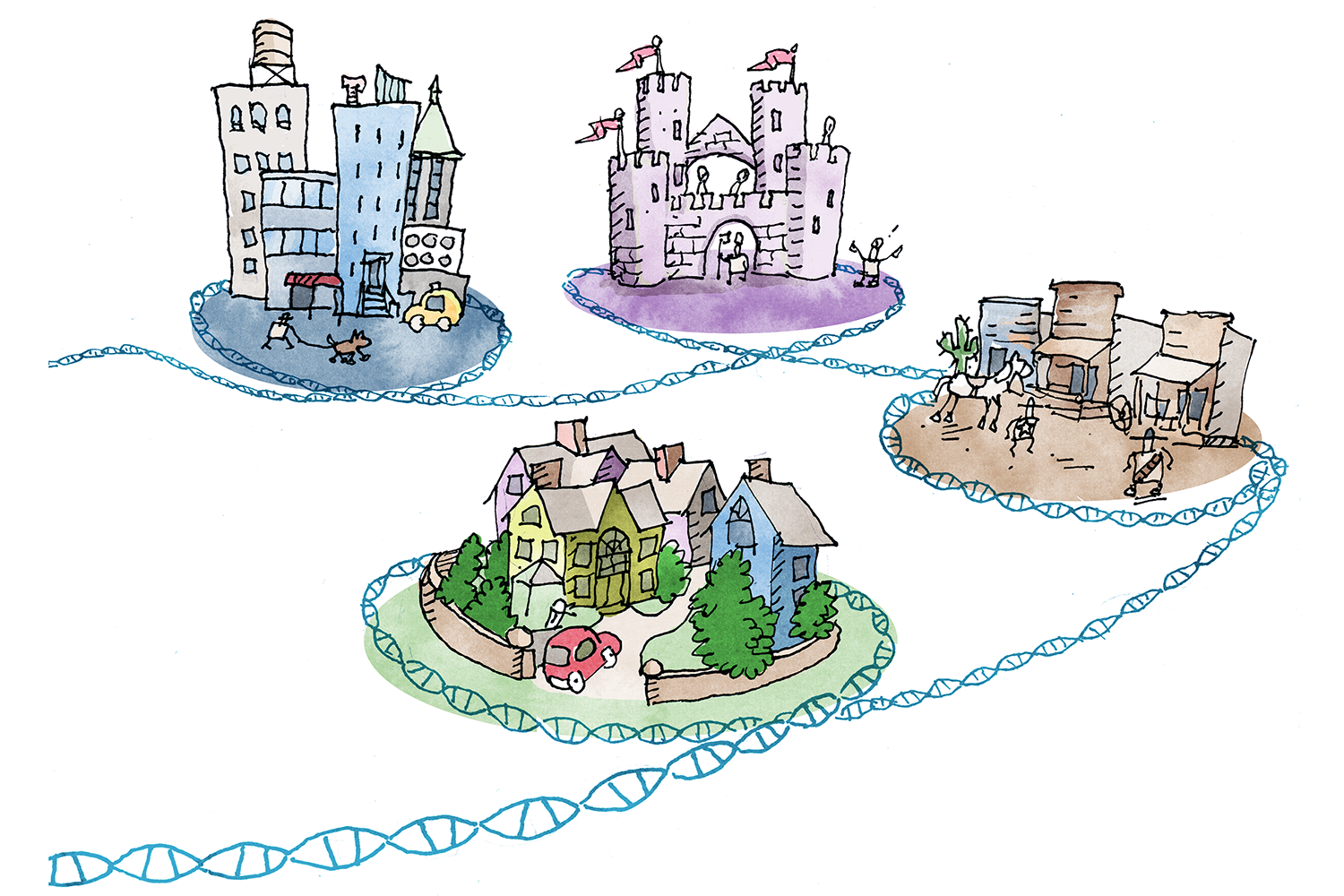
We study the biological mechanisms and evolution of how cells process information to regulate their own growth and proliferation. Using bacteria as a model organism, we aim to elucidate the detailed molecular basis for this remarkable regulatory capability, and understand the selective pressures and mechanisms that drive the evolution of signaling pathways. Our work is rooted in a desire to develop a deeper, fundamental understanding of how cells function and evolve, but it also has important medical implications since many signaling pathways in pathogenic bacteria are needed for virulence.

Awards

  • Howard Hughes Medical Institute, HHMI Investigator, 2015
  • National Science Foundation, Presidential Early Career Award for Scientists and Engineers, 2010
  • Howard Hughes Medical Institute, Early Career Scientist, 2009
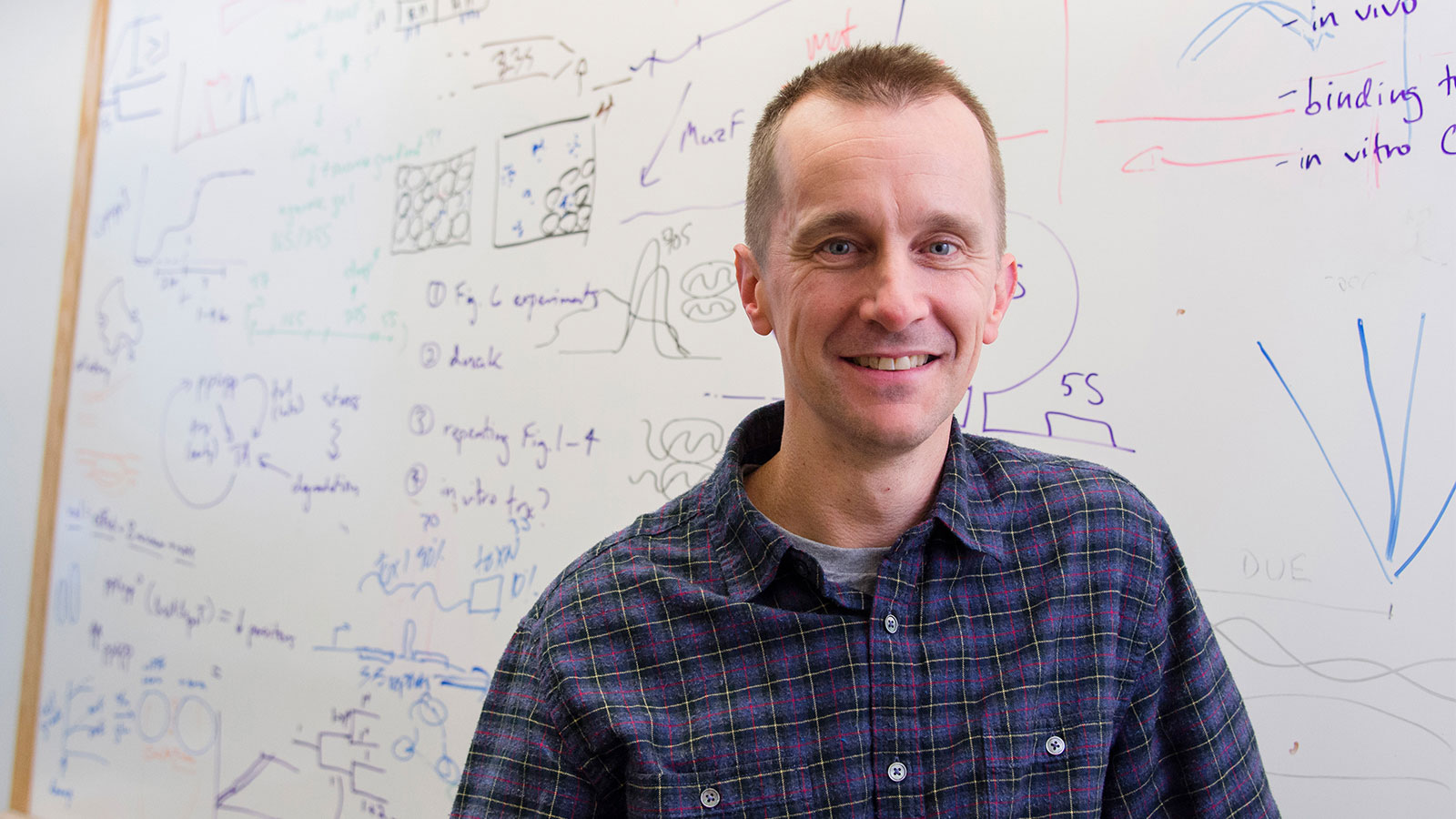
Graham C. Walker

Education

  • PhD, 1974, University of Illinois
  • BS, 1970, Chemistry, Carleton University

Research Summary

Our research is concentrated in two major areas. First, we aim to understand how the proteins involved in DNA repair, mutagenesis and other cellular responses to DNA damage are regulated. Some of our discoveries have the potential to improve chemotherapy. Second, we probe how nitrogen-fixing nodules develop on legumes, and the relationship between rhizobial functions required for nodule invasion/infection and mammalian pathogenesis.

Awards

  • Revolutionizing Innovative, Visionary Environmental health Research (RIVER), R35 Outstanding Investigator Award, 2017
  • National Academy of Sciences, Member, 2013
  • Howard Hughes Medical Institute, HHMI Professor, 2010
  • University of Guelph, Doctor of Science, honoris causa, 2010
  • American Association for the Advancement of Science, Fellow, 2008
  • Environmental Mutagen Society, EMS Award, 2006
  • American Academy of Arts and Sciences, Fellow, 2004
  • American Cancer Society, Research Professor, 2002
  • Howard Hughes Medical Institute, HHMI Professor, 2002
  • Charles Ross Scholar, 2000-2003
  • American Academy of Microbiology, Fellow, 1994
  • Margaret MacVicar Faculty Fellow, 1992-2002
  • John Simon Guggenheim Memorial Foundation, Guggenheim Fellowship, 1984
  • Massachusetts Institute of Technology, MacVicar Faulty Fellow, 1984
  • Rita Allen Foundation, Career Development Award, 1978
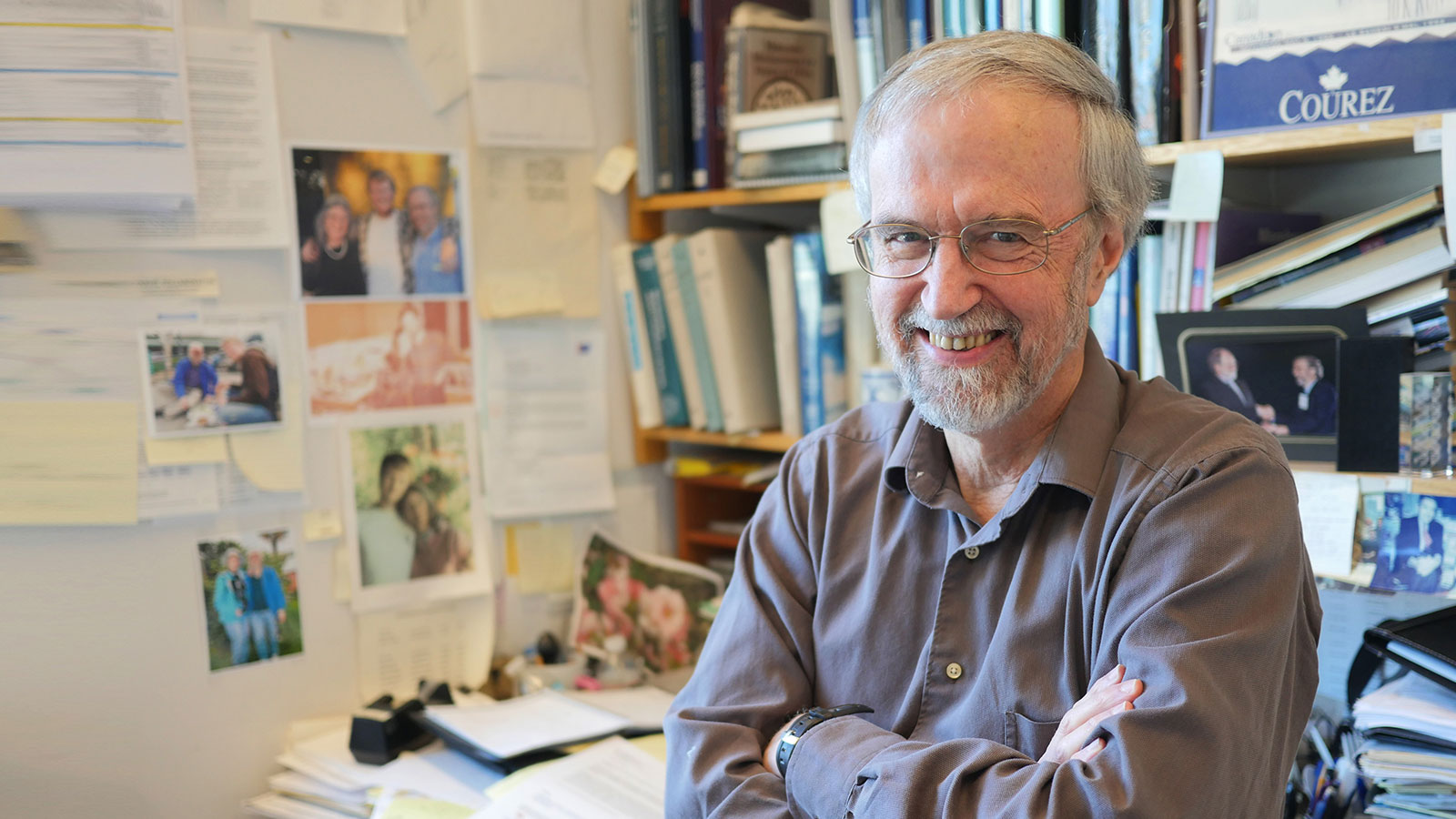
H. Robert Horvitz

Education

  • PhD, 1974, Harvard University
  • BS, 1968, Mathematics and Economics, MIT

Research Summary

Our lab examines how genes control animal development and behavior. We use the experimentally tractable nematode Caenorhabditis elegans to identify and analyze molecular and cellular pathways involved in these important areas of biology. Ultimately, we hope to clarify these fundamental biological mechanisms and provide further insight into human disease.

Awards

  • U.S. National Academy of Inventors, Member, 2015
  • American Association for Cancer Research Academy, Fellow, 2013
  • Royal Society of London, Foreign Member, 2009
  • Genetics Society (U.K.), Mendel Medal, 2007
  • Eli Lilly Lecturer Award, 2007
  • Massachusetts Institute of Technology, James R Killian Jr Faculty Achievement Award, 2006
  • National Academy of Medicine, Member, 2003
  • American Cancer Society, Medal of Honor, 2002
  • The Nobel Foundation, Nobel Prize in Physiology or Medicine, 2002
  • Bristol-Myers Squibb, Award for Distinguished Achievement in Neuroscience, 2001
  • March of Dimes, Developmental Biology, 2000
  • Gairdner Foundation, Gairdner Foundation International Award, 1999
  • National Academy of Sciences, Member, 1991
  • American Academy of Arts and Sciences, Fellow, 1989
  • American Association for the Advancement of Science, Fellow, 1989
  • Howard Hughes Medical Institute, HHMI Investigator, 1988
Peter Reddien

Education

  • PhD, 2002, MIT
  • SB, 1996, Molecular Biology, University of Texas at Austin

Research Summary

We investigate how stem cells are regulated to regenerate missing tissues. We study the cellular events involved in this process and the attendant roles for regulatory genes that control regeneration steps. We utilize an array of methodologies, including high-throughput sequencing, RNA interference (RNAi) screening, and numerous assays and tools for phenotypic analysis to characterize regeneration regulatory genes.

Awards

  • Howard Hughes Medical Institute, HHMI Investigator, 2013
David C. Page

Education

  • MD, 1984, Harvard Medical School
  • BS, 1978, Chemistry, Swarthmore College

Research Summary

We seek to understand the genetic differences between males and females — both within and beyond the reproductive tract. We study the medical ramifications of these differences in a broad context, through comparative biological, evolutionary, developmental and clinically focused analyses. Our three main veins of research relate to sex differences in health and disease, sex chromosome genomics, and germ cell origins and development.

Awards

  • American Academy of Arts and Sciences, Fellow, 2012
  • March of Dimes, Developmental Biology, 2011
  • National Academy of Medicine, Member, 2008
  • National Academy of Sciences, Member, 2005
  • Howard Hughes Medical Institute, HHMI Investigator, 1990
  • MacArthur Foundation, MacArthur Fellowship, 1986
David Bartel

Education

  • PhD, 1993, Harvard University
  • BA, 1982, Biology, Goshen College

Research Summary

We study microRNAs and other small RNAs that specify the destruction and/or translational repression of mRNAs. We also study mRNAs, focusing on their untranslated regions and poly(A) tails, and how these regions recruit and mediate regulatory phenomena.

Awards

  • National Academy of Sciences, Member, 2011
  • Howard Hughes Medical Institute, HHMI Investigator, 2005
  • National Academy of Sciences Award in Molecular Biology, 2005
  • AAAS Newcomb Cleveland Prize, 2002
David Housman

Education

  • PhD, 1971, Brandeis University
  • BS, 1966, Biology, Brandeis University

Research Summary

We use genetic approaches to identify the molecular basis of human disease pathology. More specifically, we develop strategies to combat three major disease areas: cancer, trinucleotide repeat disorders like Huntington’s disease, and cardiovascular disease.

Awards

  • National Academy of Medicine, Member, 1997
  • National Academy of Sciences, Member, 1994
Leonard P. Guarente

Education

  • PhD, 1978, Harvard University
  • SB, 1974, Biology, MIT

Research Summary

We combine comprehensive bioinformatics analyses with functional analyses of pathways and genes to study aging in humans and mice. We apply these approaches to identify the major pathways and genes involved in the aging of certain brain regions. We are also studying muscular dystrophy and muscle loss with aging. Ultimately, our findings may guide studies in other organs and lead to a systemic understanding of mammalian aging.

Awards

  • Miami Winter Symposium, Feodor Lynen Award, 2012
  • University of Toronto, Charles H. Best Lectureship and Award, 2011
  • Dart/NYU Biotechnology, Achievement Award, 2009
  • French Academie des Sciences, Elected, 2009
  • American Academy of Arts and Sciences, Fellow, 2004
Tyler Jacks

Education

  • PhD, 1988, University of California, San Francisco
  • SB, 1983, Biology, Harvard University

Research Summary

Dr. Jacks’ research has focused on developing new methods for the construction and characterization of genetically engineered mouse models or GEMMs of human cancer, and recently has moved into the burgeoning area of tumor immunology to understand the interactions between the immune system and cancer.  His group has produced GEMMs with constitutive and conditional mutations in several tumor suppressor genes, oncogenes, and genes involved in oxidative stress, DNA repair and epigenetic control of gene expression. These GEMMS have been used to examine the mechanism of tumor initiation and progression, to uncover the molecular, genetic and biochemical relationship to the human diseases, as tools to study response and resistance to chemotherapy, and to explore methods in molecular imaging and early detection of cancer.

Awards

  • AACR Princess Takamatsu Memorial Lectureship, 2020
  • Massachusetts Institute of Technology, James R Killian Jr Faculty Achievement Award, 2015
  • Sergio Lombroso Award in Cancer Research, 2015
  • American Academy of Arts and Sciences, Fellow, 2012
  • National Academy of Sciences, Member, 2009
  • Institute of Medicine of the National Academies, Member, 2009
  • Paul Marks Prize for Cancer Research, 2005
  • Howard Hughes Medical Institute, HHMI Investigator, 1994
Gerald R. Fink

Education

  • PhD, 1965, Yale University
  • BA, 1962, Biology, Amherst College

Research Summary

We study the molecules that allow fungi to penetrate tissues and grow in a hostile environment. Using genetics, biochemistry and genomics, we answer questions such as:  What makes Candida albicans such a successful pathogen?  How do fungal pathogens evolve antibiotic resistance? How do they manage to change their genetic composition so rapidly?

The Fink lab is no longer accepting students.

Awards

  • Thomas Hunt Morgan Medal, Genetics Society of America, 2020
  • James R. Killian Jr. Faculty Achievement Award, 2018
  • American Association for the Advancement of Science, Fellow, 2015
  • Gruber International Prize in Genetics, 2010
  • American Philosophical Society, 2003
  • Yeast Genetics and Molecular Biology – Lifetime Achievement Award, 2002
  • George W. Beadle Award, Genetics Society of America, 2001
  • Ellison Medical Foundation, Senior Scholar Award, 2001
  • National Academy of Medicine, 1996
  • Wilbur Lucius Cross Medal, Yale University, 1992
  • Emil Christian Hansen Foundation Award for Microbiology, Denmark, 1986
  • American Academy of Arts and Sciences, Fellow, 1984
  • Yale Science and Engineering Award, 1984
  • National Academy of Sciences, Member, 1981
  • National Academy of Sciences Award in Molecular Biology, 1981
  • John Simon Guggenheim Memorial Foundation, Guggenheim Fellowship, 1974