The untidy experiment that catalyzed recombinant DNA technology

Salvador Luria is known for his research on phage genetics, but his lab’s contribution to the discovery of restriction enzymes also sparked important technological advances.

Saima Sidik
December 15, 2020

In the early 1950s, a woman named Mary Human found the first evidence of a group of proteins called restriction enzymes — a discovery that would reverberate throughout the research community for decades. But many important discoveries, from penicillin to medical X-rays, are inspired by a messy fluke rather than carefully reasoned logic, and Human’s discovery was no different.

Fortunately, Human’s boss was a jovial scientist named Salvador Luria, who appreciated that life’s quirks often yield the most valuable results — so much so that he wrote a 1955 Scientific American article in which he praised Human’s approach. “It often pays to do somewhat untidy experiments, provided one is aware of the element of untidiness,” he wrote.

Indeed, Luria’s life was far from being a tidy package. This Italian native fled Europe to escape Nazis, was briefly blacklisted by the NIH presumably because of his vocal opposition to American foreign policy, and suffered from depression despite his outwardly cheery appearance. But Luria’s life was also extraordinary. He earned a medical degree in Torino, Italy, but decided he preferred performing research over practicing medicine. After leaving Europe in the 1940s to escape the persecution of Jews like himself, he held professorships at three American institutions, including MIT. He was known as an insightful scientist, a kind colleague, and a thoughtful mentor, right up until his death in 1991.

A Surprising Observation in the Midwest

For much of his career, Luria applied his keen insight to phages — viruses that invade and kill bacteria. He and two collaborators won the Nobel Prize after realizing that genetic mutations in bacteria can protect them from deadly phages. But the untidy experiment Luria referred to in his Scientific American article related to a lesser-known aspect of his lab’s phage work: restriction enzymes, which cut DNA at specific places. Luria was the first person to find evidence of these critical tools, which opened a whole new field of genetic manipulation. A cascade of research spanning two decades eventually led a scientist supervised by Luria’s former research associate to win a Nobel prize for characterizing these enzymes, which catalyzed modern molecular biology.

The restriction enzyme story starts in the late 1940s, when Luria was a professor at Indiana University. He noticed that a phage called T2 didn’t seem to grow inside and kill certain mutant strains of Escherichia coli. T2 always killed the first batch of mutant E. coli, but when he tested whether a new batch of the same type of bacteria would catch the virus from the dead bacteria, the new batch didn’t succumb to the virus.

In 1950, Luria moved to the University of Illinois, Urbana, where one of his employees, a woman named Mary Human, continued to work on the T2 mystery. One day, in the midst of an experiment, Human realized she’d run out of the strain of E. coli she usually used, and this is where the experiment got a little untidy. Instead of waiting to do the experiment on another day with a healthy batch of E. coli, Human mixed phage-killed E. coli with a different type of bacteria called Shigella. T2 always seemed to act the same in Shigella as it did in E. coli, so she didn’t expect the switch to matter. But the next morning, the Shigella were dead! It seemed that T2 could only reproduce once in the particular mutant strain of E. coli that Human was studying, but when she moved T2 from these mutant E. coli to Shigella, it restored the virus’ ability to reproduce. Human and Luria concluded that something about the mutant E. coli changed the T2, and limited the kinds of bacteria in which it could grow.

At the time, Human and Luria couldn’t explain what was happening to T2 in these mutant bacteria. Luria went about his career, still carrying this mystery with him.

An explanation in Cambridge, Massachusetts

In 1958, Luria came to MIT Biology for a sabbatical. The structure of DNA had been discovered just five years earlier, and MIT needed someone who understood its implications to usher the Institute into the genomics era. Luria was renowned for his ability to predict which direction biology would move, so the Institute wanted him to fill this role. At the end of his sabbatical, Luria accepted a permanent position in MIT Biology, where he stayed for the rest of his career.

“I asked Luria if he thought it was possible to do molecular biology with animal viruses, and he said, ‘I don’t know, why don’t you find out and tell me?’” Baltimore says.In addition to being a skilled scientist, Luria was a thoughtful mentor. David Baltimore, professor at the California Institute of Technology, was one of Luria’s early mentees at MIT. At the time, most research into viruses focused on the phages that Luria studied, but Baltimore wanted to break new ground by studying viruses that infect animals. He credits Luria for encouraging him to go down this path — one that led him to become a Nobel Laureate himself.

In addition to being a skilled scientist, Luria was deeply opposed to McCarthyism and the Vietnam War, and he devoted a lot of time to political activism like writing letters, to newspaper editors as well as to other scientists, trying to gather support for his views.

Fortunately, Luria had a deputy to help him run his lab while he was revamping MIT Biology and trying to stop the war. “If you wanted to know something on a daily basis, you went to Helen Revel,” recalls Costa Georgopoulos, a professor at the University of Utah who earned his PhD in Luria’s lab in the 1960s.

Revel earned her PhD with MIT Biology’s Boris Magasanik before becoming Luria’s research associate. “Those days, women were not readily made professors, so she worked on Luria’s grants,” Georgopoulos says.

Georgopoulos describes Revel as reserved and meticulous. She didn’t advertise her skill as a scientist; she just got to work. With this attitude, she led the scientists who figured out the mystery of the mutant bacteria that changed the T2 phage.

Since Human’s fortuitously messy experiment, a lineage of phage researchers that originated in Luria’s lab had learned a lot about how bacteria and phages interact. First, Luria’s former research associate, Guiseppe Bertani, showed that phages other than T2 also behave differently in different types of bacteria. Later, Bertani’s own research associate, Werner Arber, went on to discover that bacteria can mark the DNA of phages that replicate within them. When marked phages try to enter new bacteria, the marks can signal that the phages are foreign invaders, allowing the new bacteria to kill the phages. Arber and two of his colleagues, Daniel Nathans and Hamilton O. Smith, eventually won their own Nobel prize for their work on restriction enzymes.

Certain bacteria mark phage DNA by replacing one of the bases that make up the genetic code, called cytosine, with a modified version called 5-hydroxymethylcytosine. Revel, with help from Luria, Georgopoulos, and others, found that the T2 phage takes this system one step farther by using a bacterial enzyme to attach sugars to modified cytosines. Some mutant bacteria are unable to transfer sugars to phage cytosines, and so the phages grown in these bacteria come out “sour” instead of “sweet,” as Luria wrote. Restriction enzymes recognize these sweet-natured phages as foreign, and destroy them.

As researchers learned more about restriction enzymes, they realized that they can work in all sorts of ways. Bacteria can also mark their own DNA to prevent restriction enzymes from cutting it, allowing certain kinds of restriction enzymes to cut naked DNA sequences in the genomes of invading phages. Soon, biologists realized that restriction enzymes would let them cut any kind of DNA, not just phage genomes. This discovery had many consequences, one of which was that scientists could paste snipped DNA back together in new combinations. Many people were initially wary that combining DNA from different organisms could have unintended consequences. But by the 1980s, scientists had harnessed restriction enzymes for a whole host of safe purposes, and technologies centered around these enzymes continue to evolve.

Today, after decades of work, scientists have used restriction enzymes to study genetic variations in humans, find sequences that cause disease, identify relationships between people, and solve crimes. Scientists have used restriction enzymes to make proteins glow like jellyfish, to study the structure of DNA, and to make bacteria produce insulin.

T2 phages and their relationship to restriction enzymes are just one area of biology where Luria and his lab made profound contributions. Among his biggest achievements was recruiting and employing many forward-thinking scientists who built MIT Biology into the department it is today. In fact, as the first director of the Center for Cancer Research, Luria recruited Phillip Sharp, who would go on to win a Nobel Prize for discovering RNA splicing. Sharp joined a center that already included David Baltimore, as well as current MIT Biology professors Nancy Hopkins and Robert Weinberg, all of whom have made huge contributions to cancer research.

Scientists had just begun to elucidate the link between genetics, viruses, and cancer in the early 1970s, but Baltimore says that Luria was often the first person to jump on new applications for the techniques and thinking underlying molecular biology.

“Luria’s genius was understanding where biology was going,” says Baltimore. “At every stage, he was wondering what the next step would be.” But even geniuses need a messy fluke like Human’s now and then.

Explained: Why RNA vaccines for Covid-19 raced to the front of the pack

Many years of research have enabled scientists to quickly synthesize RNA vaccines and deliver them inside cells.

Anne Trafton | MIT News Office
December 11, 2020

Developing and testing a new vaccine typically takes at least 12 to 18 months. However, just over 10 months after the genetic sequence of the SARS-CoV-2 virus was published, two pharmaceutical companies applied for FDA emergency use authorization of vaccines that appear to be highly effective against the virus.

Both vaccines are made from messenger RNA, the molecule that cells naturally use to carry DNA’s instructions to cells’ protein-building machinery. A vaccine based on mRNA has never been approved by the FDA before. However, many years of research have gone into RNA vaccines, which is one reason why scientists were able to start testing such vaccines against Covid-19 so quickly. Once the viral sequences were revealed in January, it took just days for pharmaceutical companies Moderna and Pfizer, along with its German partner BioNTech, to generate mRNA vaccine candidates.

“What’s particularly unique to mRNA is the ability to rapidly generate vaccines against new diseases. That I think is one of the most exciting stories behind this technology,” says Daniel Anderson, a professor of chemical engineering at MIT and a member of MIT’s Koch Institute for Integrative Cancer Research and Institute for Medical Engineering and Science.

Most traditional vaccines consist of either killed or weakened forms of a virus or bacterium. These provoke an immune response that allows the body to fight off the actual pathogen later on.

Instead of delivering a virus or a viral protein, RNA vaccines deliver genetic information that allows the body’s own cells to produce a viral protein. Synthetic mRNA that encodes a viral protein can borrow this machinery to produce many copies of the protein. These proteins stimulate the immune system to mount a response, without posing any risk of infection.

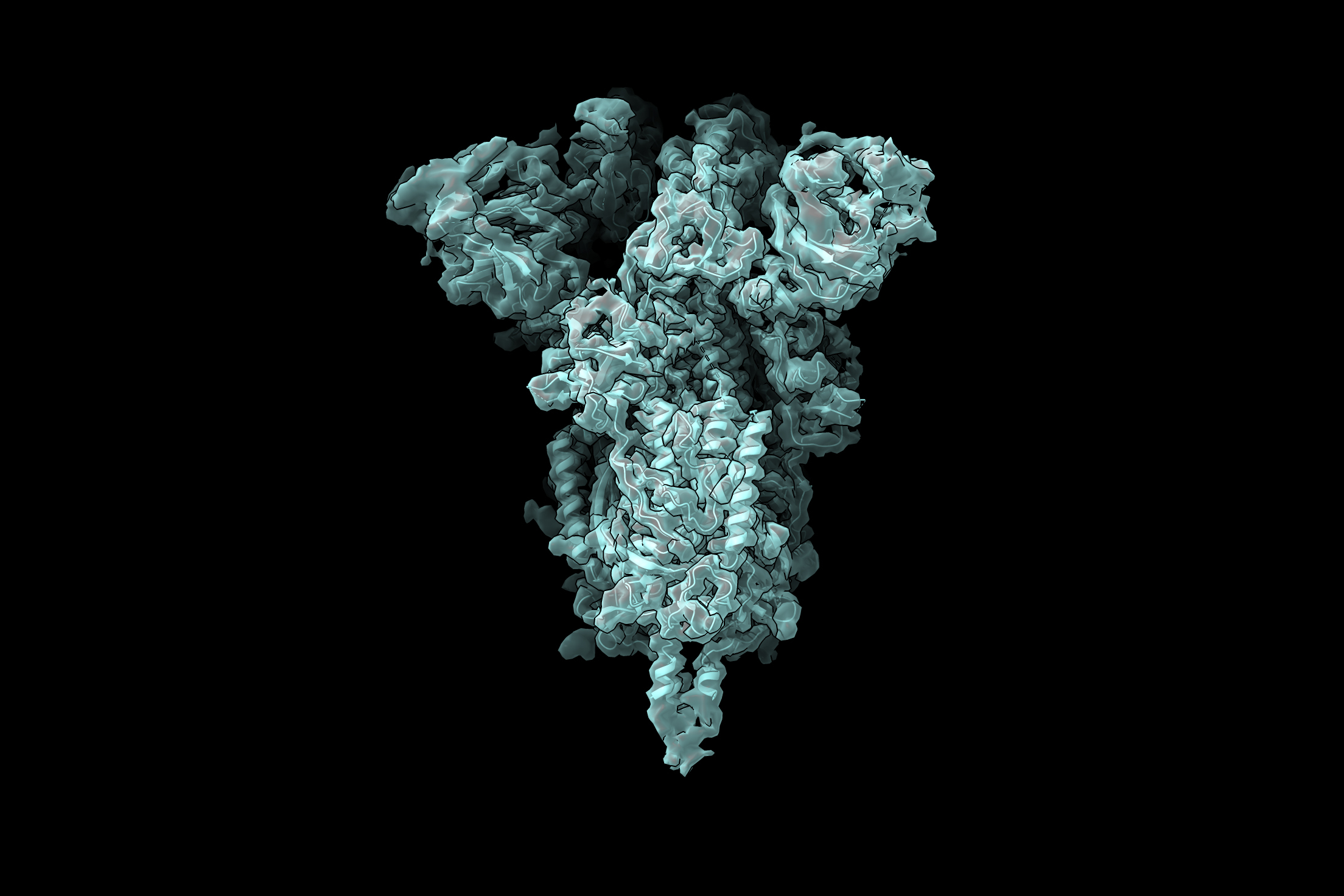
A key advantage of mRNA is that it is very easy to synthesize once researchers know the sequence of the viral protein they want to target. Most vaccines for SARS-CoV-2 provoke an immune response that targets the coronavirus spike protein, which is found on the surface of the virus and gives the virus its characteristic spiky shape. Messenger RNA vaccines encode segments of the spike protein, and those mRNA sequences are much easier to generate in the lab than the spike protein itself.

“With traditional vaccines, you have to do a lot of development. You need a big factory to make the protein, or the virus, and it takes a long time to grow them,” says Robert Langer, the David H. Koch Institute Professor at MIT, a member of the Koch Institute, and one of the founders of Moderna. “The beauty of mRNA is that you don’t need that. If you inject nanoencapsulated mRNA into a person, it goes into the cells, and then the body is your factory. The body takes care of everything else from there.”

Langer has spent decades developing novel ways to deliver medicines, including therapeutic nucleic acids such as RNA and DNA. In the 1970s, he published the first study showing that it was possible to encapsulate nucleic acids, as well as other large molecules, in tiny particles and deliver them into the body. (Work by MIT Institute Professor Phillip Sharp and others on RNA splicing, which also laid groundwork for today’s mRNA vaccines, began in the ’70s as well.)

“It was very controversial at the time,” Langer recalls. “Everybody told us it was impossible, and my first nine grants were rejected. I spent about two years working on it, and I found over 200 ways to get it to not work. But then eventually I did find a way to get it to work.”

That paper, which appeared in Nature in 1976, showed that tiny particles made of synthetic polymers could safely carry and slowly release large molecules such as proteins and nucleic acids. Later, Langer and others showed that when polyethylene glycol (PEG) was added to the surface of nanoparticles, they could last in the body for much longer, instead of being destroyed almost immediately.

In subsequent years, Langer, Anderson, and others have developed fatty molecules called lipid nanoparticles that are also very effective at delivering nucleic acids. These carriers protect RNA from being broken down in the body and help to ferry it through cell membranes. Both the Moderna and Pfizer RNA vaccines are carried by lipid nanoparticles with PEG.

“Messenger RNA is a large hydrophilic molecule. It doesn’t naturally enter cells by itself, and so these vaccines are wrapped up in nanoparticles that facilitate their delivery inside of cells. This allows the RNA to be delivered inside of cells, and then translated into proteins,” Anderson says.

In 2018, the FDA approved the first lipid nanoparticle carrier for RNA, which was developed by Alnylam Pharmaceuticals to deliver a type of RNA called siRNA. Unlike mRNA, siRNA silences its target genes, which can benefit patients by turning off mutated genes that cause disease.

One drawback to mRNA vaccines is that they can break down at high temperatures, which is why the current vaccines are stored at such cold temperatures.  Pfizer’s SARS-CoV-2 vaccine has to be stored at -70 degrees Celsius (-94 degrees Fahrenheit), and the Moderna vaccine at -20 C (-4 F). One way to make RNA vaccines more stable, Anderson points out, is to add stabilizers and remove water from the vaccine through a process called lyophilization, which has been shown to allow some mRNA vaccines to be stored in a refrigerator instead of a freezer.

The striking effectiveness of both of these Covid-19 vaccines in phase 3 clinical trials (roughly 95 percent) offers hope that not only will those vaccines help to end the current pandemic, but also that in the future, RNA vaccines may help in the fight against other diseases such as HIV and cancer, Anderson says.

“People in the field, including myself, saw a lot of promise in the technology, but you don’t really know until you get human data. So to see that level of protection, not just with the Pfizer vaccine but also with Moderna, really validates the potential of the technology — not only for Covid, but also for all these other diseases that people are working on,” he says. “I think it’s an important moment for the field.”

3 Questions: Phillip Sharp on the discoveries that enabled RNA vaccines for Covid-19

Curiosity-driven basic science in the 1970s laid the groundwork for today’s leading vaccines against the novel coronavirus.

School of Science
December 11, 2020

Some of the most promising vaccines developed to combat Covid-19 rely on messenger RNA (mRNA) — a template cells use to carry genetic instructions for producing proteins. The mRNA vaccines take advantage of this cellular process to make proteins that then trigger an immune response that targets SARS-CoV-2, the virus that causes Covid-19.

Compared to other types of vaccines, recently developed technologies allow mRNA vaccines to be rapidly created and deployed on a large-scale — crucial aspects in the fight against Covid-19. Within the year since the identification and sequencing of the SARS-CoV-2 virus, companies such as Pfizer and Moderna have developed mRNA vaccines and run large-scale trials in the race to have a vaccine approved by the U.S. Food and Drug Administration — a feat unheard of with traditional vaccines using live attenuated or inactive viruses. These vaccines appear to have a greater than 90 percent efficacy in protecting against infection.

The fact that these vaccines could be rapidly developed within these last 10 months rests on more than four decades of study of mRNA. This success story begins with Institute Professor Phillip A. Sharp’s discovery of split genes and spliced RNA that took place at MIT in the 1970s — a discovery that would earn him the 1993 Nobel Prize in Physiology or Medicine.

Sharp, a professor within the Department of Biology and member of the Koch Institute for Integrative Cancer Research at MIT, commented on the long arc of scientific research that has led to this groundbreaking, rapid vaccine development — and looked ahead to what the future might hold for mRNA technology.

Q: Professor Sharp, take us back to the fifth floor of the MIT Center for Cancer Research in the 1970s. Were you and your colleagues thinking about vaccines when you studied viruses that caused cancer?

A: Not RNA vaccines! There was a hope in the ’70s that viruses were the cause of many cancers and could possibly be treated by conventional vaccination with inactivated virus. This is not the case, except for a few cancers such as HPV causing cervical cancer.

Also, not all groups at the MIT Center for Cancer Research (CCR) focused directly on cancer. We knew so little about the causes of cancer that Professor Salvador Luria, director of the CCR, recruited faculty to study cells and cancer at the most fundamental level. The center’s three focuses were virus and genetics, cell biology, and immunology. These were great choices.

Our research was initially funded by the American Cancer Society, and we later received federal funding from the National Cancer Institute, part of the National Institutes of Health and the National Science Foundation — as well as support from MIT through the CCR, of course.

At Cold Spring Harbor Laboratory in collaboration with colleagues, we had mapped the parts of the adenovirus genome responsible for tumor development. While doing so, I became intrigued by the report that adenovirus RNA in the nucleus was longer than the RNA found outside the nucleus in the cytoplasm where the messenger RNA was being translated into proteins. Other scientists had also described longer-than-expected nuclear RNA from cellular genes, and this seemed to be a fundamental puzzle to solve.

Susan Berget, a postdoc in my lab, and Claire Moore, a technician who ran MIT’s electron microscopy facility for the cancer center and would later be a postdoc in my lab, were instrumental in designing the experiments that would lead to the iconic electron micrograph that was the key to unlocking the mystery of this “heterogeneous” nuclear RNA. Since those days, Sue and Claire have had successful careers as professors at Baylor College of Medicine and Tufts Medical School, respectively.

The micrograph showed loops that would later be called “introns” — unnecessary extra material in between the relevant segments of mRNA, or “exons.” These exons would be joined together, or spliced, to create the final, shorter message for the translation to proteins in the cytoplasm of the cell.

This data was first presented at the Cancer Center fifth floor group meeting that included Bob Weinberg, David Baltimore, David Housman, and Nancy Hopkins. Their comments, particularly those of David Baltimore, were catalysts in our discovery. Our curiosity to understand this basic cellular mechanism drove us to learn more, to design the experiments that could elucidate the RNA splicing process. The collaborative environment of the MIT Cancer Center allowed us to share ideas and push each other to see problems in a new way.

Q: Your discovery of RNA splicing was a turning point, opening up new avenues that led to new applications. What did this foundation allow you to do that you couldn’t do before?

A: Our discovery in 1977 occurred just as biotechnology appeared with the objective of introducing complex human proteins as therapeutic agents, for example interferons and antibodies. Engineering genes to express these proteins in industrial tanks was dependent on this discovery of gene structure. The same is true of the RNA vaccines for Covid-19: By harnessing new technology for synthesis of RNA, researchers have developed vaccines whose chemical structure mimics that of cytoplasmic mRNA.

In the early 1980s, following isolation of many human mutant disease genes, we recognized that about one-fifth of these were defective for accurate RNA splicing. Further, we also found that different isoforms of mRNAs encoding different proteins can be generated from a single gene. This is “alternative RNA splicing” and may explain the puzzle that humans have fewer genes — 21,000 to 23,000 — than many less complex organisms, but these genes are expressed in more complex protein isoforms. This is just speculation, but there are so many things about biology yet to be discovered.

I liken RNA splicing to discovering the Rosetta Stone. We understood how the same letters of the alphabet could be written and rewritten to form new words, new meaning, and new languages. The new “language” of mRNA vaccines can be developed in a laboratory using a DNA template and readily available materials. Knowing the genetic code of the SARS-CoV-2 is the first step in generating the mRNA vaccine. The effective delivery of vaccines into the body based on our fundamental understanding of mRNA took decades more work and ingenuity to figure out how to evade other cellular mechanisms perfected over hundreds of millions of years of evolution to destroy foreign genetic material.

Q: Looking ahead 40 more years, where do you think mRNA technology might be?

A: In the future, mRNA vaccine technology may allow for one vaccine to target multiple diseases. We could also create personalized vaccines based on individuals’ genomes.

Messenger RNA vaccines have several benefits compared to other types of vaccines, including the use of noninfectious elements and shorter manufacturing times. The process can scaled up, making vaccine development faster than traditional methods. RNA vaccines can also be moved rapidly into clinical trials, which is critical for the next pandemic.

It is impossible to predict the future of RNA therapies, such as the new vaccines, but there are some signs that new advancements could happen very quickly. A few years ago, the first RNA-based therapy was approved for treatment of lethal genetic disease. This treatment was designed through the discovery of RNA interference. Messenger RNA-based therapies will also likely be used to treat genetic diseases, vaccinate against cancer, and generate transplantable organs. It is another tool at the forefront of modern medical care.

But keep in mind that all mRNAs in human cells are encoded by only 2 percent of the total genome sequence. Most of the other 98 percent is transcribed into cellular RNAs whose activities remain to be discovered. There could be many future RNA-based therapies.

MIT labs win top recognition for sustainable practices in cold storage management

Whitehead Institute and MIT named 2020 Organizational Winners in the fourth annual International Institute for Sustainable Laboratories International Laboratory Freezer Challenge.

Environment, Health and Safety Office
December 9, 2020

In its fourth year, the International Institute for Sustainable Laboratories (I2SL) International Laboratory Freezer Challenge drew 218 laboratory participants from around the world, from 88 research institutions. Three MIT laboratories participated in the challenge: the Department of Biology’s Barbara Imperiali Lab, Department of Biological Engineering’s Jacquin Niles Lab, and Department of Biology/Whitehead Institute for Biomedical Research’s David Sabatini Lab. MIT and the Whitehead Institute together received the Top Academic Organization Award. The Niles lab and the Imperiali lab are MIT Environment, Health & Safety (EHS) Green Lab Certified.

The Freezer Challenge, which is run by the nonprofit organizations My Green Labs and I2SL, is aimed at promoting efficient, effective sample storage for laboratories around the world, and using a spirit of friendly competition to increase sample accessibility, sample integrity, reduced costs, and energy efficiency.

Over a five-month period, challenge contestants implement optimal cold storage management practices, such as defrosting and removing dust from freezer intake or coils, regular cleanouts, organization of inventory on file, and high-density storage. Winners are then chosen based on the amount of energy saved. Additionally, in the spirit of friendly competition and collaboration that pervades the challenge, contestants can earn points for sharing tips about their own cold storage best practices.

This year, the 218 laboratory participants saved an estimated total of 3.2 million kilowatt-hours (kWh) per year, up from 2.4 million in 2019. The savings represents the equivalent of reducing carbon emissions by 2,260 metric tons per year, or removing 360 passenger vehicles from the road for a year. According to Christina Greever, operations manager at My Green Labs, the three participating MIT and Whitehead Institute labs saved an estimated 520 kWh/year.

Two of the three labs — Niles and Imperiali — have previously participated in MIT EHS’ Green Labs Freezer Challenge, and have consequently instituted good management practices surrounding cold storage. The Sabatini lab hasn’t previously participated in EHS’ challenge, but had also already implemented many of the practices the challenge encourages and rewards.

Edith Valeri, of the Sabatini lab, said that while her lab didn’t face any major difficulties, the challenge encouraged lab management staff to be “more aware of freezer usage” and “more mindful of wattage usage, turning down temperatures to a sustainable level, and defrosting the freezers.”

Similarly, both Sebastian Smick, a technical associate in the Niles lab, and Christine Arbour, an NIH postdoc in the Imperiali lab, found that participating in the challenge was not disruptive to operations, and the only difficulties they ran into came as a result of the Covid response. Because of their previous participation in  the MIT EHS’ Green Labs Freezer Challenge, efficient energy usage is already routine for the three labs.

Smick described the challenge as “a good incentive” for the Niles lab to practice regular thawing, and “a nice way to quantify what it means to the University’s power consumption.” He credits MIT Custodial Services for the invaluable support they provide on a regular basis. “Custodial Services is always there for us during our thaws to provide mopping and absorbent barriers while we thaw. Most of the ice is captured as a solid, but spillover is unavoidable. They’ve saved us thousands of paper towels!”

The Imperiali lab upgraded its cold storage in March, replacing its minus-80 degrees Celsius freezer with a newer, more energy efficient model, and entered the challenge ready to focus on maximizing that investment. “Our lab consistently cleans our freezer filters, -80 degree C freezer in particular, to prevent the compressor from overworking,” says Arbour. “We are also vigilant with appropriate chemical storage. We store chemicals at the temperature that the supplier/company recommends and nothing colder. This prevents overcrowding in –20 and –80 degree C freezers, which can start to add up!”

For Smick, a key takeaway from the challenge was the quantification of the power consumption of his lab’s cold storage. “I was so surprised when I first learned about the power consumption of our -80 C and -20 freezers,” he recalls. “It’s easy to see the impact of changing to a cheaper reagent or eliminating a wasteful process when it is something that comes directly out of your pocket, but electricity is something we take for granted; it should be conserved like any natural resource, and this challenge really shines an environmentally friendly, zero-energy consumption light on how easy it is to make a huge impact.”

Smick credits the challenge with inspiring his lab to conduct regular thaws, a major energy-saving practice. “I know for a fact that, prior to our regular freezer thaws which we started doing because of this competition, we were throwing away thousands of dollars of reagents away each year because they were lost in the glaciers that we were maintaining in our freezers.”

Similarly, Arbour says the Imperiali lab will continue to implement the practices recognized in the challenge. “Our lab practices will continue to evolve with new green practices,” she says. “Our entire lab is invested in doing better for the environment.”

“My hope is that competitions like this inspire MIT and the entire world to take a more serious look about how we deal with the resources available to us: from electricity to recyclable waste,” says Smick. “Science generates a huge amount of waste, and there is so much more that we can do to reduce environmental impact, and to offset the cost of generating meaningful data.”

MIT EHS has plans in the works for the enhancement and expansion of the Institute’s Green Labs program, and will be implementing them in the upcoming year. Labs interested in learning more about the Green Labs program, its benefits, and details on how to participate should contact environment@mit.edu.

A good environment for sustainable research
Whitehead Institute
December 3, 2020

From floods to forest fires to droughts, the consequences of climate change are affecting people and ecosystems around the globe, and these events will only grow more abundant in the coming decades. Researchers in many scientific fields are studying this complex problem from different angles. Whitehead Institute primarily focuses on biomedical research, and yet in recent years researchers in several labs here have discovered ways in which their work might contribute to climate resilience and sustainability. Scientists here are applying their skills to problems of climate change and sustainability in medicine, agriculture, and beyond. Learn more about their work in the stories below:

FEEDING A CHANGING WORLD

Researchers in Whitehead Institute Member Mary Gehring’s lab hope to help address the problem of global food security as the human population grows and the effects of climate change threaten agriculture. They are exploring new ways to engineer crops so they will thrive in the conditions created by climate change. Read about them here.

NATURE’S LIBRARY: THE VALUE OF BIODIVERSITY TO BIOLOGICAL RESEARCH

Climate change and other human activities have endangered many species and driven some to extinction. Protecting our remaining biodiversity benefits fundamental biology research, because important biological discoveries can come from the most unexpected species. In this video, discover more about the variety of species that Whitehead Institute researchers use and what they hope to learn from them.

MAKING GREEN DRUGS: TAPPING INTO NATURE WITHOUT TAPPING IT OUT

Whitehead Institute Member Jing-Ke Weng’s lab has developed a system to discover medicines in nature and produce them more sustainably, reducing the negative environmental impacts of pharmaceutical research and production. Read about it here.

AUDIOHELICASE SPECIAL: HOW RESEARCHERS AT WHITEHEAD INSTITUTE ARE BUILDING A MORE SUSTAINABLE FUTURE

Many graduate students and postdoctoral researchers at Whitehead Institute are passionate about how their research could help to tackle climate change and other threats to the environment. To hear from some of these early-career researchers directly, click here.

DESIGNING PLANTS THAT DON’T DECAY

Multiple labs at Whitehead Institute have recently joined forces, along with a lab at the Massachusetts Institute of Technology, in the hopes of developing a method for carbon capture to fight greenhouse gas emissions. Read more here.

BIONOOK

Inviting kids to explore the natural world scientifically is a great way to build a foundation for understanding climate change and making eco-conscious decisions. To learn more about Whitehead Institute’s educational offerings, explore BioNook, the Institute’s online biology resource center for students, parents, and teachers.

November 26, 2020