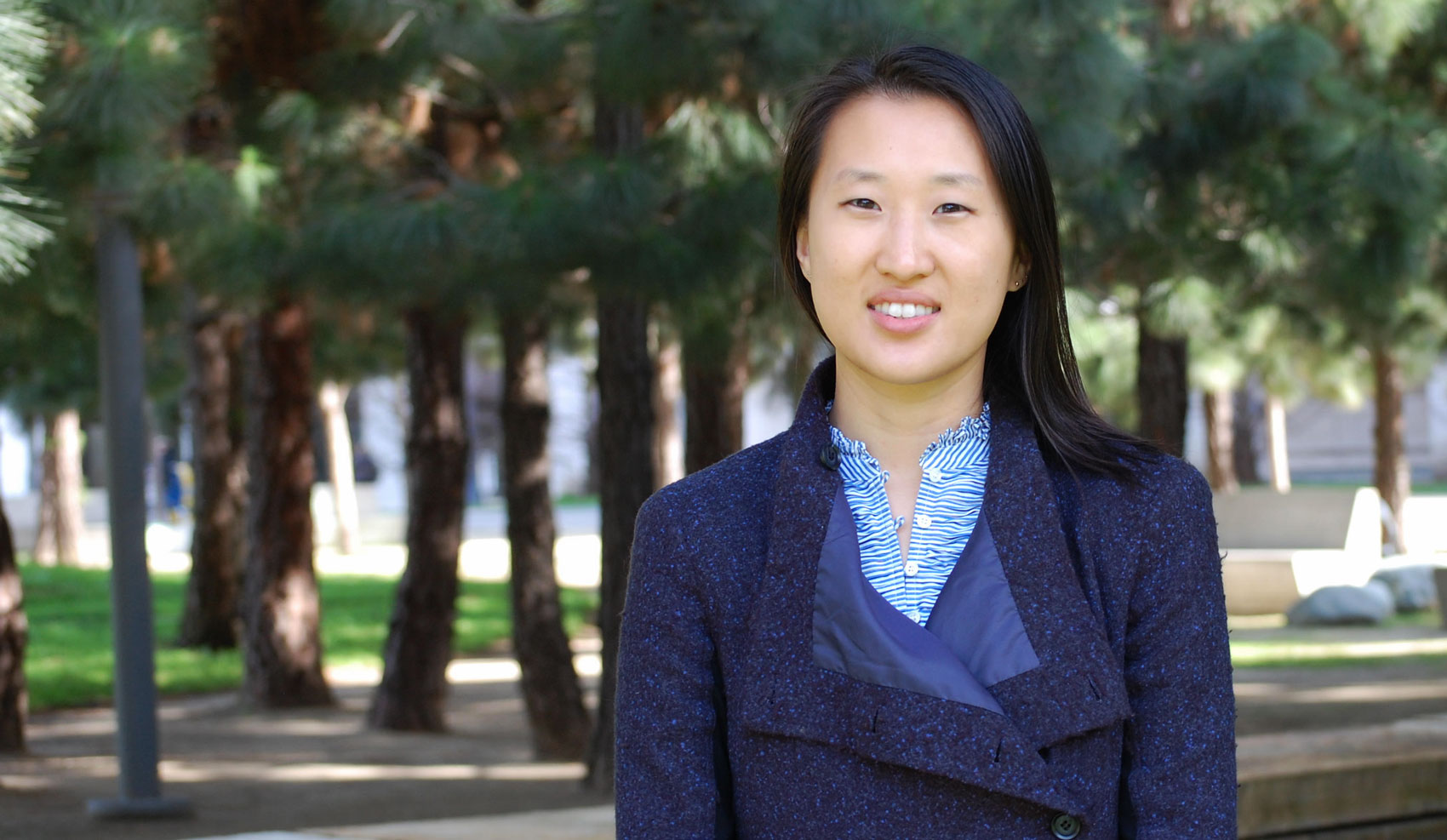
Education
- Graduate: PhD, 2011, MIT; MD, 2013, Harvard Medical School
- Undergraduate: BA, 2006, Biology, University of Chicago
Research Summary
Diverse commensal microbes colonize every surface of our bodies. We study the constant communication between these microbes and our immune system. We focus on our largest organ: the skin. By employing microbial genetics, immunologic approaches, and mouse models, we can dissect (1) the molecular signals used by microbes to educate our immune system and (2) how different microbial communities alter immune responses. Ultimately, we aim to harness these microbe-host interactions to engineer novel vaccines and therapeutics for human disease.
Awards
- Howard Hughes Medical Institute Hanna H. Gray Fellow, 2018-2026
- A.P. Giannini Postdoctoral Research Fellowship, 2018
- Dermatology Foundation Research Fellowship, 2017
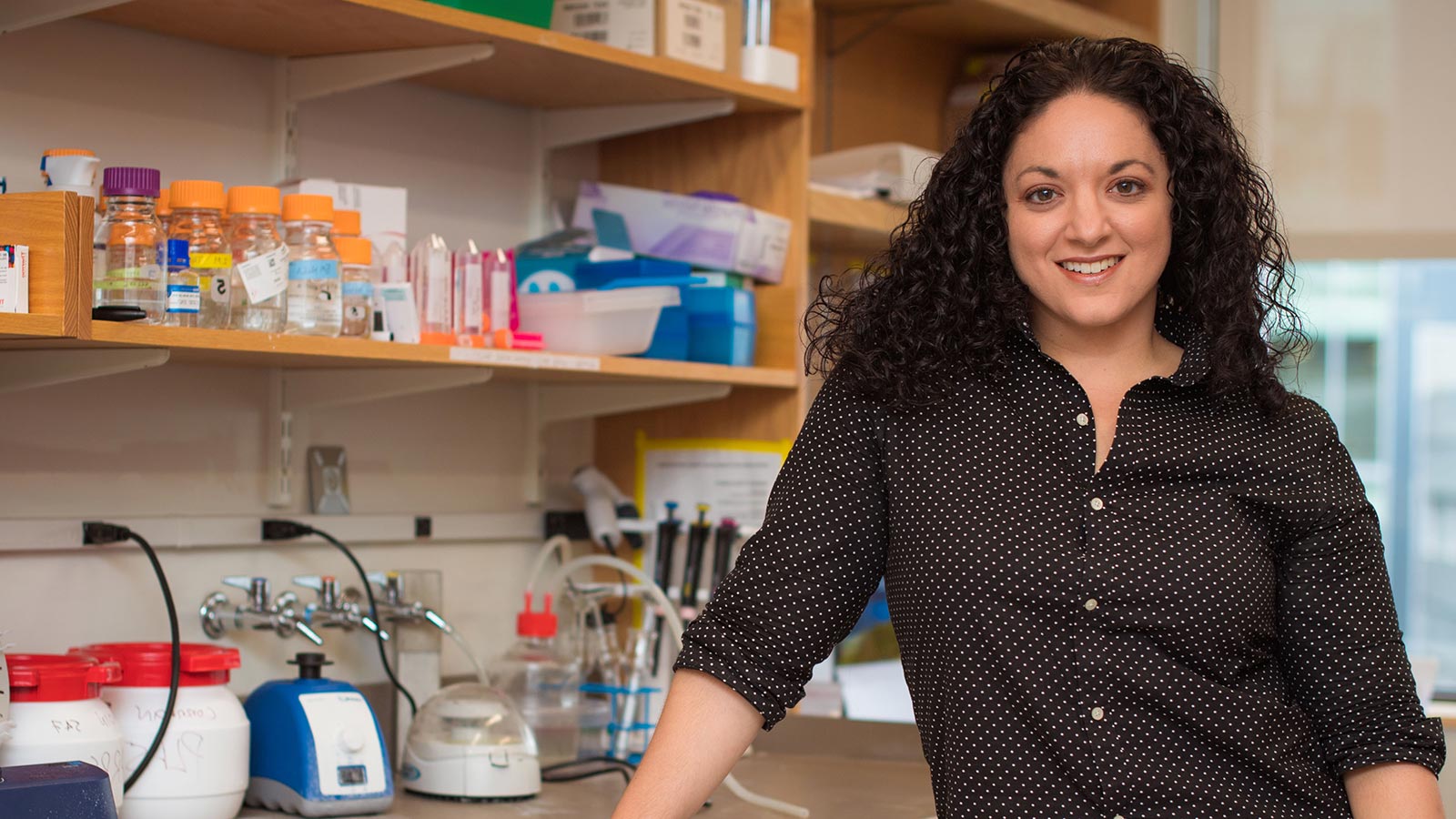
Education
- PhD, 2015, Case Western Reserve University
- BS, 2010, Biochemistry, Marquette University
Research Summary
Our lab studies genetic and epigenetic variation that contributes to human disease by disrupting gene expression programs. We utilize biological insights into the mechanisms of gene regulation in order to determine the impact of disease-associated variants on cellular function. We aim to identify actionable insights into disease pathogenesis by studying the confluence of genetic and epigenetic risk factors of human diseases, including multiple sclerosis and opioid use disorder.
Awards
- NIH Director’s Pioneer Award Program Avenir Award, 2017
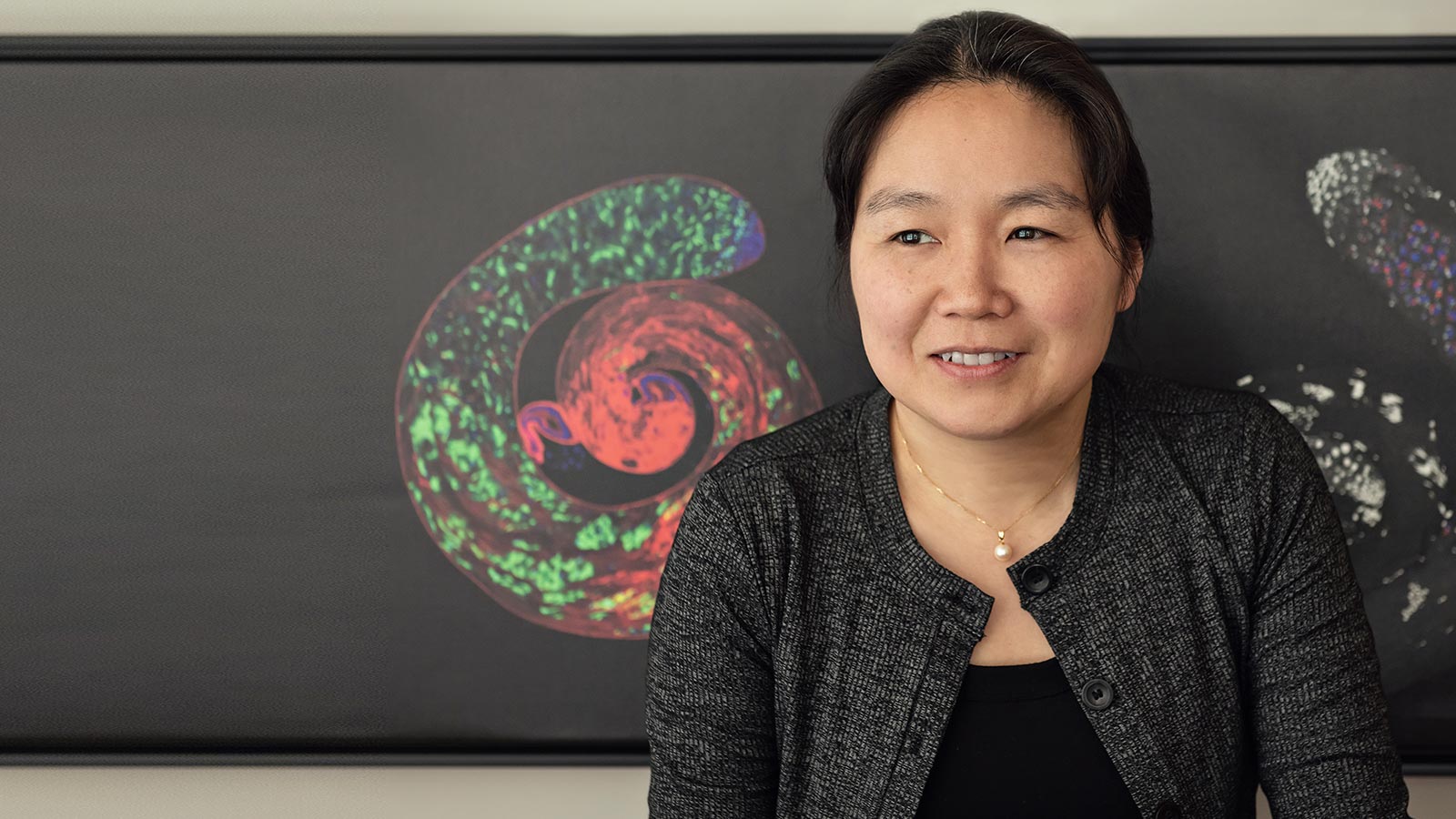
Education
- PhD, 1999, Kyoto University
- BS, Biology, 1994, Kyoto University
Research Summary
Two remarkable feats of multicellular organisms are generation of many distinct cell types via asymmetric cell division and transmission of the germline genome to the next generation, essentially in eternity. Studying these processes using the Drosophila male germline as a model system has led us to venture into new areas of study, such as functions of satellite DNA, a ‘genomic junk,’ and how they might be involved in speciation.
Awards
- National Academy of Sciences, 2025
- Tsuneko and Reiji Okazaki Award, 2016
- Howard Hughes Medical Institute, Investigator, 2014
- MacArthur Fellow, 2011
- Women in Cell Biology Early Career Award, American Society for Cell Biology, 2009
- Searle Scholar, 2008
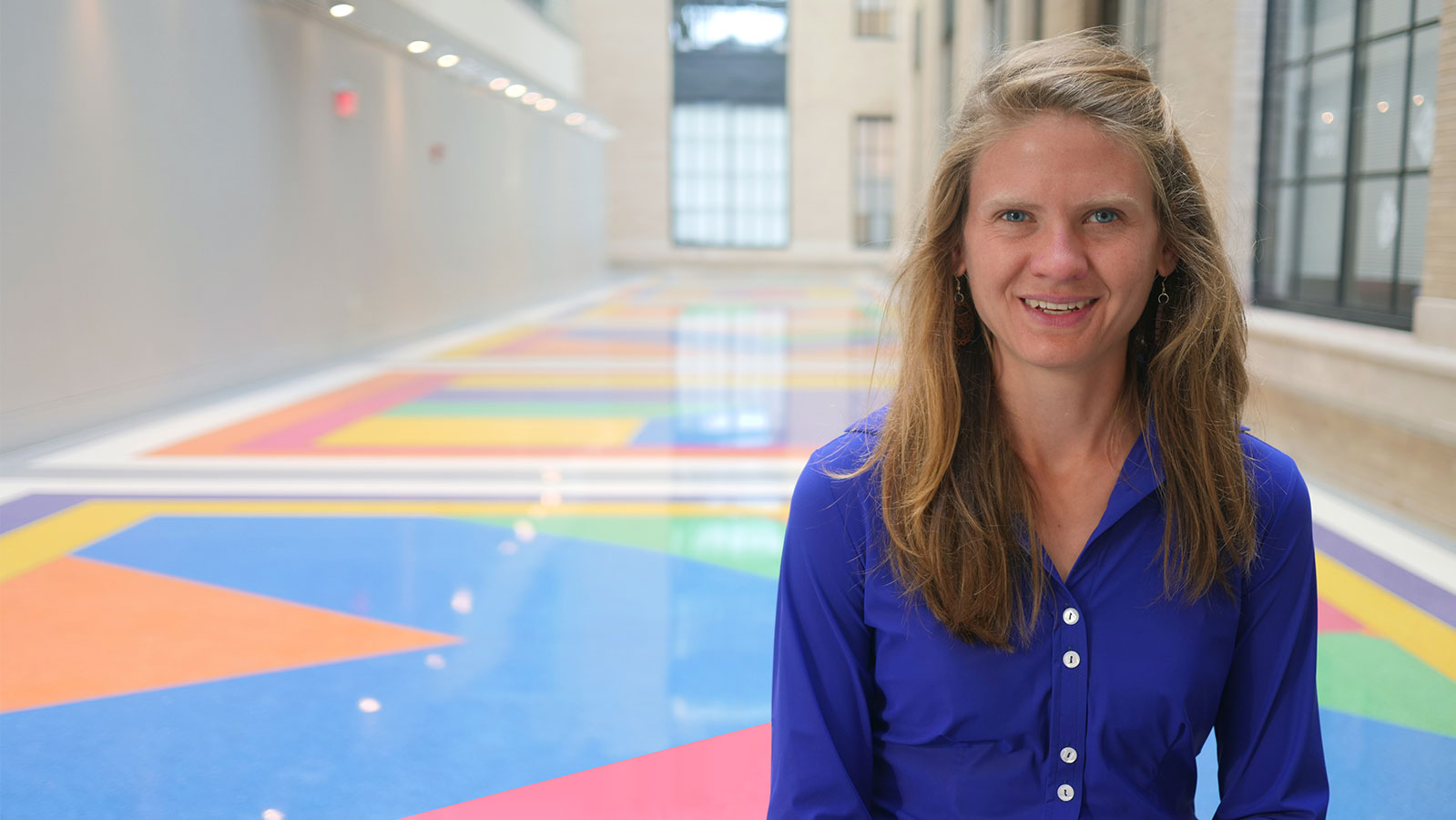
Education
- PhD, 2013, University of California, Berkeley
- BS, 2008, Genetics, University of Georgia
Research Summary
We study the interplay of gene expression and genome organization. Our work focuses on understanding how large molecular machineries involved in genome organization and gene transcription regulate each others’ function to ultimately determine cell fate and identity. We employ a broad range of approaches including single-particle cryo-electron microscopy (cryo-EM), X-ray crystallography, biochemistry, and genetics to mechanistically understand how these molecular assemblies regulate each other across molecular scales.
Awards
- New Innovator Award, National Institutes of Health Common Fund’s High-Risk, High-Reward Research Program, 2021
Education
- PhD, 2012, Chemical Biology, Harvard University
- BS, 2006, Life Sciences, Peking University
Research Summary
We are fascinated by how and why cells organize into spatial patterns within tissues, aiming to uncover the fundamental design principles that govern tissue form and function. To explore this, we adopt a bottom-up approach to reconstitute multicellular patterns in vitro using synthetic biology tools, guided by mathematical modeling. In parallel, we study how patterns emerge in natural tissues and investigate their functional roles, using a combination of quantitative imaging, mouse genetics, machine learning, and stem cell engineering. Our current focus is on the patterning of the embryonic and adult lung. Through these complementary efforts, we strive to achieve a quantitative, multi-scale understanding of tissue development and to create new strategies for tissue engineering.
Awards
- Teaching Prize for Undergraduate Education, MIT School of Science, 2023
- Allen Distinguished Investigator, The Paul Alen Frontiers Group, 2021
- New Innovator Award, National Institutes of Health Common Fund’s High-Risk, High-Reward Research Program, 2021
- R.R. Bensley Award in Cell Biology, American Association for Anatomy, 2021
- Santa Cruz Developmental Biology Young Investigator Award, 2016
- NIH Pathway to Independence Award K99/R00 (NICHD), 2016
- American Cancer Society Postdoctoral Fellowship, 2015
Education
- PhD, 2013, University of Illinois, Urbana-Champaign
- BTech, 2007, Biotechnology and Biochemical Engineering, Indian Institute of Technology Kharagpur
Research Summary
We study how biomolecules in a cell self-organize. In particular, we are interested in understanding how membrane-free cellular compartments such as RNA granules form and function. Our lab develops new biochemical and biophysical techniques to investigate these compartments and to understand their dysfunction in human disease.
Awards
- Young Alumni Achiever’s Award, Indian Institute of Technology Kharagpur, 2019
- NIH K99/R00 Pathway to Independence Award, 2017
- Pew Scholar in the Biomedical Sciences, 2022
Education
- PhD, 2012, Washington University in St. Louis
- BS, 2004, Cellular and Molecular Biology and Studio Art, Tulane University
Research Summary
Our lab is interested in the molecular events that enable apicomplexan parasites to remain widespread and deadly infectious agents. We study many important human pathogens, including Toxoplasma gondii, to model features conserved throughout the phylum. We seek to expand our understanding of eukaryotic diversity and identify specific features that can be targeted to treat parasite infections.
Awards
- Odyssey Award, Smith Family Foundation, 2021
Education
- PhD, 2011, The Johns Hopkins University School of Medicine
- BS, 2002, Molecular Biology and Biotechnology, Millersville University
Research Summary
In the Lamason lab, we investigate how intracellular bacterial pathogens hijack host cell processes to promote infection. In particular, we study how Rickettsia parkeri and Listeria monocytogenes move through our tissues via a process called cell-to-cell spread. We utilize cellular, molecular, genetic, biochemical and biophysical approaches to elucidate the mechanisms of spread in order to reveal key aspects of pathogenesis and host cell biology.
Awards
- NIH Pathway to Independence Award, 2015
Education
- PhD, 2010, MIT
- BA, 2003, Computer Science, University of California, Berkeley
- BS, 2003, Biological Engineering, University of California, Berkeley
Research Summary
The Davis lab is working to uncover how cells construct and degrade complex molecular machines rapidly and efficiently. We apply a variety of biochemical, biophysical, and structural approaches including quantitative mass spectrometry and single particle cryo-electron microscopy to understand the detailed molecular mechanisms of these processes. Ongoing projects in the lab are focused on autophagy, an essential eukaryotic protein and organelle degradation pathway, and assembly of the ribosome, which is essential in all cells.
Awards
- Sloan Research Fellowship, Alfred P. Sloan Foundation, 2021
- National Institute on Aging R00 Fellowship, 2017
- National Institute on Aging K99 Fellowship, 2015
Education
- PhD, 2011, MIT
- BS, 2006, Chemistry, University of Puerto Rico-Río Piedras
Research Summary
We focus on the molecular entities controlling and coordinating RNA metabolism — that is, the compendium of processes that involve RNA, including protein synthesis, processing, modifications, export, translation and degradation. Our goal is to understand how different aspects of RNA metabolism are controlled to generate structure and function during development, as well as how mutations in components of the RNA metabolic program lead to congenital disorders and cancer.