Education
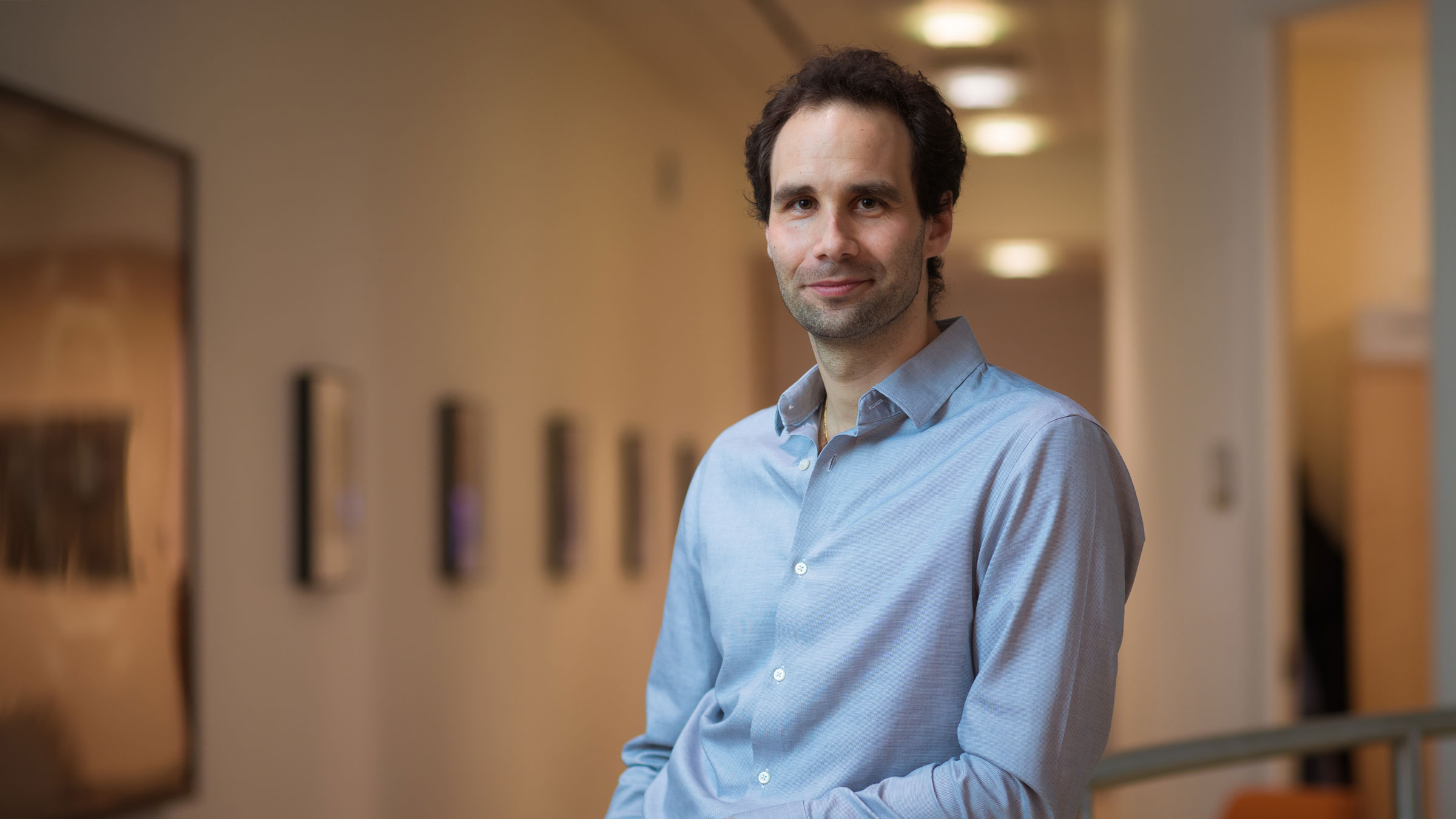
- PhD, 2013, Harvard University
- A.B., 2007, Biochemical Sciences, Harvard University
Research Summary
To survive extreme environments, many animals have evolved the ability to profoundly decrease metabolic rate and body temperature and enter states of dormancy, such as torpor and hibernation. Our laboratory studies the mysteries of how animals and their cells initiate, regulate, and survive these adaptations. Specifically, we focus on investigating: 1) how the brain regulates torpor and hibernation, 2) how cells adapt to these states, and 3) whether inducing these states can slow down tissue damage, disease progression, and even aging. Our long-term goal is to explore potential applications of inducing similar states of “suspended animation” in humans.
Awards
- Warren Alpert Distinguished Scholar, Warren Albert Foundation, 2019
- NIH Director’s New Innovator Award, 2022
- Searle Scholar, 2023
- Pew Scholar, 2023
- McKnight Scholar, 2024
Education
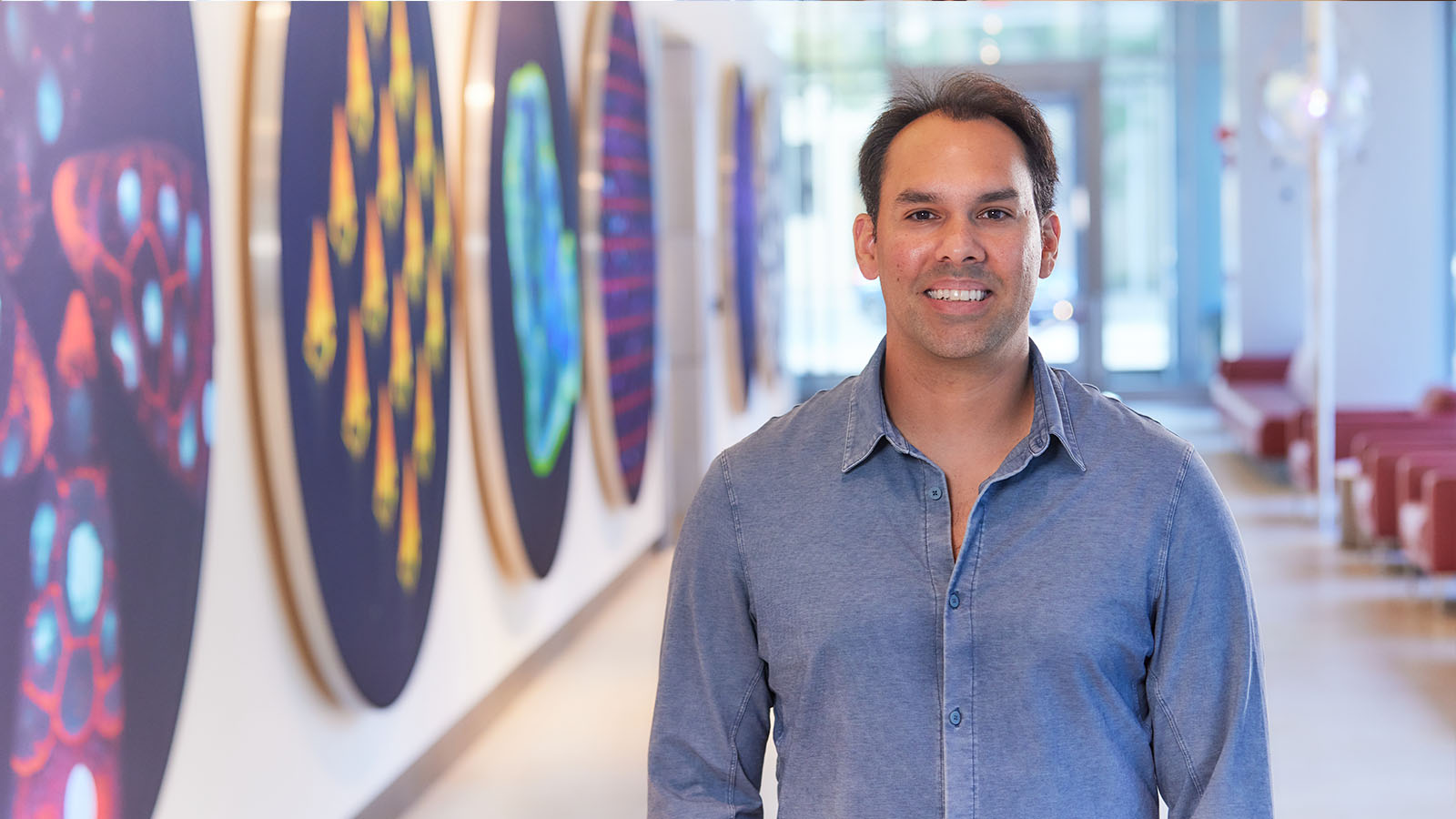
- PhD, 2016, Biology, MIT
- BS, 2008, Microbiology, University of Puerto Rico at Mayagüez
Research Summary
The overarching goal of the Sánchez-Rivera laboratory is to elucidate the cellular and molecular mechanisms by which genetic variation shapes normal physiology and disease, particularly in the context of cancer. To do so, we develop and apply genome engineering technologies, genetically-engineered mouse models (GEMMs), and single cell lineage tracing and omics approaches to obtain comprehensive biological pictures of disease evolution at single cell resolution. By doing so, we hope to produce actionable discoveries that could pave the way for better therapeutic strategies to treat cancer and other diseases.
Awards
- V Foundation Award, 2022
- Hanna H. Gray Fellowship, Howard Hughes Medical Institute, 2018-2026
- GMTEC Postdoctoral Researcher Innovation Grant, Memorial Sloan Kettering Cancer Center, 2020-2022
- 100 inspiring Hispanic/Latinx scientists in America, Cell Mentor/Cell Press, 2020
Education
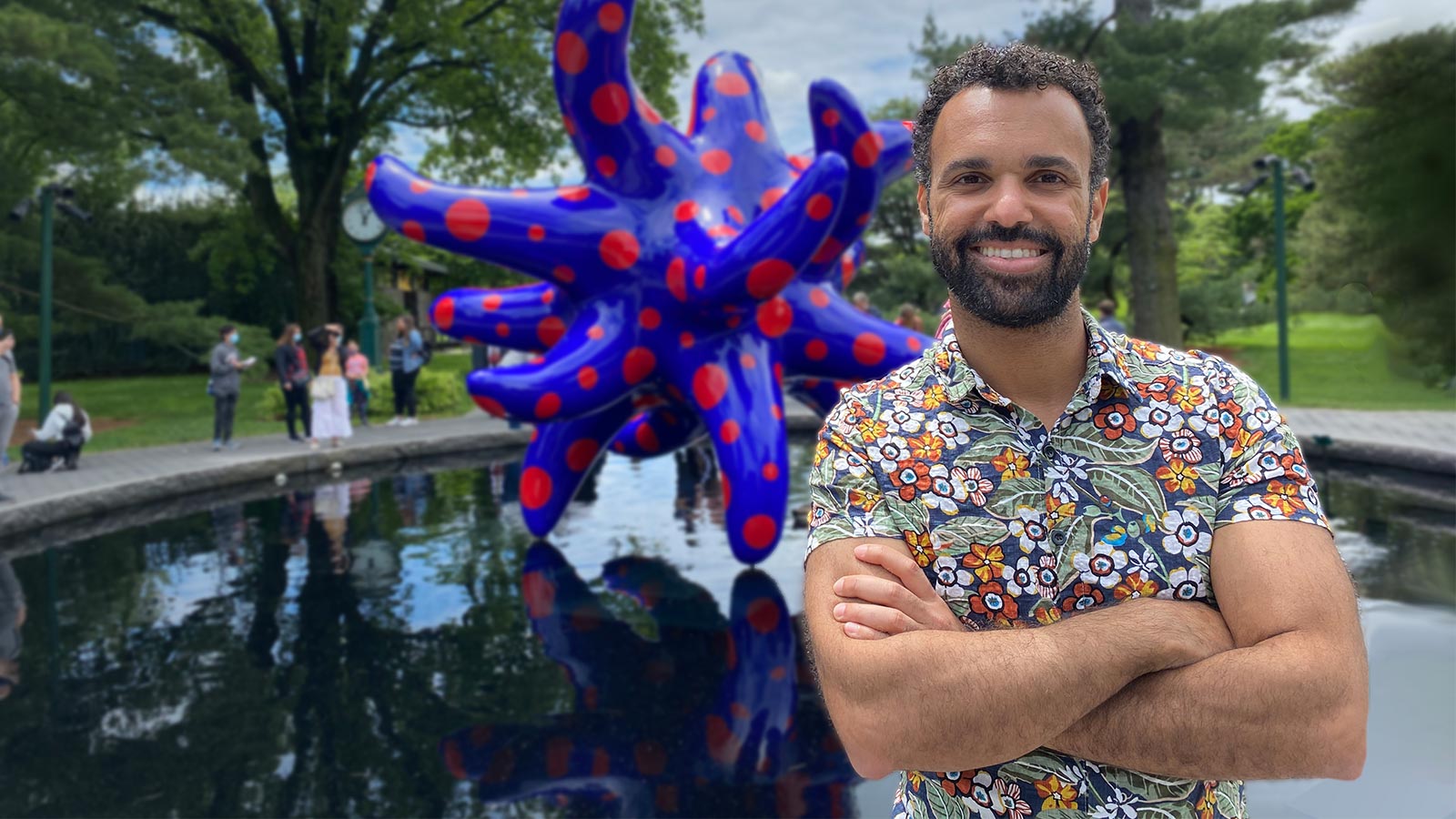
- PhD, 2011, University of São Paulo Heart Institute
- MSc, Molecular Biology, 2008, University of Brasilia
- BS, 2005, Biology, University of Brasilia
Research Summary
By utilizing an innovative and intersectional approach, our lab main goal is to reveal fundamental immune-related pathways that modulate organ and tissue physiology. Our work will help to develop new strategies to tune these molecular pathways in health and disease, leading to the development of much-needed therapeutic approaches for human diseases.
Awards
- CAPES Thesis Award – Brazil, 2012
Education
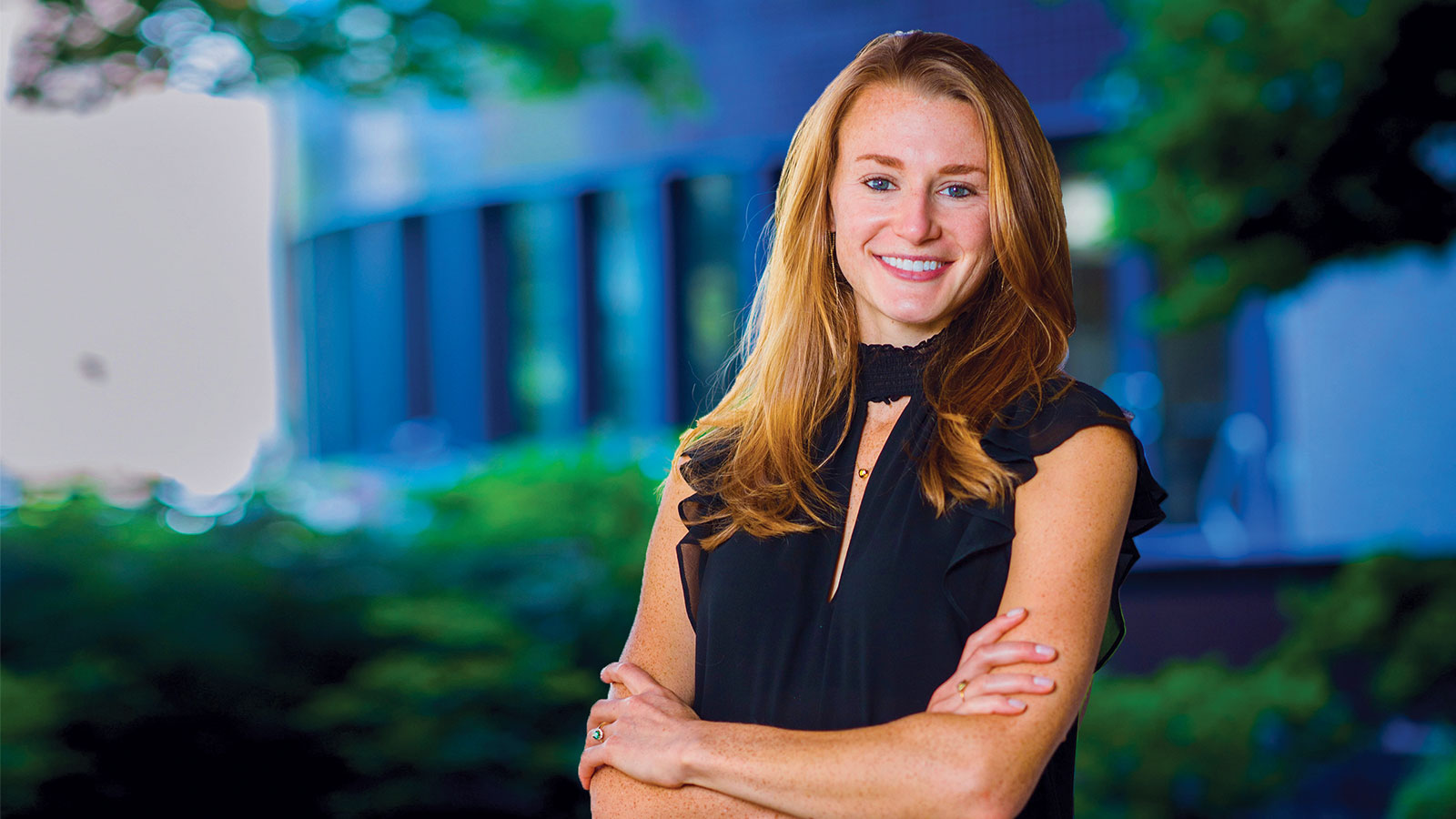
- PhD, 2017, MIT; MD, 2018, Harvard Medical School
- Undergraduate: BS, 2010, Biology, Duke University
Research Summary
We aim to understand how tissues sense and respond to damage with the goal of developing novel treatments for diverse human diseases. We focus on the mammalian liver, which has the unique ability to completely regenerate itself, in order to identify the molecular requirements for effective organ repair. To this end, we innovate genetic, molecular, and cellular tools that allow us to investigate and modulate organ injury and regeneration directly within living organisms.
Awards
- NIH Director’s Early Independence Award, 2018
- Henry Asbury Christian Award, 2018
Education
- PhD, 2014, University of North Carolina at Chapel Hill
- BA, 2008, Biology, Franklin and Marshall College
Research Summary
We study how cells regulate the spatial organization of signaling molecules at the plasma membrane to control downstream signaling. For example, receptor clustering and higher-order assembly with cytoplasmic proteins can create compartments with unique biochemical and biophysical properties. We use quantitative experimental approaches from biochemistry, molecular biophysics, and cell biology to study transmembrane signaling pathways and how they are misregulated in diseases like cancer.
Awards
- NSF Career Award, 2025
- Searle Scholar, 2022
- NIH Director’s New Innovator Award, 2022
- AFOSR Young Investigator Award, 2021
- Brown-Goldstein Award, 2020
- Damon Runyon-Dale F. Frey Breakthrough Scientist, 2020