Education
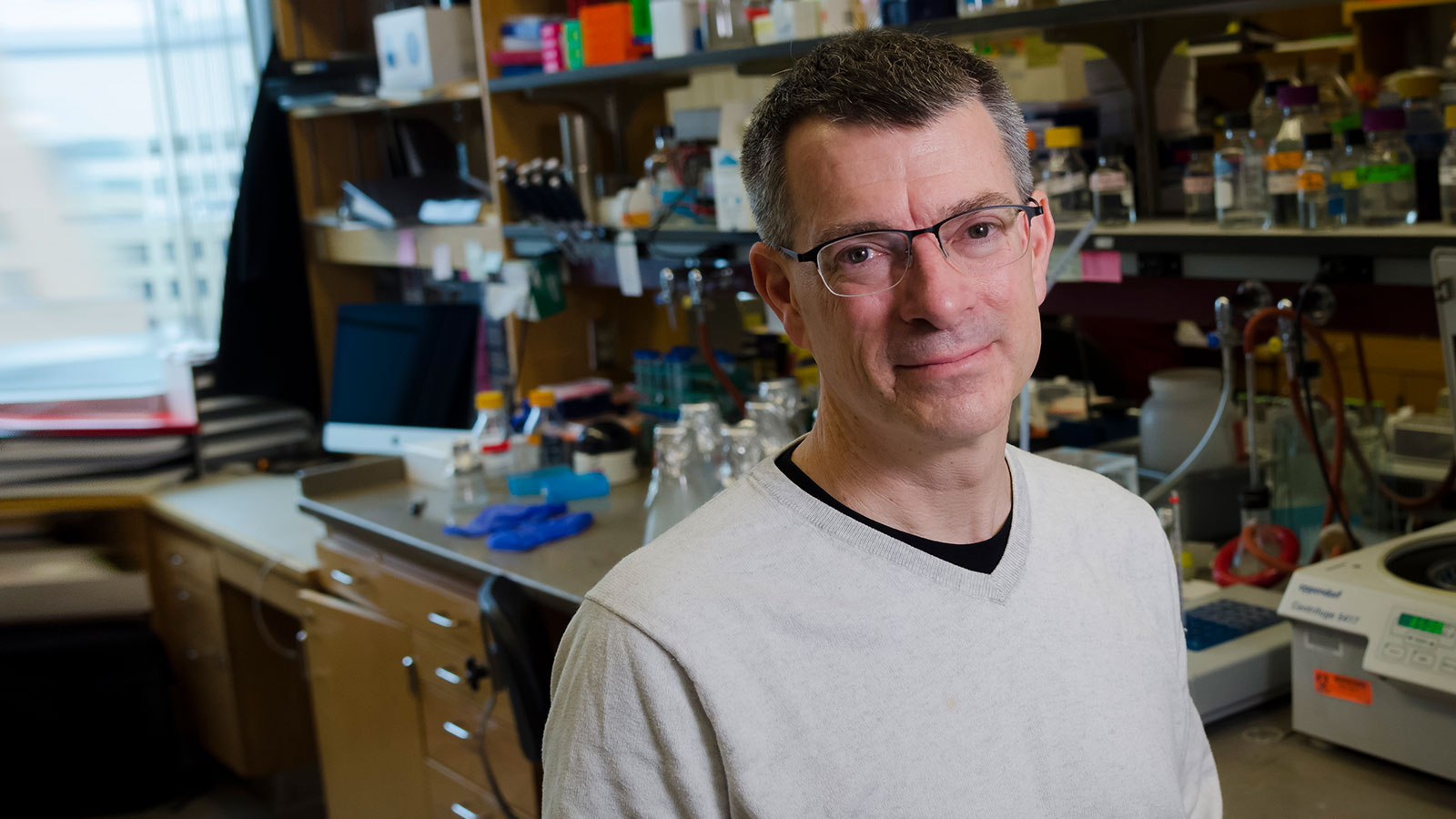
- PhD, 1990, University of California, Berkeley
- BS, 1985, Integrated Science Program and Biochemistry, Molecular Biology and Cell Biology, Northwestern University
Research Summary
We focus on the events that occur at the starting points of chromosome duplication. These DNA sequences — called “origins of replication” — are found at multiple sites on each eukaryotic chromosome and direct the assembly of replisomes, which replicate the DNA on both sides of the origin. We study this assembly process to understand how chromosomes are replicated, and how these events are regulated during the cell cycle to ensure genome maintenance.
Awards
- National Academy of Sciences, Member, 2017
- National Academy of Sciences Award in Molecular Biology, 2009
- Howard Hughes Medical Institute, HHMI Investigator, 2000
Education
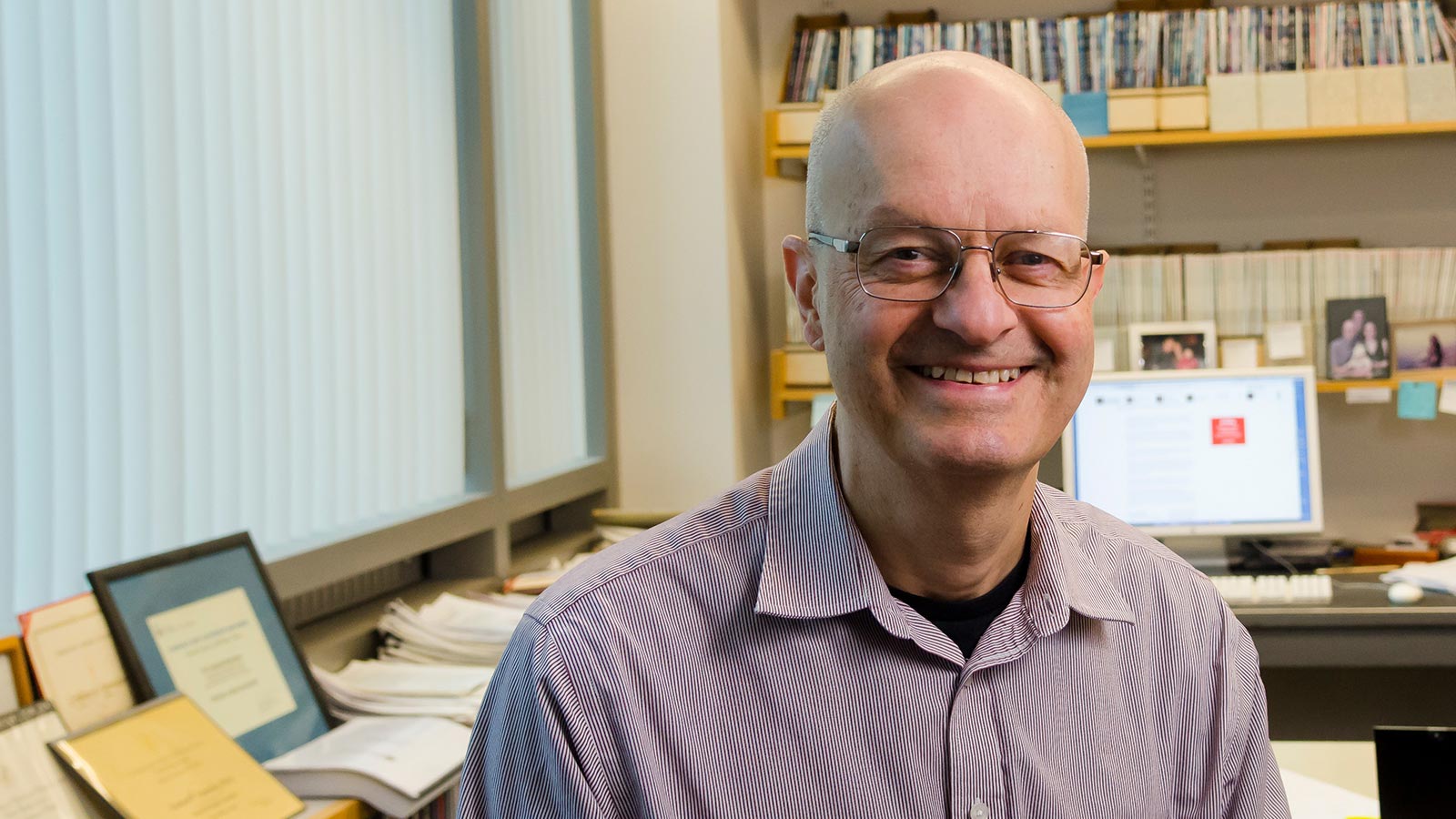
- PhD, 1978, Harvard University
- SB, 1974, Biology, MIT
Research Summary
We combine comprehensive bioinformatics analyses with functional analyses of pathways and genes to study aging in humans and mice. We apply these approaches to identify the major pathways and genes involved in the aging of certain brain regions. We are also studying muscular dystrophy and muscle loss with aging. Ultimately, our findings may guide studies in other organs and lead to a systemic understanding of mammalian aging.
Awards
- Miami Winter Symposium, Feodor Lynen Award, 2012
- University of Toronto, Charles H. Best Lectureship and Award, 2011
- Dart/NYU Biotechnology, Achievement Award, 2009
- French Academie des Sciences, Elected, 2009
- American Academy of Arts and Sciences, Fellow, 2004
Education
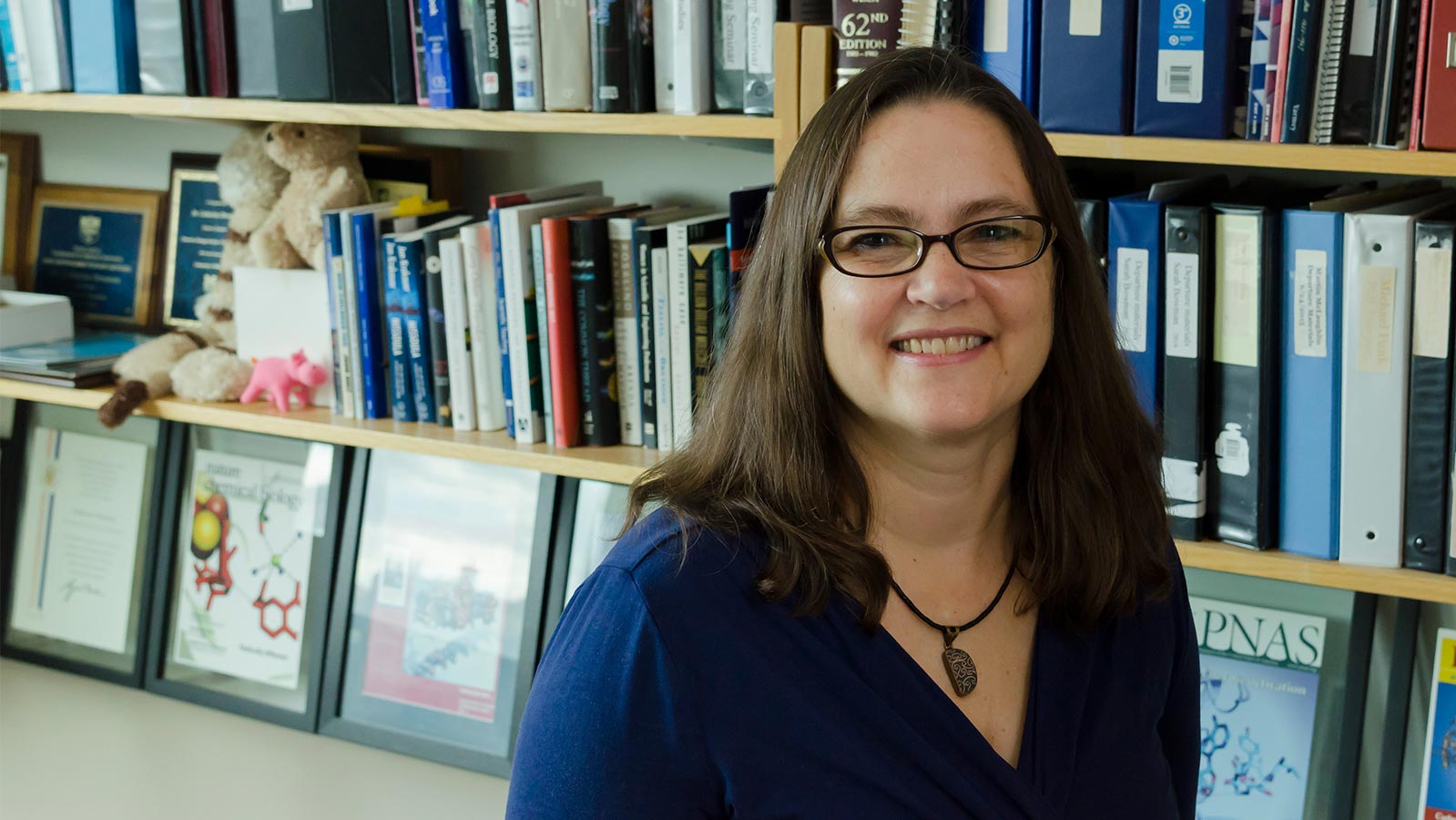
- PhD,1995, University of Michigan
- BS, 1985, Chemistry, Vassar College
Research Summary
We use X-ray crystallography to investigate the structure and function of enzymes that are medically important in environmental remediation. We are particularly interested in metalloprotein biochemistry, and in the role of conformational change in catalysis.
Awards
- National Academy of Sciences, 2023
- American Society for Biochemistry and Molecular Biology, Fellow, 2021
- American Academy of Arts and Sciences, Member, 2020
- Dorothy Crowfoot Hodgkin Award, Protein Society, 2020
- Margaret MacVicar Faculty Fellow, 2015-2025
- Howard Hughes Medical Institute, HHMI Investigator, 2008
- Howard Hughes Medical Institute, HHMI Professor, 2006
Education
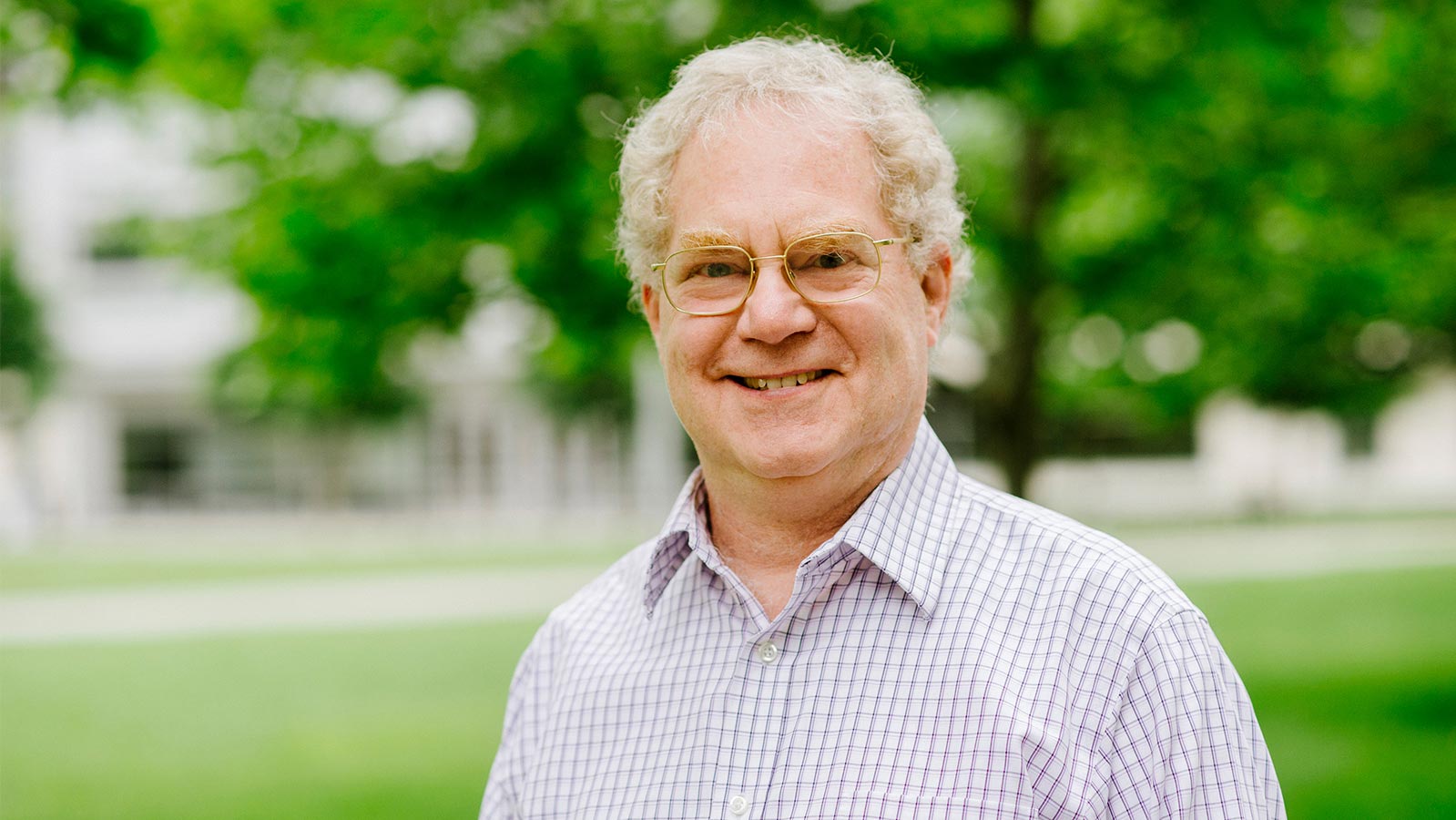
- PhD, 1984, University of Wisconsin, Madison
- BS, 1979, Biochemistry, Brown University
Research Summary
We use a variety of approaches to investigate several of the fundamental and conserved processes used by bacteria for propagation and growth, adaptation to stresses, and acquisition of new genes and traits via horizontal gene transfer. Our long term goals are to understand many of the molecular mechanisms and regulation underlying basic cellular processes in bacteria. Our organism of choice for these studies is usually the Gram positive bacterium Bacillus subtilis.
Our current efforts are focused in two important areas of biology: 1) The control of horizontal gene transfer, specifically the lifecycle, function, and control of integrative and conjugative elements (ICEs). These elements are widespread in bacteria and contribute greatly to the spread of antibiotic resistances between organisms. 2) Regulation of the initiation of DNA replication and the connections between replication and gene expression, with particular focus on the conserved replication initiator and transcription factor DnaA. This work is directly related to mechanisms controlling bacterial growth, survival, and stress responses.
Awards
- National Academy of Sciences, 2014
- American Academy of Arts and Sciences, 2008
- American Academy of Microbiology 1998
- Eli Lilly Company Research Award, 1997