
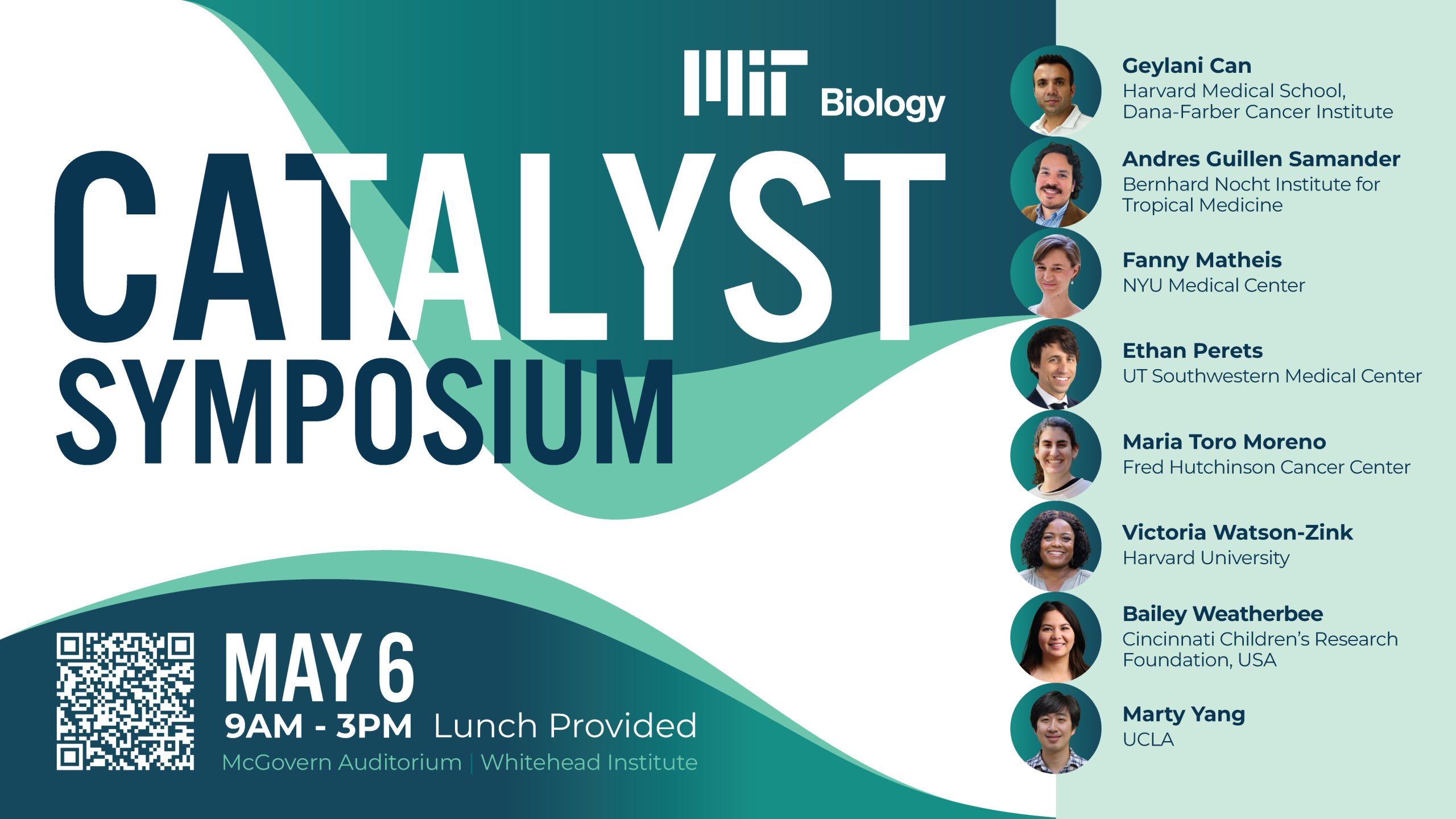
The MIT Biology Catalyst Symposium is part of an ongoing effort to bring outstanding postdocs to MIT to engage with members of our community. Aimed specifically at postdocs pursuing academic careers across many areas of biology, the three-day symposium provides a venue for participants to share their research, discuss exciting new directions, make new professional connections, and get to know the department. The event also includes mentoring activities to support the speakers in pursuing independent academic positions.
The 2026 Catalyst Symposium will take place May 5th-May 7th, 2026.
Please contact Community and Professional Support Specialist Hallie Dowling-Francisco with any questions.
Meet the 2026 Catalyst Symposium Fellows
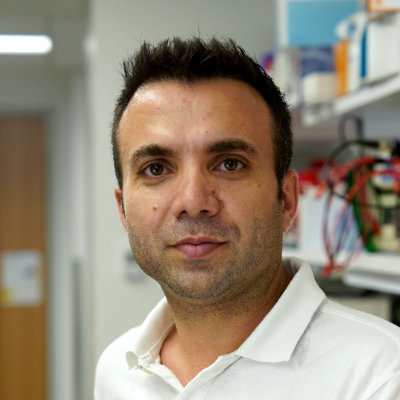 Geylani Can(he/him) |
Cell cycle–regulated replisome remodeling | Geylani Can, PhD is a postdoctoral fellow at Dana-Farber Cancer Institute and Harvard Medical School, jointly mentored by David Pellman and Johannes Walter. His research focuses on how the DNA replication machinery is regulated across the cell cycle to ensure faithful genome duplication. He combines biochemical reconstitution in Xenopus egg extracts, structural and computational modeling, and human cell-based functional assays to define distinct replisome states in interphase and mitosis. His work has revealed how replisome architecture constrains ubiquitin signaling during interphase, and how cell cycle–dependent remodeling of the replisome enables the processing of under-replicated DNA at mitotic entry. These mechanisms provide a framework for understanding how replication completion is coordinated with chromosome segregation and how failures in this process contribute to genome instability. He is a recipient of the AACR–Cancer Research UK Transatlantic Early Career Development Fellowship (2020–2025). |
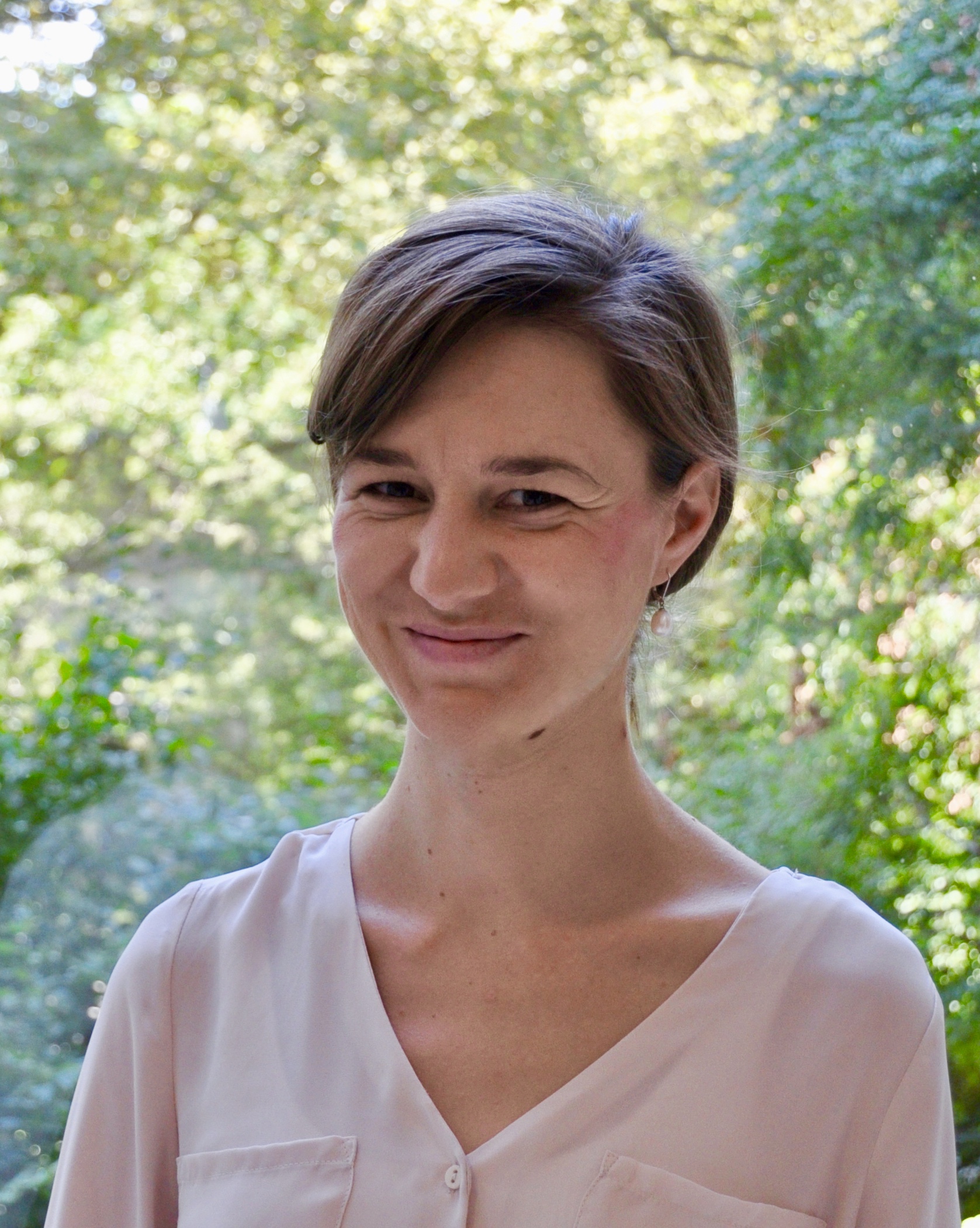
Fanny Matheis |
Intergenerational Control of Microbiota Assembly Determines Host Resilience | Fanny Matheis is a Helen Hay Whitney postdoctoral fellow in Jonas Schluter’s lab at NYU School of Medicine. She earned her M.D. from the Technical University of Munich and her Ph.D. from The Rockefeller University with Daniel Mucida, where she studied microbiota-dependent gut neuro-immune interactions regulating tissue resilience and metabolism. In her postdoctoral work, she investigates how microbial and environmental experiences shape physiology and inheritance in mammals. She developed a gnotobiotic mouse system to distinguish inherited from environmental influences on health across generations. Her research integrates ecological, germline, and mechanistic perspectives to reveal how parental environments leave lasting effects on offspring health and disease risk. |
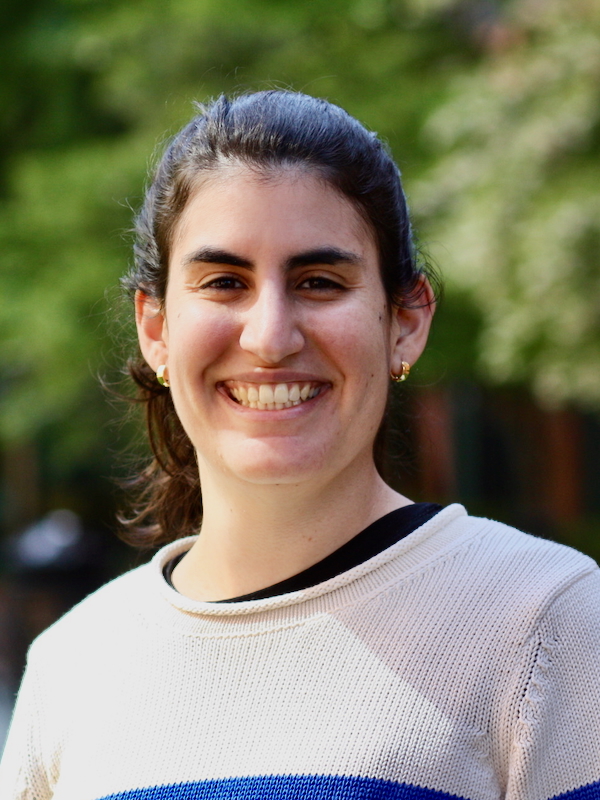 Maria Toro Moreno (she/her) |
Mapping the selective constraints that shape essential proteins | Maria Toro Moreno grew up in Medellín, Colombia, and earned her Ph.D. from Duke University. As a graduate student in Emily Derbyshire’s lab, she identified critical host pathways involved in infection by the malaria parasite Plasmodium and uncovered key gene expression programs underlying early parasite development. She then joined the laboratories of Harmit Malik and Rasi Subramaniam at the Fred Hutchinson Cancer Center, where she was selected as a Hanna Gray Fellow. Her research explores how viruses drive innovation in immune and essential cellular pathways of their hosts, and how these evolutionary adaptations shape host biology. |
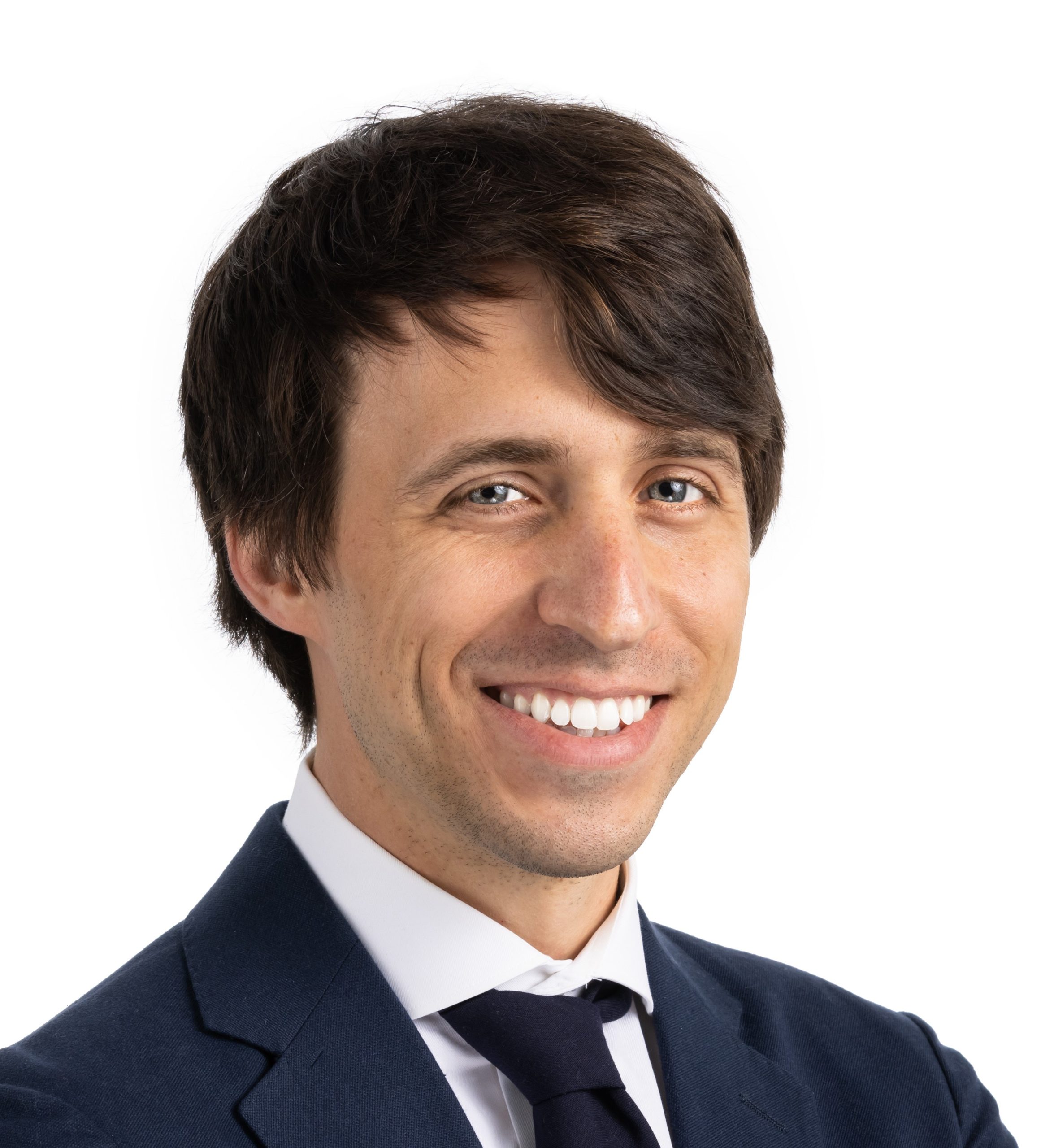 Ethan A. Perets(he/him) |
Imaging Innate Immunity: 4D Cell Biology of the cGAS-STING Pathway in Neuroinflammation | Ethan A. Perets holds a BA in Biochemistry from Columbia University, an MA in the History and Conservation of Buddhist Art from the Courtauld Institute of Art, and a PhD in Chemistry from Yale University. During his PhD with Prof. Elsa Yan, Ethan developed non-linear optical spectroscopies to probe interactions between biomolecules and water. His research established that proteins and DNA imprint their homochirality on nearby water structure, and quantified how changes in water structure drive important biological processes such as ligand binding and phase separation. Following his PhD, Ethan trained as a Schmidt Science Fellow in the Department of Chemistry and Chemical Biology at Harvard University, where he worked with Prof. Adam Cohen on tools for in vivo optical electrophysiology and recording of brain activity during memory formation. Currently, Ethan is a postdoctoral fellow working with Prof. Zhijian “James” Chen in the Department of Molecular Biology at UT Southwestern Medical Center. Ethan’s research focuses on pushing the frontiers of bioimaging to understand the role of the innate immune system in neuroinflammation, neurodegeneration, and brain aging. In 2024, Ethan was named a Postdoctoral Fellow of the American Federation of Aging Research and the Glenn Foundation for Medical Research. He is the Michael Brown Fellow of the Life Sciences Research Foundation. |
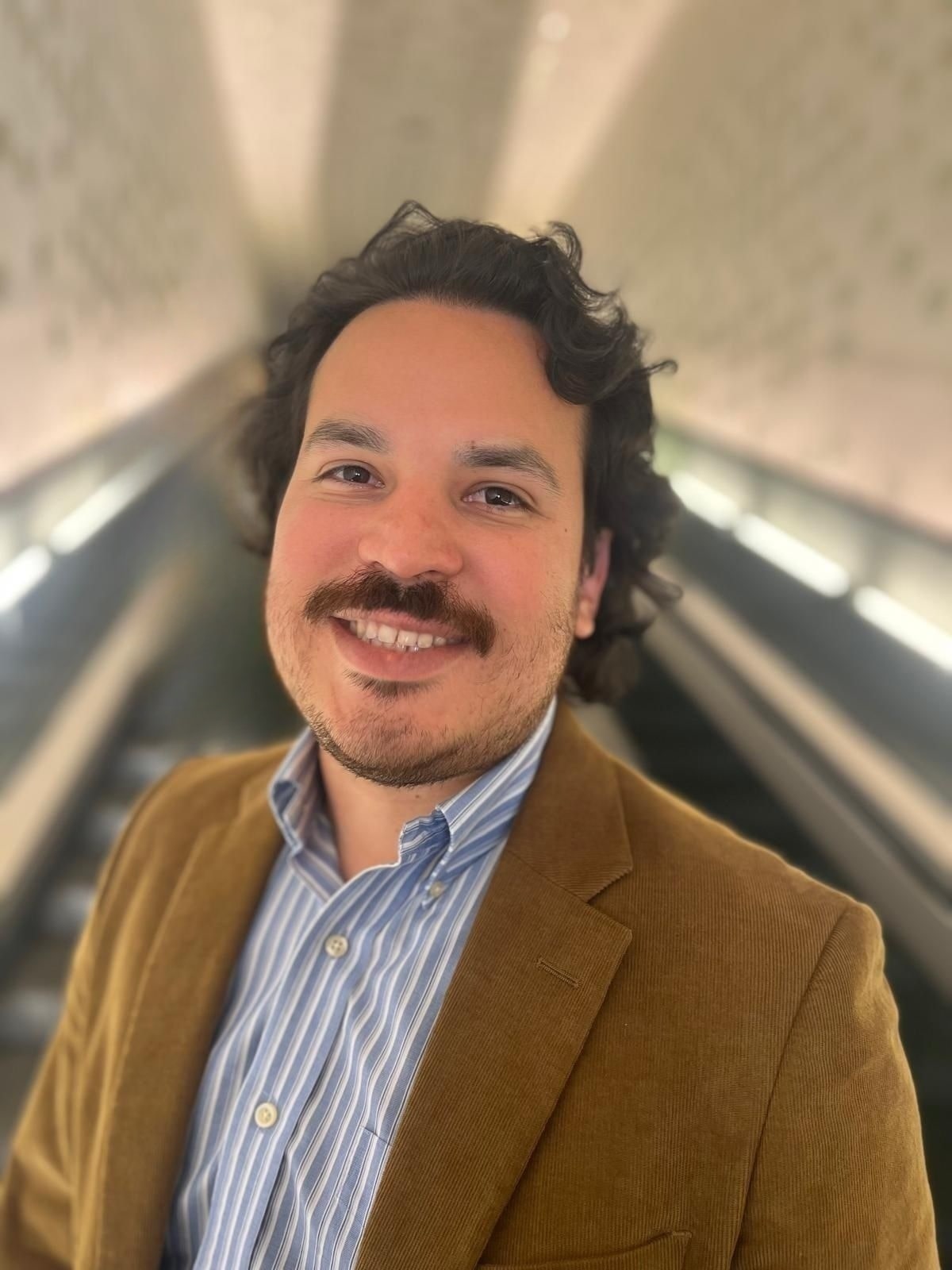 Andrés Guillén Samander (he/him) |
Study of lipid transfer proteins in the malaria parasite reveals new mechanisms for its survival in Red Blood Cells | Andrés Guillén Samander studied Biology at Universidad Peruana Cayetano Heredia, in Lima, Perú, and then completed his graduate studies in Cell Biology at Yale University. During his PhD in the laboratory of Dr. Pietro De Camilli, he studied mechanisms of non-vesicle-mediated transfer of lipids at sites of interaction between organelles, with a focus on proteins implicated in neurodegenerative diseases. He then received an EMBO postdoctoral fellowship and joined the laboratory of Dr. Tobias Spielmann to explore the importance of lipid transfer and interorganelle interactions in apicomplexan protists, specifically in the Red Blood Cell stages of the human malaria parasite. |
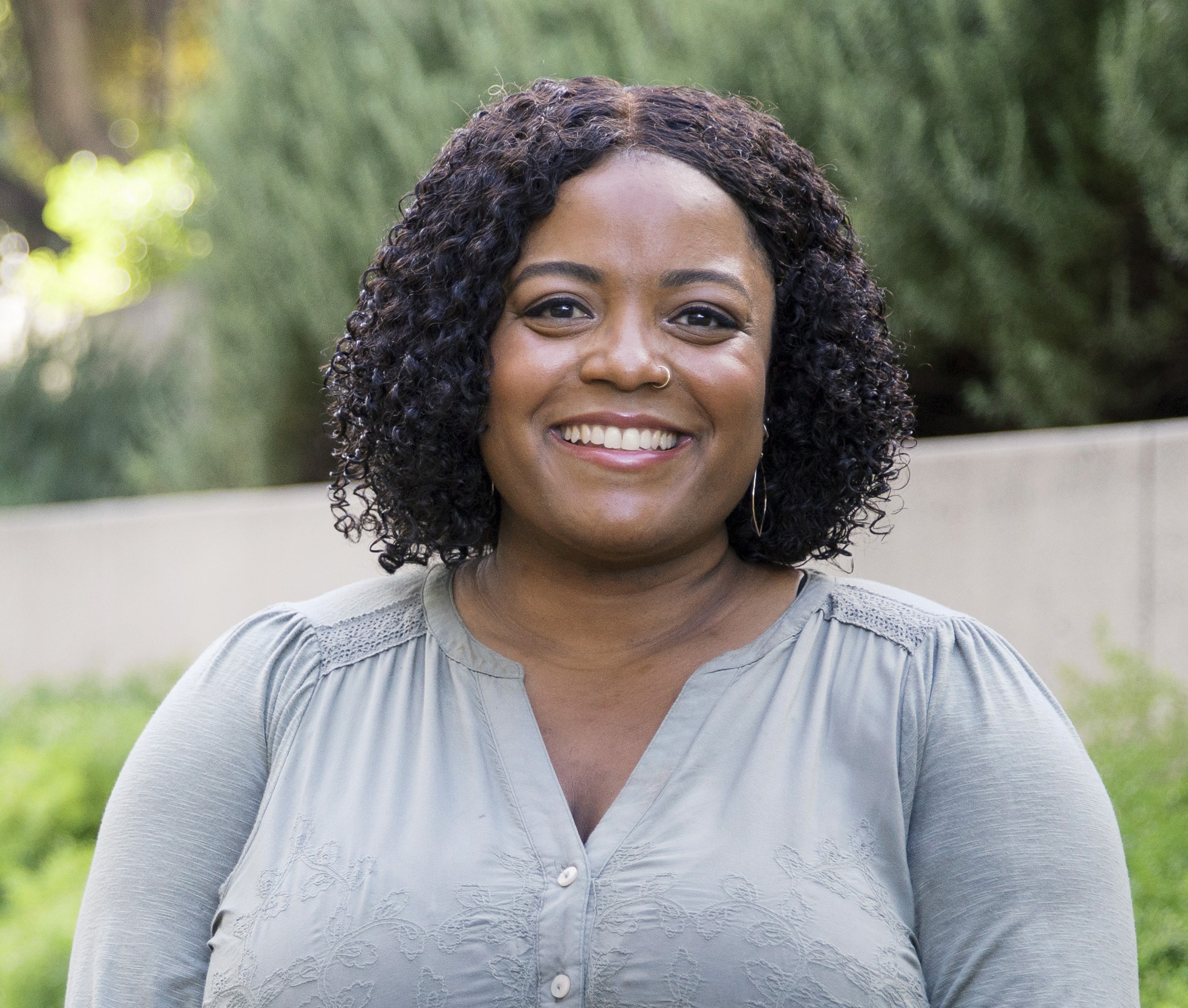
Victoria Watson-Zink |
The Hitchhiker’s Guide to Terrestriality: Exploring sea-to-land transitions in decapod crabs | Dr. Victoria Watson-Zink is driven to understand the evolutionary contexts under which ancestrally marine animals colonized land across the history of life on Earth and how these transitions govern historical and contemporary patterns of biodiversity. Her work primarily focuses on the decapod land crabs, which have independently and convergently colonized land at least 17 times. Victoria graduated from Cornell University in 2013 with her Bachelor of Science in Biological Sciences (Ecology and Evolutionary Biology Concentration). During her gap years, she worked as a research technician and laboratory manager at the Scripps Institution of Oceanography in La Jolla, CA. In 2022, she earned her PhD in Population Biology at the University of California, Davis, where she was also awarded the Merton Love Award for Outstanding Dissertation in Ecology and Evolution. Her doctoral work aimed to evolutionarily contextualize their many transitions and to identify the genetic and physiological changes that have allowed the crabs to overcome the extraordinary adaptive challenges of a life on land. As an HHMI Hanna Gray Fellow in Prof. Lauren O’Connell’s lab at Stanford University, previously jointly funded by the Stanford Science Fellowship and the NSF Postdoctoral Research Fellowship in Biology, she worked to establish vampire crabs (Geosesarma) as a new model system for exploring terrestrial adaptation in crabs from a developmental perspective. She is now currently continuing her Hanna Gray Fellowship in the lab of Prof. Cassandra Extavour at Harvard University. During this seminar, Dr. Watson-Zink will discuss her previous studies on the transcriptomic responses of land crabs to desiccation stress as well as her current work charting gene expression changes through ontogeny in vampire crabs with different modes of development. |
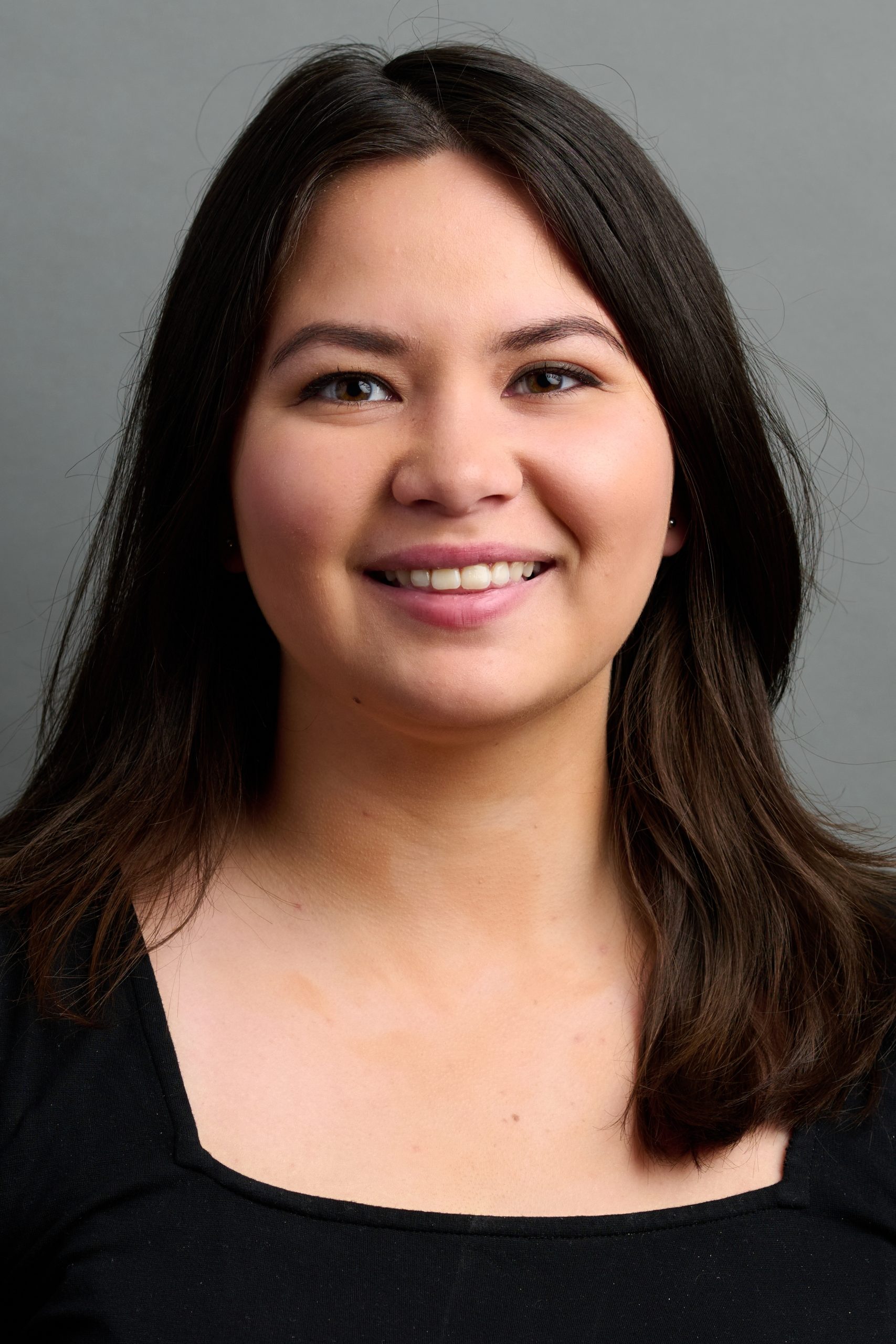 Bailey Weatherbee (she/her) |
Multifunctional RNA-binding transcription factors coordinate developmental cell states | Bailey Weatherbee is a developmental biologist interested in the molecular drivers of early cell fate determination. Disruption of these crucial pathways can result in congenital anomalies or pregnancy loss. As an undergraduate in Dr. Salil Lachke’s lab at the University of Delaware, Bailey studied the post-transcriptional mechanisms by which the cataract-associated RNA-binding protein Celf1 key eye transcription factor Pax6 in the mouse lens (Aryal*, Viet*, Weatherbee* et al., Exp. Eye Res. 2020). During her Ph.D. as a Gates Cambridge scholar with Dr. Magdalena Zernicka-Goetz at the University of Cambridge, Bailey developed a stem cell-based embryo model of the post-implantation human embryo via overexpression of crucial transcription factors (Weatherbee*, Gantner* et al., Nature 2023). Using both in vitro cell models and surplus, donated human embryos, she investigated the requirements of specific signaling pathways for different cell types during early post-implantation human development – particularly the extraembryonic endoderm (Weatherbee*, Weberling*, Gantner* et al., NCB 2024). Now, as a Jane Coffin Childs Fellow in Dr. Aaron Zorn’s lab at Cincinnati Children’s Hospital, Bailey is combining her previous training to investigate the role co- and post-transcriptional regulation mechanisms in early development. Specifically, given recent work suggesting that many DNA-binding transcription factors can also bind RNA, she hypothesizes that some lineage-determining transcription factors can play important co-transcriptional roles in RNA regulation. These roles may be important to ensure proper differentiation of cells into their downstream lineages. Importantly, this work continues to leverage the complimentary advantages of human stem cell-based models together with model organisms such as the frog and mouse embryo. |
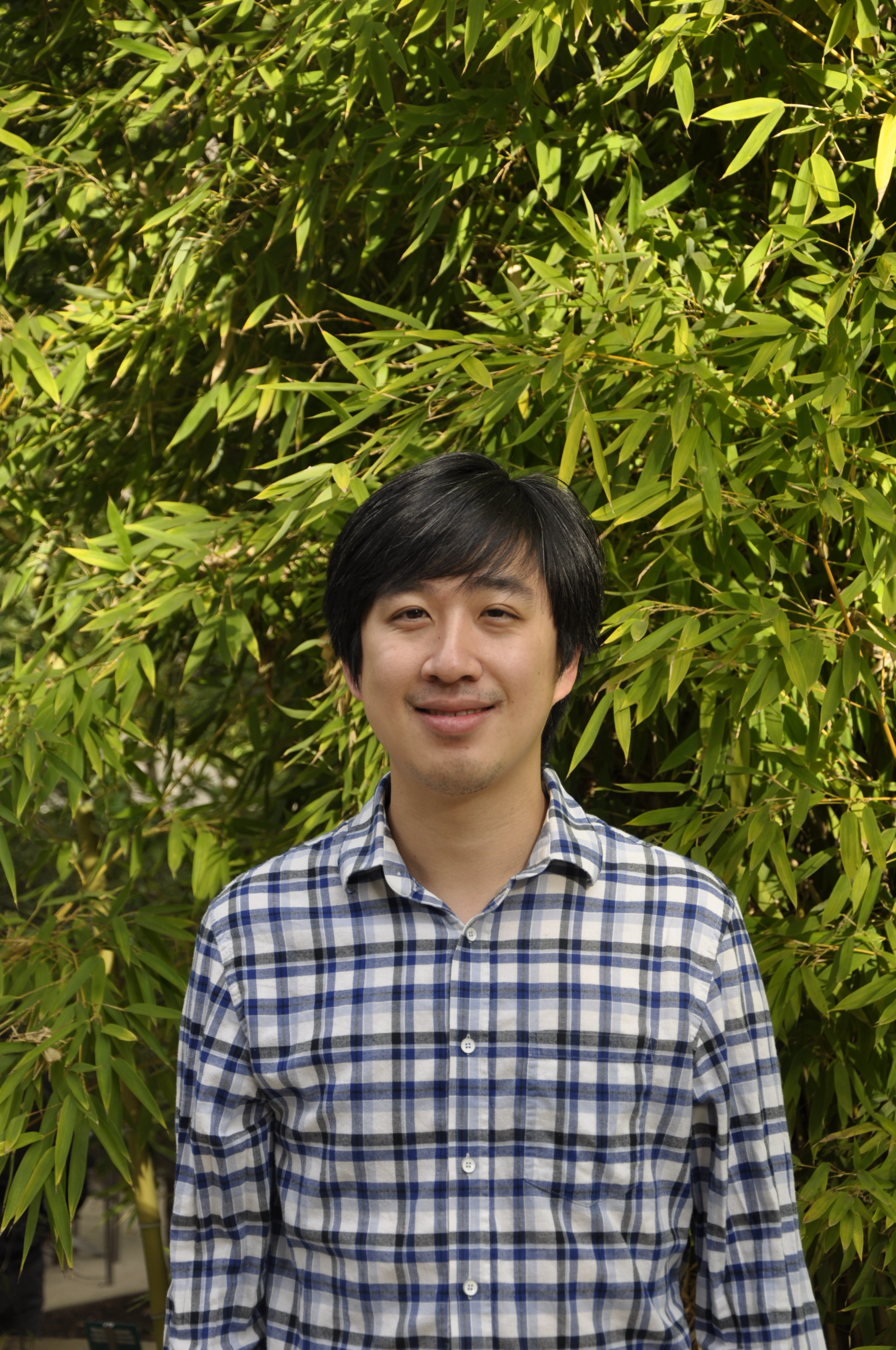 Marty Yang (he/him) |
Synapse-to-chromatin regulation in human neural progenitor development | Marty Yang received his Ph.D. from Harvard Medical School, where he worked in Dr. Michael Greenberg’s laboratory on genomic determinants for stimulus-responsive transcription factor binding and function. He completed postdoctoral training with Dr. Vijay Ramani at the University of California, San Francisco, developing long-read footprinting methods to map protein-DNA interactions on newly replicated chromatin fibers in vivo. He is currently a postdoctoral fellow in Dr. Aparna Bhaduri’s group at the University of California, Los Angeles. |
Previous Catalyst Symposia:
For information on previous years’ symposia please visit the links below: